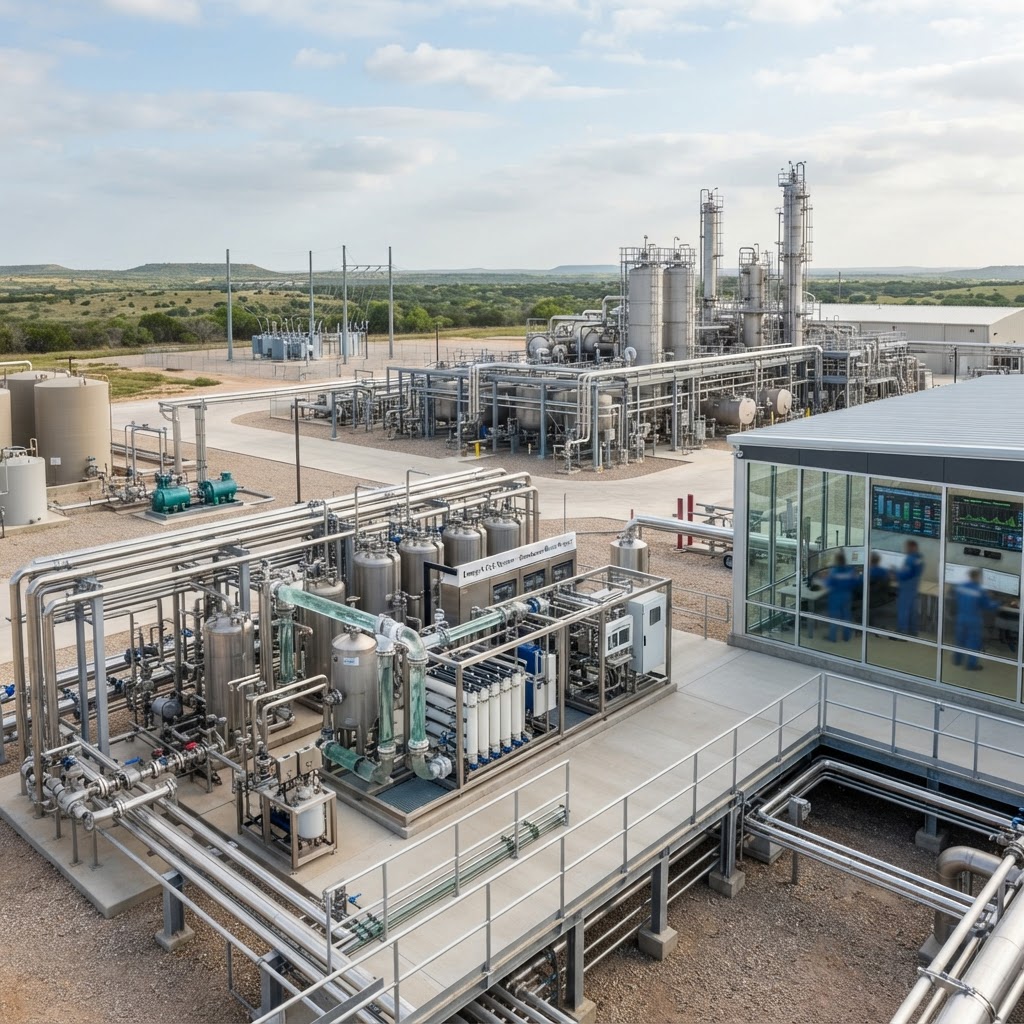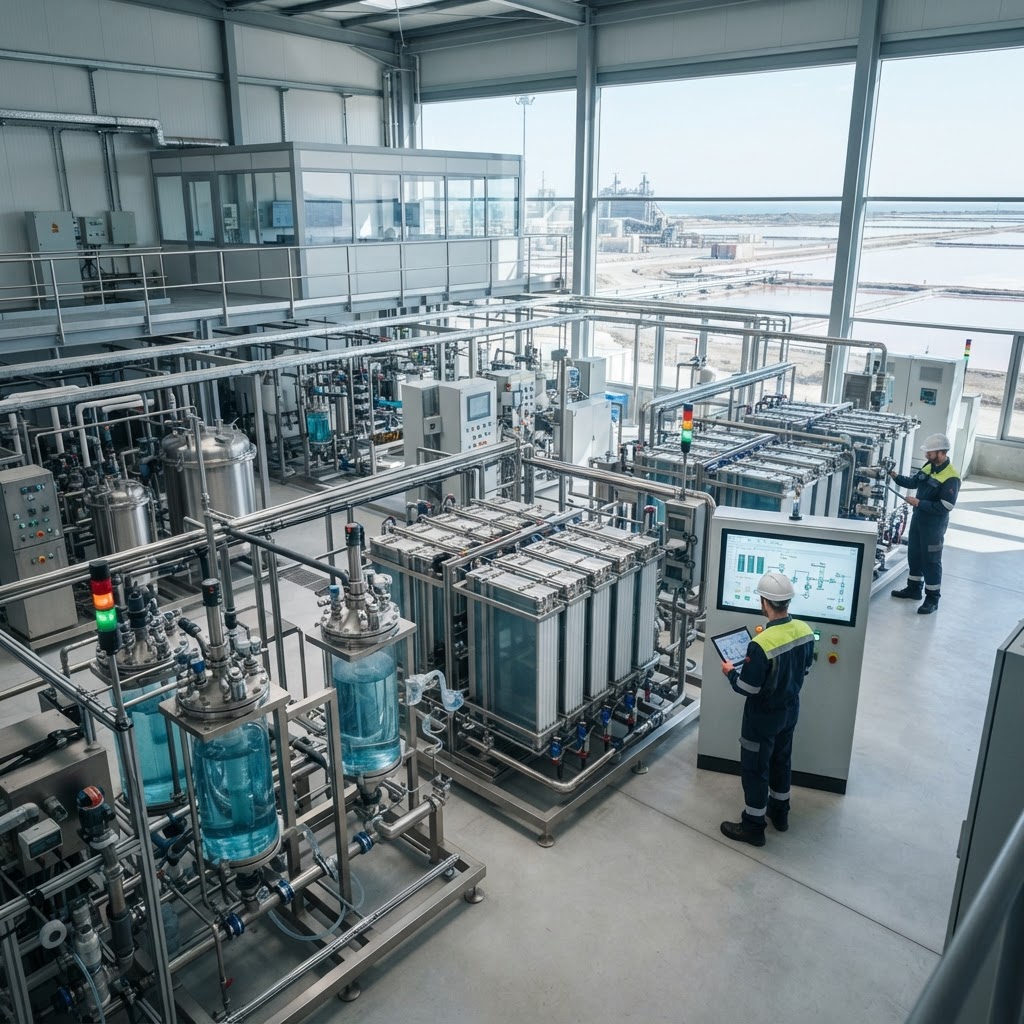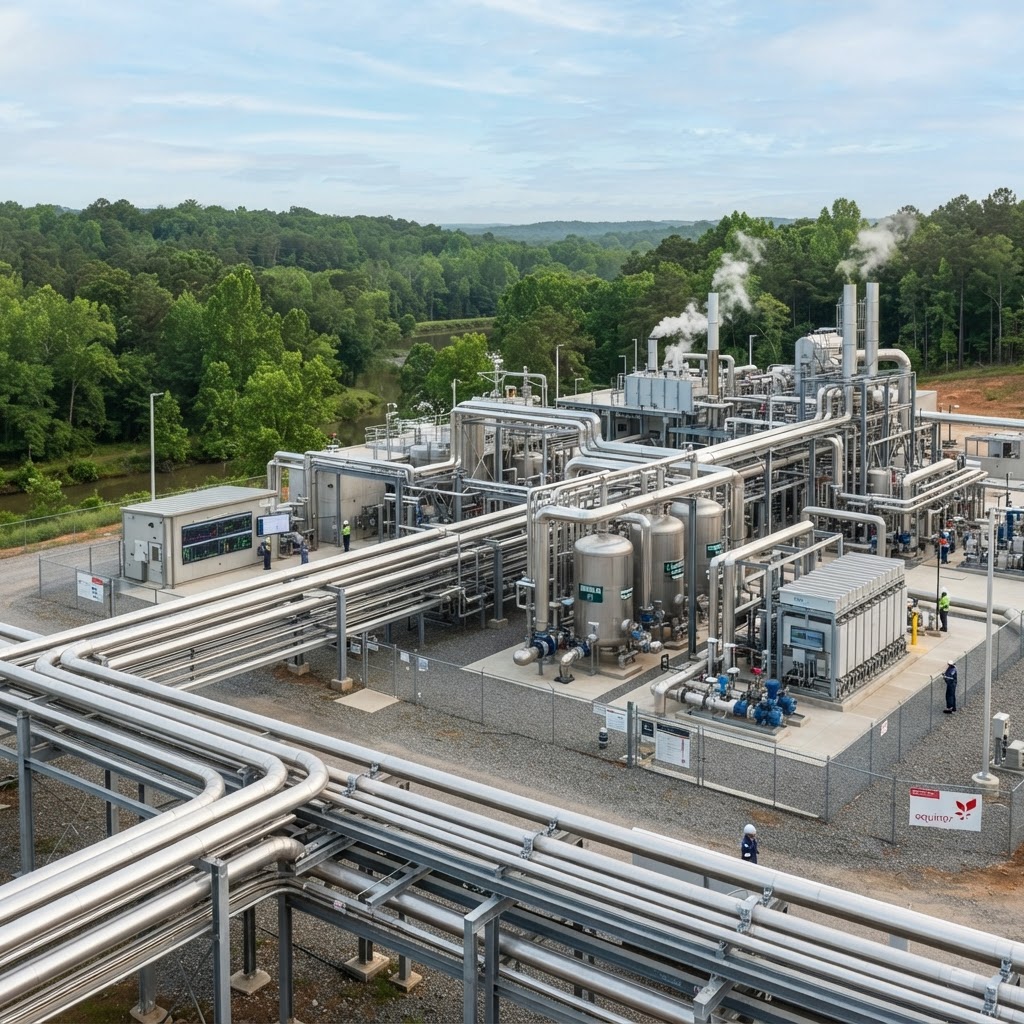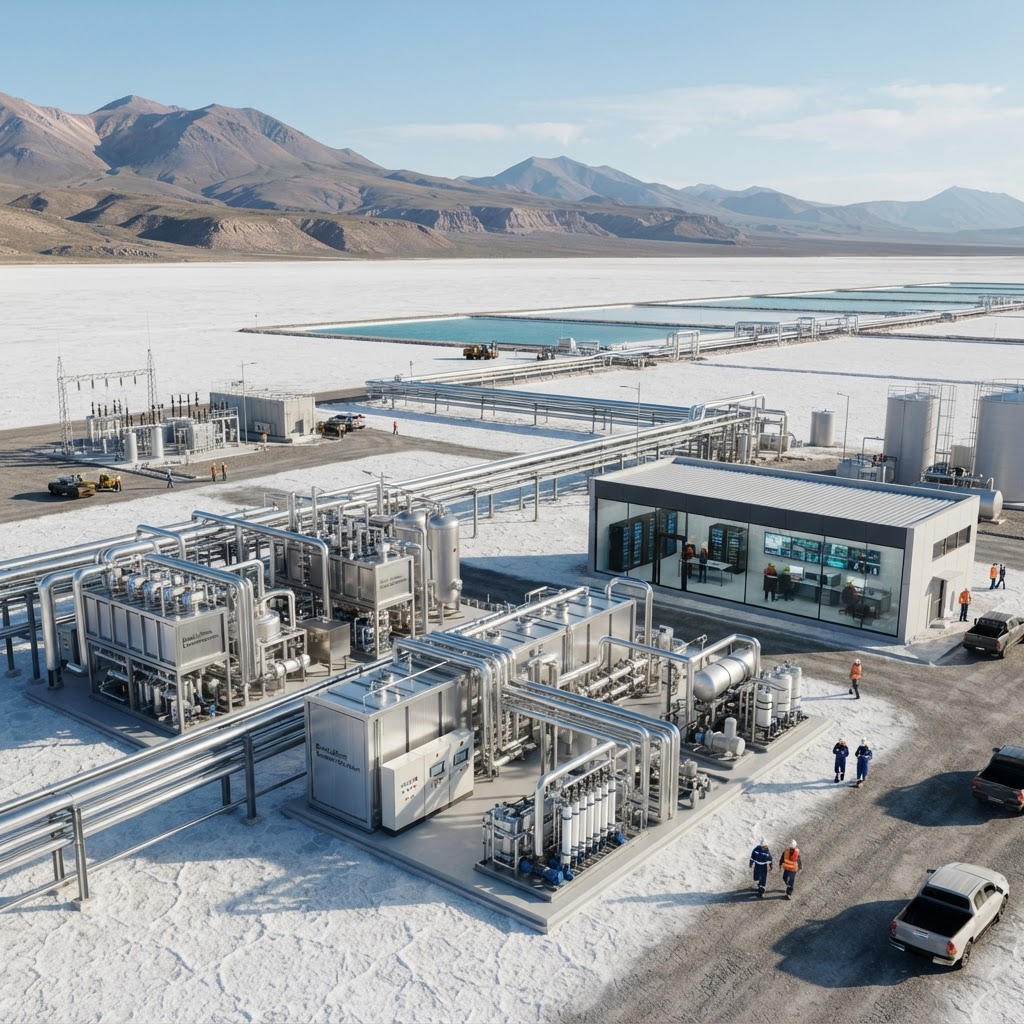
Rio Tinto has secured a significant $1.175 billion financing package from a consortium of international lenders to accelerate the development of its Rincon lithium project in Argentina’s Salta Province. This capital injection marks a critical milestone for the mining major as it pushes toward a total annual production capacity of 60,000 tonnes of battery-grade lithium carbonate. By integrating advanced direct lithium extraction (DLE) technology, Rio Tinto aims to optimize recovery rates while maintaining a smaller environmental footprint than traditional evaporation methods. The project, which includes a 3,000-tonne starter plant and a massive 57,000-tonne expansion, underscores the company’s aggressive strategy to capture long-term value in the global energy transition.
Key Findings
The $1.175 billion financing package serves as a cornerstone for the broader $2.5 billion investment earmarked for the Rincon site. Construction activities are already well underway, with site infrastructure and camp expansions progressing following the initial project approval. The facility is designed to leverage DLE, a process that allows for more consistent production of high-purity lithium chloride compared to conventional pond-based systems. This technological shift is expected to significantly improve water conservation and waste management, aligning with modern ESG mandates. With a projected 40-year mine life, the Rincon asset is positioned as a long-term, low-cost pillar of Rio Tinto’s battery materials portfolio. The expansion is specifically engineered to meet the surging demand for lithium-ion battery components, providing a reliable supply chain solution for global automotive and energy storage manufacturers. By diversifying its extraction methods—ranging from hard-rock mining to innovative brine processing—Rio Tinto is effectively mitigating operational risks while scaling its output to meet the multi-decade growth forecast for the electric vehicle sector.
Industry Response
The move has been met with optimism from industry analysts and company leadership, who view the financing as a validation of DLE’s commercial viability at scale. Jérôme Pécresse, Rio Tinto’s Chief Executive of Aluminium & Lithium, noted that the financing package broadens the company’s funding sources and reinforces the execution of its lithium growth pipeline. The industry has closely watched Rio Tinto’s collaboration with ILiAD Technologies, which provides specialized DLE pilot units to test and refine extraction efficiency. Barbara Fochtman, Managing Director of Rio Tinto Lithium, has previously highlighted these pilot programs as essential steps in de-risking the transition to full-scale commercial operations. Market observers suggest that by securing such substantial backing, Rio Tinto is signaling to the broader commodities sector that high-performance extraction technologies are no longer experimental but are now central to institutional-grade mining strategies. This sentiment is echoed by regional stakeholders in Argentina, who see the investment as a boost to the local economy and a testament to the region's strategic importance in the global lithium supply chain.
What's Next
With the financing secured, the immediate focus shifts to the construction of the 57,000-tonne expansion plant, which remains on track following the commencement of site works last year. The next major catalyst for the project will be the commissioning of the expanded processing facilities, which are expected to ramp up production in the coming years. Furthermore, Rio Tinto is expected to continue its integration of DLE across its broader South American assets, including potential synergies following the anticipated closure of the Arcadium acquisition in mid-2025. The company will also continue to monitor the performance of its pilot programs, such as those at the Sal de Vida project, to further refine recovery processes. Investors will be looking for updates on permitting milestones and the first full-scale production runs from the expanded Rincon facility. As the global energy transition accelerates, Rio Tinto’s ability to deliver consistent, high-purity lithium carbonate will be a key metric for its performance in the battery materials market, with the company likely to provide further guidance on production timelines and operational efficiencies in its upcoming quarterly reports.