The race to secure domestic lithium supply for the US energy transition reached a significant milestone this August as Captura and ElectraLith announced a strategic partnership to integrate their proprietary extraction and refining technologies. By combining Captura’s bipolar membrane electrodialysis (BMED) stacks with ElectraLith’s direct lithium extraction and refining (DLE-R) process, the companies are launching two commercial-scale pilot plants. This collaboration aims to address the growing demand for battery-grade lithium by deploying more efficient, lower-impact processing methods. As the electrification of transportation and grid infrastructure accelerates, this technological synergy represents a critical step toward scaling sustainable domestic production and reducing reliance on traditional, water-intensive evaporation methods.
Key Findings
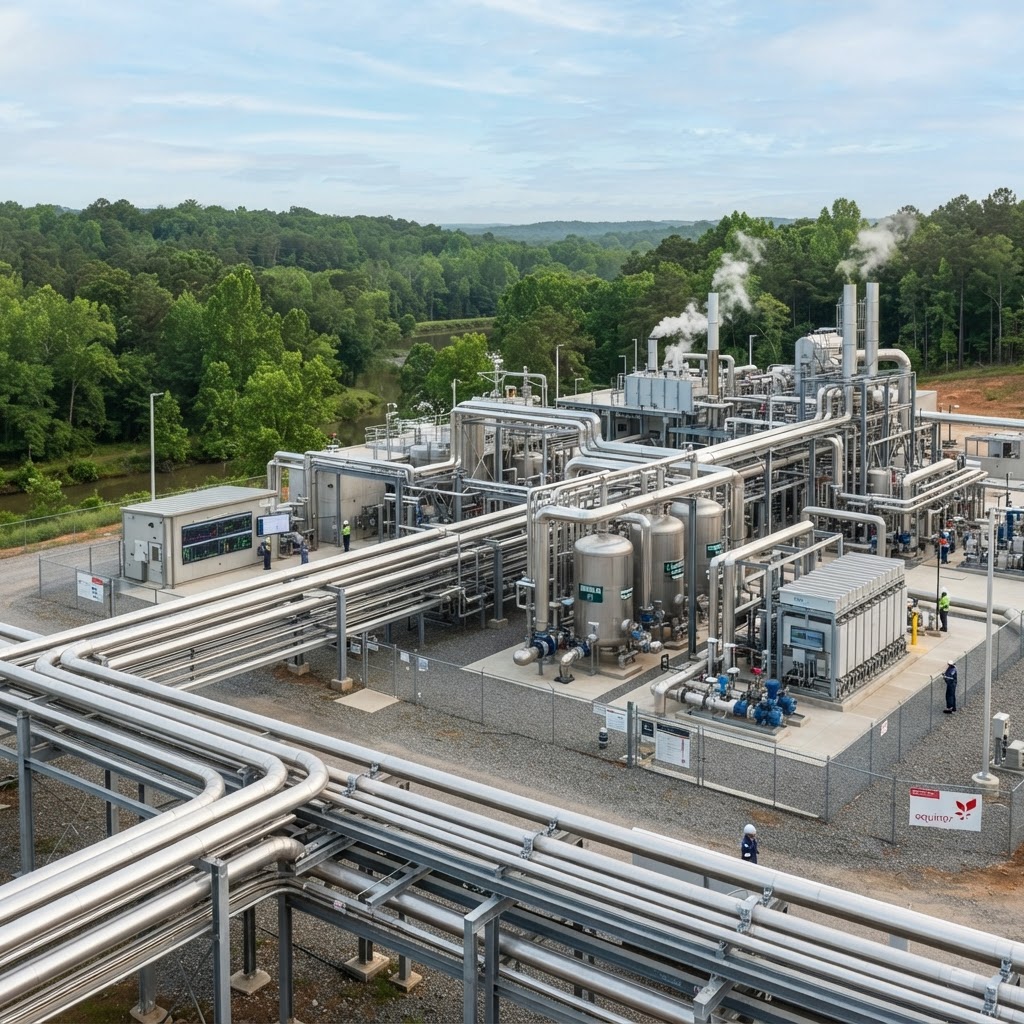
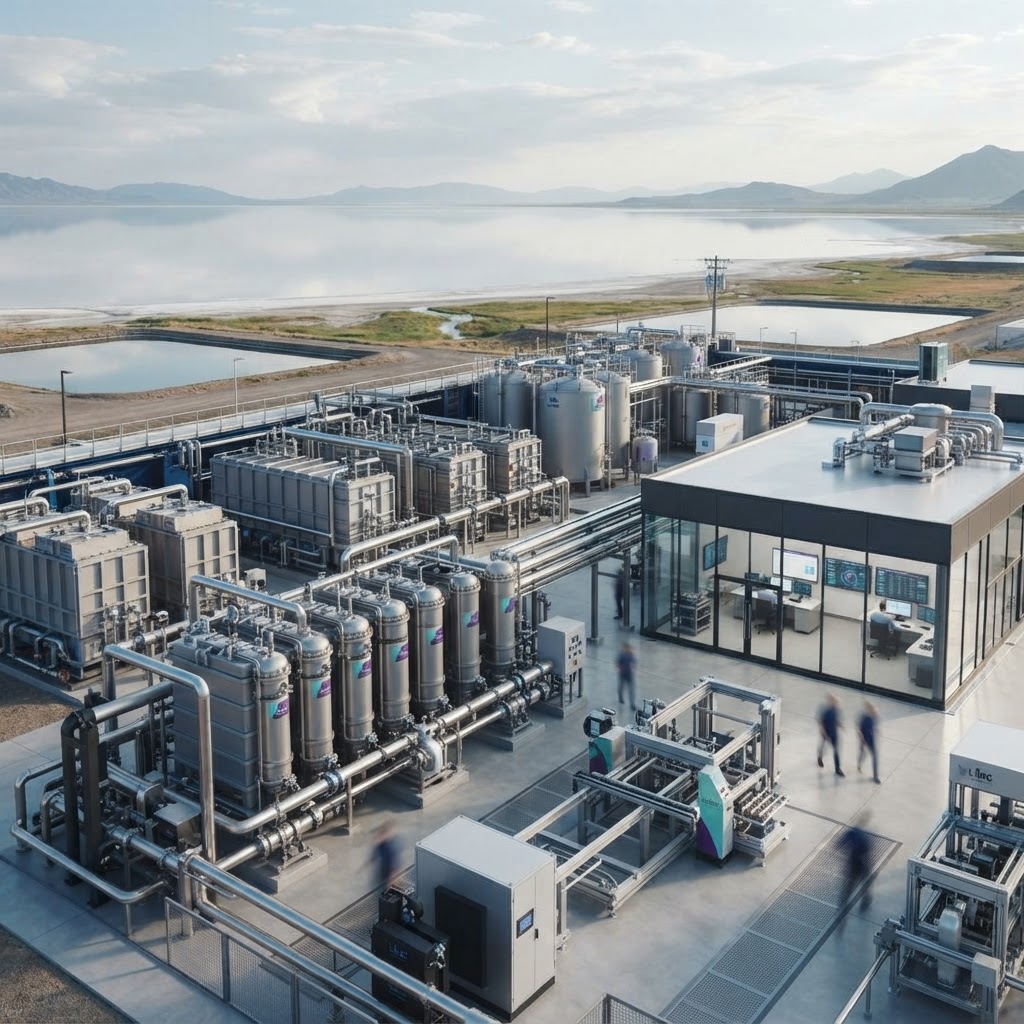
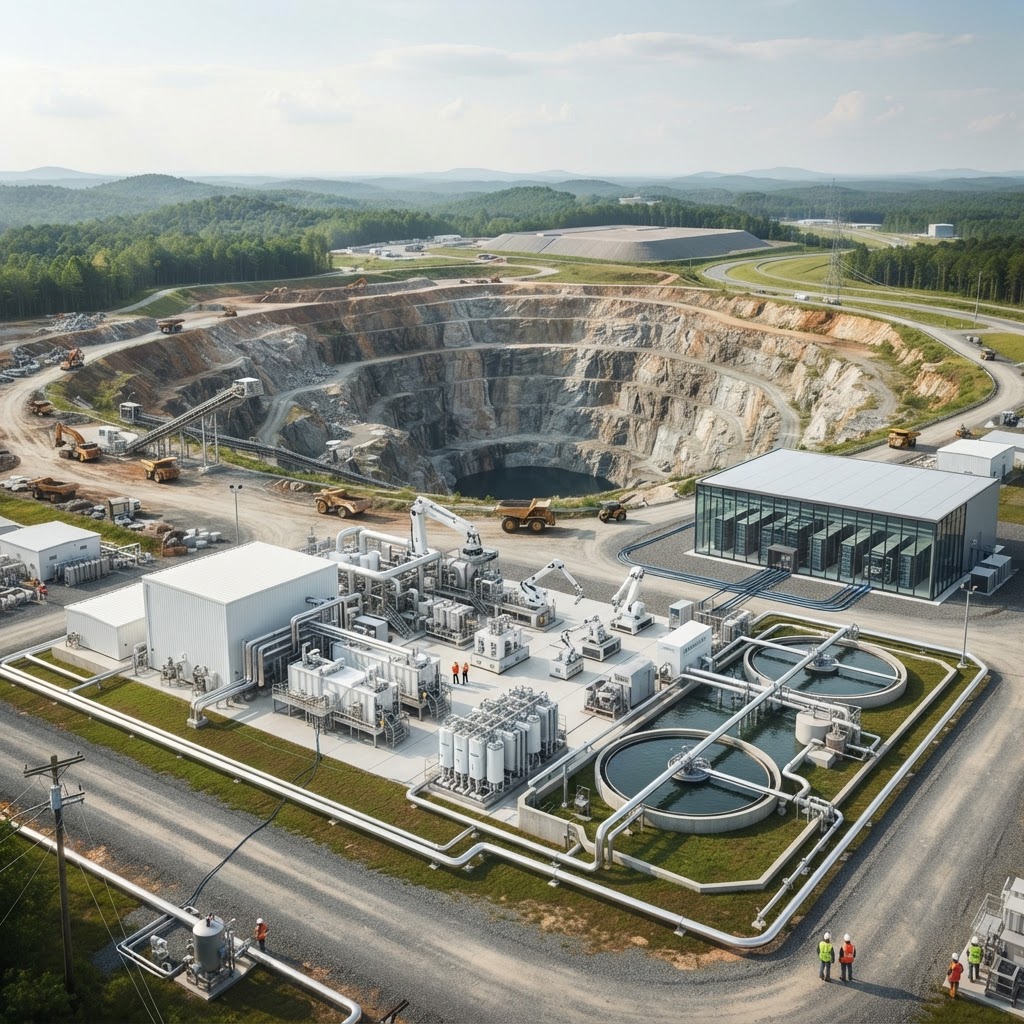
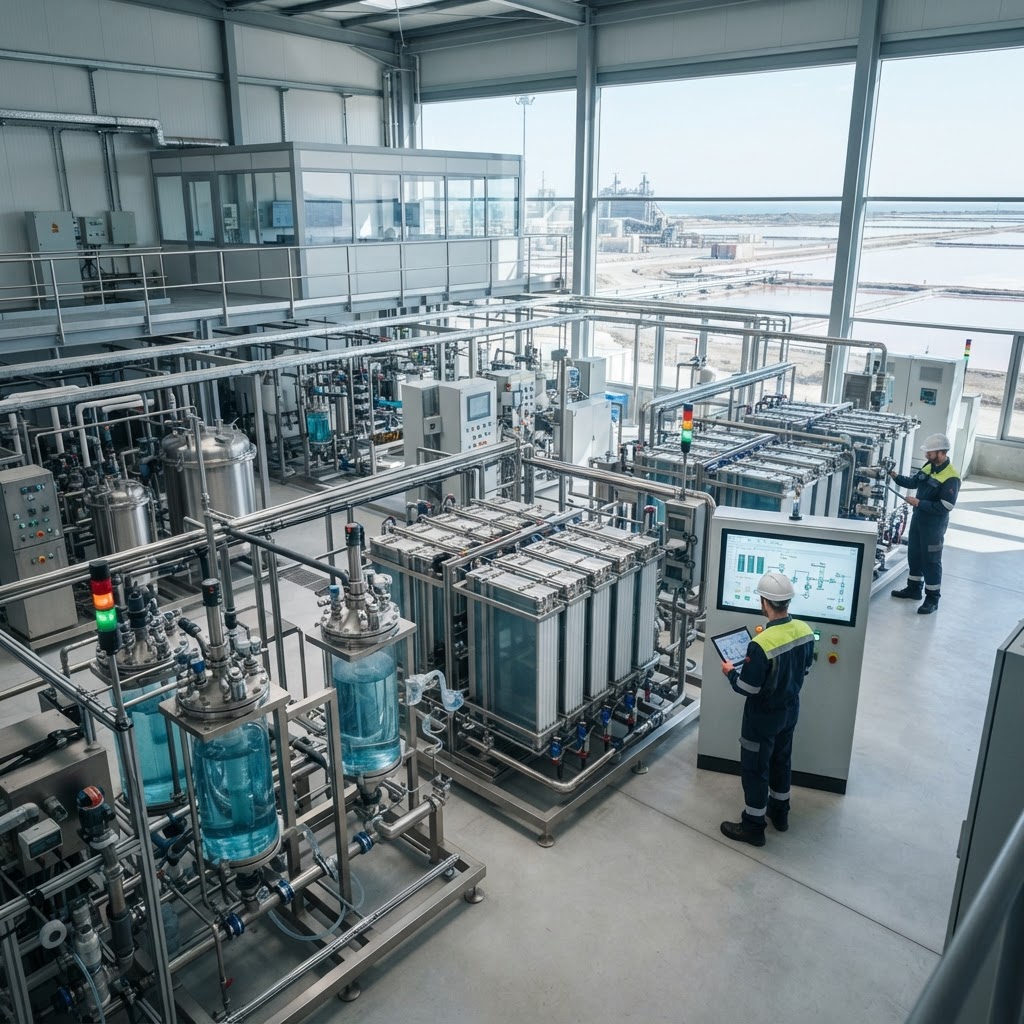
The integration of BMED and DLE-R technologies marks a shift toward modular, high-efficiency lithium processing. Captura’s electrochemical platform, which utilizes bipolar membrane electrodialysis, is designed to separate lithium from brine streams with minimal chemical input. When paired with ElectraLith’s DLE-R technology, the process creates a streamlined refining loop that significantly reduces the physical footprint and environmental impact compared to conventional brine ponds. The pilot plants, which received their initial BMED stacks in June 2026, are engineered to demonstrate the scalability of this combined approach. By optimizing the extraction and refining stages into a single, continuous operation, the companies aim to lower the capital and operational costs associated with producing battery-grade lithium. This development is particularly relevant for US-based projects seeking to meet stringent ESG standards while maintaining high output levels to satisfy the requirements of domestic battery manufacturers and automotive OEMs.
Industry Response
Industry leaders and project partners have expressed strong optimism regarding the potential for these next-generation technologies to reshape the lithium supply chain. Charlie McGill, CEO of ElectraLith, highlighted the partnership as a convergence of two industry pioneers dedicated to addressing the climate challenge through technological innovation. Analysts note that the move toward integrated, electrochemical solutions is a direct response to the industry's need for faster, cleaner production pathways. Trade groups and mining professionals have increasingly emphasized that the future of lithium extraction lies in such collaborative efforts, which prioritize water conservation and energy efficiency. By moving beyond traditional evaporation, these companies are positioning themselves to capture market share in a sector that is under pressure to deliver high-purity material while minimizing its environmental footprint. The industry views this pilot phase as a critical proof-of-concept that could validate the viability of electrochemical extraction for broader commercial adoption across North American brine assets.
What's Next
The immediate focus for Captura and ElectraLith is the successful commissioning and operational testing of the two pilot plants. Following the integration of the BMED stacks, the companies will collect performance data to refine the DLE-R process and assess the purity of the lithium produced under varying brine conditions. Successful results from these pilots are expected to serve as a catalyst for future offtake agreements and potential project financing for larger-scale commercial facilities. Industry observers will be monitoring the throughput rates and water recovery metrics, which are essential for proving the economic and environmental superiority of the integrated system. Looking ahead, the companies are expected to leverage these findings to engage with major lithium developers and battery manufacturers, potentially setting a new standard for sustainable extraction. Further milestones will include the publication of performance reports and the potential expansion of the technology to additional brine resources across the United States, supporting the broader goal of building a resilient and sustainable domestic lithium supply chain.