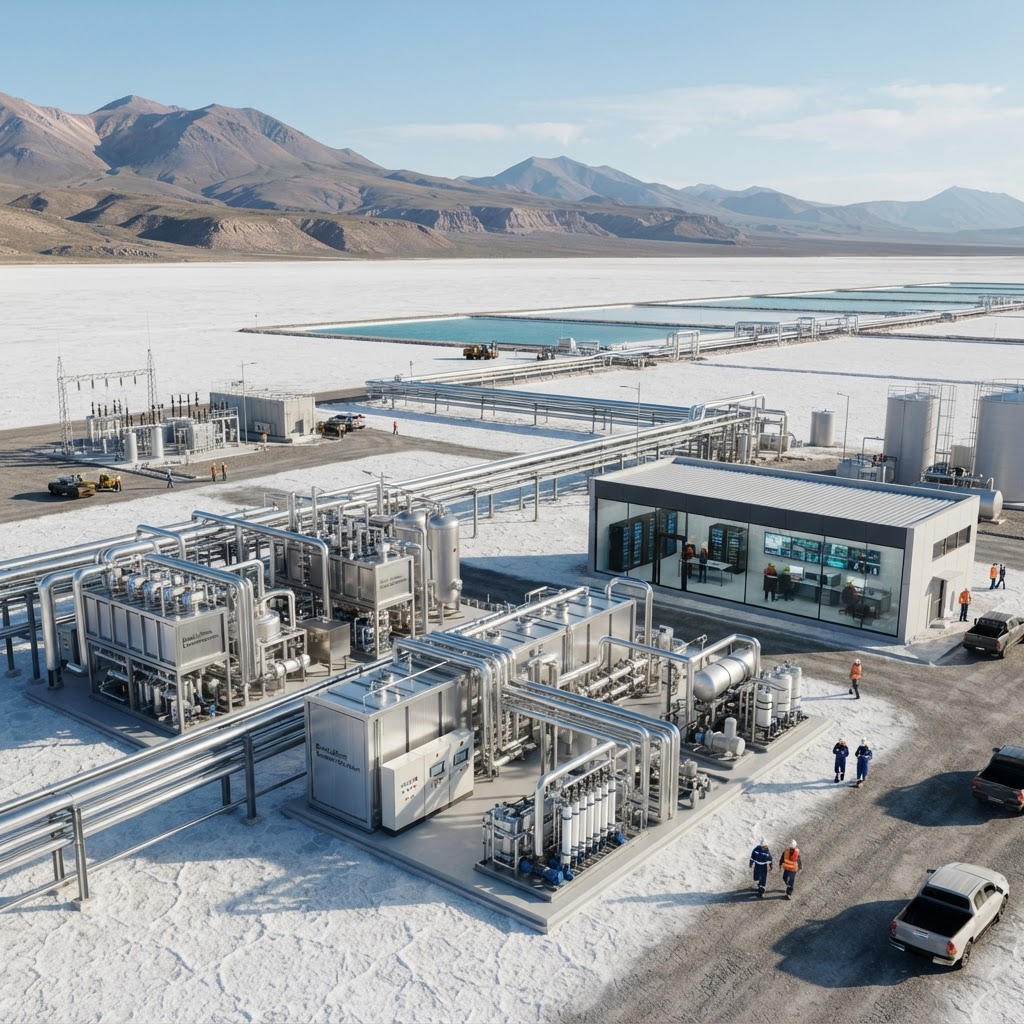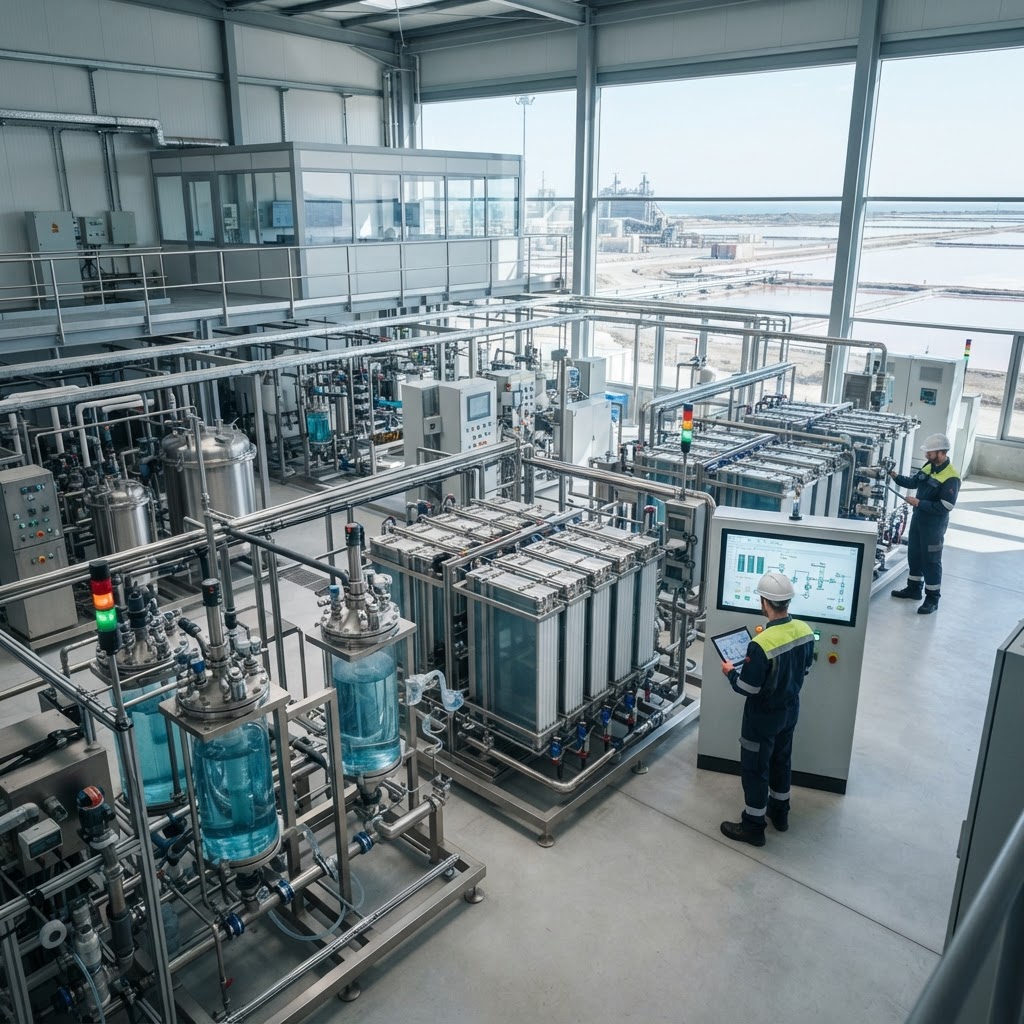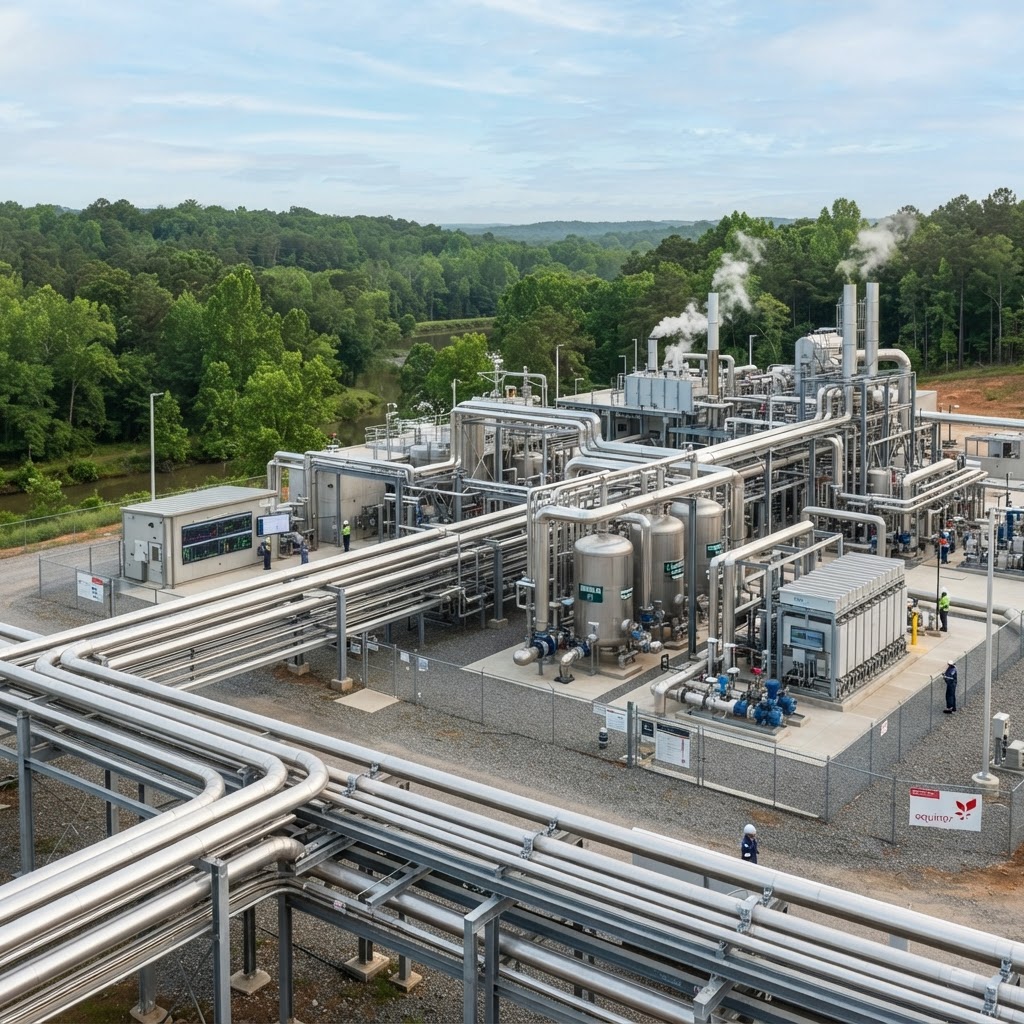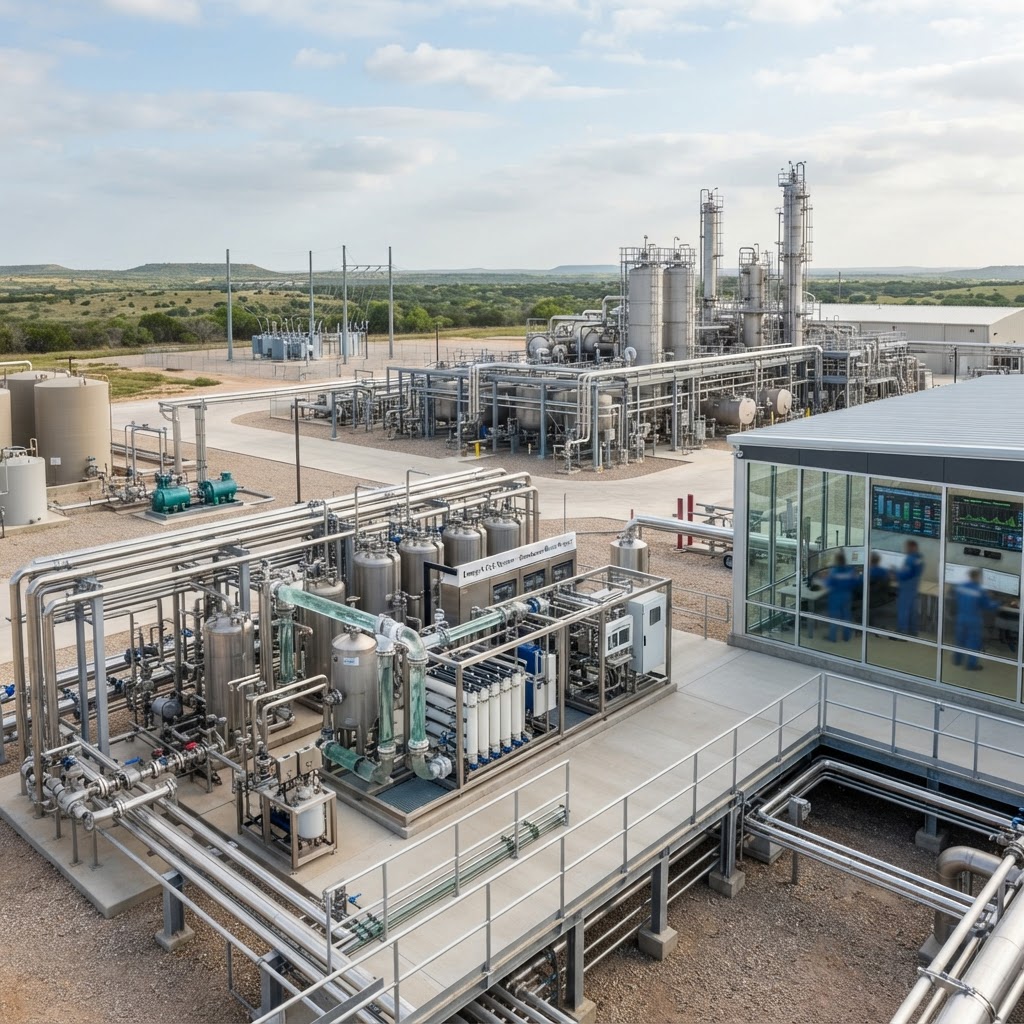
Energy Exploration Technologies (EnergyX) has officially commissioned its Project Lonestar demonstration facility in Hooks, Texas, marking a pivotal advancement for the U.S. domestic lithium supply chain. The plant, which utilizes the company’s proprietary GET-Lit direct lithium extraction (DLE) technology, is now operational and processing local Smackover brine. With a target production capacity of approximately 250 metric tons per year of battery-grade lithium carbonate equivalent, the facility serves as a critical validation of EnergyX’s industrial-scale extraction efficiency. This milestone represents a significant step toward reducing reliance on foreign lithium conversion and establishing a resilient, American-made battery materials ecosystem for the rapidly expanding electric vehicle and energy storage sectors.
Key Findings
The commissioning of Project Lonestar provides essential data on the performance of EnergyX’s GET-Lit platform under real-world conditions. By utilizing selective membranes and adsorption technologies, the facility demonstrates a high-recovery process that significantly outperforms traditional evaporation ponds in both speed and environmental footprint. The plant is designed to produce 250 metric tons of battery-grade lithium annually, providing a scalable blueprint for future commercial deployments. Furthermore, the project validates the economic viability of processing Smackover brine, a resource previously considered difficult to exploit efficiently. This operational success confirms that EnergyX can achieve high-purity lithium output while minimizing fresh-water usage, a key metric for ESG-conscious investors. The facility also enables the company to provide 5-25 ton samples to potential customers for qualification, a necessary step for integrating domestic lithium into the global battery supply chain. By proving the technology at this scale, EnergyX has established a technical foundation for its planned 100,000-ton commercial-scale operations across its global resource portfolio, positioning the company as a competitive, low-cost producer in the North American market.
Industry Response
The industry has responded with significant capital and strategic support, reflecting confidence in EnergyX’s technological trajectory. Most recently, Eni Next led a $225 million Series C funding round in July 2026, underscoring the growing interest from major energy players in DLE solutions. Previous strategic backing from General Motors and POSCO Holdings further highlights the importance of EnergyX’s technology in securing vertical integration for battery manufacturers. Industry analysts note that the ability to process brine from diverse locations—ranging from the Lithium Triangle in Chile to the U.S. Gulf Coast—gives EnergyX a distinct competitive advantage. Elohim Partners has previously characterized EnergyX as a top-tier player in the DLE space, citing the company’s robust intellectual property portfolio as a key driver for its market potential. Policymakers have also signaled support, with the U.S. Department of Energy providing a $5 million grant to support the development of the Smackover formation projects. These endorsements collectively validate the company’s mission to disrupt the lithium supply chain by bridging the gap between raw brine extraction and battery-ready material production.
What's Next
With the Lonestar demonstration plant now operational, EnergyX is shifting its focus toward optimizing system design and scaling production to meet commercial targets. The company is currently advancing its broader project pipeline, including the 30,000-ton-per-year Powder Hound project in partnership with Compass Minerals at the Great Salt Lake. Additionally, EnergyX is progressing with its flagship Black Giant project in Chile, which holds an estimated 9.8 million tonnes of lithium carbonate equivalent in situ. The company aims to leverage the data gathered from the Texas facility to refine its commercial-scale deployment strategy, targeting a 100,000-ton-per-year capacity across its global assets by 2030. Future milestones include the continued qualification of battery-grade samples for automotive and energy storage partners, as well as the potential expansion of its joint venture manufacturing capabilities, such as the planned LFP cathode facility in Texas. As the global demand for lithium continues to outpace supply, EnergyX’s ability to execute on these large-scale infrastructure projects will be the primary catalyst for its continued growth and its role in the global energy transition.