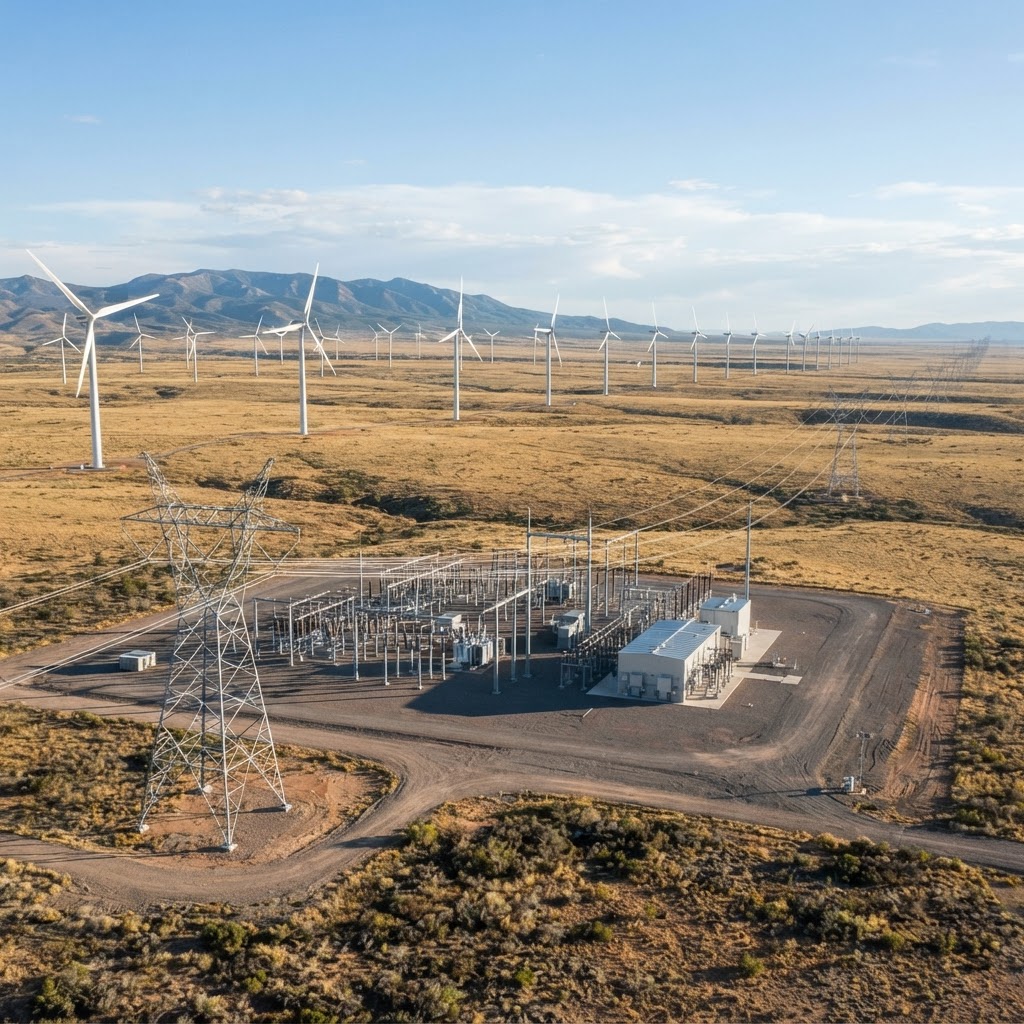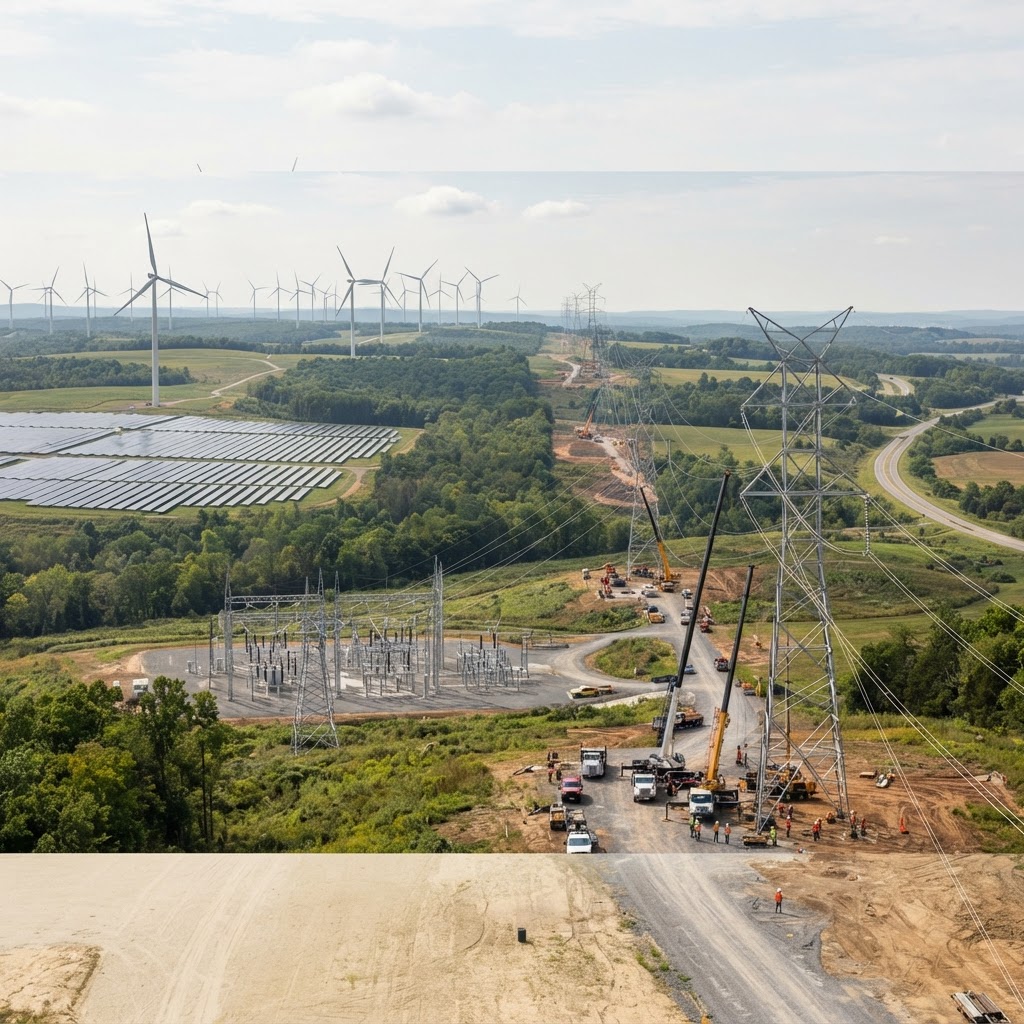
NextEra Energy Transmission and Exelon have been selected by PJM Interconnection to spearhead a critical 220-mile, 765-kilovolt high-voltage transmission project. This infrastructure initiative, integrated into the 2025 Regional Transmission Expansion Plan, aims to fortify the power grid across Pennsylvania and West Virginia. By connecting key substations, the project is designed to enhance system reliability and support the region's growing energy demands. This collaboration underscores a strategic push by major utilities to modernize aging infrastructure, ensuring that the grid can accommodate shifting load profiles while maintaining affordable, consistent power delivery for millions of residential and commercial customers across the mid-Atlantic corridor.
Key Findings
The project represents a significant capital deployment aimed at addressing long-standing bottlenecks in regional electricity delivery. By utilizing 765-kV technology, the line will drastically increase the capacity for bulk power transfer, which is essential for maintaining grid stability as the energy mix evolves. Industry data indicates that utility spending on distribution and transmission infrastructure has seen a sustained upward trajectory, rising by over 160% in the last two decades. This specific expansion is expected to serve as a backbone for regional economic growth, providing the necessary electrical headroom for industrial expansion and the integration of new generation assets. Furthermore, the project aligns with broader federal objectives to streamline interregional transmission, a move supported by recent regulatory reforms aimed at accelerating the permitting and construction of high-voltage lines to ensure long-term energy security.
Industry Response
The partnership has received strong backing from leadership, with NextEra Energy Chairman and CEO John Ketchum emphasizing the company's commitment to American energy dominance. Ketchum noted that the collaboration with Exelon is pivotal in delivering a more resilient grid that improves access to low-cost energy for families and businesses. Analysts view this joint venture as a pragmatic approach to the massive infrastructure spending cycle required to meet rising demand, particularly from data centers and industrial electrification. By pooling resources and expertise, the companies are positioning themselves to navigate the complex regulatory landscape of the PJM market. Industry observers suggest that such collaborative models are becoming the standard for large-scale transmission projects, as they allow utilities to share the financial burden and technical risks associated with multi-state infrastructure developments while ensuring project completion timelines remain on track.
What's Next
The immediate focus for the project partners is the finalization of engineering designs and the commencement of the multi-year permitting process. Following the PJM recommendation, the companies will work closely with state and federal regulators to secure the necessary land-use approvals and environmental clearances. This project is part of a broader, multi-billion dollar infrastructure spending cycle that NextEra and other major utilities are executing through 2032. Investors are closely watching the project’s progress as a bellwether for the company’s ability to execute on its long-term growth outlook, which projects 8% annual growth through 2035. Future milestones will include the procurement of high-voltage equipment and the formalization of construction contracts, which are expected to provide further clarity on the project’s total capital expenditure and operational timeline as the grid modernization effort gains momentum.