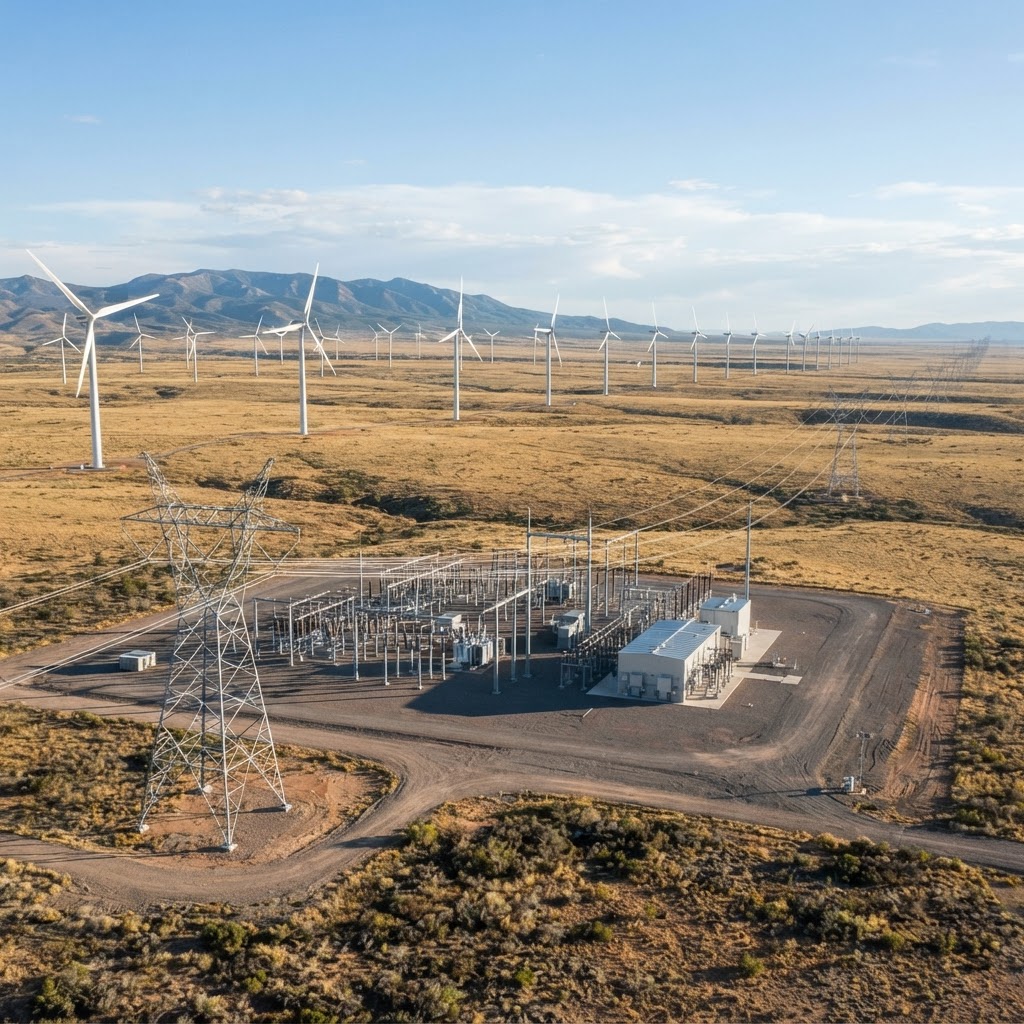
The American Southwest’s energy landscape has officially entered a new era of connectivity and scale. Pattern Energy has confirmed that the SunZia project—a massive, $11 billion integrated wind and transmission complex—is now fully operational. Spanning 550 miles of high-voltage direct current (HVDC) infrastructure, the project links central New Mexico’s wind-rich plains to the power-hungry markets of Arizona and the broader Western grid. By successfully commissioning this 3,000-megawatt artery, Pattern Energy has delivered one of the largest clean energy infrastructure initiatives in U.S. history, providing a critical solution to regional grid congestion and meeting the surging electricity demand of millions of American households.
Key Findings
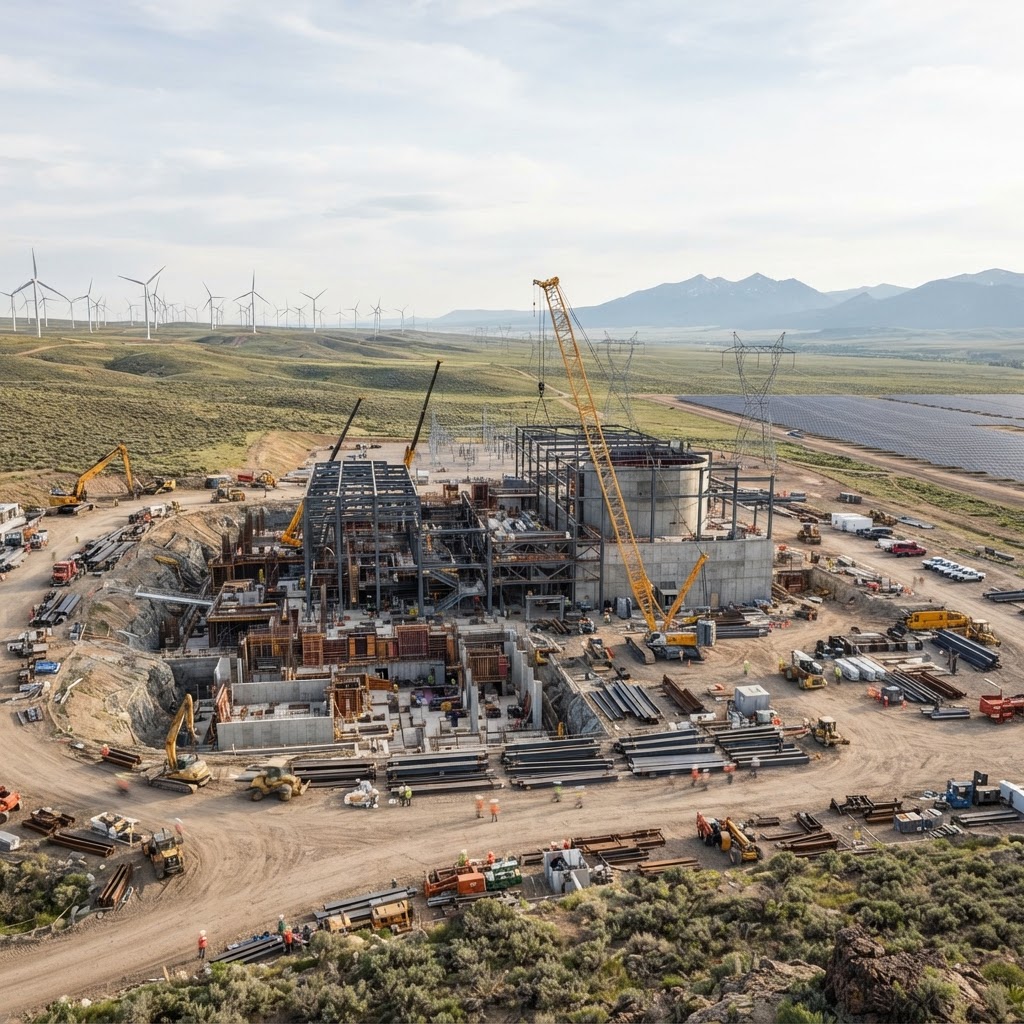
The SunZia project represents a landmark achievement in grid modernization, utilizing Hitachi Energy’s advanced HVDC Light technology to move power efficiently across state lines. The infrastructure consists of a 550-mile, ±525 kV transmission line capable of transporting 3,000 MW of electricity, effectively unlocking the potential of the 3,515 MW SunZia Wind facility in New Mexico. This wind farm is now recognized as the largest of its kind in the Western Hemisphere. The project’s financial structure was equally historic, involving an $11 billion non-recourse financing package that included innovative tax equity term loans from major financial institutions like Banco Santander and Bank of America. By bridging the gap between remote renewable generation and urban load centers, the project serves as a blueprint for future long-haul transmission development, demonstrating that large-scale, multi-state energy corridors are viable despite complex permitting and logistical hurdles.
Industry Response
The inauguration of SunZia has been met with widespread industry acclaim, viewed as a vital proof-of-concept for the U.S. energy transition. Hitachi Energy, which provided the core HVDC technology, highlighted the project’s role in easing grid congestion and bolstering reliability during periods of peak demand. Analysts note that the successful commissioning of such a massive project—following a nearly two-decade development cycle—signals a turning point for developers navigating the U.S. regulatory environment. Industry trade groups have pointed to SunZia as a primary example of how private capital, when paired with robust transmission policy, can overcome historical bottlenecks. The project is widely regarded by energy professionals as a necessary step toward decarbonizing the Western Interconnection, proving that the technical and financial capacity exists to execute multi-gigawatt infrastructure projects that provide long-term, stable power to the grid.
What's Next
With the SunZia line now energized and delivering power, the focus shifts to optimizing the integration of this massive renewable influx into the Western grid. The immediate priority for grid operators is the seamless dispatch of the 3,000 MW capacity to ensure grid stability and maximize the utilization of the wind resource. Looking ahead, the success of SunZia serves as a critical catalyst for the next wave of transmission projects currently in the planning stages across the U.S. Developers and policymakers are expected to use the SunZia model to streamline permitting and financing for similar long-distance corridors. Furthermore, the project’s operational data will be closely monitored by the Department of Energy and regional transmission organizations to refine future grid expansion strategies. As the U.S. continues to electrify, the SunZia project stands as the new benchmark for the scale and complexity required to modernize the national power grid.