Eos Energy Enterprises has officially closed a $303.5 million loan guarantee from the U.S. Department of Energy’s Loan Programs Office, marking a significant milestone for the domestic long-duration energy storage sector. This financing, the first Title 17 battery loan closed under the current administration, will accelerate the company’s Project American Made Zinc Energy (AMAZE). By scaling production at its Pennsylvania facilities, Eos aims to meet the surging demand for grid-scale storage solutions. This capital injection underscores a strategic shift toward bolstering U.S. manufacturing capacity for non-lithium battery technologies, providing a critical pathway for grid resilience as renewable energy integration continues to reshape the national electricity landscape.
Key Findings
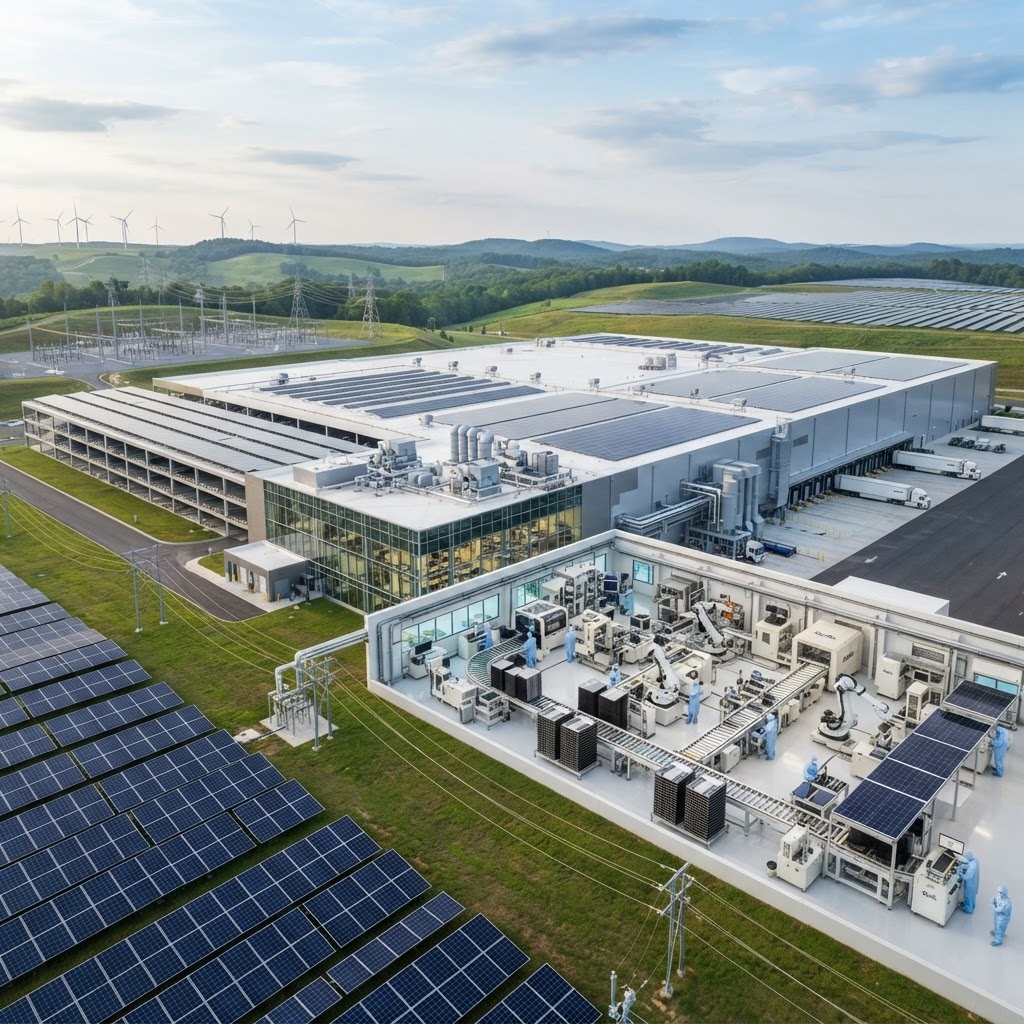
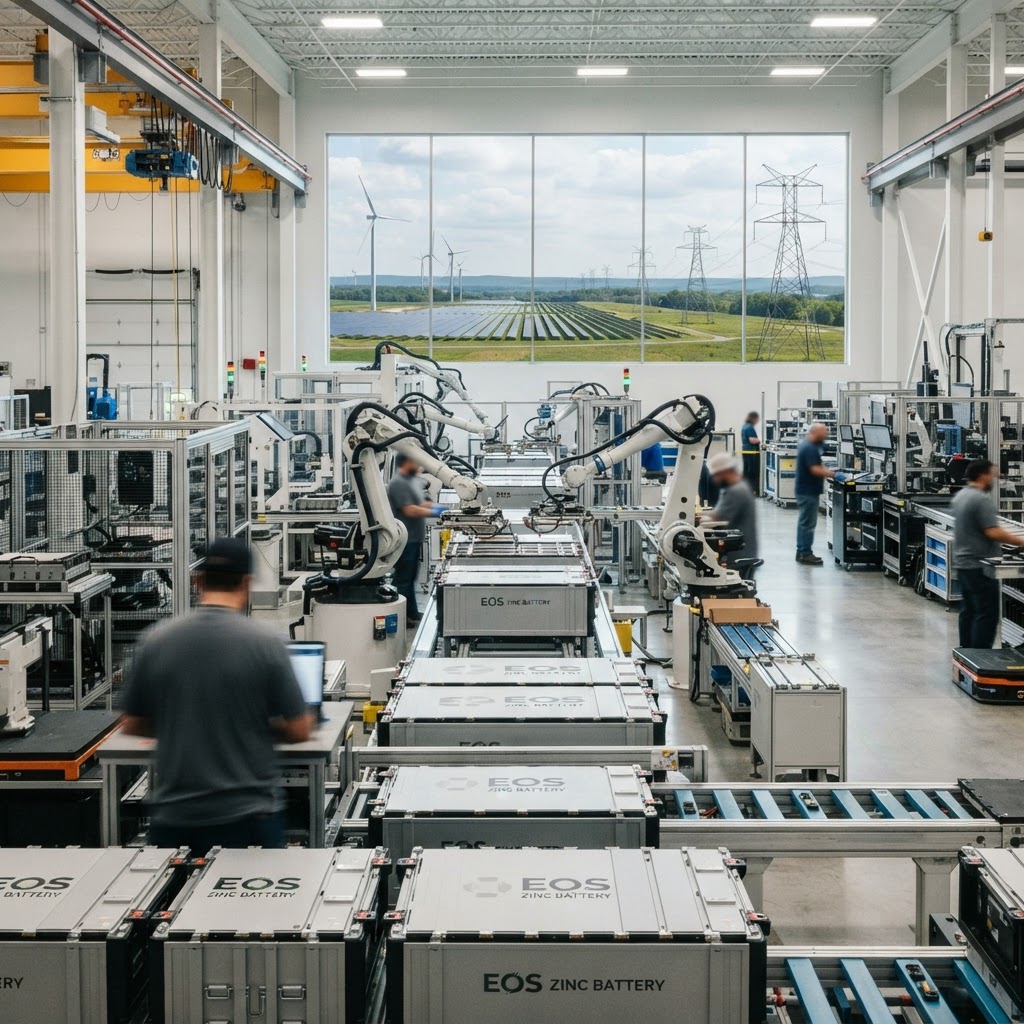
The $303.5 million loan package, which includes $277.5 million in principal and $26 million in capitalized interest, is specifically earmarked for the construction of state-of-the-art manufacturing lines in Turtle Creek, Pennsylvania. These facilities are designed to produce the company’s next-generation 'Eos Z3' zinc-bromine battery energy storage systems. The project is projected to reach an annual production capacity of 8 gigawatt-hours (GWh) by 2027. This scale of output is significant, as it is estimated to provide enough electricity to power over 300,000 average U.S. homes instantaneously. By focusing on zinc-based chemistry, Eos provides a sustainable, scalable alternative to traditional lithium-ion batteries, addressing the urgent need for long-duration storage that can discharge energy over extended periods to stabilize a renewables-heavy grid. The expansion is also expected to create up to 1,000 high-quality union jobs in the region, aligning with broader federal objectives to revitalize American industrial manufacturing while simultaneously advancing the nation’s decarbonization goals.
Industry Response
The closing of the loan has been met with strong support from industry stakeholders and federal officials who view the investment as a validation of the long-duration energy storage (LDES) market. The Department of Energy has emphasized that LDES is essential for achieving a net-zero economy by 2050, with recent reports suggesting the U.S. grid may require between 225 and 460 gigawatts of such capacity to maintain reliability. Analysts note that the DOE’s involvement de-risks the technology for private investors, signaling a maturing market for zinc-based flow batteries. Eos leadership has framed the funding as the culmination of a strategic five-year effort to bring manufacturing operations back to the United States. By securing this government backing, the company is positioned to transition from pilot-scale operations to full-scale commercial deployment, effectively bridging the gap between innovative clean energy research and the practical, large-scale requirements of modern utility providers and industrial energy consumers.
What's Next
With the financing secured, the immediate focus for Eos Energy shifts to the rapid deployment of the new manufacturing lines in Turtle Creek. The company is also navigating the necessary environmental assessments and regulatory approvals required to potentially expand operations to additional lines in Duquesne, Pennsylvania. These milestones are critical for hitting the 8 GWh annual production target by 2027. Beyond the factory floor, the industry will be watching how Eos integrates its Z3 systems into utility-scale projects, as the company seeks to capture a larger share of the growing LDES market. The success of Project AMAZE will serve as a bellwether for other non-lithium storage providers looking to leverage federal loan guarantees to scale their operations. As the U.S. grid continues to integrate higher percentages of intermittent wind and solar power, the ability of Eos to deliver reliable, long-duration storage will be a key factor in determining the pace of grid modernization and the overall stability of the national energy transition.