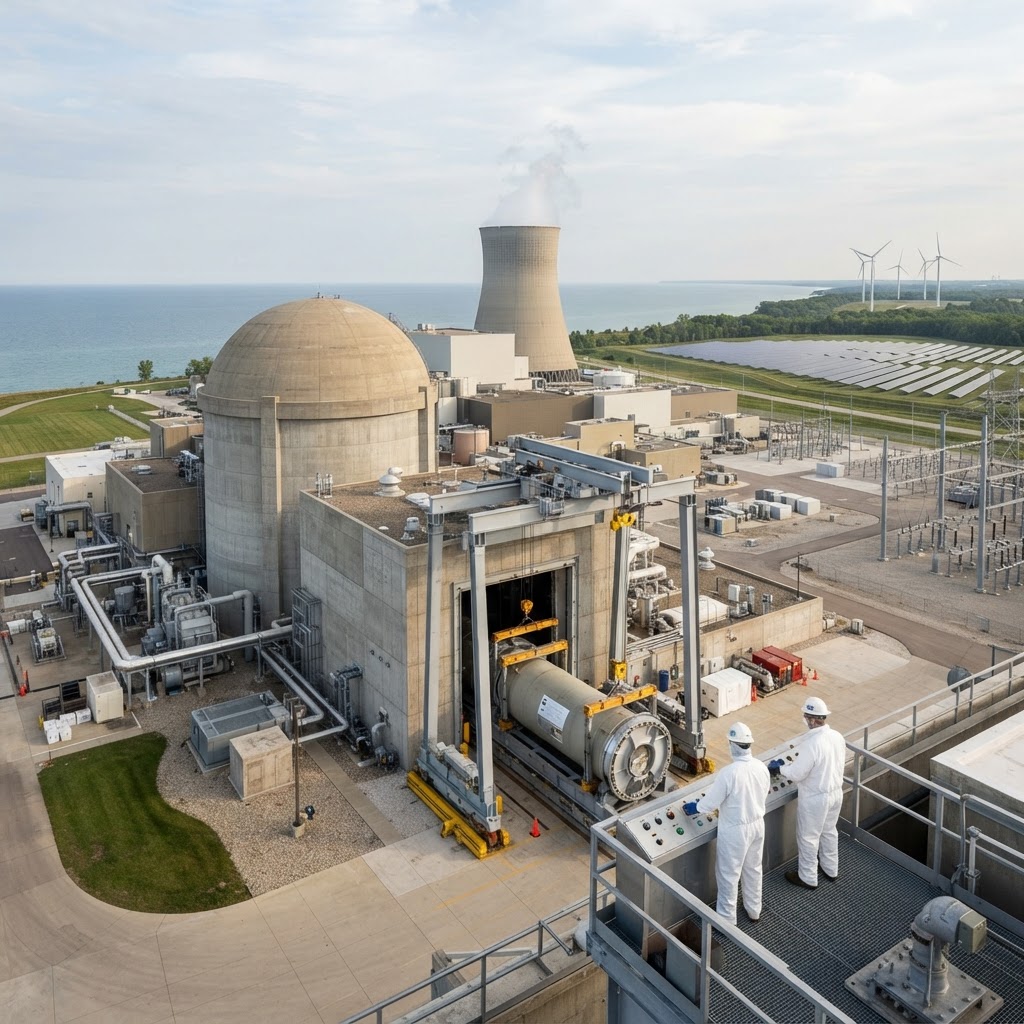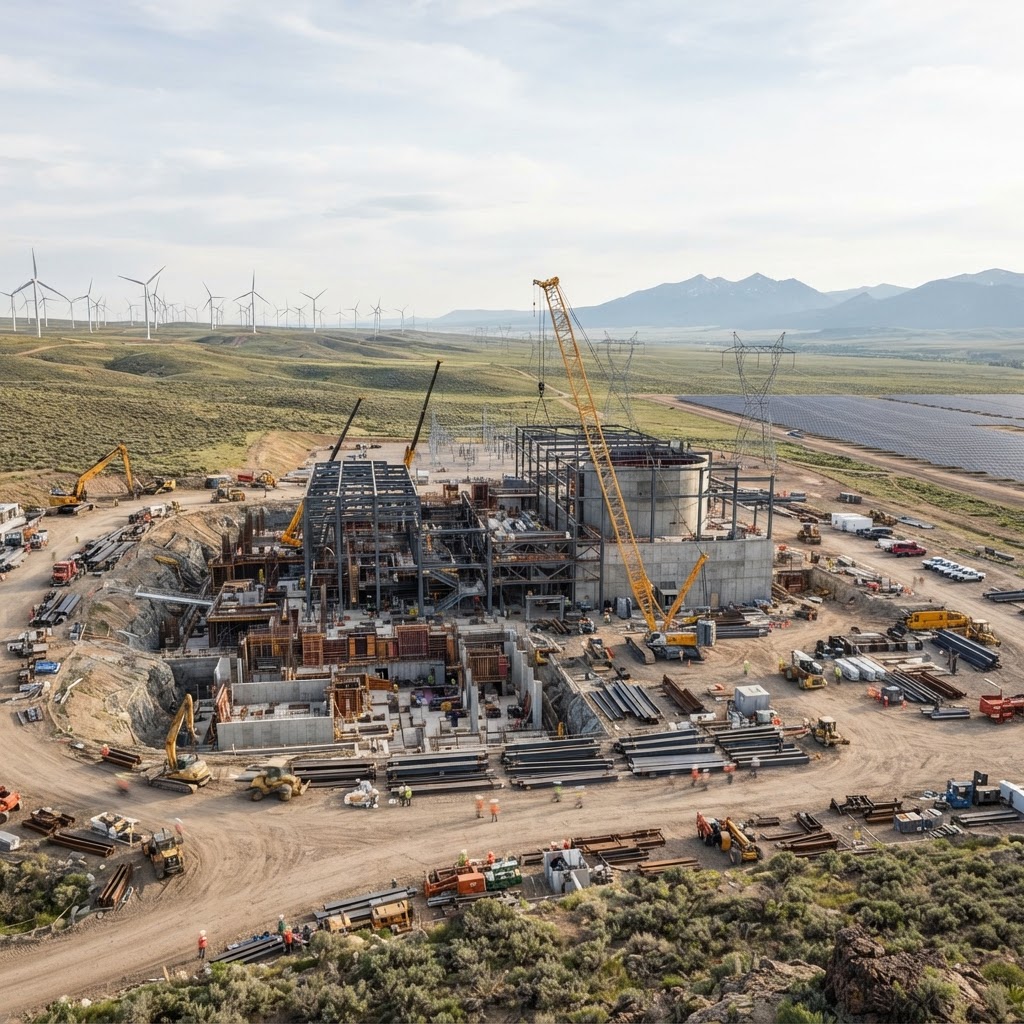
TerraPower has officially commenced full-scale construction on its flagship Natrium reactor in Kemmerer, Wyoming, marking a pivotal moment for the American nuclear industry. Following the receipt of a landmark construction permit from the U.S. Nuclear Regulatory Commission in March 2026, the company transitioned from site preparation to active building of the 345-megawatt facility. This project represents the first utility-scale advanced reactor build in the United States, serving as a critical demonstration of next-generation nuclear technology. By integrating a sodium-cooled fast reactor with an innovative energy storage system, TerraPower aims to provide reliable, dispatchable baseload power, effectively bridging the gap between retiring coal infrastructure and a decarbonized grid.
Key Findings
The Natrium project, estimated at $4 billion, is a cornerstone of the U.S. Department of Energy’s Advanced Reactor Demonstration Program. The facility is designed to produce 345 MWe of power, with an integrated molten salt energy storage system capable of boosting output to 500 MWe for over five hours when grid demand peaks. This flexibility is essential for balancing intermittent renewable sources like wind and solar. Beyond the reactor design, TerraPower is aggressively securing its supply chain, recently executing a term sheet with ASP Isotopes to develop a High-Assay Low-Enriched Uranium (HALEU) enrichment facility in South Africa. This strategic move ensures a stable fuel supply for the Natrium fleet, mitigating risks associated with global fuel scarcity. The project is currently on track for completion by 2030, providing a scalable blueprint for future deployments across the country and international markets.
Industry Response
The commencement of construction has drawn significant praise from state and federal leaders who view the project as a catalyst for regional economic revitalization. Wyoming Governor Mark Gordon emphasized that the project reflects the state’s commitment to reliable energy and high-quality job creation, noting that Wyoming is once again leading the nation in energy innovation. Industry analysts highlight the NRC’s permit issuance as a regulatory breakthrough, signaling a more efficient pathway for non-light-water reactor designs. TerraPower President and CEO Chris Levesque stated that the company is not merely building a first-of-a-kind plant, but establishing a commercial foundation to mobilize a fleet of Natrium reactors. Trade groups, including the American Nuclear Society, have lauded the progress as a testament to the viability of public-private partnerships in overcoming the capital-intensive hurdles typically associated with first-of-a-kind nuclear energy infrastructure.
What's Next
With the construction permit secured and site work underway, the immediate focus shifts to the complex engineering and procurement phases required to meet the 2030 operational target. TerraPower will continue to coordinate with the NRC throughout the build, as the company must eventually submit a separate operating license application to authorize the plant’s activation. Investors and stakeholders are closely monitoring the development of the HALEU supply chain, which remains a critical dependency for the project’s long-term success. Furthermore, the industry is watching for potential replication of the Natrium model, as the DOE continues to evaluate other advanced reactor applications, such as the X-energy Xe-100 project in Texas. The successful commissioning of the Kemmerer site will likely serve as the primary catalyst for private capital to flow into subsequent advanced nuclear projects, potentially accelerating the broader transition toward a resilient, carbon-free electricity grid.