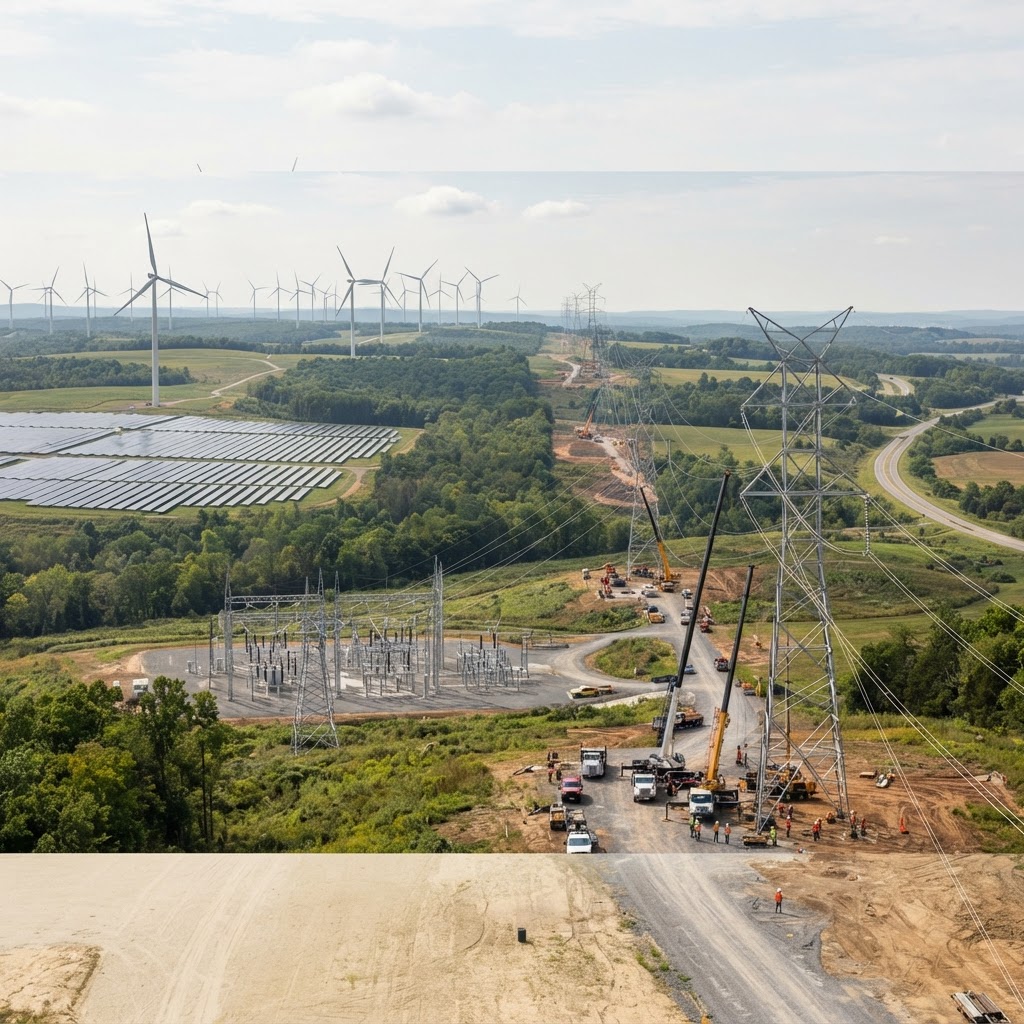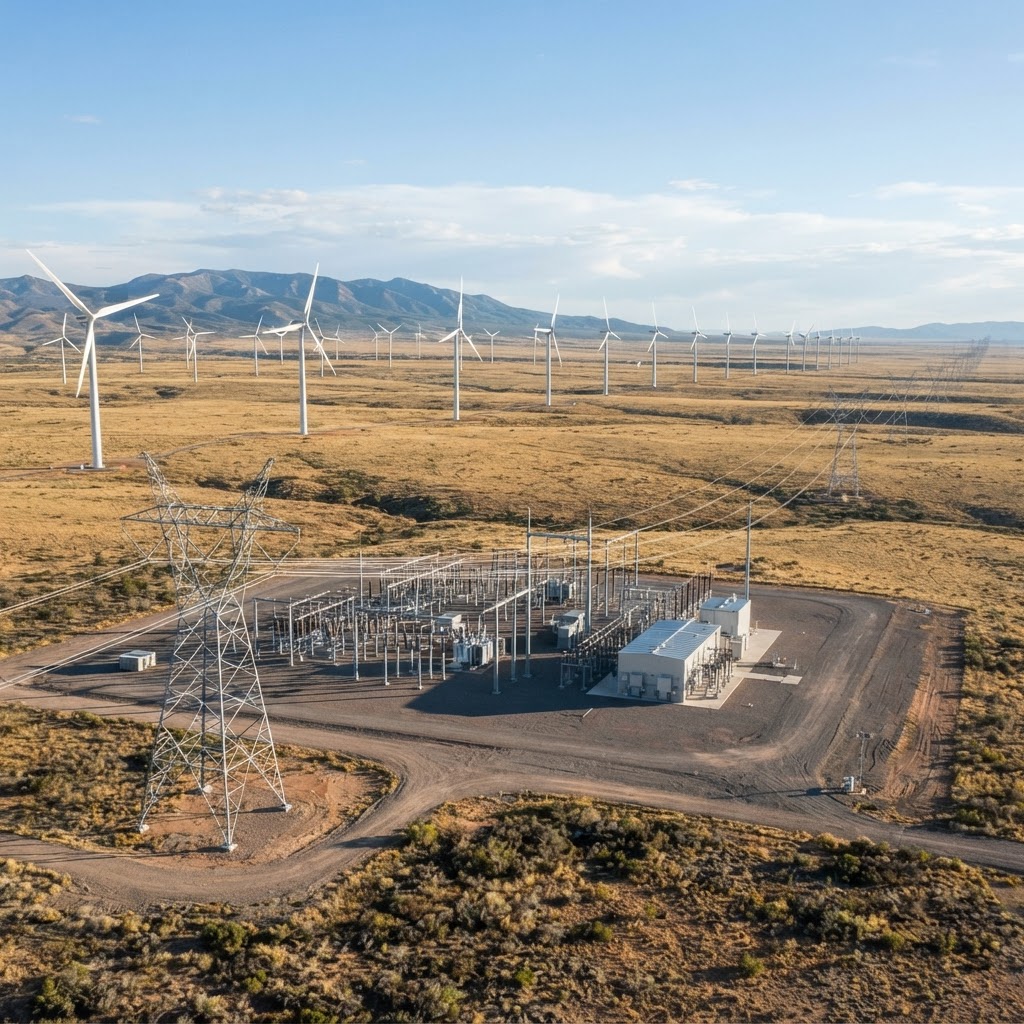
Form Energy, the Somerville-based developer of long-duration iron-air battery systems, has secured $750 million in Series G financing, pushing its total equity raised past the $2 billion mark. Led by T. Rowe Price, the capital injection arrives as the company aggressively scales its 'Form Factory 1' in Weirton, West Virginia. With a commercial backlog now exceeding 80 gigawatt-hours, the firm is positioning its 100-hour storage technology as a cornerstone for grid reliability. This latest funding round underscores growing investor confidence in multi-day storage solutions, which are increasingly viewed as essential for balancing intermittent renewable generation and supporting the massive power requirements of the modern AI-driven economy.
Key Findings
Scaling Domestic Manufacturing
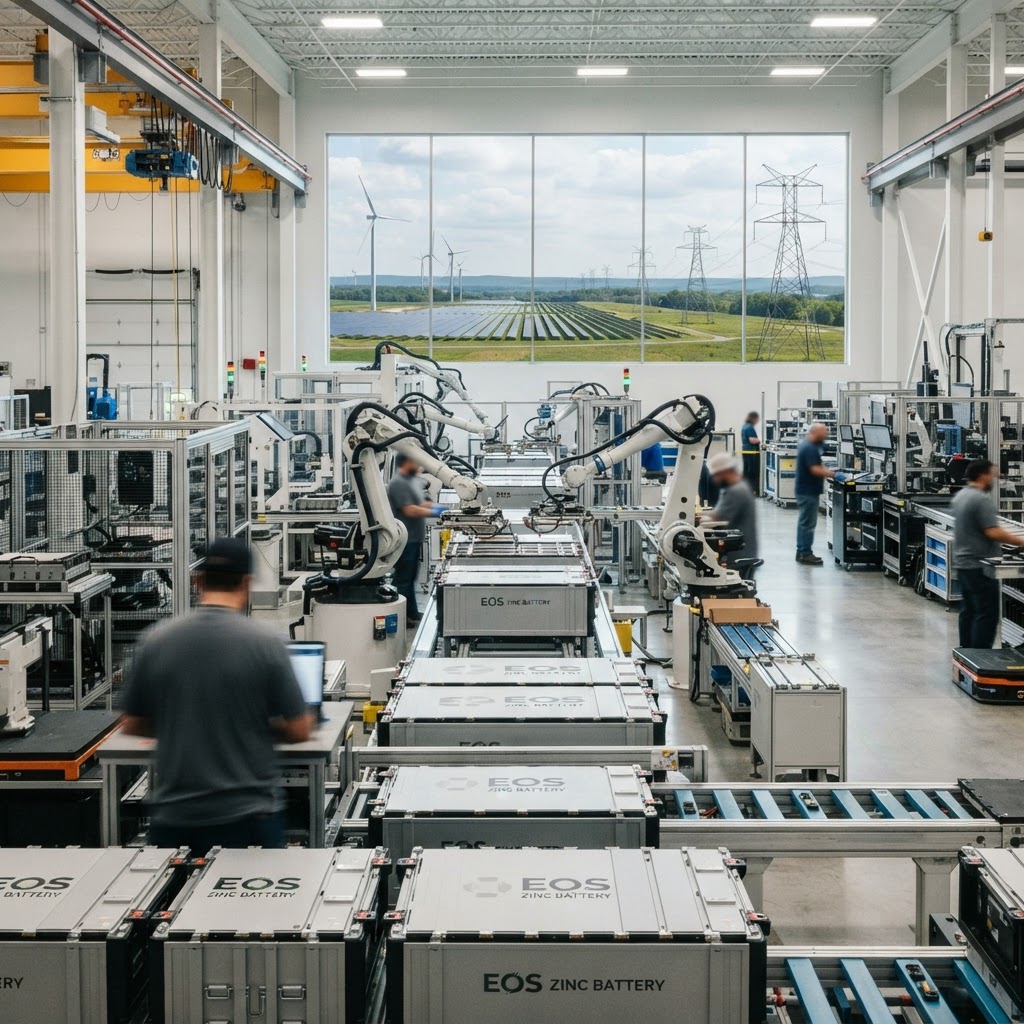
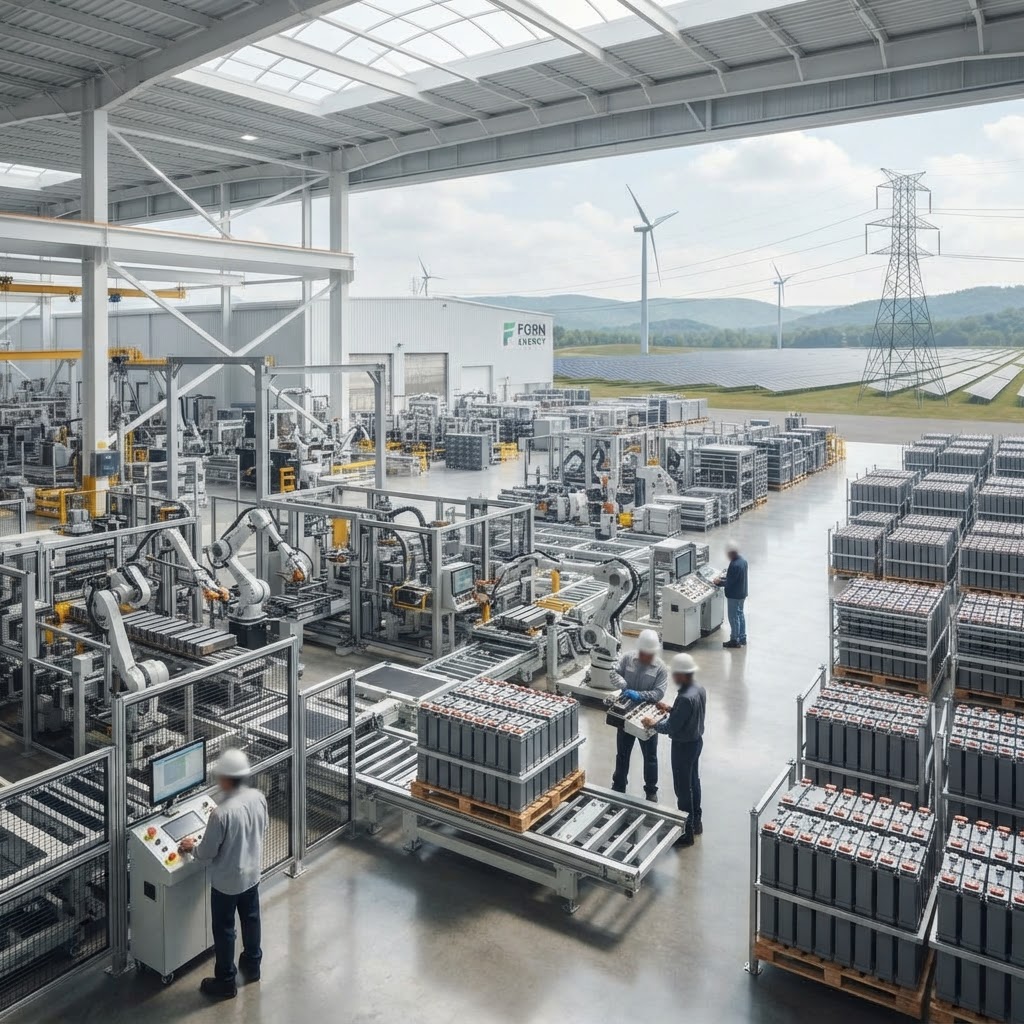
The Series G proceeds are earmarked for the rapid expansion of Form Factory 1, the company’s flagship manufacturing hub in West Virginia. The facility is central to the firm's strategy to achieve an annual production capacity of up to 20 gigawatt-hours by 2027. This industrial ramp-up is supported by a $150 million award from the U.S. Department of Energy, highlighting the strategic importance of domestic battery supply chains.
Surging Commercial Momentum
Form Energy has seen its contracted portfolio triple over the past year, reaching 80 gigawatt-hours. Key partnerships include major utility players like Xcel Energy and technology giants such as Google, alongside a strategic supply agreement with Crusoe for 12 gigawatt-hours to support AI data center infrastructure. These contracts validate the market demand for storage that can bridge multi-day gaps in renewable supply, a critical requirement for grid operators facing extreme weather and shifting load profiles.
Industry Response
Investor and Market Confidence
The Series G round attracted a high-profile syndicate of new investors, including Sequoia Capital, Janus Henderson, Franklin Templeton, and PEAK6 Investments. The continued participation of existing backers—such as Breakthrough Energy Ventures, TPG Rise Climate, and GE Vernova—signals strong institutional belief in the company’s technical roadmap. Joseph Fath, Portfolio Manager at T. Rowe Price, has previously noted that Form Energy’s solutions are critical to ensuring a reliable and affordable energy transition, positioning the company at the forefront of decarbonization efforts in the power and industrial sectors.
Global Expansion
Beyond the U.S. market, the industry is closely watching the company’s first international deployment in Ireland. In partnership with FuturEnergy Ireland, the 10-megawatt, 1,000-megawatt-hour project is viewed as a bellwether for European adoption. Irish officials have lauded the project as a vital tool for meeting 2030 climate targets, noting that long-duration storage can reduce renewable curtailment and lower energy generation costs by more than 25% annually, providing a blueprint for other markets seeking to strengthen energy independence.
What's Next
Operational Milestones
With the new capital, Form Energy is focused on executing its production ramp-up in Weirton. The company has recently bolstered its executive leadership, appointing Navneet Govil as CFO and Wes Sloan as COO to oversee the transition from pilot-scale demonstrations to full-scale commercial manufacturing. The immediate priority is the successful commissioning of the Cambridge Energy Storage Project in Minnesota, which serves as a critical commercial demonstration site for the company’s iron-air technology.
Future Deployment Pathways
Looking ahead, the company is preparing for the deployment of its largest-ever project: a 300-megawatt, 30-gigawatt-hour system for Xcel Energy, designed to power a new Google data center. This project represents a significant milestone in proving the viability of iron-air batteries at a utility-scale level. As the company continues to refine its manufacturing processes and optimize its supply chain, the industry expects further announcements regarding project commissioning and potential expansion into additional international markets. The focus remains on proving that low-cost, multi-day storage can effectively replace traditional fossil-fuel peaking plants while providing the grid stability required for a high-renewables future.