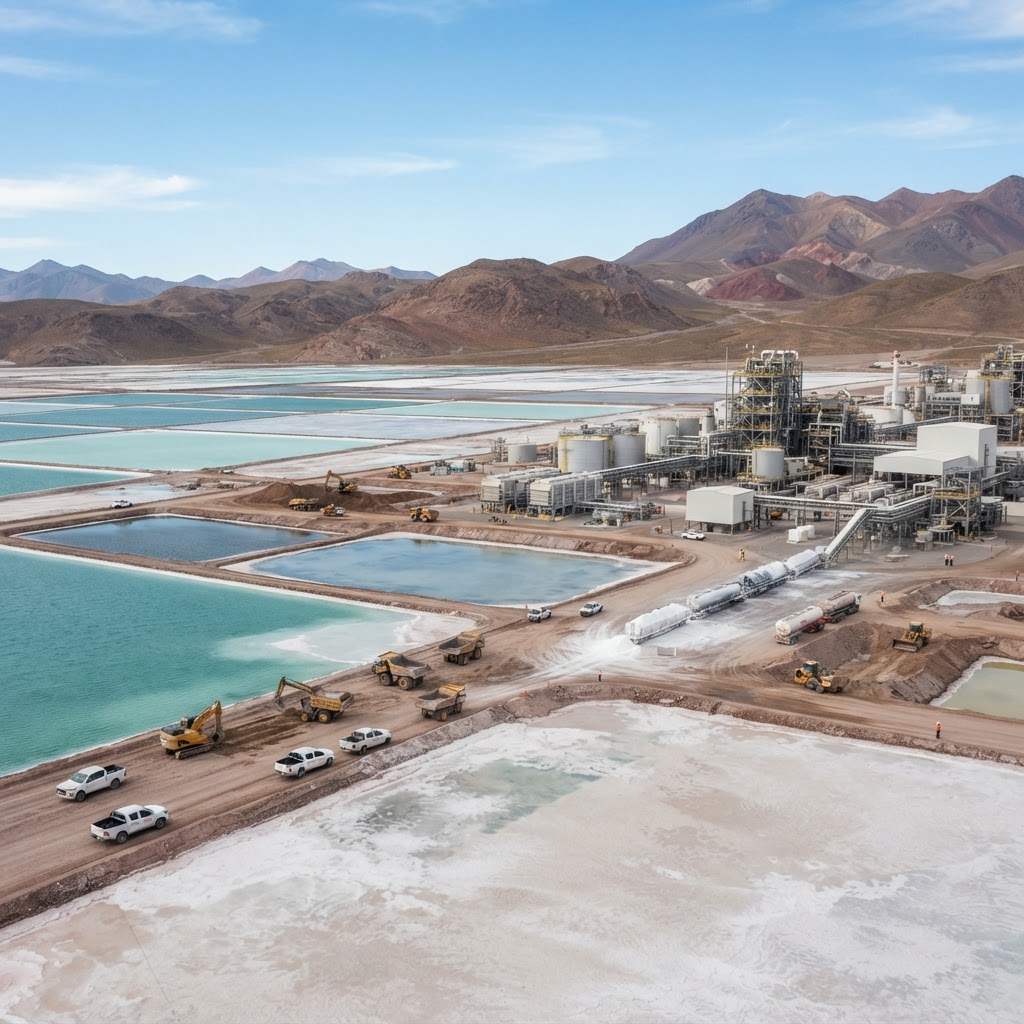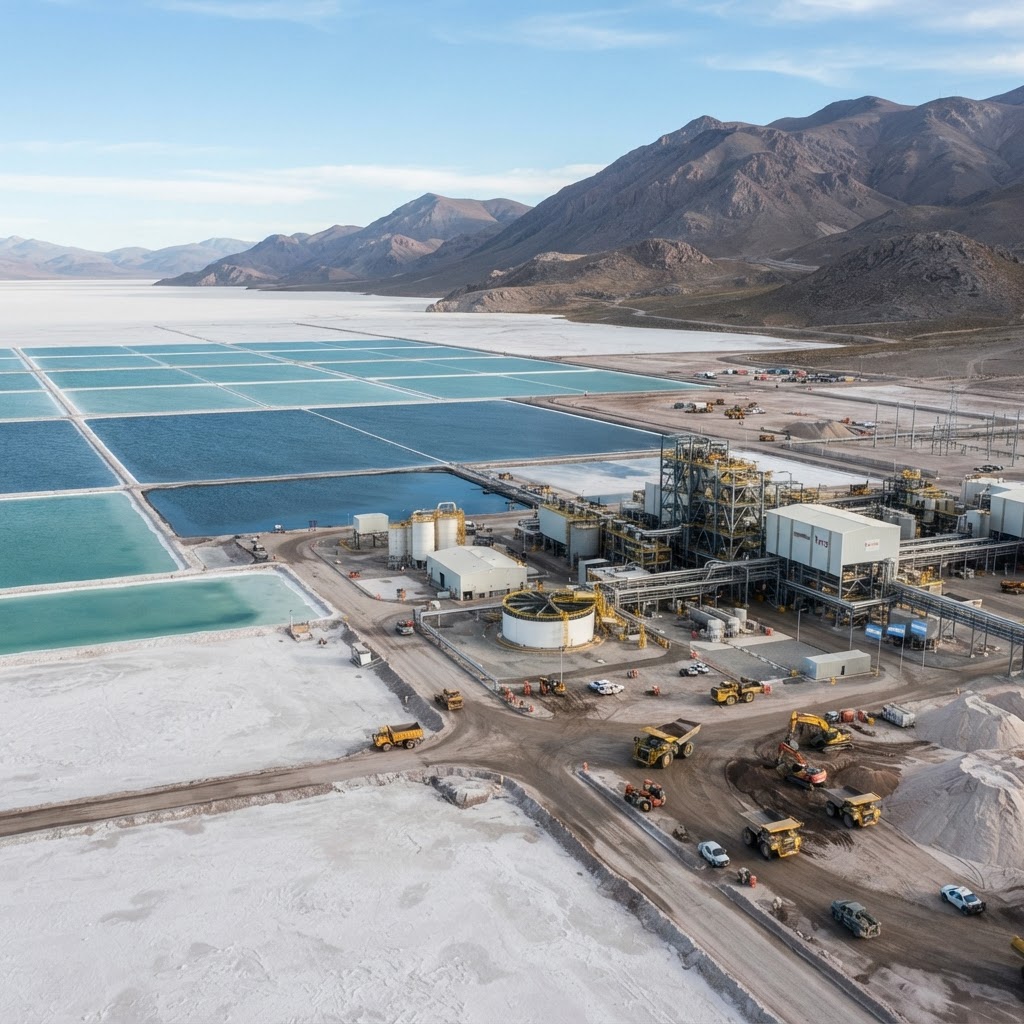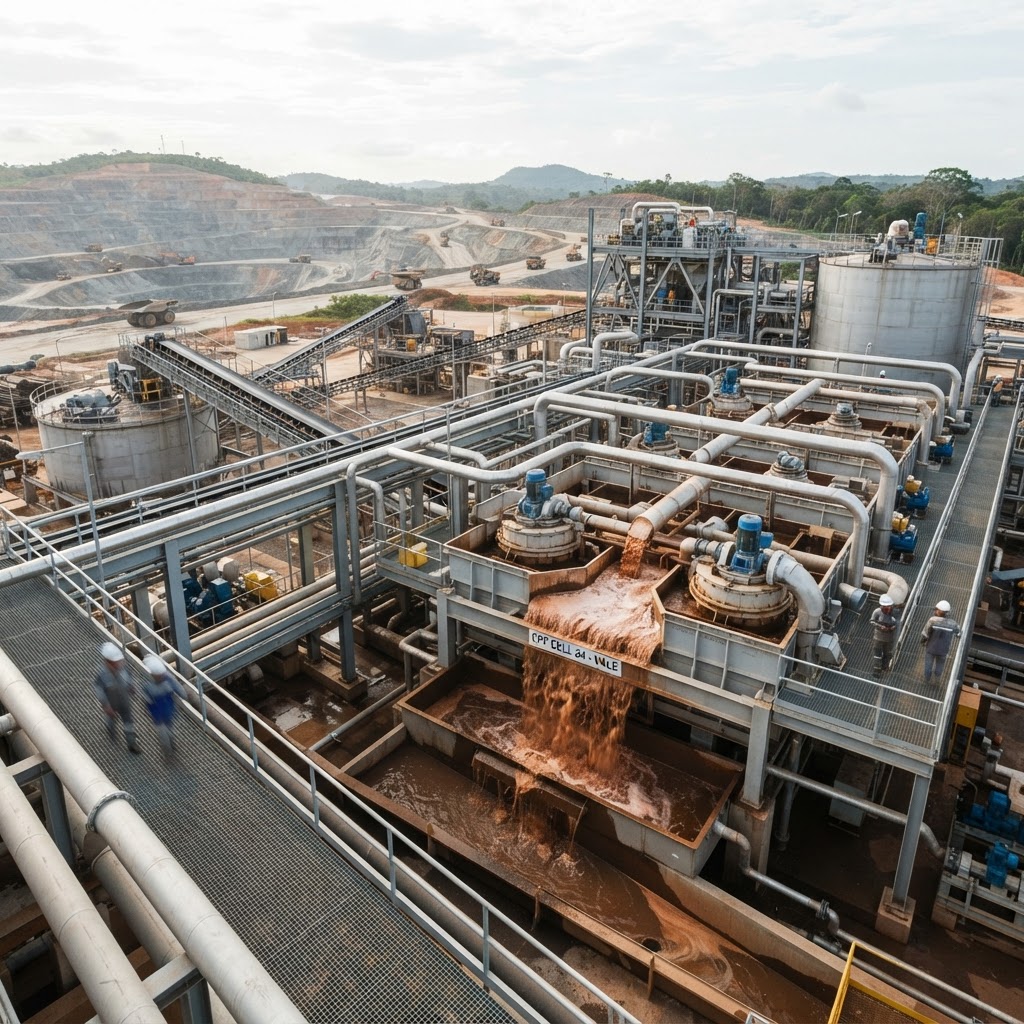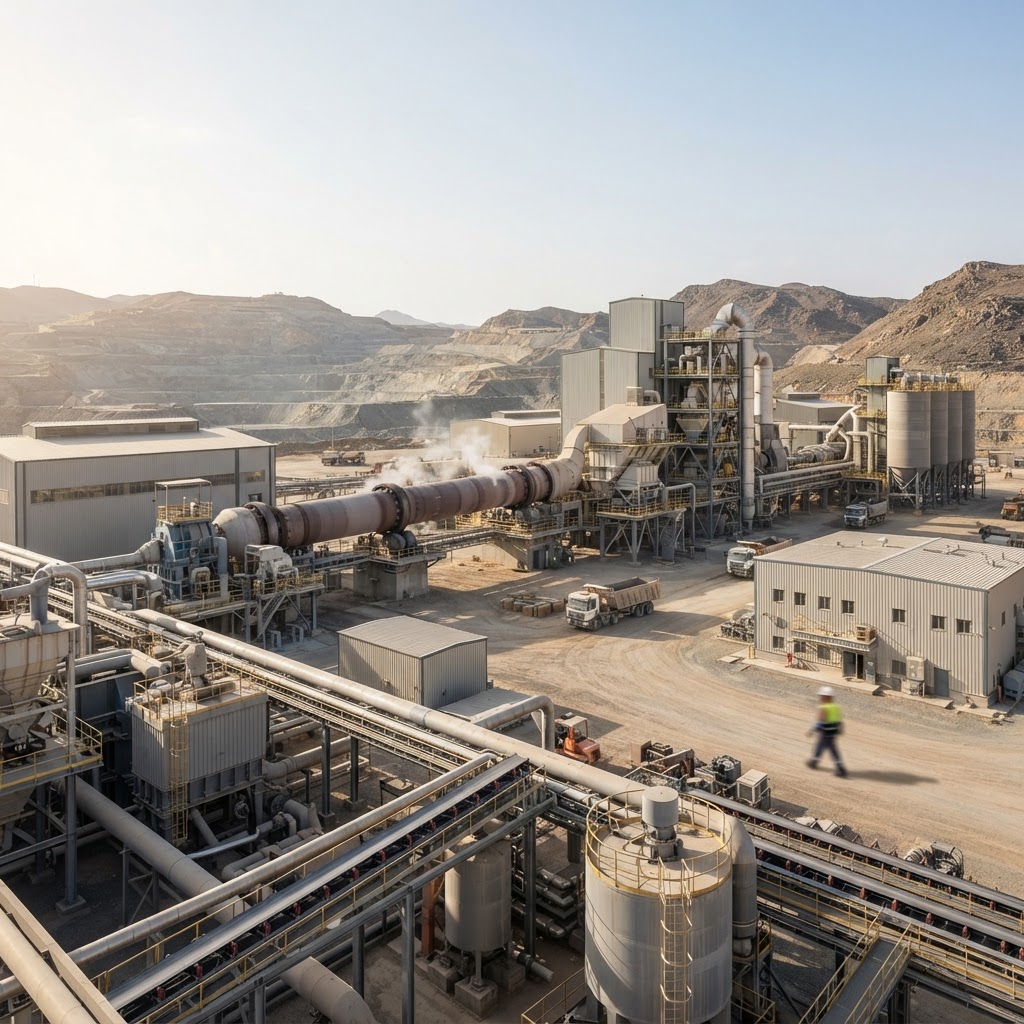
MP Materials Corp. has entered into a landmark joint venture with the Saudi Arabian Mining Company, known as Maaden, to construct a major commercial rare earth refinery in Saudi Arabia, according to company announcements. Formed in direct alignment with a broader critical minerals bilateral cooperation pact between the United States and Saudi Arabia, the venture establishes an alternative midstream refining corridor outside China. The planned facility will process global and regional feedstocks into light and heavy separated rare earth oxides. The strategic structure combines MP Materials' metallurgical separation technology with Saudi Arabia’s low-cost energy base to supply allied industrial and defense ecosystems.
Key Findings
Under the binding agreement, Maaden will hold a controlling 51% stake in the joint venture entity, while MP Materials and U.S. defense authorities will collectively control the remaining 49%. The venture is structured as a capital-light model for MP Materials, with non-recourse public backing funding the U.S. share of the processing complex. In exchange, MP Materials provides proprietary separation expertise, chemical engineering management, and international feedstock sourcing.
The venture directly complements MP Materials’ domestic footprint at Mountain Pass, California, where the company extracts high-grade rare earths and is expanding its heavy rare earth separation assets. The Saudi facility will be engineered to process diverse concentrate streams from international deposits into high-purity neodymium-praseodymium (NdPr), dysprosium, and terbium oxides. Output from the refinery will supply downstream manufacturing chains across North America, Europe, and allied markets, enhancing access to the critical elements required for permanent magnets used in electric vehicles, wind turbines, and defense equipment.
Industry Response
Market participants and policymakers view the cross-border venture as a significant development in restructuring critical minerals midstream capacity away from concentrated regional monopolies. Bob Wilt, chief executive officer of Maaden, emphasized that the joint venture represents a significant step forward in developing Saudi Arabia’s strategic mining footprint with backing from the Kingdom’s Ministry of Energy and Ministry of Industry and Mineral Resources.
Industrial analysts note that MP Materials’ capital-light international expansion mitigates capital expenditure dilution while rapidly scaling its operational refining throughput. Company leadership has highlighted that commercial downstream alignment between Western processing IP and Gulf industrial capital offers a proven blueprint to overcome historically challenging refining unit economics. Sector strategists emphasize that establishing independent heavy rare earth separation capacity outside East Asia has long presented the steepest technological barrier in the magnet supply chain, making the deployment of validated commercial separation flowsheets in low-energy-cost jurisdictions an economically sound development.
What's Next
Moving into the execution phase, the partners will finalize engineering designs, environmental permitting, and specific site selections within the Kingdom's industrial zones. Concurrently, MP Materials is advancing discussions to evaluate and potentially develop permanent magnet manufacturing capacity within Saudi Arabia, potentially creating a fully integrated supply chain from concentrate to finished magnetic products.
Stateside, MP Materials continues its domestic buildout, deploying more than $1 billion toward domestic refining enhancements and magnet fabrication facilities to support Western manufacturing mandates. A critical operational catalyst arrives with the scheduled commissioning milestones for expanded heavy rare earth circuits, designed to achieve full commercial separation of dysprosium and terbium. Investors will be monitoring offtake pre-commitments, construction timelines in the Gulf, and feedstock contracts throughout the coming quarters as the joint venture establishes its commercial operational framework.