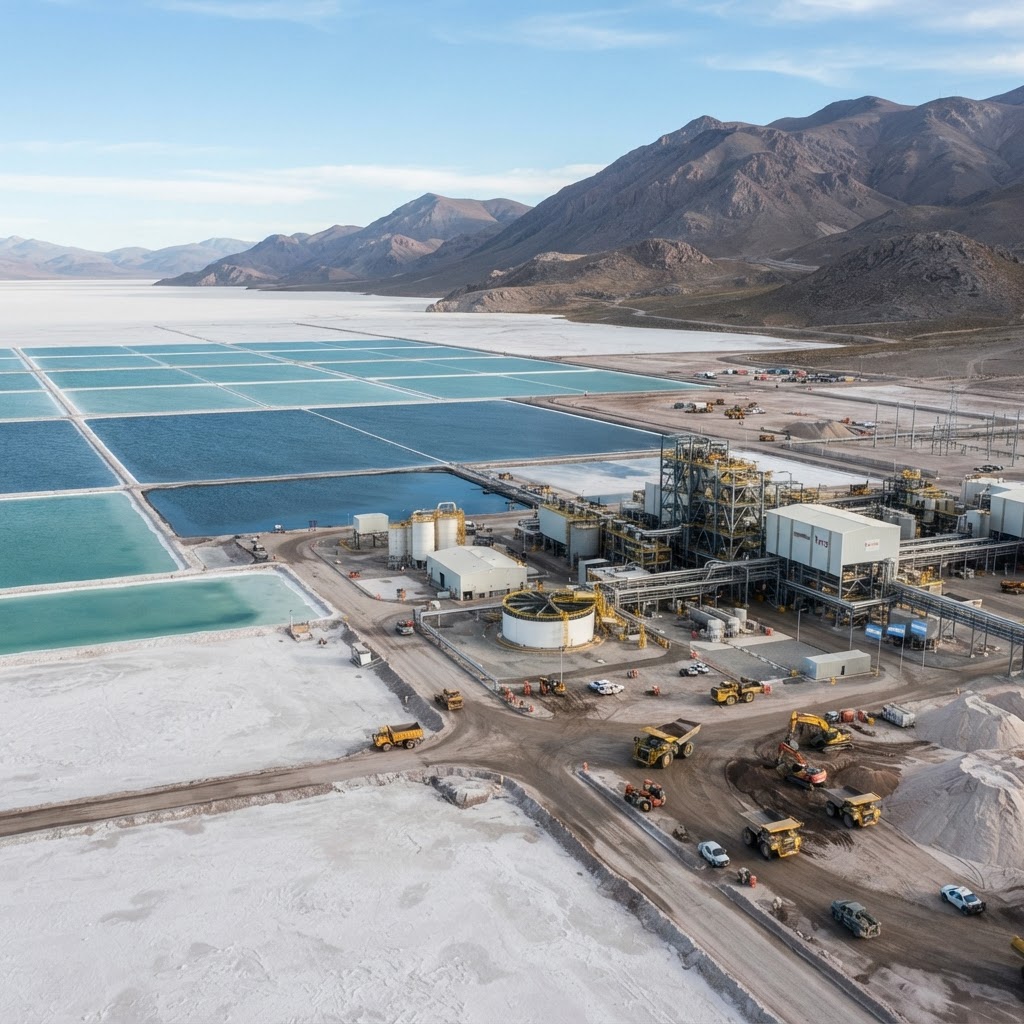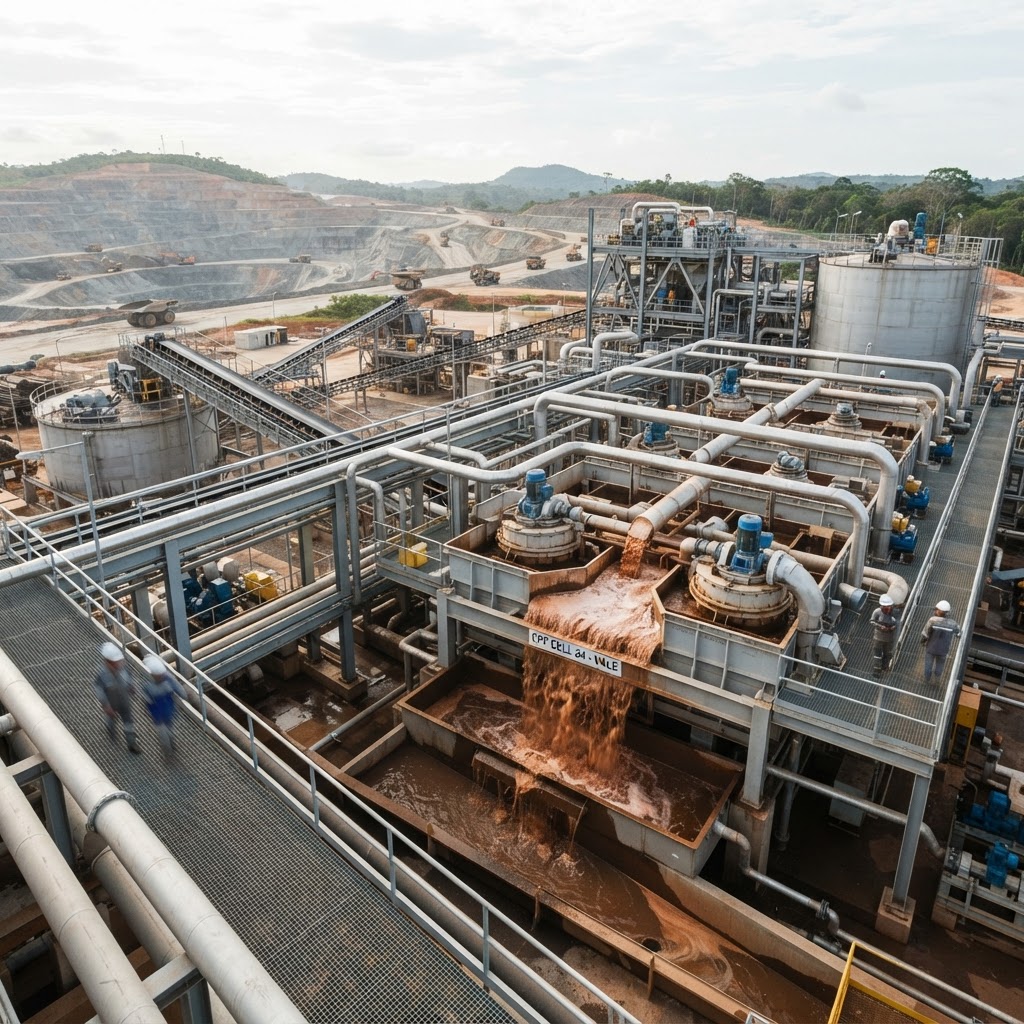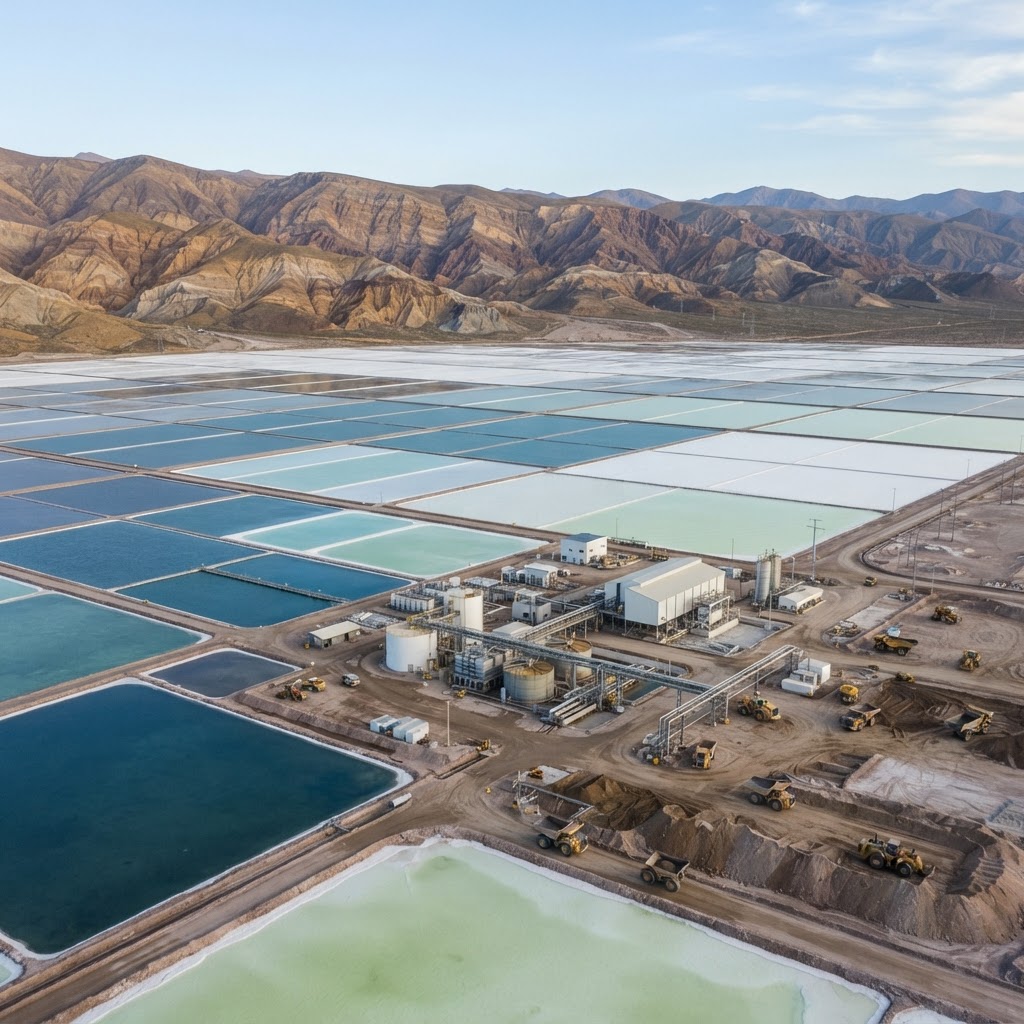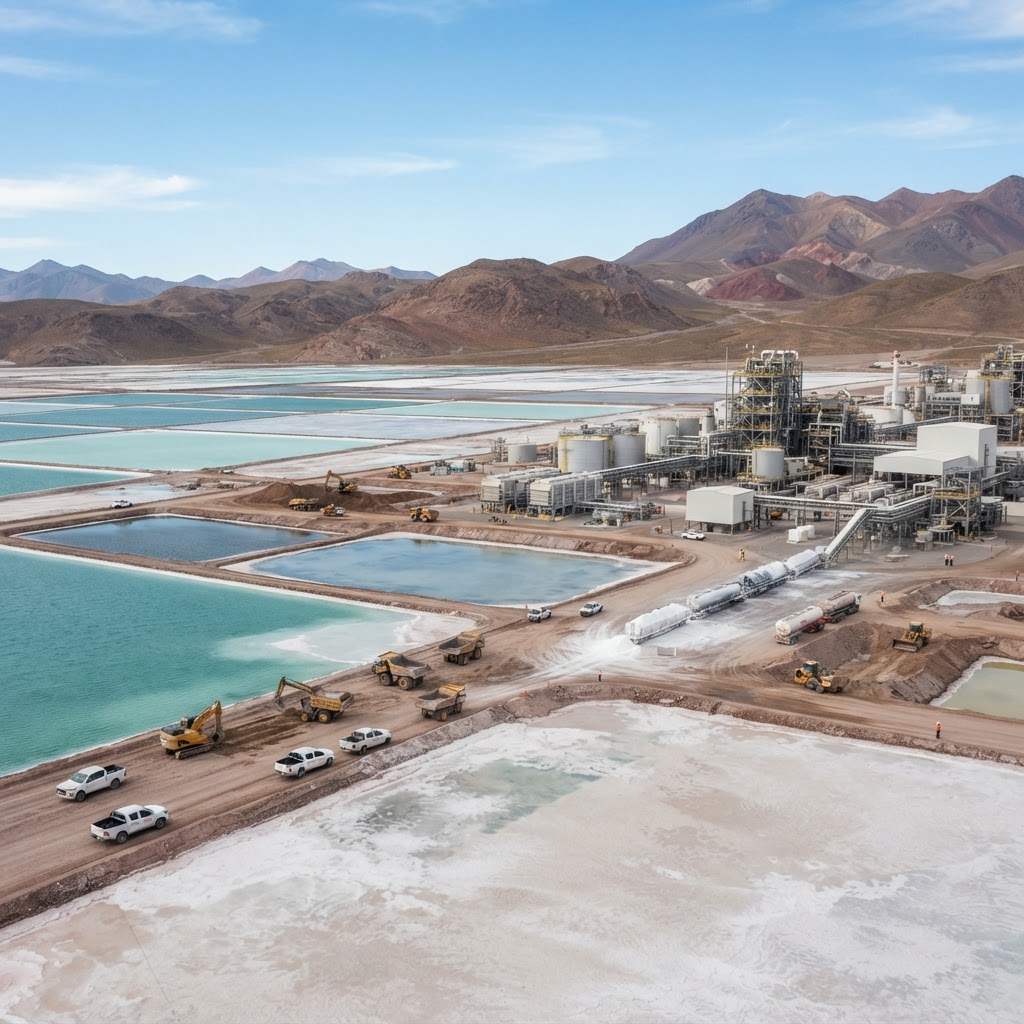
Rio Tinto is aggressively cementing its status as a global lithium powerhouse, reporting significant operational momentum across its expanded Argentine portfolio. Following the strategic $6.7 billion acquisition of Arcadium Lithium, the mining giant has successfully integrated key assets including the Fénix, Sal de Vida, and Olaroz operations. Recent production data confirms that Fénix Phase 1B and Sal de Vida have both achieved first production ahead of schedule, signaling a robust start to the company’s ambitious growth strategy. With lithium now positioned as the fastest-growing division within its global business, Rio Tinto is effectively leveraging its enhanced scale to meet the surging demand for battery-grade materials.
Key Findings
The integration of Arcadium Lithium has transformed Rio Tinto’s footprint, creating a multi-asset procurement and production environment that spans the Jujuy, Catamarca, and Salta provinces. A central pillar of this growth is the Rincón project, which recently secured a $1.175 billion financing package from a consortium including the IFC, IDB Invest, and Export Finance Australia. Rincón stands as a flagship development, having been the first project approved under Argentina’s Large Investment Incentive Regime (RIGI), with a total investment commitment exceeding $2.7 billion. The company is targeting a production capacity of approximately 60,000 tonnes per year of battery-grade lithium carbonate at Rincón alone. Furthermore, the company reported a 53% increase in first-half lithium production, driven by the successful commissioning of new phases and the optimization of existing brine extraction processes across its consolidated Argentine sites.
Industry Response
Market analysts and industry stakeholders have lauded the strategic clarity of the Arcadium acquisition, noting that it provides Rio Tinto with a diversified technological toolkit, including both traditional evaporation and emerging direct lithium extraction (DLE) capabilities. CEO Jakob Stausholm has emphasized that the expansion is a critical step in the company’s long-term strategy to supply the energy transition, balancing its traditional copper and aluminum operations with high-growth battery minerals. Local government officials in Argentina have welcomed the investment, highlighting the potential for job creation and infrastructure development. Trade groups and regional mining observers point to the RIGI framework as a decisive factor in accelerating these capital-intensive projects, noting that the regulatory stability provided by the regime has been instrumental in attracting the necessary project finance to move from construction to active production in record time.
What's Next
Looking ahead, Rio Tinto is focused on scaling its total lithium production capacity toward a target of 200,000 metric tons per year by 2028, contingent on market conditions. The immediate roadmap involves the continued ramp-up of the Rincón starter plant and the full commissioning of the Sal de Vida and Fénix 1B facilities. Investors are closely watching the company’s deployment of DLE technology, which is expected to launch within the next few years, potentially unlocking higher recovery rates and faster processing times. With the financing for Rincón secured and production milestones being met ahead of schedule, the company is well-positioned to capitalize on the projected supply-demand gap in the global battery market. Future updates will likely focus on the operational efficiency of the integrated supply chain and the potential for further capacity expansions as the company optimizes its newly acquired global asset base.