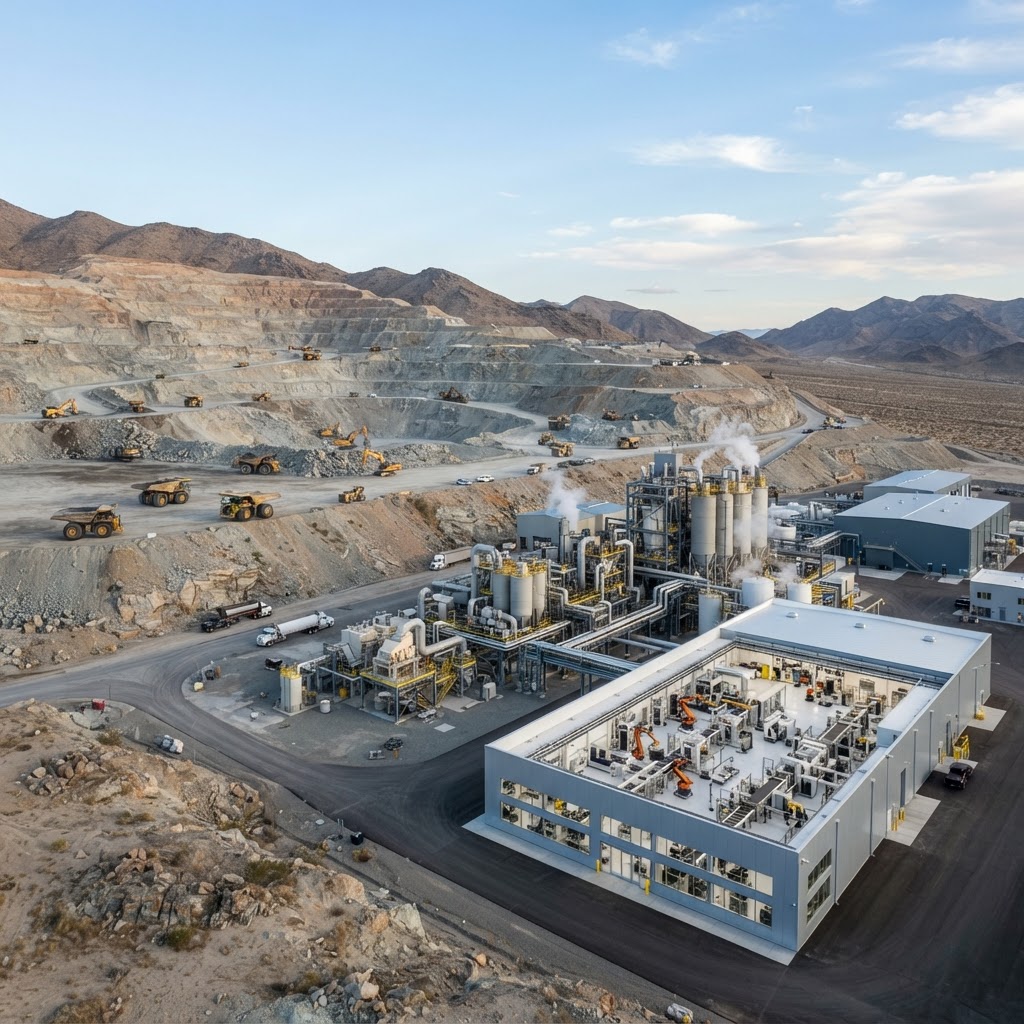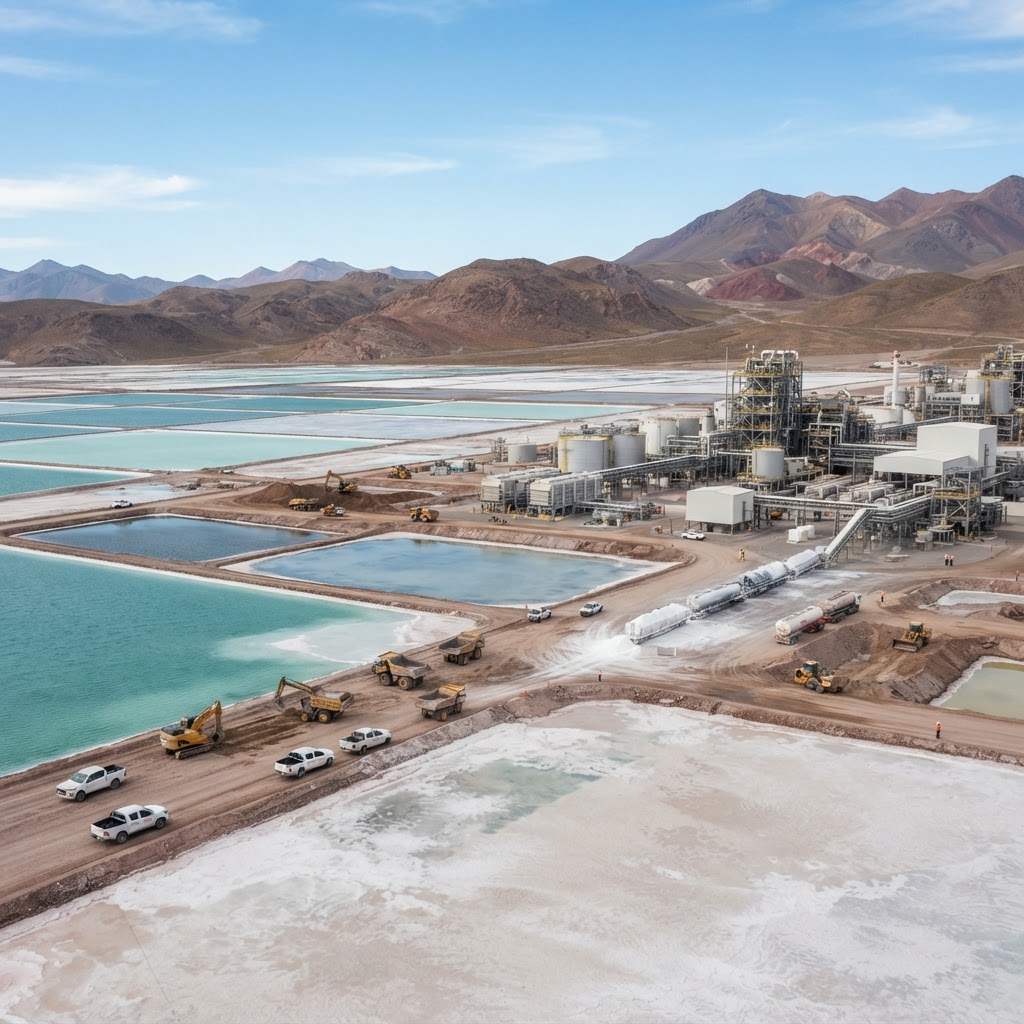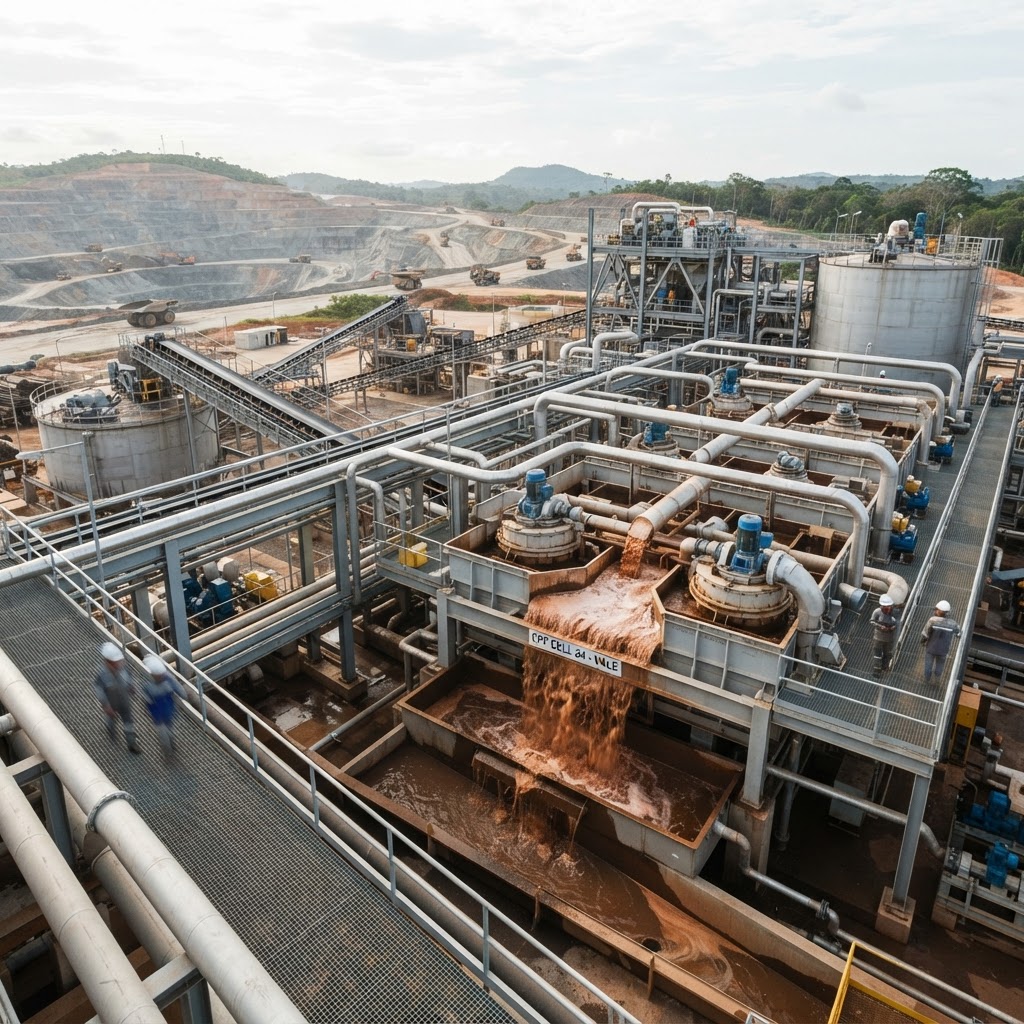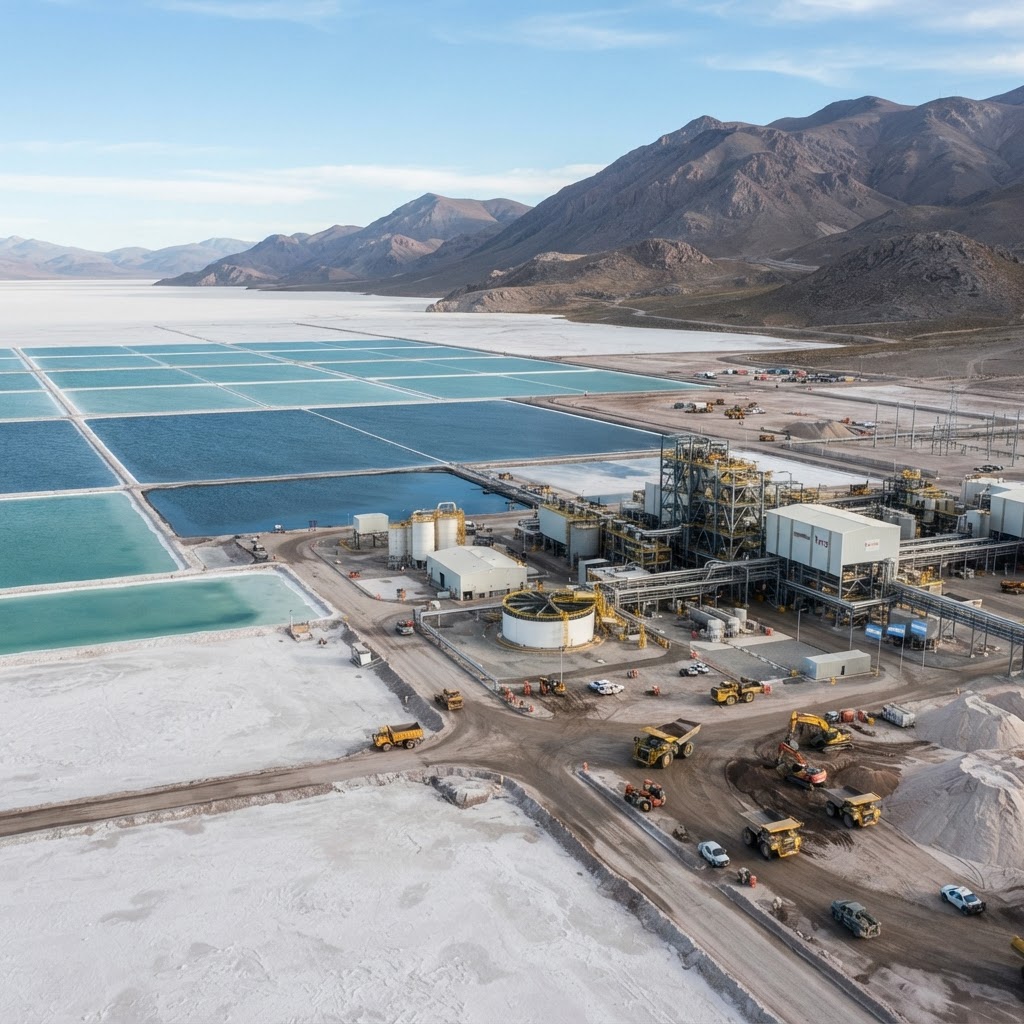
Rio Tinto is aggressively scaling its lithium footprint in Argentina, marking a pivotal shift in the global battery materials supply chain. Following the successful $6.7 billion acquisition of Arcadium Lithium, the mining giant has secured a $1.175 billion financing package from a consortium of international institutions, including the IFC and Japan Bank for International Cooperation. This capital injection is earmarked for the Rincón project, while commissioning efforts accelerate across the Fénix 1B and Sal de Vida sites. By integrating these high-value assets, Rio Tinto is positioning itself as a dominant force in the energy transition, aiming to bolster long-term supply security for global automotive and technology partners.
Key Findings
The strategic financing package involves four major institutions: the International Finance Corporation (IFC), IDB Invest, Export Finance Australia (EFA), and the Japan Bank for International Cooperation (JBIC). These funds are specifically allocated to fast-track the Rincón lithium project in Salta province, which has already commenced initial exports. Simultaneously, the company is making significant progress at its Catamarca operations. The Fénix 1B project, designed for 10,000 tonnes per year of lithium carbonate equivalent (LCE), is currently 60% through the commissioning phase. The Sal de Vida project, targeting 15,000 tonnes per year, is 40% through its own commissioning process. Both projects are slated for full delivery in the second half of 2026. These developments are critical to Rio Tinto’s broader goal of reaching a production capacity of 200,000 metric tons per year of LCE by 2028, effectively leveraging the integrated assets acquired from Arcadium Lithium to stabilize and expand its global market share.
Industry Response
The move has been met with cautious optimism from market analysts and regional stakeholders who view the capital deployment as a vote of confidence in Argentina’s mining jurisdiction. Industry observers note that the involvement of multilateral lenders like the IFC provides a layer of institutional stability that is essential for large-scale, long-term mining projects in the region. By securing this financing, Rio Tinto has effectively mitigated some of the execution risks that previously hampered independent expansion efforts. Furthermore, the collaboration with Toyota Tsusho at the Olaroz operation underscores the strategic importance of these assets to the Japanese automotive supply chain. Analysts suggest that this level of institutional backing signals a maturing market for lithium project finance, where rigorous ESG standards and technical transparency are becoming the baseline requirements for securing international capital in the critical minerals sector.
What's Next
The immediate focus for Rio Tinto is the successful completion of commissioning at the Fénix 1B and Sal de Vida sites, with full operational status expected by late 2026. Investors are closely watching the ramp-up of these facilities as a key indicator of the company's ability to integrate its newly acquired assets into a cohesive, high-output production network. Beyond the current construction milestones, the company is expected to continue optimizing its portfolio, including the development of the Nemaska Lithium project in Canada, where it holds a 50% economic interest. As global demand for battery-grade lithium continues to evolve, Rio Tinto’s ability to maintain its 2028 production targets will be the primary catalyst for its valuation in the energy materials space. Future updates will likely focus on the operational efficiency of direct lithium extraction (DLE) technologies being deployed at these sites to maximize recovery rates.