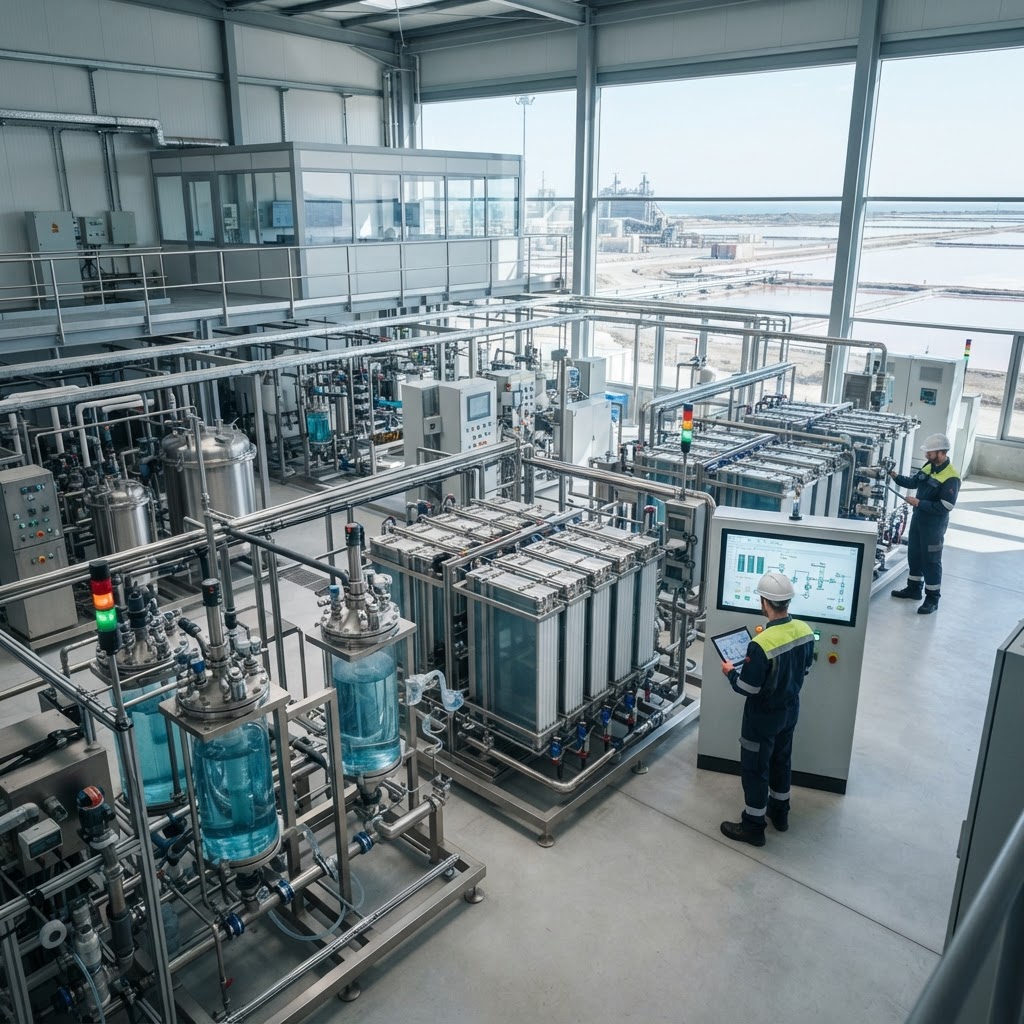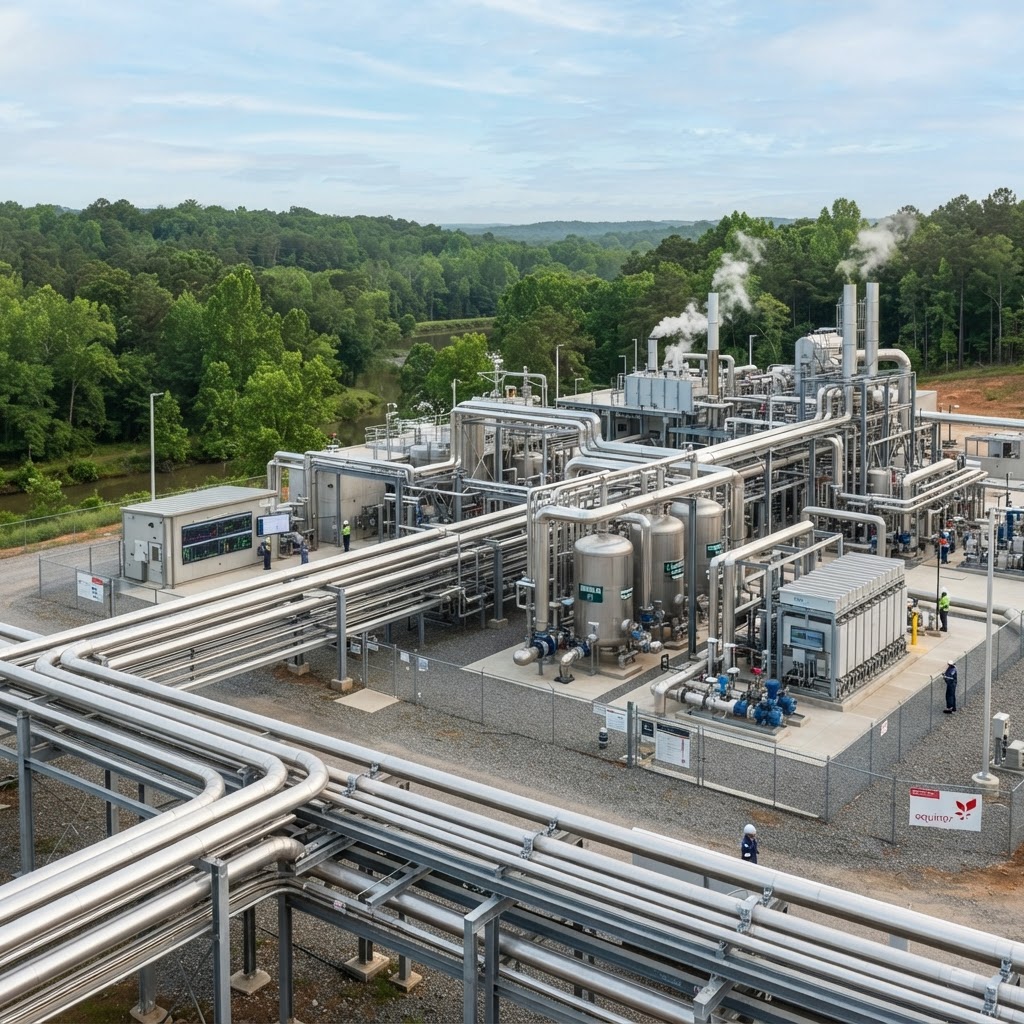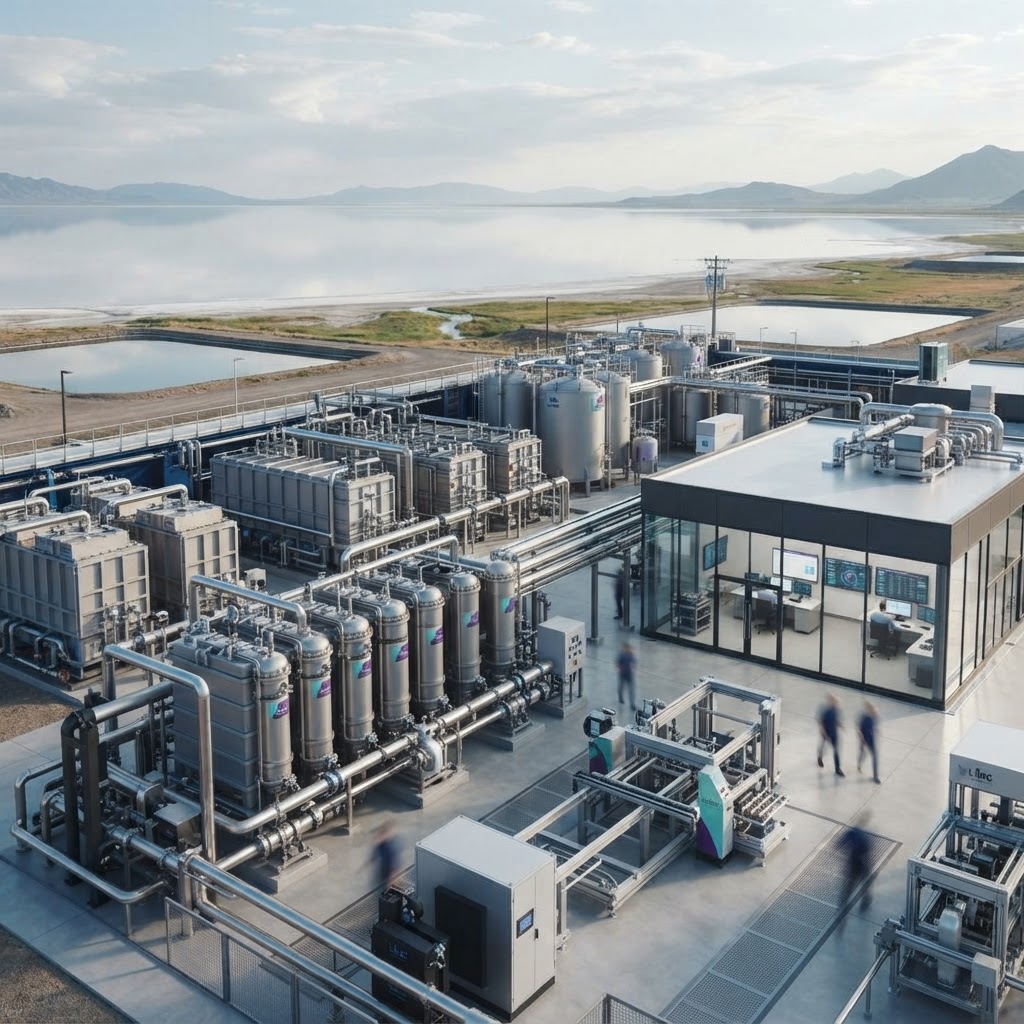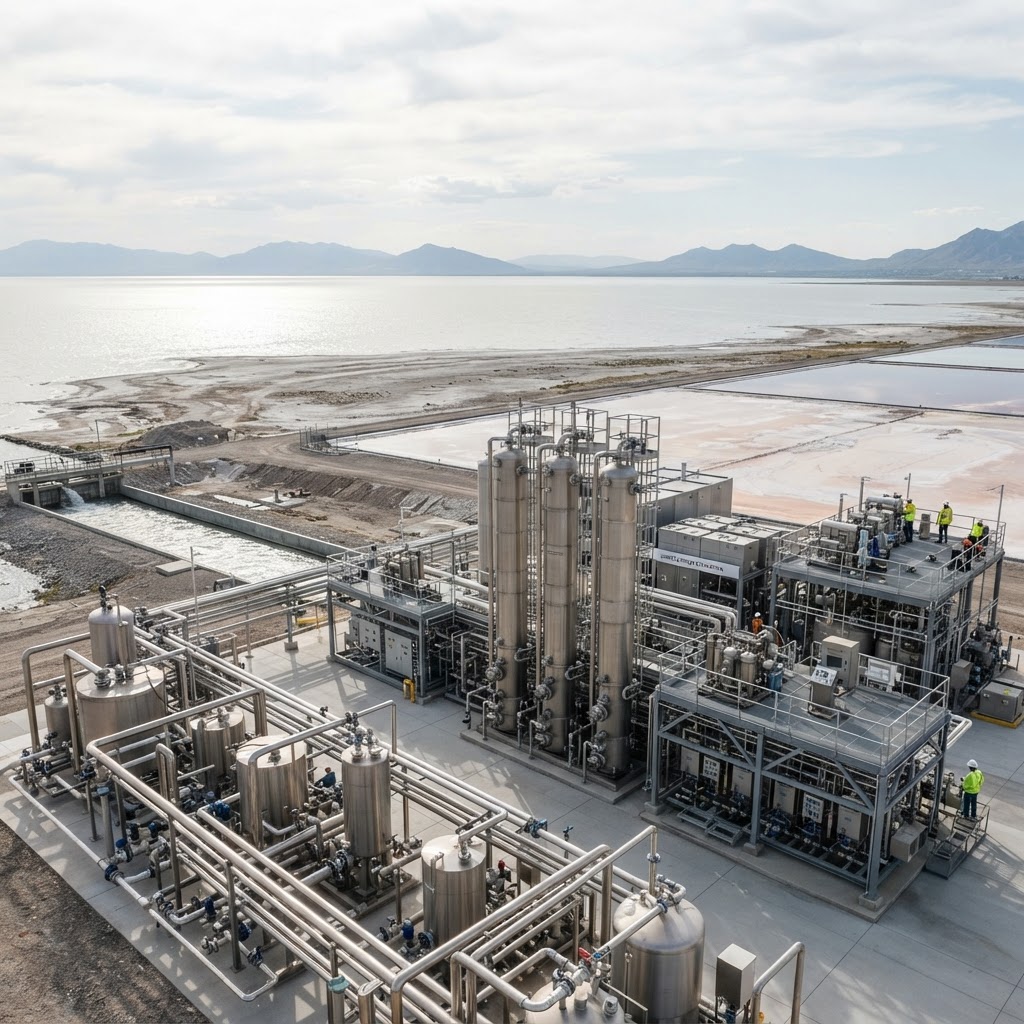
Oakland-based Lilac Solutions, co-founded by 2 Chileans in Stanford, has been selected for a $100 million grant from the U.S. Department of Energy to construct its Phase 1 direct lithium extraction facility on Utah’s Great Salt Lake. The award, issued under the Manufacturing Deployment Office’s critical minerals initiative, provides essential capital momentum for domestic battery supply chains. Phase 1 targets commercial production of 5,000 tonnes per year of battery-grade lithium carbonate by 2028, effectively doubling baseline domestic output. Utilizing proprietary ion exchange technology designed to operate with minimal freshwater consumption, the project marks a pivotal commercial validation milestone for American direct lithium extraction infrastructure.
Key Findings
Lilac’s Great Salt Lake project represents an advanced commercial deployment of direct lithium extraction on a resource characterized by low lithium concentrations and high salinity. By deploying its Gen 5 ion exchange technology, Lilac extracts lithium directly from pumped brine before returning an equivalent volume to the lake basin, preserving local water levels. The Phase 1 installation establishes a foundation for an eventual 20,000 tonne-per-year Phase 2 expansion, which would generate enough battery material to underpin roughly 30 gigawatt-hours of cell manufacturing annually. The development features an entirely non-Chinese supply chain, relying on proprietary ion exchange media manufactured at Lilac's dedicated facility in Fernley, Nevada. The plant's engineering and buildout are anchored by partnerships with Hatch for engineering, procurement, and construction management, alongside JordProxa for technology and equipment integration. Moreover, Lilac has derisked revenue streams by securing a binding commercial offtake framework for 100% of planned output, complemented by marketing collaboration with global trading house Traxys.
Industry Response
Market participants view Lilac’s federal award as concrete evidence of sustained public-private backing for domestic refining infrastructure. Lithium developers have encountered stringent environmental reviews and capital constraints over recent quarters, making direct federal grants critical for clearing project hurdle rates. Supply chain strategists note that Lilac's domestic manufacturing footprint in Nevada provides vital insulation against geopolitical export restrictions, notably those governing Chinese adsorption resins and processing reagents. Equipment partners emphasize that deploying continuous ion exchange at commercial volumes resolves longstanding operating expenditure hurdles that previously hobbled alternative extraction projects. Offtake aggregators including Traxys report robust buyer appetite from North American automotive OEMs seeking Inflation Reduction Act-compliant critical materials with verified provenance. Environmental monitors in Utah have cautiously welcomed Lilac's closed-loop, non-consumptive process design, which avoids the massive water evaporation footprints typical of legacy salar operations while generating provincial royalties dedicated to regional watershed preservation initiatives.
What's Next
Lilac is finalizing contractual negotiations with the Department of Energy while completing final Front-End Engineering Design (FEL-3) and regional environmental permitting across Utah state agencies. Construction at the Great Salt Lake facility is scheduled to commence within months, clearing the way for civil works and equipment assembly alongside EPC partner Hatch. The primary operational catalyst will be the delivery and loading of commercial-scale ion exchange beads from the Fernley manufacturing plant, followed by cold commissioning of extraction modules. Management targets initial mechanical completion ahead of commercial production by 2028. Achievement of targeted run-rates will subsequently trigger financial evaluation and permitting for Phase 2 expansion to 20,000 tonnes per year.