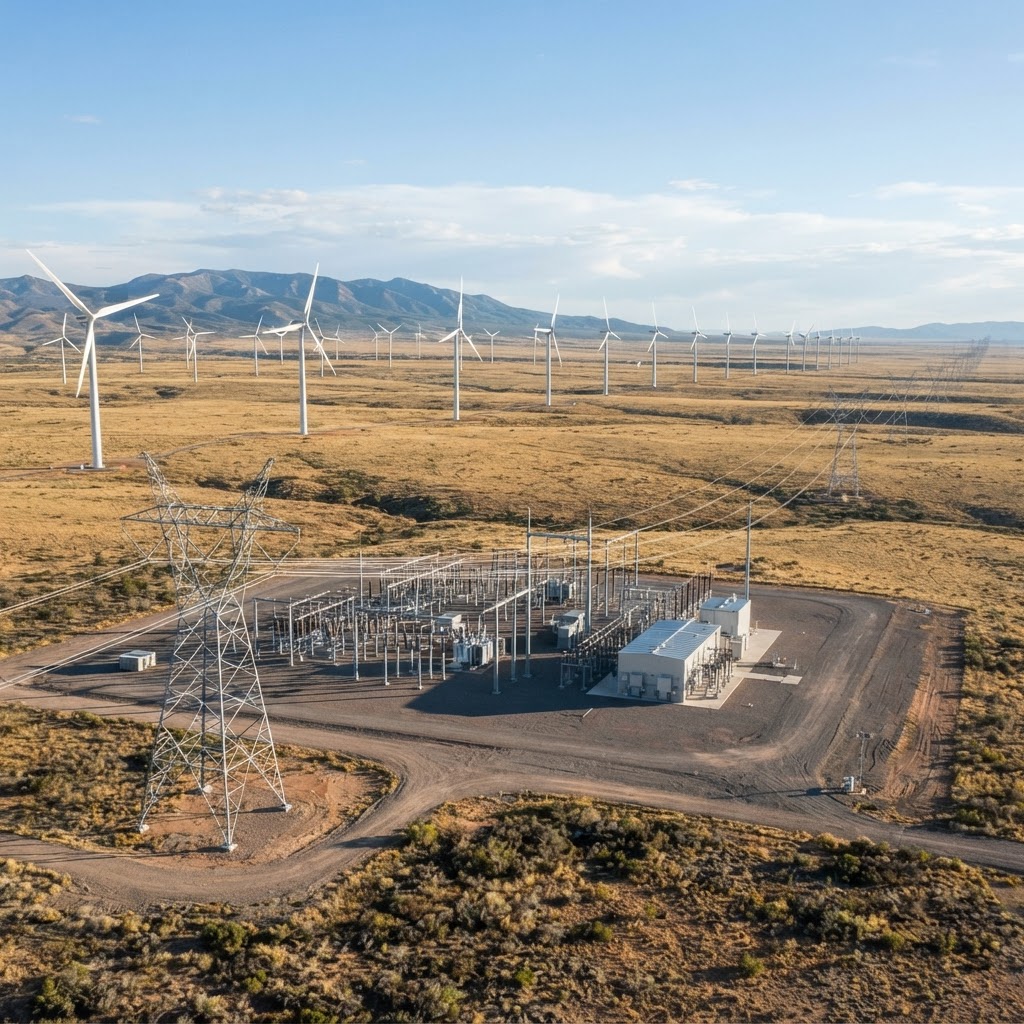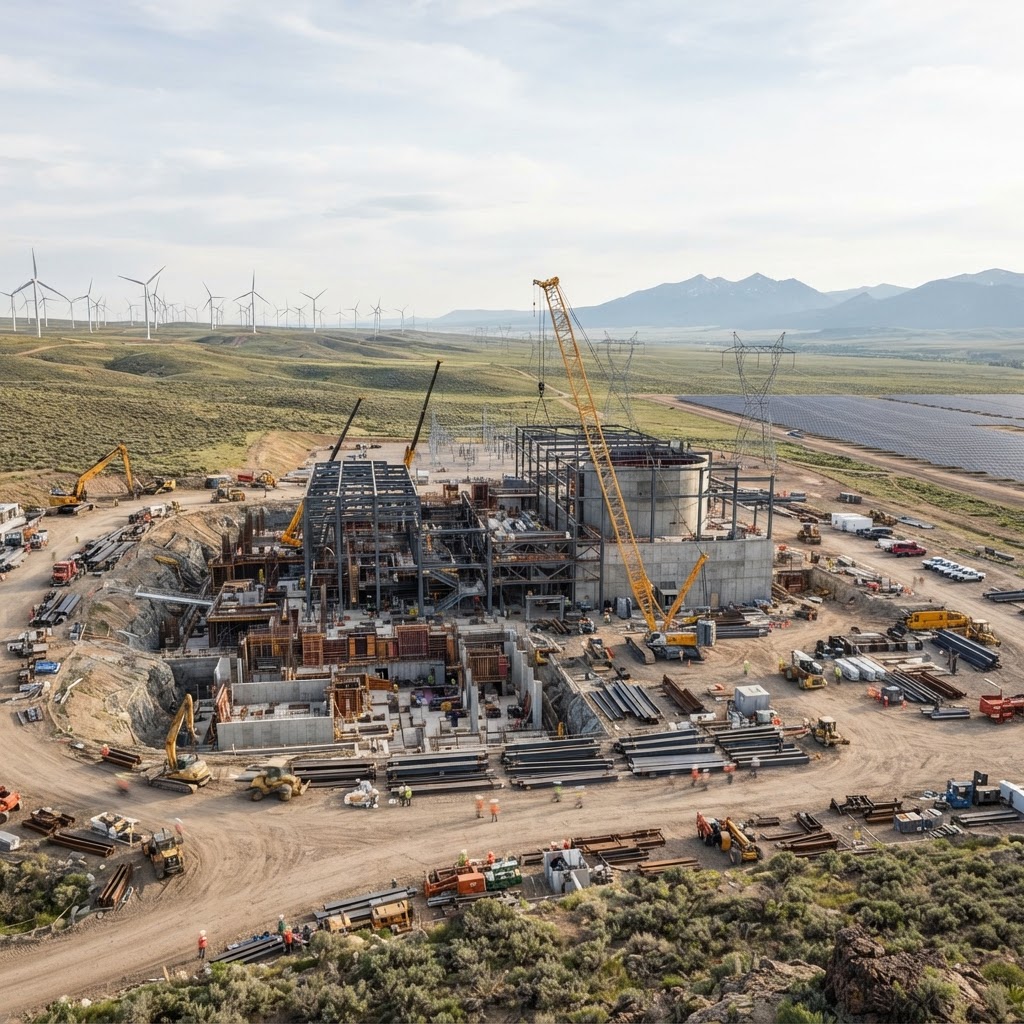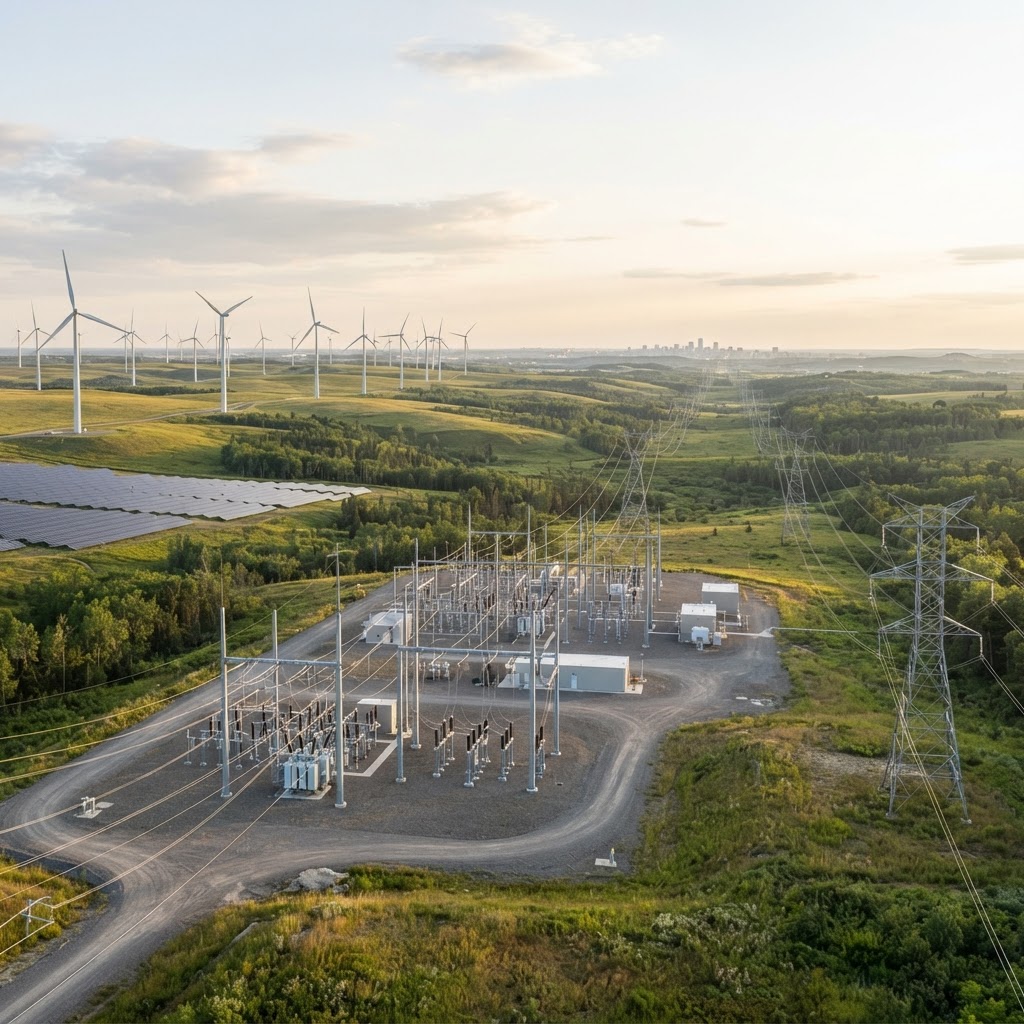
Federal policymakers in Ottawa have approved an ambitious national initiative committing up to $50 billion in funding and balance-sheet backing for clean power generation and major transmission infrastructure. The program establishes an expansive federal pathway to accelerate the replacement of aging fossil fuel assets, de-risk multi-gigawatt renewable projects, and reinforce inter-provincial transmission capacity. Designed to attract matching institutional capital and streamline permitting reviews, the measure represents one of the largest coordinated industrial policy interventions in North America. For power developers and infrastructure funds, the move provides the regulatory clarity and debt support required to execute multi-billion-dollar grid modernization projects across Canada.
Key Findings
The federal framework directs capital toward high-capacity electricity infrastructure, including long-distance high-voltage direct current (HVDC) transmission lines, large-scale battery energy storage systems, and renewable generation assets across multiple provinces. By prioritizing inter-provincial transmission interties, the package aims to resolve long-standing bottlenecks that have prevented hydro-rich regions from balancing intermittent wind and solar generation in neighboring industrial markets.
Under the financing structure, federal agencies will deploy a combination of direct concessional loans, equity investments, and targeted credit enhancements to lower project capital expenditure. In exchange, participating provincial utilities and independent power developers must commit to binding procurement timelines and standardized open-access interconnection procedures designed to eliminate multi-year queue backlogs.
Energy modeling accompanying the rollout indicates that the capital injections will mobilize up to $80 billion in private co-investment over the coming decade. By absorbing construction and early-stage development risks, the credit facilities are structured to allow institutional pension funds and infrastructure lenders to underwrite large-scale transmission links that previously struggled to satisfy internal rate of return thresholds under merchant conditions alone.
Industry Response
Institutional investors and energy executives responded positively to the announcement, praising the transition from piecemeal subsidies to programmatic, balance-sheet-scale capital deployment. Infrastructure asset managers noted that long-term debt backstops from federal lenders will dramatically reduce the cost of capital for transmission developers facing elevated interest rates and persistent supply chain inflation for specialized high-voltage transformers and switchgear.
Provincial utility operators highlighted the framework's emphasis on intertie modernization, arguing that stronger cross-border grid integration is the only economically viable path to maintaining grid reliability while meeting industrial electrification targets. "Securing concessional, long-tenor debt for regional transmission lines resolves the primary bottleneck holding back private generation capital," noted one senior Canadian infrastructure director. "It turns previously unbankable inter-provincial links into prime infrastructure assets."
However, regional industrial energy consumers cautioned that cost-allocation formulas and ratepayer protections must remain central as provincial regulators evaluate new project filings. While welcoming the clean capacity additions, manufacturing lobbies urged federal authorities to ensure that transmission surcharge fees do not erode the near-term competitiveness of heavy industry before new, low-cost clean generation assets achieve commercial operation.
What's Next
Provincial grid operators and commercial developers are preparing to submit the first tranche of eligible priority transmission projects for federal due diligence, with initial capital disbursements anticipated in the second half of the year. Concurrently, energy regulators are drafting harmonized inter-provincial transmission tariffs to govern shared capacity across interties.
Federal energy officials will also coordinate with municipal and indigenous utility authorities to finalize joint ownership structures and revenue-sharing mechanisms before ground is broken on cross-regional corridors. The streamlined permitting provisions attached to the funding are set to establish firm 24-month environmental review deadlines for nationally significant grid corridors.
For institutional investors, the primary milestone will arrive as federal credit facilities formalize loan syndication frameworks, allowing commercial banks and global infrastructure managers to step in alongside public balance sheets. If executed on schedule, the deployment will secure early procurement volumes for high-voltage direct current equipment, establishing an actionable construction pipeline through 2030.