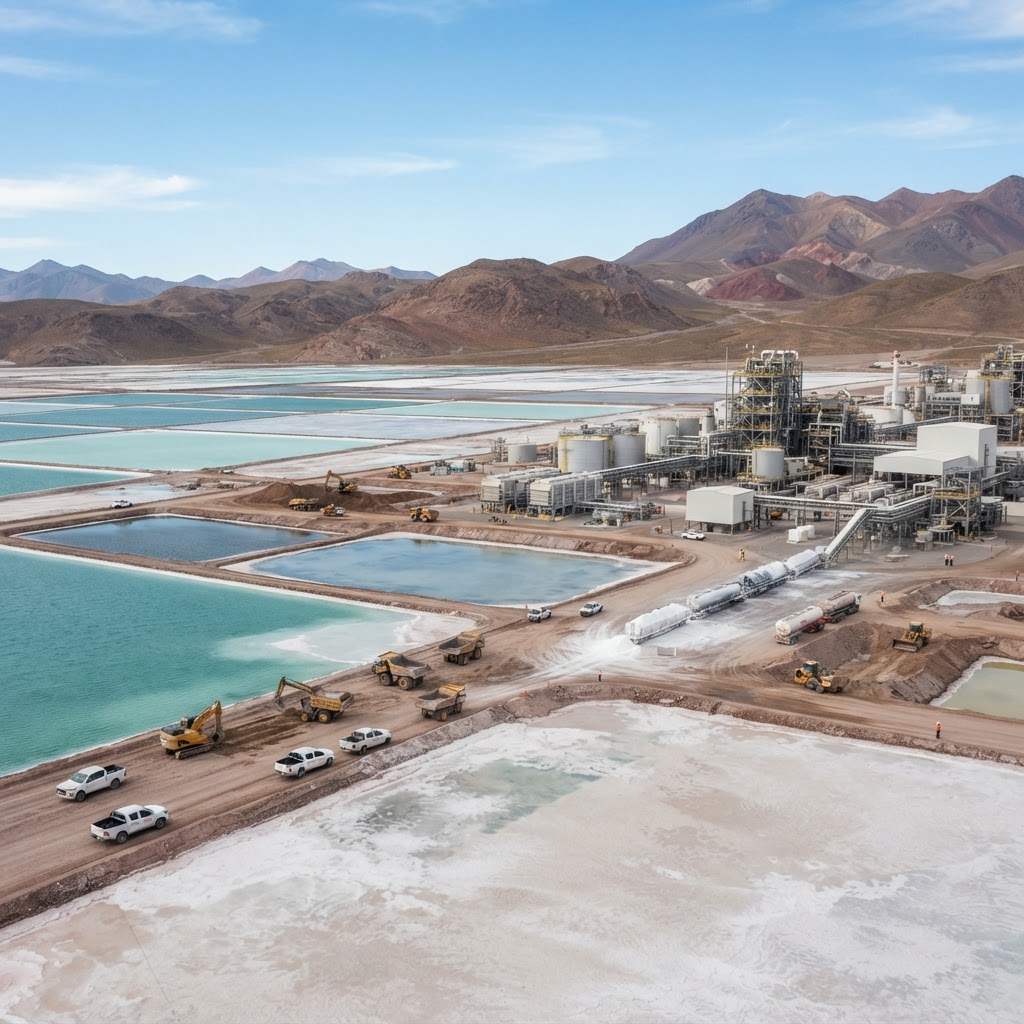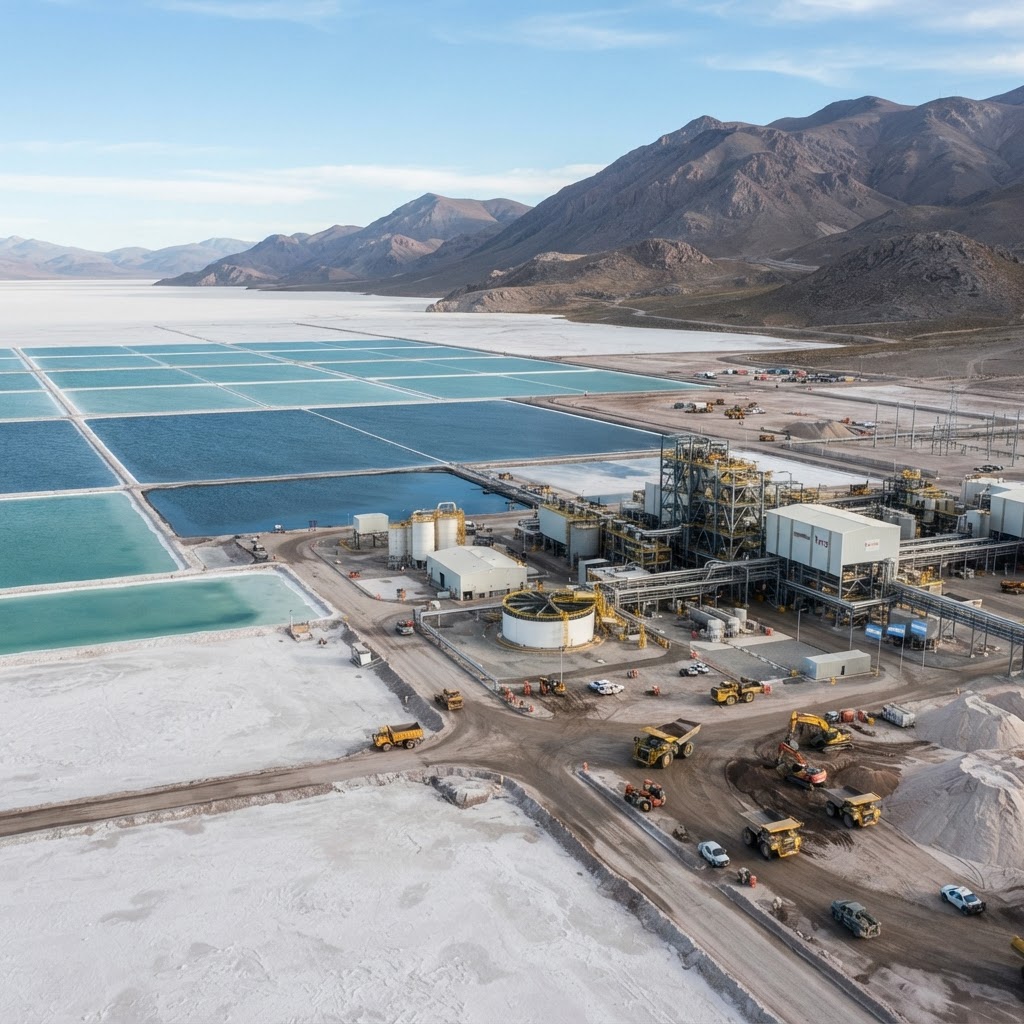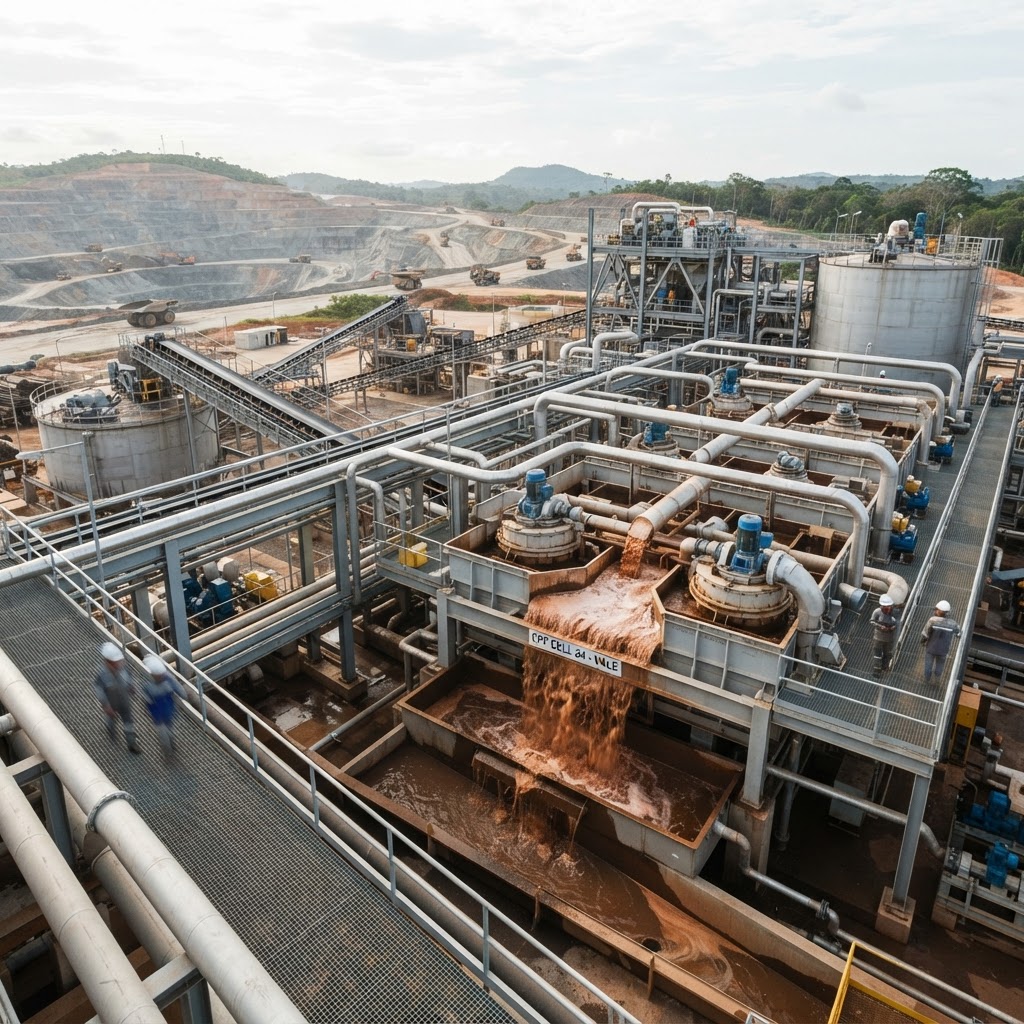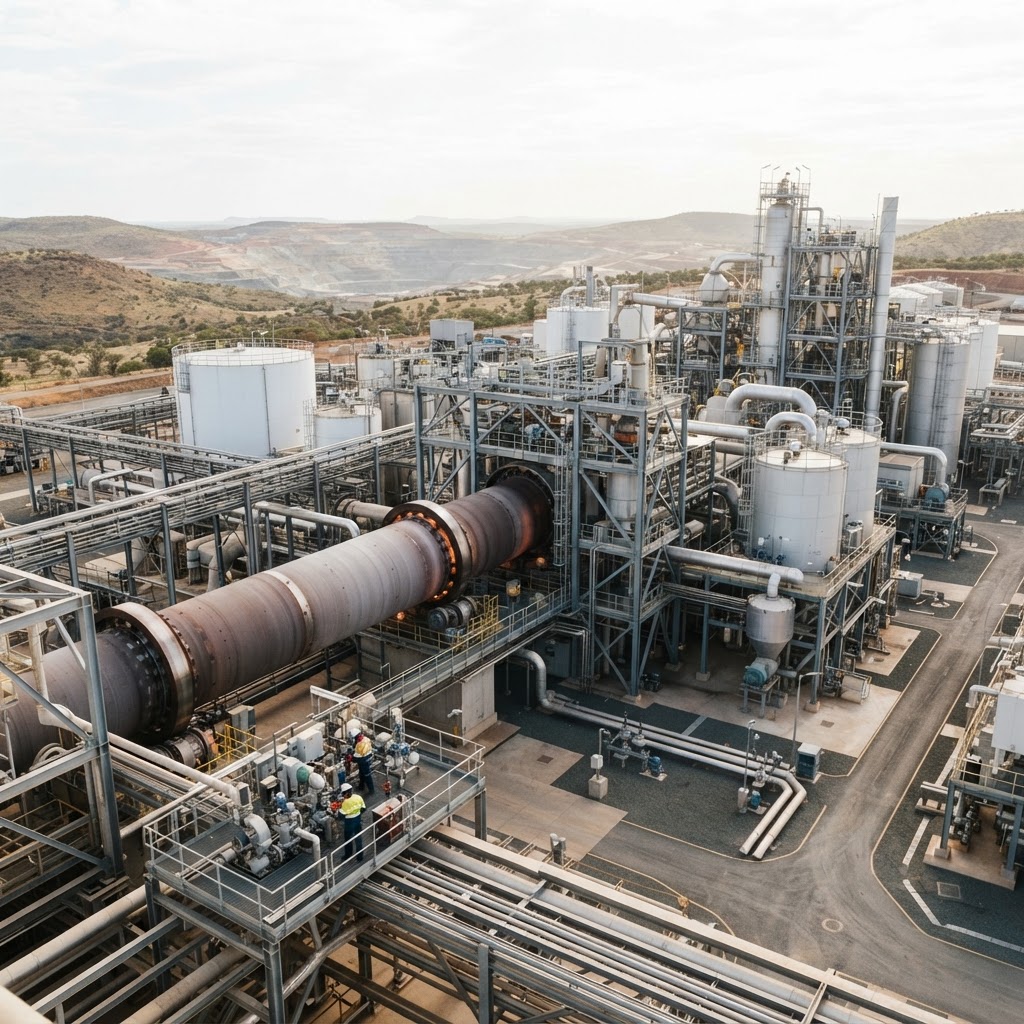
Lynas Rare Earths is accelerating its global processing footprint to address surging international demand for ex-China critical materials. Backed by the operational ramp-up of its A$800 million rare earths processing facility in Kalgoorlie, Western Australia, the producer is advancing major downstream capital investments across its integrated supply chain. The company is directing fresh capital toward expanding refining infrastructure at Gebeng in Pahang, Malaysia, alongside developing dedicated heavy rare earth separation capabilities. This multi-jurisdictional expansion solidifies a proven, non-Chinese pathway for high-spec critical materials that feed the electric vehicle and defense manufacturing pipelines.
Key Findings
Lynas Rare Earths continues to reinforce its role as the dominant ex-China producer of critical light and heavy rare earths, executing multi-stage expansions from extraction to refining. The company’s integrated circuit connects Western Australia’s high-grade Mt Weld deposit to primary midstream calcination at Kalgoorlie and advanced refining at its Kuantan hub in Malaysia.
The commissioning and commercial operations of the A$800 million Kalgoorlie facility—housing a massive 110-meter rotary kiln—deliver foundational midstream processing of mixed rare earth carbonate on Australian soil. This capacity derisks transport logistics while scaling Lynas toward an expanded targeted run-rate of 12,000 tonnes per annum of neodymium-praseodymium (NdPr) oxide finished product.
Simultaneously, Lynas has initiated a RM500 million ($156 million) capital expenditure program to construct a dedicated heavy rare earths separation facility in Gebeng. The Malaysian plant will boast a separation throughput capacity of up to 5,000 metric tons per annum, targeting critical elements such as dysprosium and terbium. These heavy rare earths serve as essential heat-stabilizing additives for high-performance neodymium-iron-boron (NdFeB) permanent magnets, unlocking a fully diversified downstream offering.
Industry Response
Western policymakers and industrial off-takers have broadly applauded the buildout as a critical milestone for allied supply-chain autonomy. During the Kalgoorlie plant inauguration, Australian Resources Minister Madeleine King underscored the strategic importance of the assets, stating that processing critical minerals domestically strengthens sovereign capability while generating high-value downstream regional output.
Market analysts emphasize that securing independent heavy rare earth separation has long represented the ultimate technical bottleneck in breaking reliance on Chinese refiners. By coupling primary cracking in Australia with specialized heavy rare earth chemical separation in Malaysia, Lynas provides automotive original equipment manufacturers (OEMs) and defense tier-ones with verifiable provenance.
In Southeast Asia, Malaysian authorities view Lynas’s expansion as complementary to national industrial strategy. Science, Technology and Innovation Minister Chang Lih Kang affirmed continued regulatory cooperation as the company broadens domestic research into residue value-extraction. Furthermore, proposed partnerships with regional fabricators like South Korea’s JS Link to construct adjacent magnet-manufacturing plants emphasize growing downstream commercial pull across allied manufacturing corridors.
What's Next
Operational execution over the next twelve months centers on finalizing Stage 2 balance-of-plant works at the Mt Weld expansion project, timed to support the higher feed requirements of the Kalgoorlie cracking circuit. The expanded mine and concentrator will ensure uninterrupted concentrate flows to support 12,000 tonnes of annual NdPr output.
In Malaysia, civil works and equipment procurement for the 5,000-tonne-per-annum heavy rare earth separation facility will advance through late 2025 and 2026. This technical expansion will allow commercial volumes of separated dysprosium and terbium to hit Western markets before late-decade supply crunches worsen.
Investors will also monitor binding progress on the downstream permanent magnet venture with JS Link, which seeks to integrate Lynas’s separated oxides directly into 3,000 tonnes of sintered magnet capacity. With operating cash reserves supporting execution and long-dated debt maintained at conservative thresholds, Lynas holds an actionable, funded pathway toward end-to-end mine-to-magnet industrial integration.