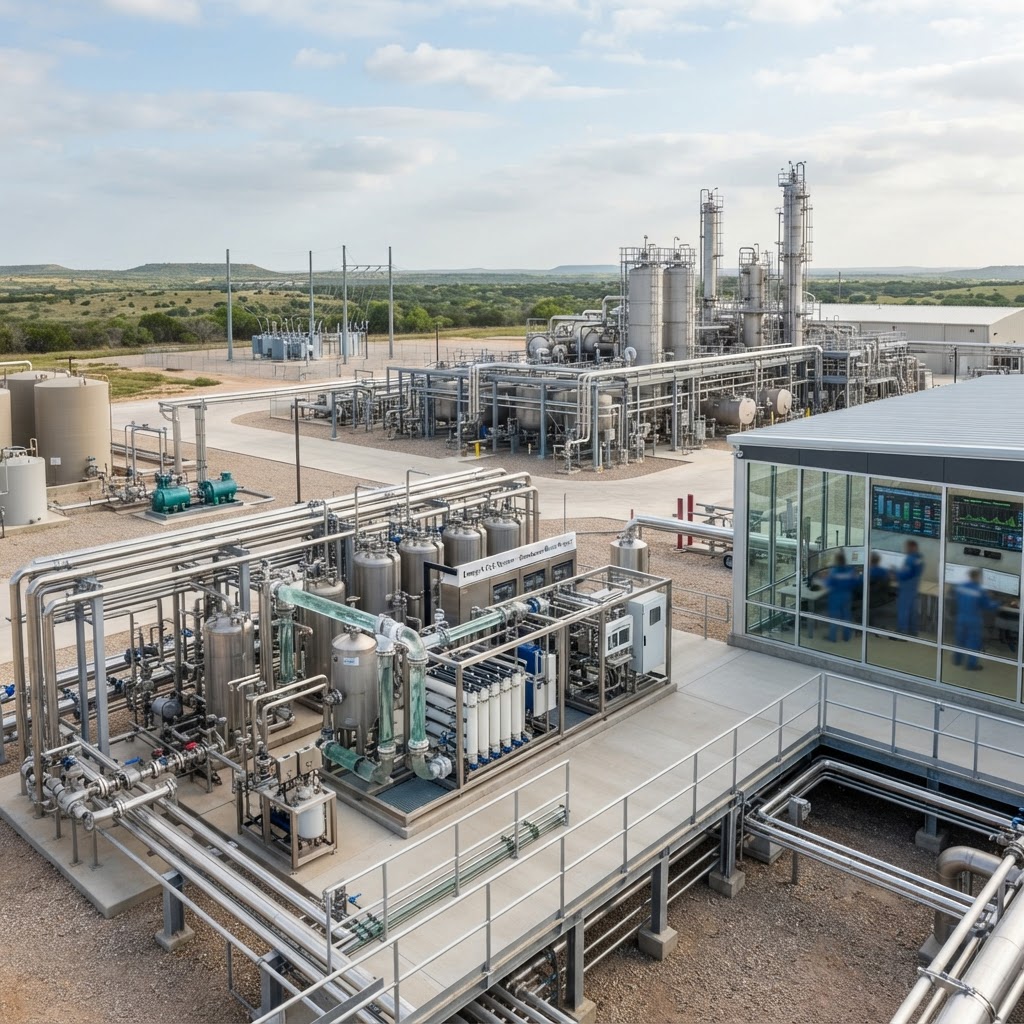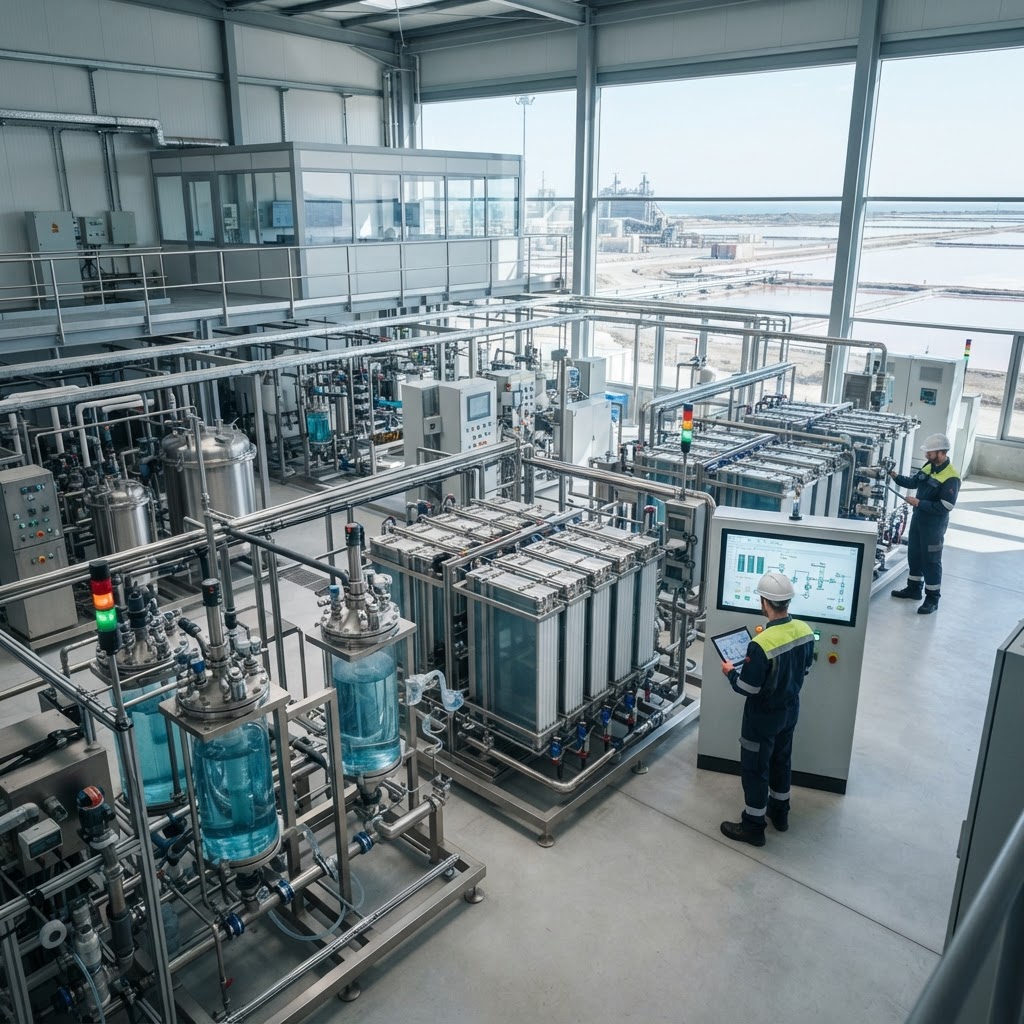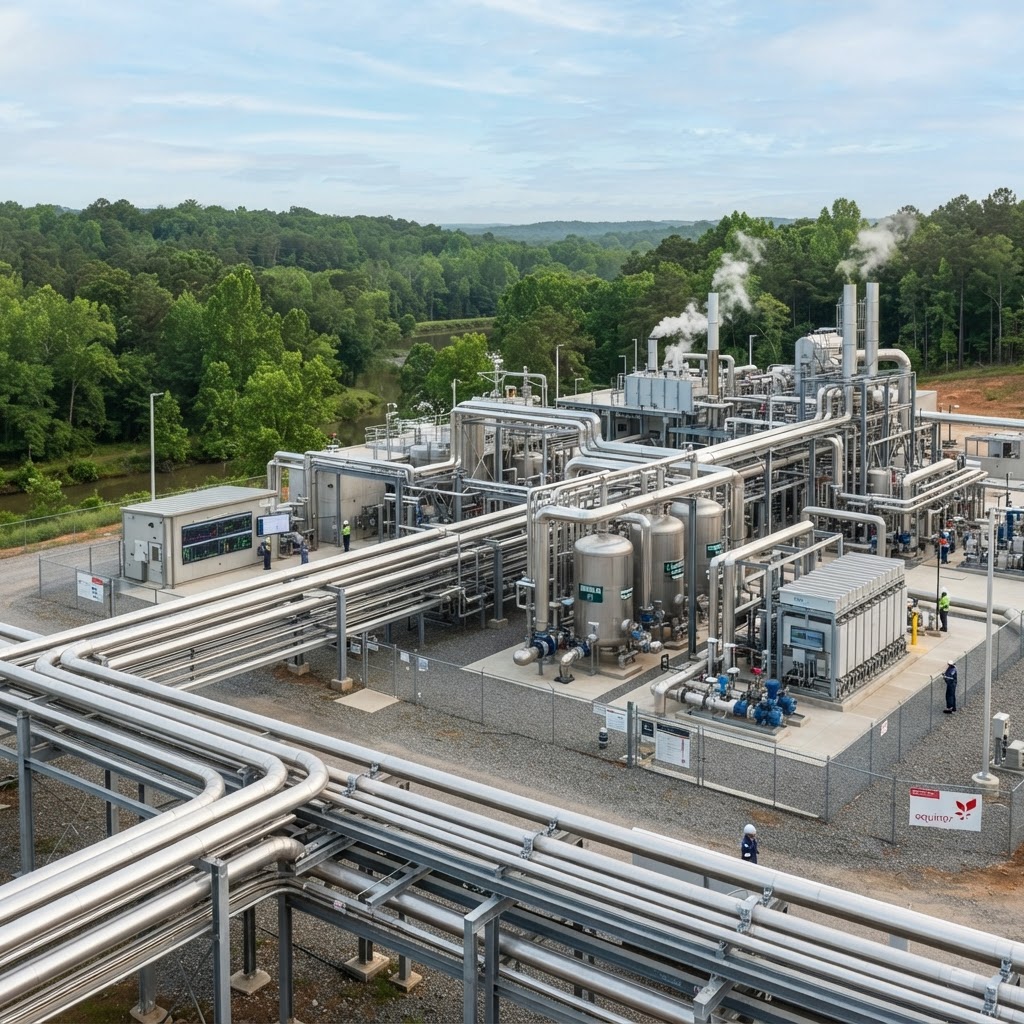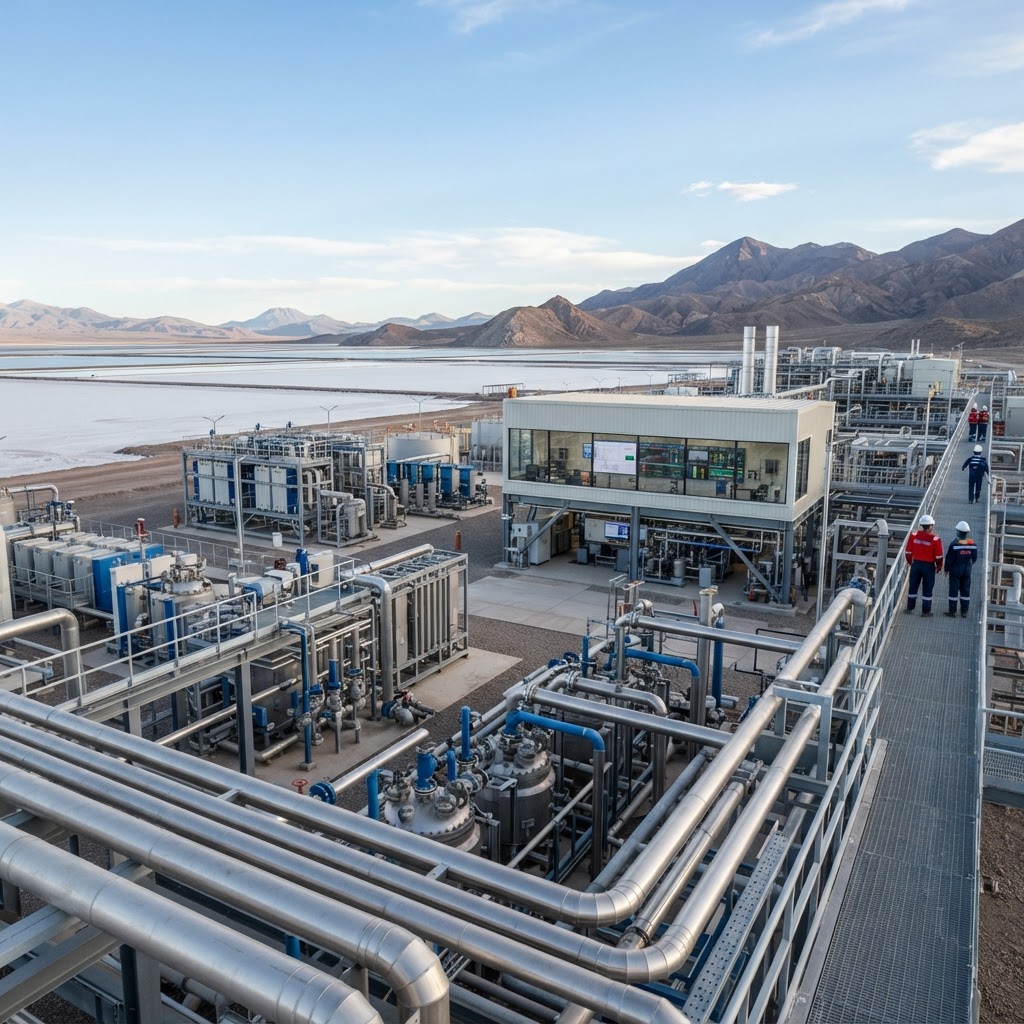
Rio Tinto Group has accelerated its push into the lithium sector by appointing engineering firm Worley Ltd. to lead the $2.5 billion expansion of the Rincon lithium project in Argentina. This milestone marks a critical transition from pilot-scale testing to commercial-grade production for one of the world’s most significant direct lithium extraction (DLE) developments. Located in the Salta province, the project aims to deliver 60,000 tonnes of battery-grade lithium carbonate annually, positioning the Anglo-Australian miner as a major player in the global energy transition. By leveraging Worley’s technical expertise, Rio Tinto intends to bypass traditional evaporation ponds, significantly reducing water consumption and shortening production timelines to meet surging demand from the electric vehicle battery supply chain.
Key Findings
The Rincon expansion represents a massive capital commitment, with Rio Tinto investing $2.5 billion to scale operations following the successful commissioning of a 3,000-tonne starter plant in late 2024. The project is designed to reach a total capacity of 60,000 tonnes per year, utilizing advanced DLE technology to extract lithium directly from brine. Unlike conventional methods that rely on massive evaporation ponds and 18-month processing cycles, DLE allows for lithium recovery in a matter of hours or days. This efficiency is expected to yield a 40-year mine life, providing a stable, long-term source of high-quality lithium carbonate. Worley’s role is pivotal; the firm will oversee the delivery of the lithium carbonate plant and coordinate with various technology subcontractors to ensure operational readiness. The project also addresses environmental concerns by implementing a process that supports water conservation and reduces waste compared to traditional brine mining. Furthermore, the expansion is a strategic move to secure domestic supply chains outside of China, particularly as Beijing restricts exports of certain refining technologies. By integrating DLE at this scale, Rio Tinto is validating a technology that has historically struggled with commercialization, potentially setting a new industry standard for sustainable mineral extraction in the Lithium Triangle.
Industry Response
Industry analysts view the Rio Tinto-Worley partnership as a vote of confidence in DLE’s commercial viability. According to Fastmarkets, the project is a centerpiece of Rio Tinto’s strategy to fill the technology and expertise gap in the ex-China market. Samuel Moore, CEO of ILiAD Technologies—which is currently piloting its own DLE platform at Rio Tinto sites—emphasized that these in-field programs are essential for demonstrating performance and achieving project savings. Worley has highlighted its commitment to helping Rio Tinto scale up production of critical battery materials, noting that batteries are essential for reaching net-zero targets but must be produced more sustainably. S&P Global analysts suggest that Rio Tinto’s aggressive strategy reflects a broader industry shift toward in-flight projects that can rapidly increase capacity to meet a projected 200,000 metric tons per year by 2035. While some market participants remain cautious due to the historical challenges of DLE, the involvement of a Tier-1 engineering firm like Worley mitigates execution risk. The provincial government of Salta has also welcomed the investment, citing the potential for significant job creation and economic opportunities for local businesses.
What's Next
The roadmap for Rincon is clearly defined, with construction of the expanded plant scheduled to begin in mid-2025, pending final regulatory approvals. First commercial production from the expansion is anticipated in 2028, followed by a three-year ramp-up period to reach full capacity. Investors will be watching for key technical milestones, including the performance of the ILiAD+ DLE enhancements currently being tested to validate long-term operational efficiency. Rio Tinto’s broader ambition is to become the world’s second-largest lithium miner by 2035, a goal that hinges on the successful execution of Rincon and other global assets. Beyond Argentina, the company continues to explore DLE applications at its Boron site in California and other in-flight projects. The success of the Rincon expansion could trigger a wave of similar investments across the Lithium Triangle, as competitors evaluate DLE technologies for their respective operations. As the global lithium market is projected to reach a value of $52 billion by 2036, the ability to deploy modular, scalable extraction technology will be a primary differentiator for major miners. The next 24 months will be crucial for Rio Tinto to demonstrate that DLE can deliver consistent, battery-grade output at a commercial scale.