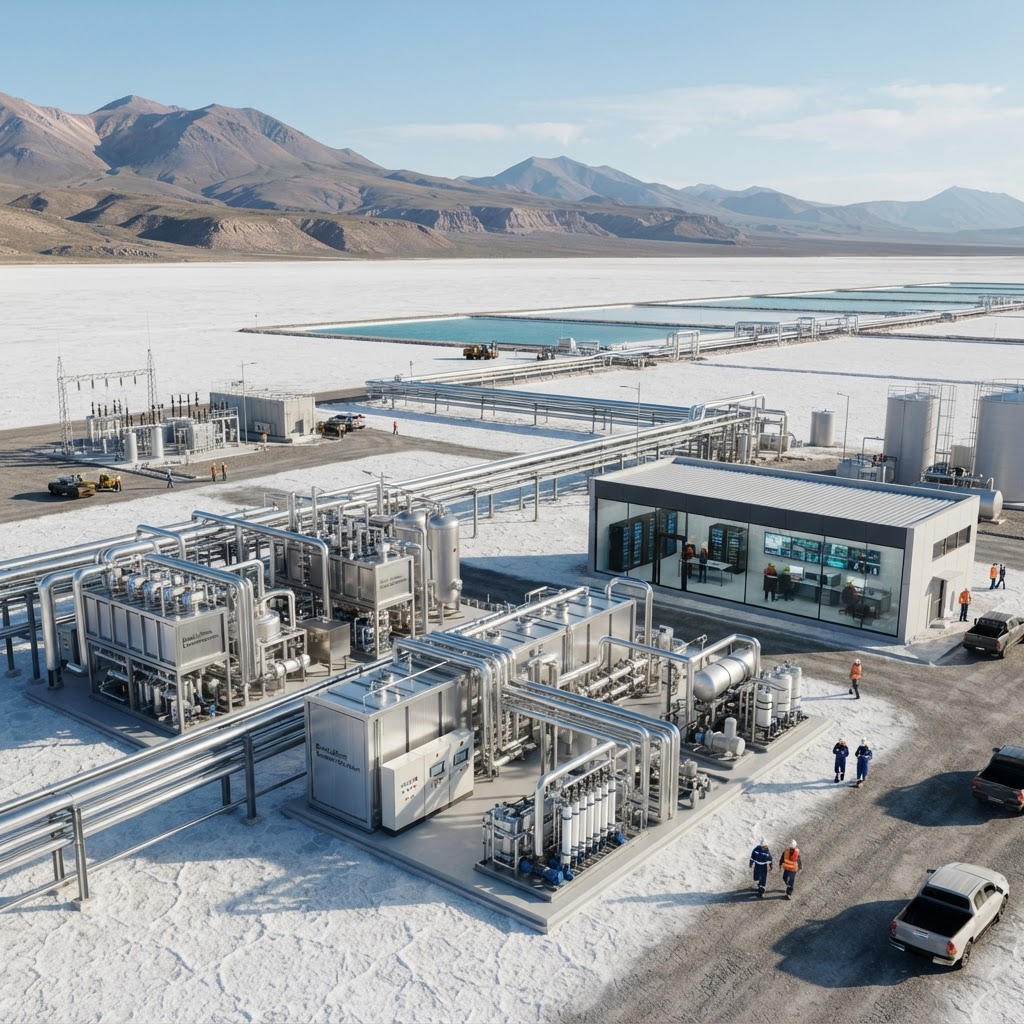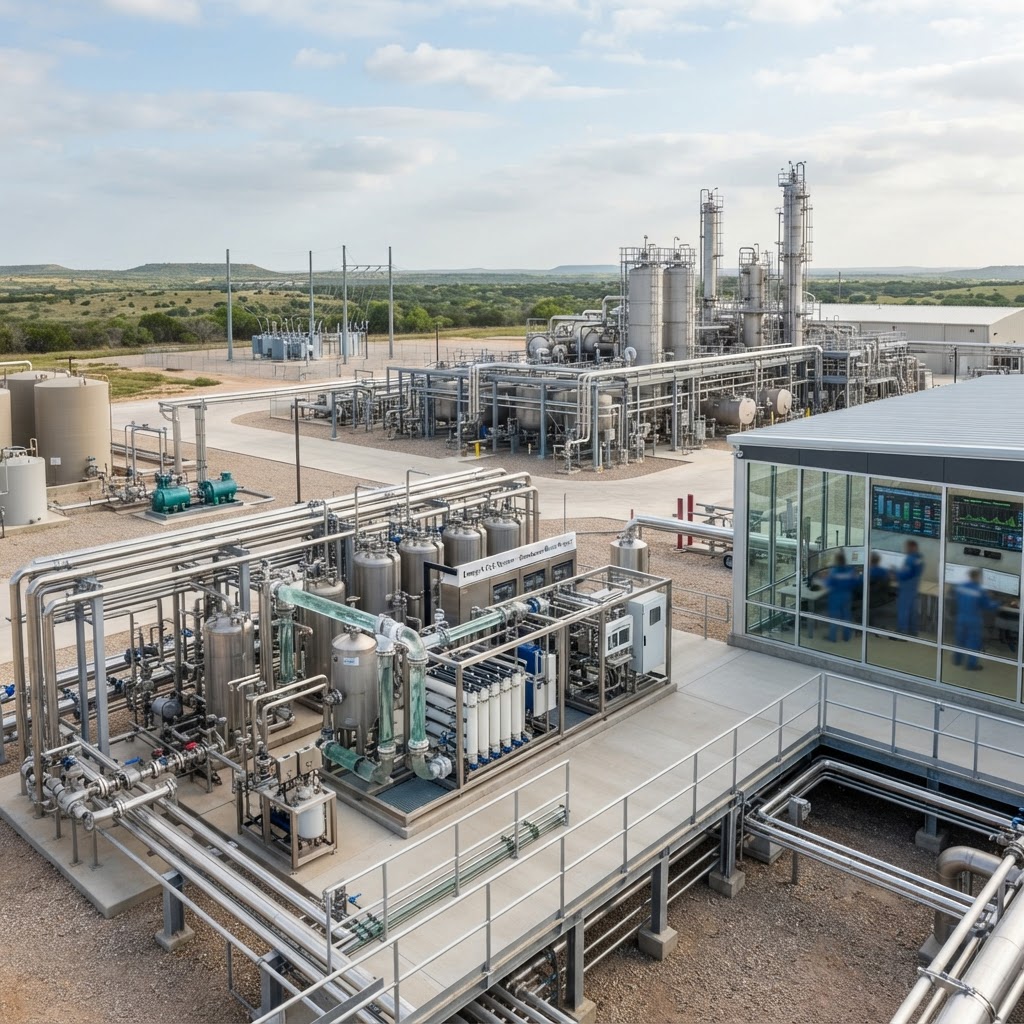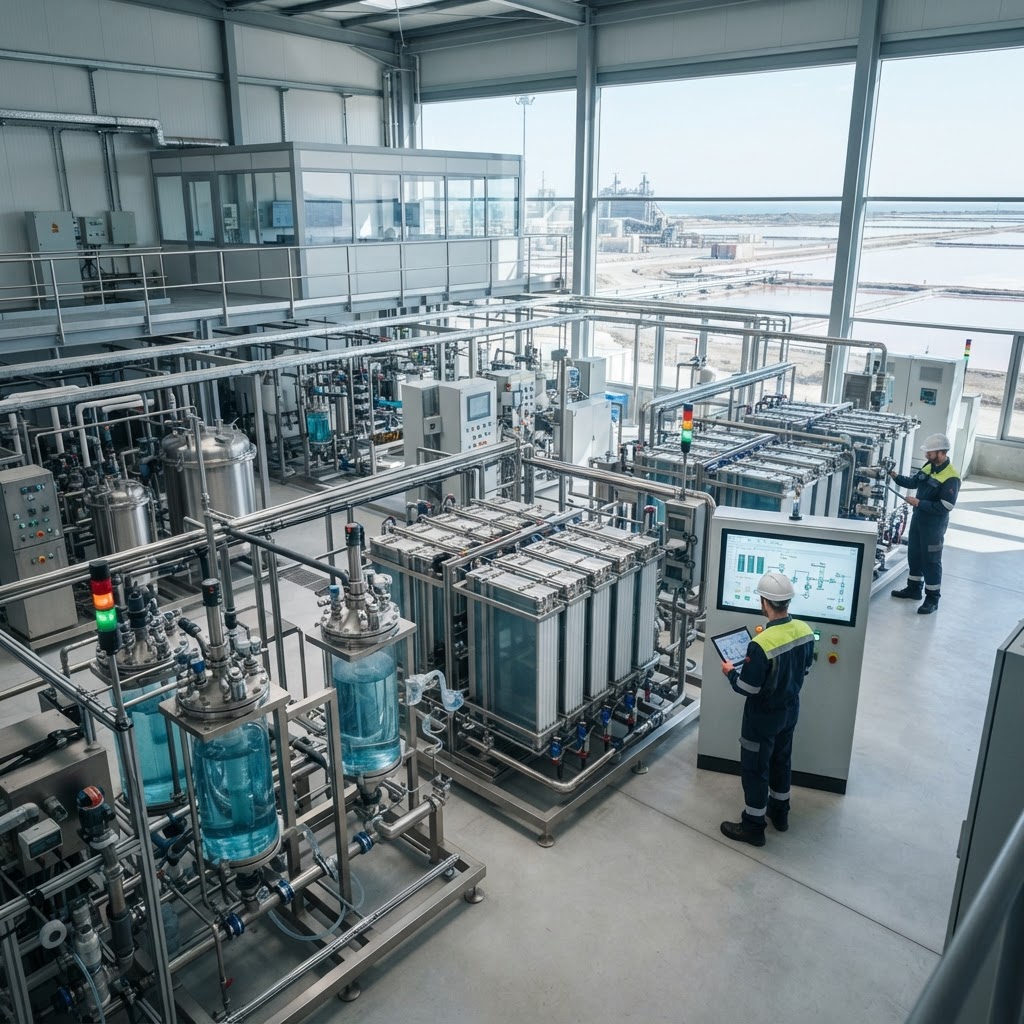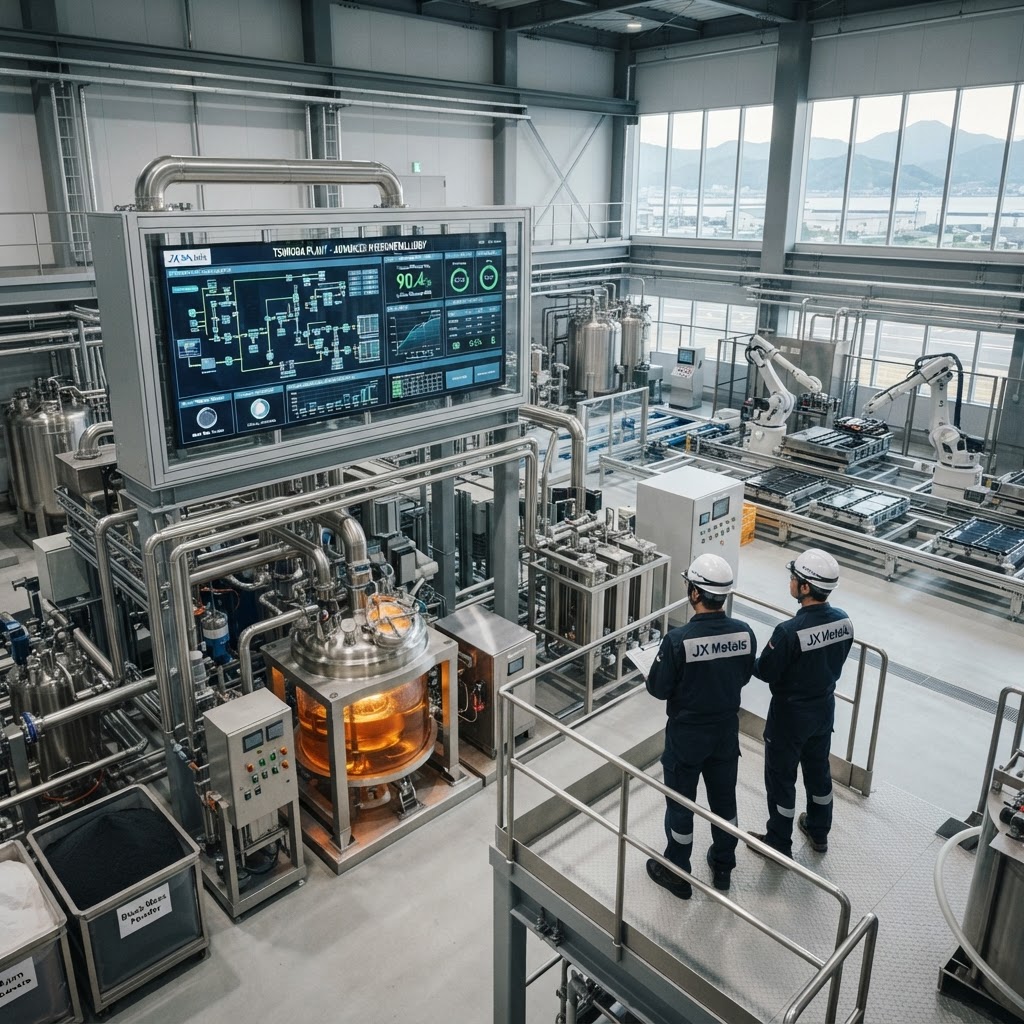
Japan is accelerating its push for mineral self-sufficiency as JX Metals Circular Solutions, a subsidiary of ENEOS Holdings, reports a significant technological breakthrough at its Tsuruga facility in Fukui Prefecture. The company has successfully demonstrated a hydrometallurgical process capable of recovering 90% of lithium from spent electric vehicle batteries, effectively doubling previous industry standards. This milestone arrives as Tokyo implements new recycling mandates, aiming for a 70% recovery rate by 2030. By refining "black mass" into battery-grade lithium hydroxide, JX Metals is positioning Japan to reduce its heavy reliance on imported minerals and Chinese refining capacity, creating a closed-loop domestic supply chain that enhances both economic security and industrial sustainability.
Key Findings
The breakthrough at the Tsuruga plant centers on a refined hydrometallurgical approach that optimizes the chemical leaching and solvent extraction phases. Traditionally, lithium recovery from "black mass"—the powder resulting from crushing spent battery cells—has hovered around 40% to 50% due to the technical difficulty of separating lithium from complex waste streams. JX Metals’ new method not only hits a 90% recovery threshold but also integrates the recovered lithium hydroxide back into the refining process, replacing traditional chemical inputs. This innovation reduces the overall carbon footprint of the recycling operation by approximately 40% compared to conventional methods.
Furthermore, the facility’s success aligns with Japan’s broader legislative environment. A new law taking effect this year mandates the collection and recycling of portable lithium-ion batteries, providing a steady feedstock for industrial-scale operations. The Tsuruga plant’s performance suggests that Japan could meet its national 2030 recycling targets years ahead of schedule. By securing 90% of the lithium, cobalt, and nickel contained in end-of-life batteries, Japanese manufacturers are creating an "urban mine" that could eventually supply a significant portion of the domestic automotive industry’s mineral requirements, insulating the sector from volatile global commodity prices and geopolitical supply disruptions.
Industry Response
The achievement has drawn praise from both government and industry leaders who view battery circularity as a pillar of Japan’s Green Transformation (GX) strategy. Tadashi Nakagawa, Vice President of the Tsuruga facility, emphasized that the team achieved this goal by fundamentally rethinking the chemical interactions required to isolate lithium from other metallic components. This sentiment is echoed by the Battery Recycling Alliance, a consortium of Japanese automakers, which has highlighted the importance of "battery-to-battery" horizontal recycling in maintaining the competitiveness of the domestic EV sector.
Market analysts note that JX Metals’ success provides a blueprint for other Japanese firms, such as Sumitomo Metal Mining, which is also advancing slag-based lithium recovery technologies. The New Energy and Industrial Technology Development Organization (NEDO) has reinforced this momentum through its Green Innovation Fund, which continues to finance high-risk, high-reward recycling projects. Industry experts suggest that the ability to recover high-purity lithium domestically will significantly lower the "green premium" for Japanese EVs. By proving that 90% recovery is commercially viable, JX Metals has shifted the narrative from theoretical sustainability to practical, scalable industrial policy, encouraging further capital deployment into Japan’s burgeoning battery-materials processing infrastructure.
What's Next
Looking ahead, the focus shifts to the commercial scaling of the Tsuruga process and its integration into global supply chains. JX Metals is already exploring international applications, including demonstration experiments in Germany in collaboration with Volkswagen to test the technology’s adaptability to European battery chemistries. Investors are closely watching for potential capacity expansions at the Fukui site, as well as the possible licensing of the hydrometallurgical IP to other global partners.
On the policy front, the Japanese government is expected to use these technological gains to advocate for stricter international recycling standards within the G7 and ASEAN frameworks. The next major milestone will be the full implementation of the 2026 battery collection mandates, which will test the logistics and throughput capacity of Japan’s recycling infrastructure. Additionally, the integration of AI-driven sorting and robotics at the front end of the recycling process is anticipated to further drive down costs and improve safety. As JX Metals moves toward full-scale commercial operations, the success of the Tsuruga plant serves as a critical proof of concept for Japan’s ambition to lead the global transition toward a circular battery economy, ensuring long-term resilience for its flagship automotive and technology sectors.