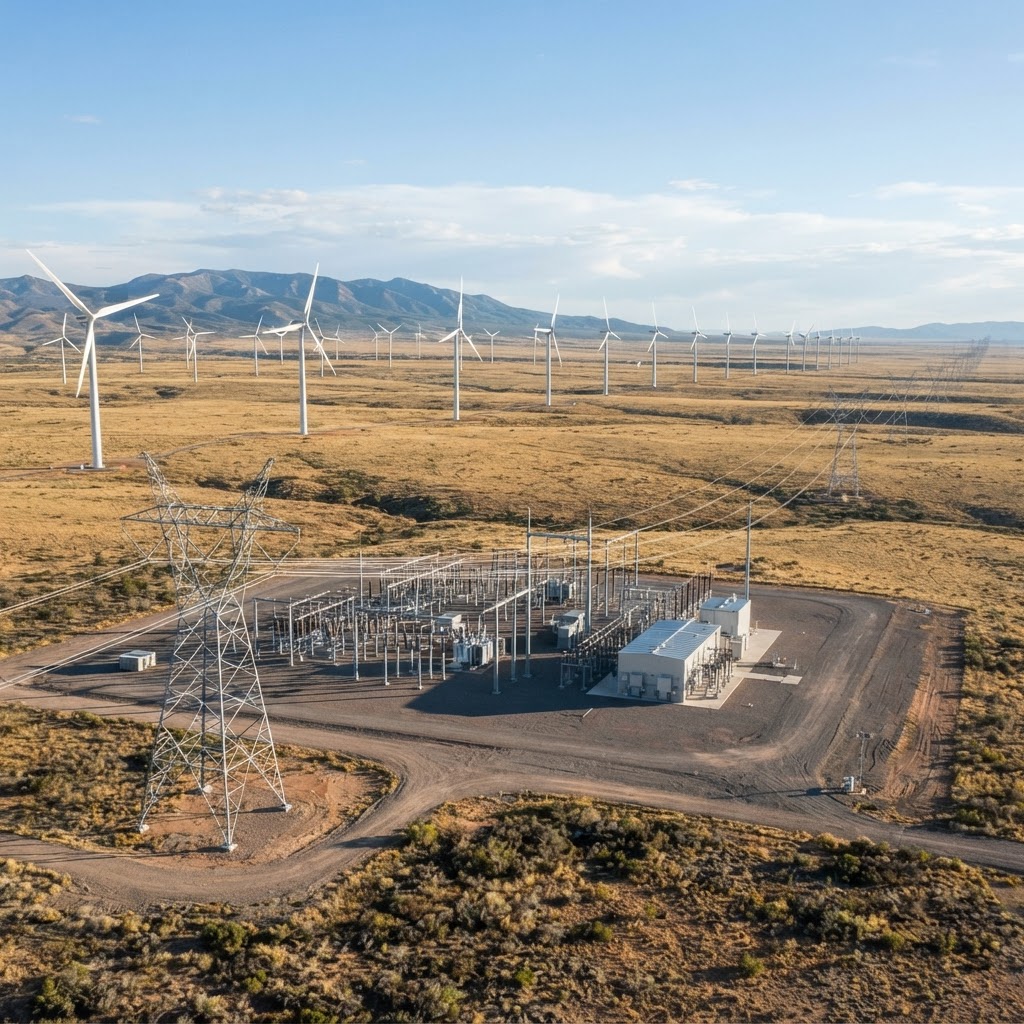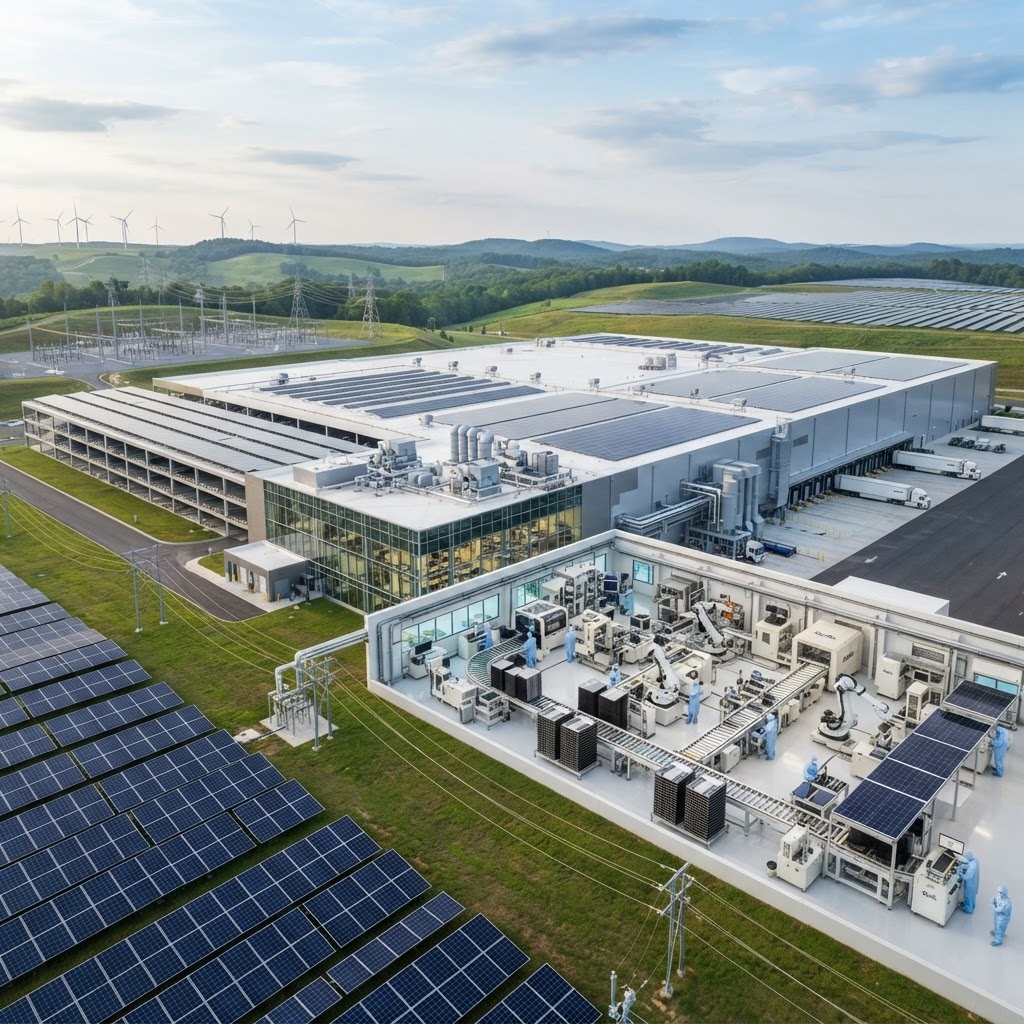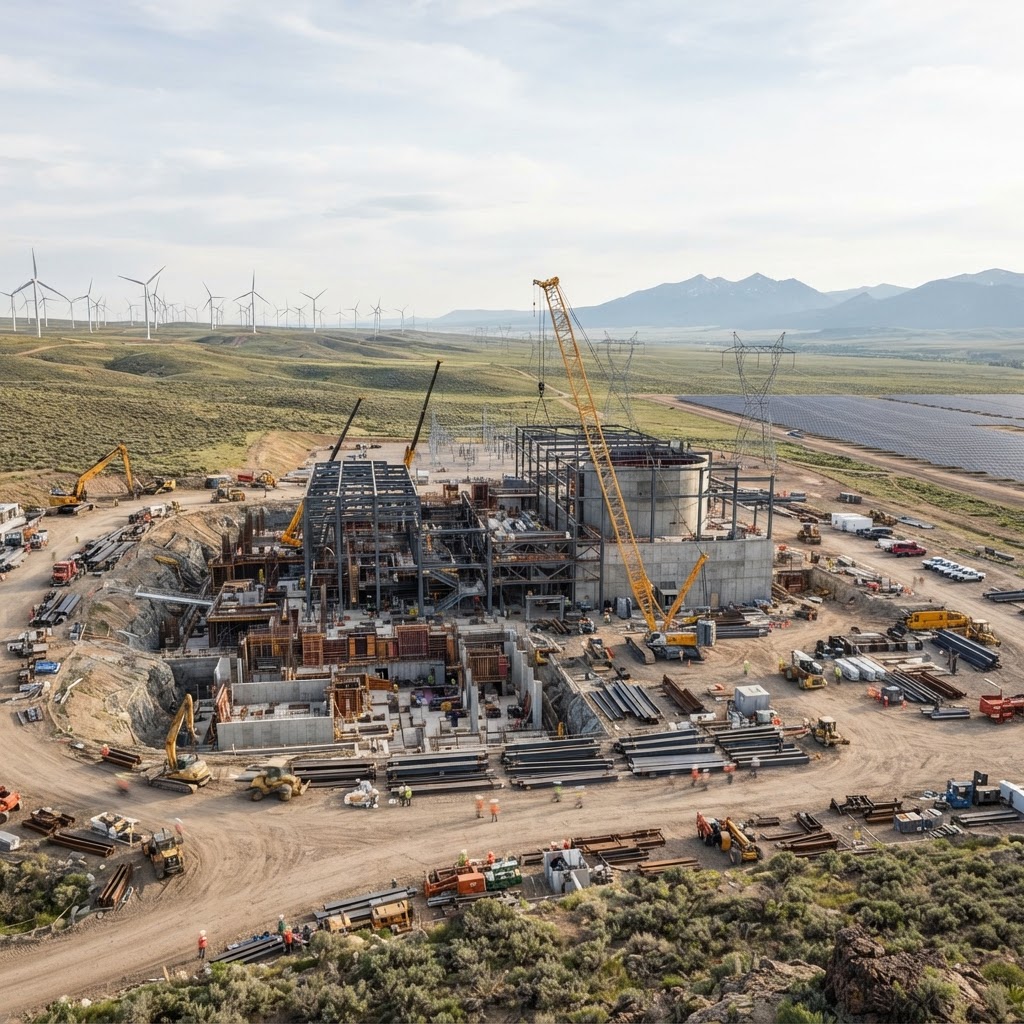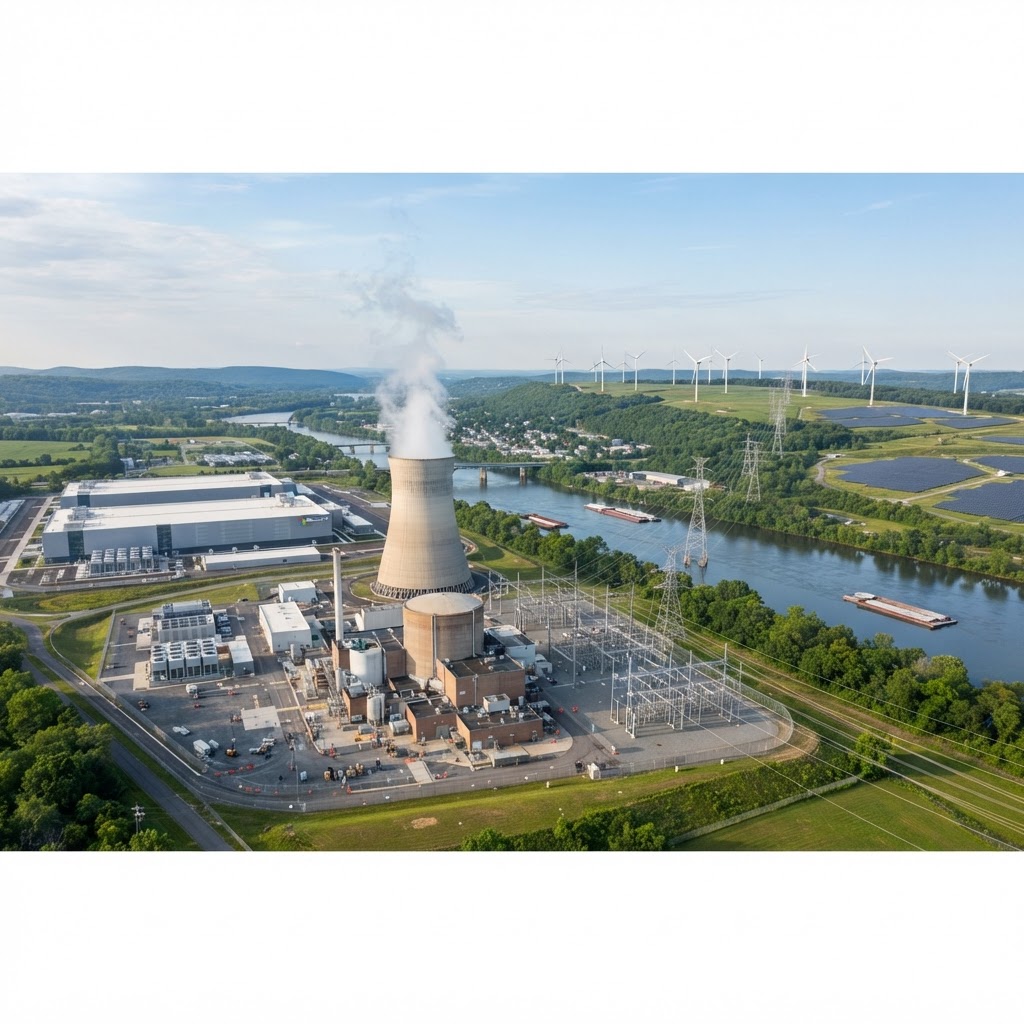
The race to power the artificial intelligence revolution has reached a critical milestone in Pennsylvania, where Constellation Energy is accelerating the restart of the Three Mile Island nuclear facility. By securing a landmark 20-year power purchase agreement with Microsoft, the project aims to restore 835 megawatts of carbon-free, baseload electricity to the grid. This initiative represents a strategic pivot for the energy sector, as hyperscale data center operators increasingly prioritize reliable, 24/7 clean energy to meet the intensive demands of AI workloads. With the project tracking ahead of schedule, Constellation is positioning itself as a primary architect of the modern, decarbonized energy economy.
Key Findings
The restart of the Crane Clean Energy Center is projected to deliver significant economic and environmental benefits. An economic impact study commissioned by the Pennsylvania Building & Construction Trades Council estimates the project will create 3,400 direct and indirect jobs while contributing over $16 billion to the state’s GDP. Beyond employment, the facility is expected to generate more than $3 billion in state and federal tax revenue. From a grid perspective, the plant provides a 92%+ capacity factor, offering the firm, carbon-free power necessary to stabilize regional grids increasingly strained by data center expansion. The project also includes a $1 million philanthropic commitment to local workforce development, ensuring the surrounding community participates in the facility's long-term economic success.
Industry Response
The industry has largely embraced the project as a pragmatic solution to the 'power crunch' facing the tech sector. Microsoft’s leadership has highlighted the collaboration as a vital step in matching data center consumption with reliable, carbon-free energy. Regional stakeholders, including the Harrisburg Regional Chamber, have lauded the investment as an economic boon, emphasizing the importance of revitalizing existing infrastructure to meet modern energy needs. While some analysts note the regulatory complexities of nuclear licensing, the project has received broad support for its potential to serve as a blueprint for future tech-utility partnerships. Industry observers suggest that this model of direct, long-term contracting effectively bypasses traditional market volatility, providing the price certainty required for massive capital-intensive infrastructure projects.
What's Next
The path forward for the Three Mile Island site is defined by rigorous regulatory milestones and infrastructure integration. Constellation is currently working closely with the Nuclear Regulatory Commission to finalize the necessary approvals for the 2027 restart target. As the project progresses, investors are closely monitoring the integration of hourly carbon-free energy matching systems, which will allow Microsoft to track the facility's output in real-time. Looking ahead, the success of this restart will likely serve as a litmus test for the viability of similar nuclear-data center co-location projects across the United States. Future catalysts include the potential replication of this PPA model with other major cloud providers and the ongoing evaluation of how these large-scale nuclear assets interact with evolving federal grid reliability policies.