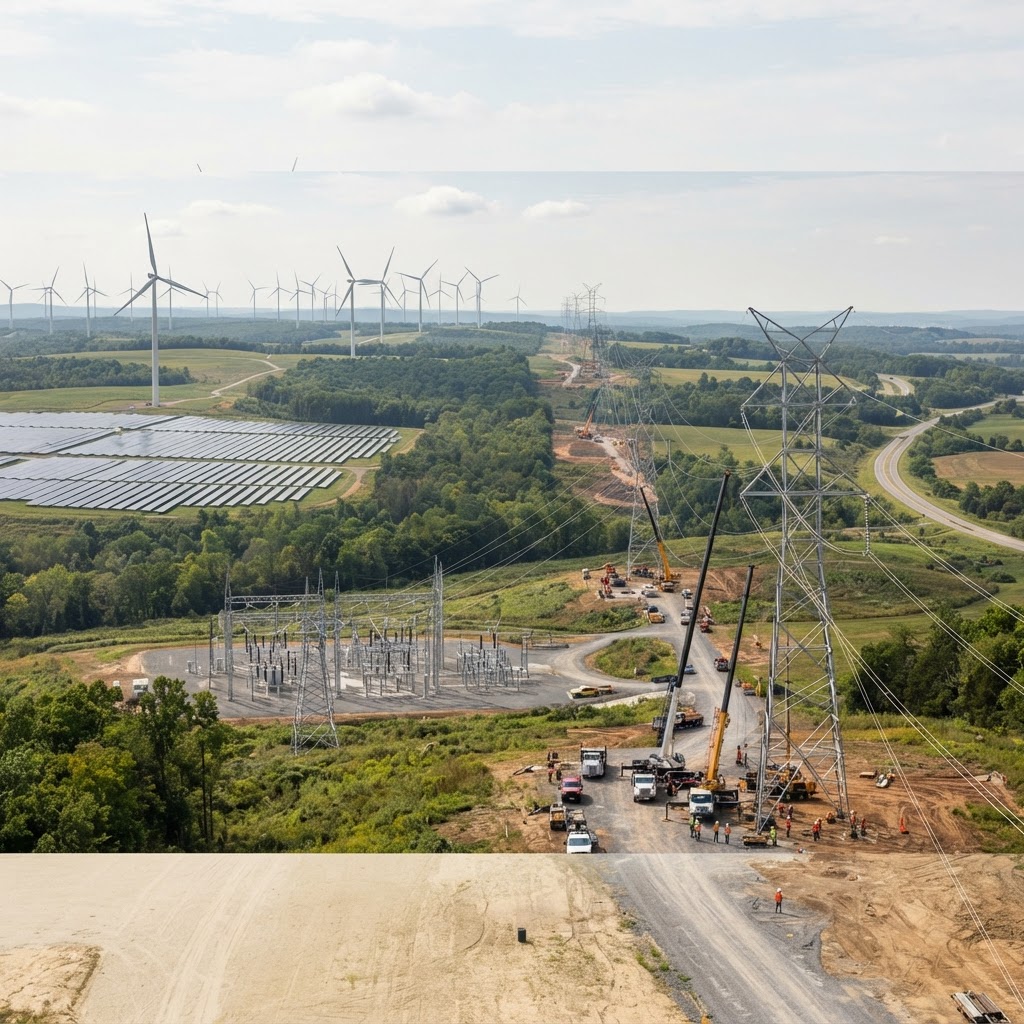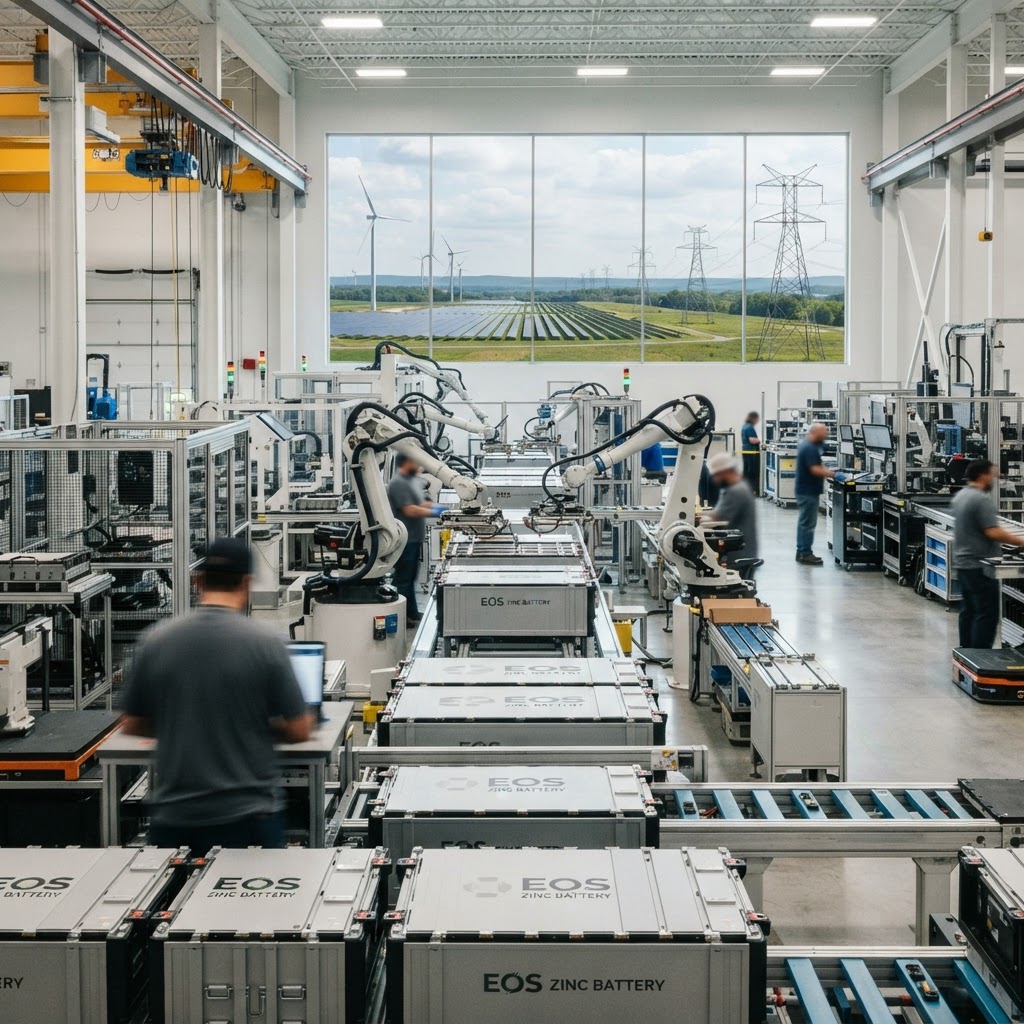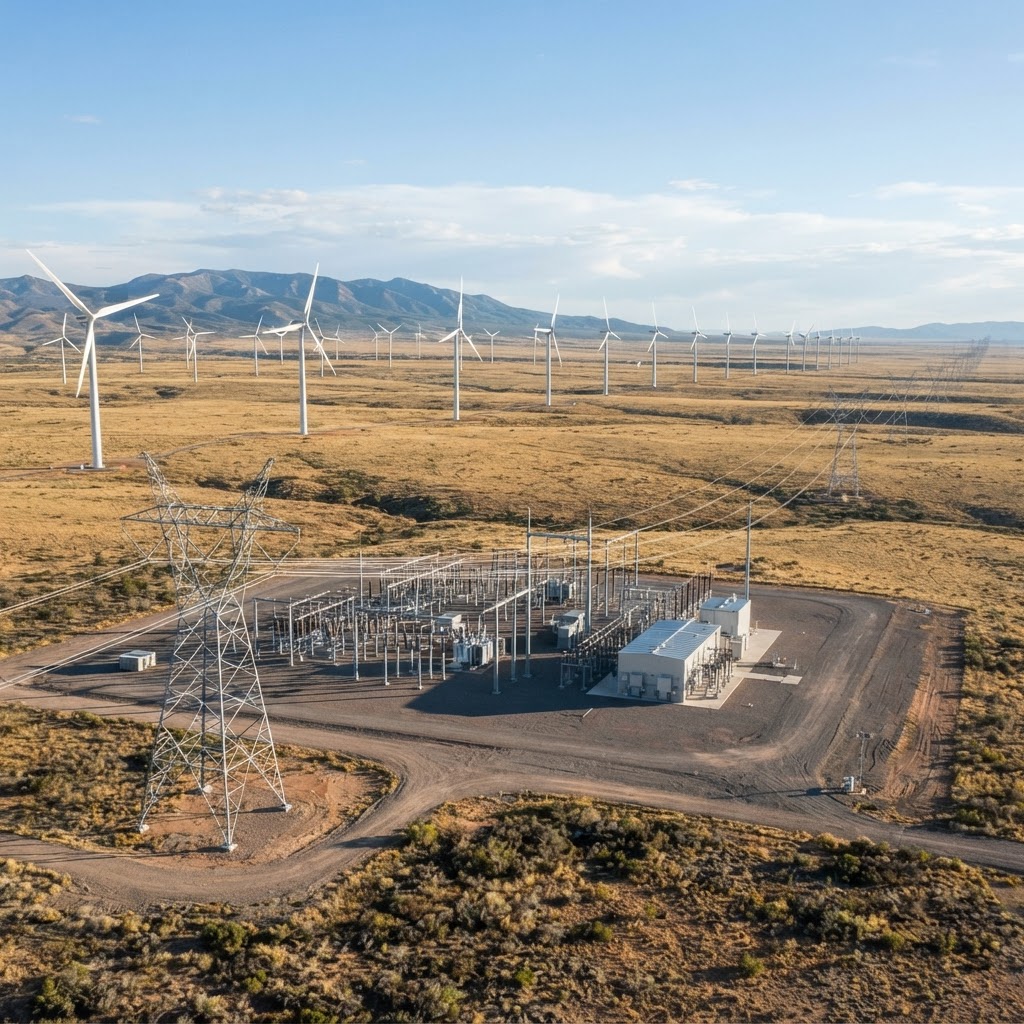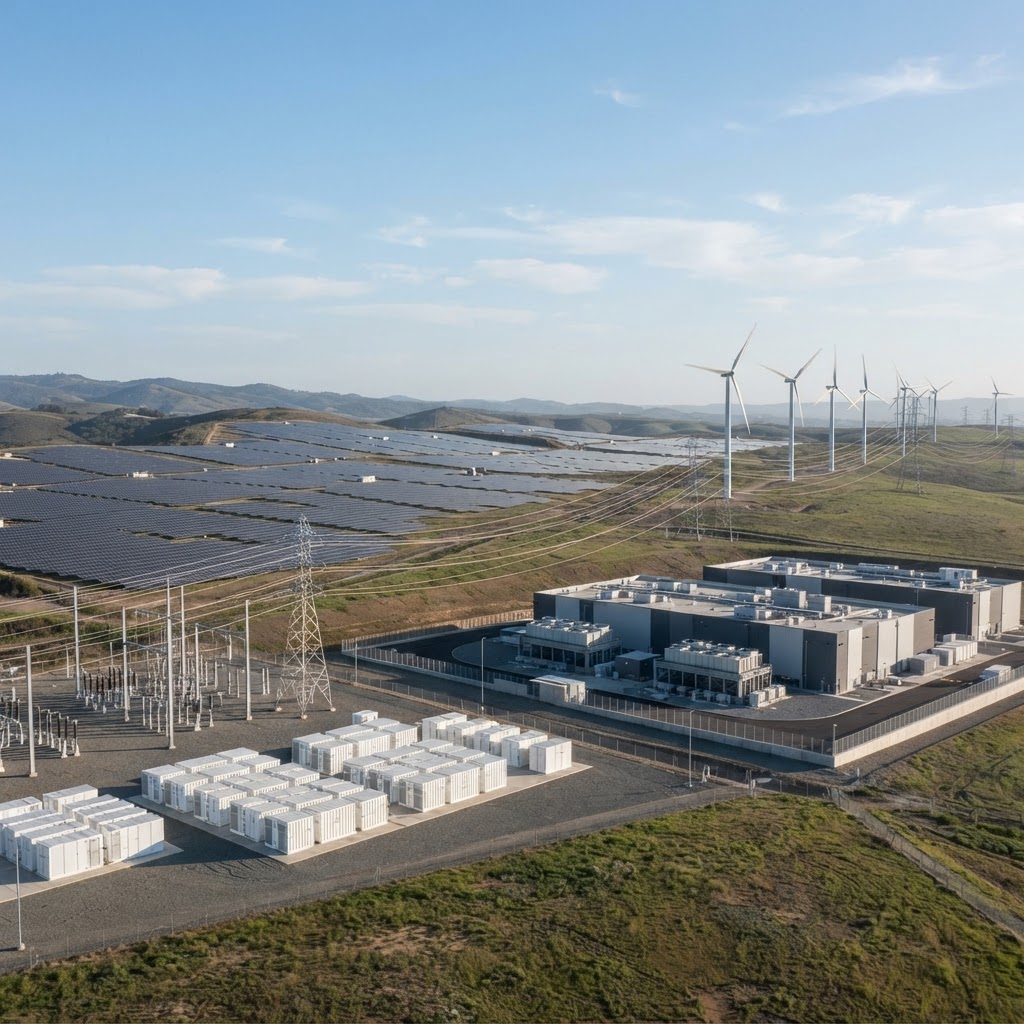
NextEra Energy Inc. has solidified its position as the titan of the U.S. energy transition, unveiling a massive $75 billion capital expenditure program through 2028. This strategic pivot, led by the world’s largest renewable power producer, aims to address the unprecedented surge in electricity demand triggered by the rapid expansion of artificial intelligence and hyperscale data centers. By integrating utility-scale solar, wind, and battery storage with modernized grid infrastructure, NextEra is positioning itself to capture a significant share of the estimated 30 gigawatts of new capacity required by the tech sector by 2035. This capital deployment, heavily de-risked by federal tax incentives, signals a robust new phase of private-sector-led energy policy execution.
Key Findings
The core of NextEra’s strategy lies in its ability to scale multi-technology clean energy solutions that provide both reliability and cost-efficiency. According to NextEra Energy’s Projects and Development Pipeline, the company currently manages nearly 400 projects totaling over 67,000 MW across 37 states. A critical component of the new $75 billion plan is the monetization of transferable tax credits, which are projected to generate between $1.6 billion and $1.8 billion by 2026, as noted in Next Era Energy Energy Storage 2026, 13.5 GW Backlog & Entergy. Furthermore, the company is aggressively expanding its battery storage footprint to ensure grid stability. The successful commissioning of the 409 MW Manatee Energy Storage Center serves as a blueprint for the 7 GW of storage NextEra plans to deploy alongside 12 GW of solar by 2035. This integrated approach is designed to meet the "24/7 clean energy" requirements of major tech firms while navigating the complexities of grid interconnection. The company’s backlog of renewable projects grew by 3 GW in the third quarter of 2025 alone, reflecting sustained momentum despite broader macroeconomic pressures, according to NextEra adds 3GW of renewable generation to backlog in Q3 - PV Tech.
Industry Response
Market analysts and industry groups view NextEra’s massive capital commitment as a bellwether for the broader sector's health. A report from the American Council on Renewable Energy (ACORE) indicates that clean energy investment is likely to reach record highs in 2026, driven by developers racing to meet demand growth and claim expiring tax credits. However, the industry remains wary of external risks. While NextEra’s scale provides a competitive moat, the SWOT Analysis highlights significant policy risks, including potential modifications to the Inflation Reduction Act (IRA), to which approximately 30% of the company’s value is tied. Additionally, supply chain disruptions and grid interconnection delays remain persistent hurdles. Despite these challenges, the partnership between NextEra and GE Vernova to expand natural gas-fired generation alongside renewables suggests a pragmatic industry shift toward "all-of-the-above" solutions to satisfy AI-driven demand, as reported by US renewable power producer NextEra Energy expanding gas-fired generation | Reuters. This hybrid approach is increasingly seen by policymakers as the most viable pathway to maintaining grid reliability while pursuing long-term decarbonization goals.
What's Next
The next 24 months will be a critical execution period for NextEra as it moves from planning to commissioning. Investors are closely watching the development of the 15,000 to 30,000 MW of new generation capacity specifically earmarked for U.S. data centers through 2035. A major milestone will be the continued rollout of the "solar-plus-storage" standard deployment model, which has already seen success at the Wheatridge facility, North America’s first utility-scale plant to co-locate wind, solar, and battery storage. According to Next Era Energy Energy Storage 2026, 13.5 GW Backlog & Entergy, the company’s 13.5 GW backlog provides a clear roadmap for near-term growth. Furthermore, the International Energy Agency (IEA) expects global energy investment to hit record levels in 2025, providing a supportive global backdrop for NextEra’s domestic expansion. Key catalysts to watch include the finalization of IRS regulations on clean electricity tax credits, which will clarify the financial landscape for offshore and onshore projects alike. As NextEra navigates these regulatory waters, its ability to maintain its $75 billion spending pace will serve as a primary indicator of the U.S. energy sector's capacity to meet the digital age's power needs.