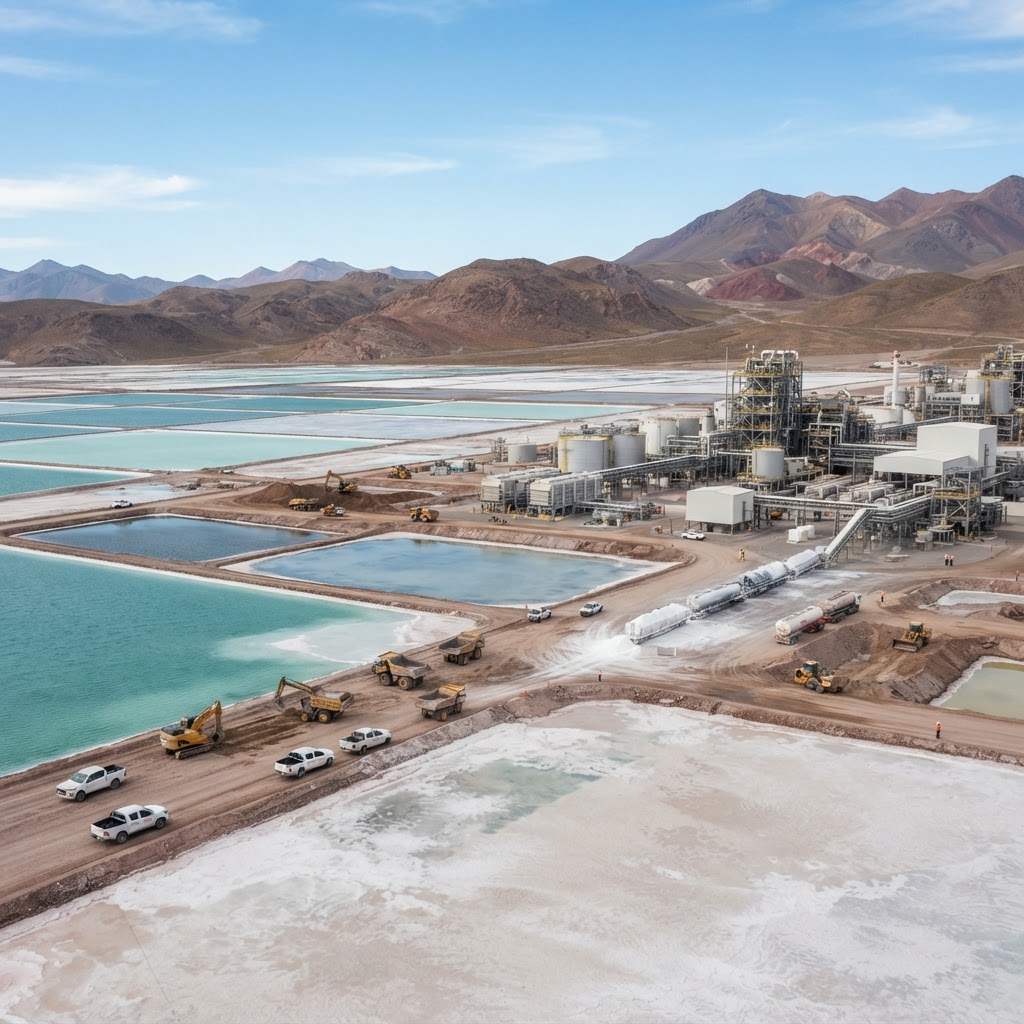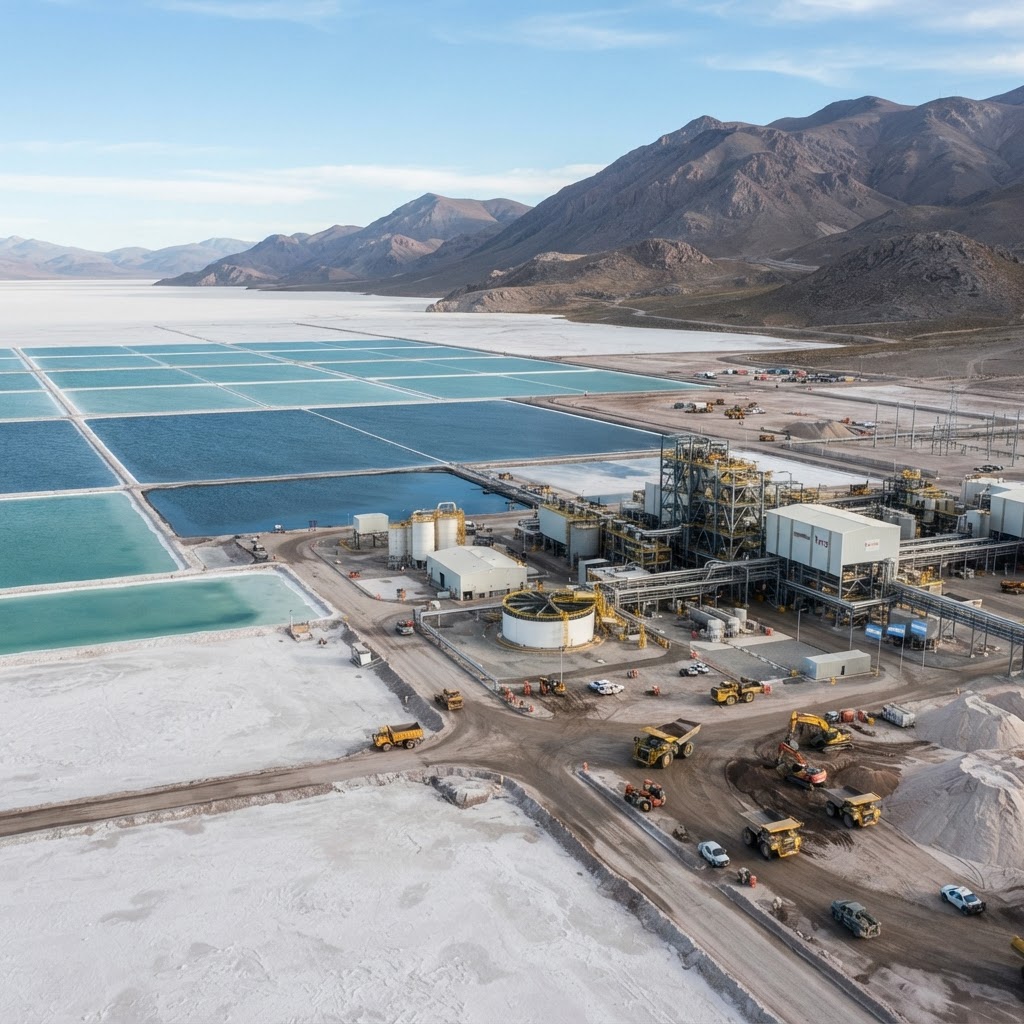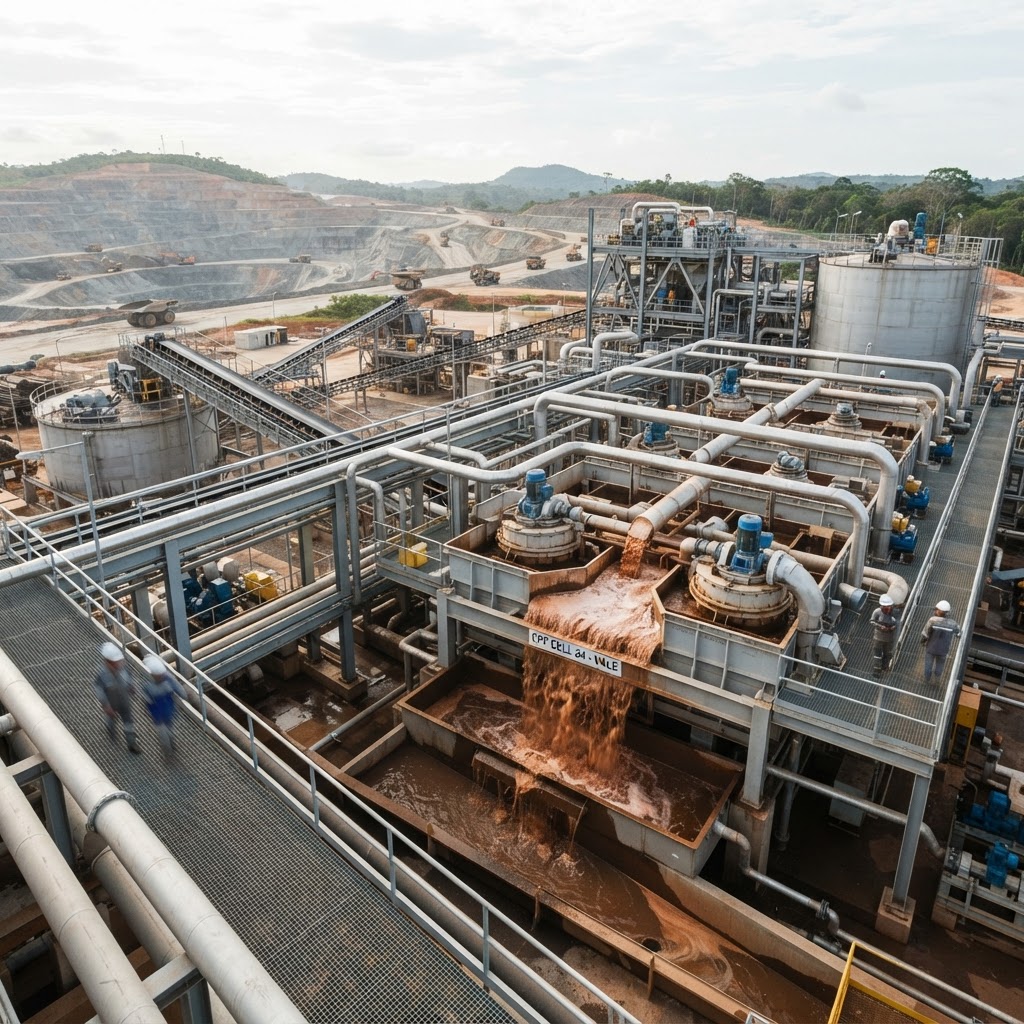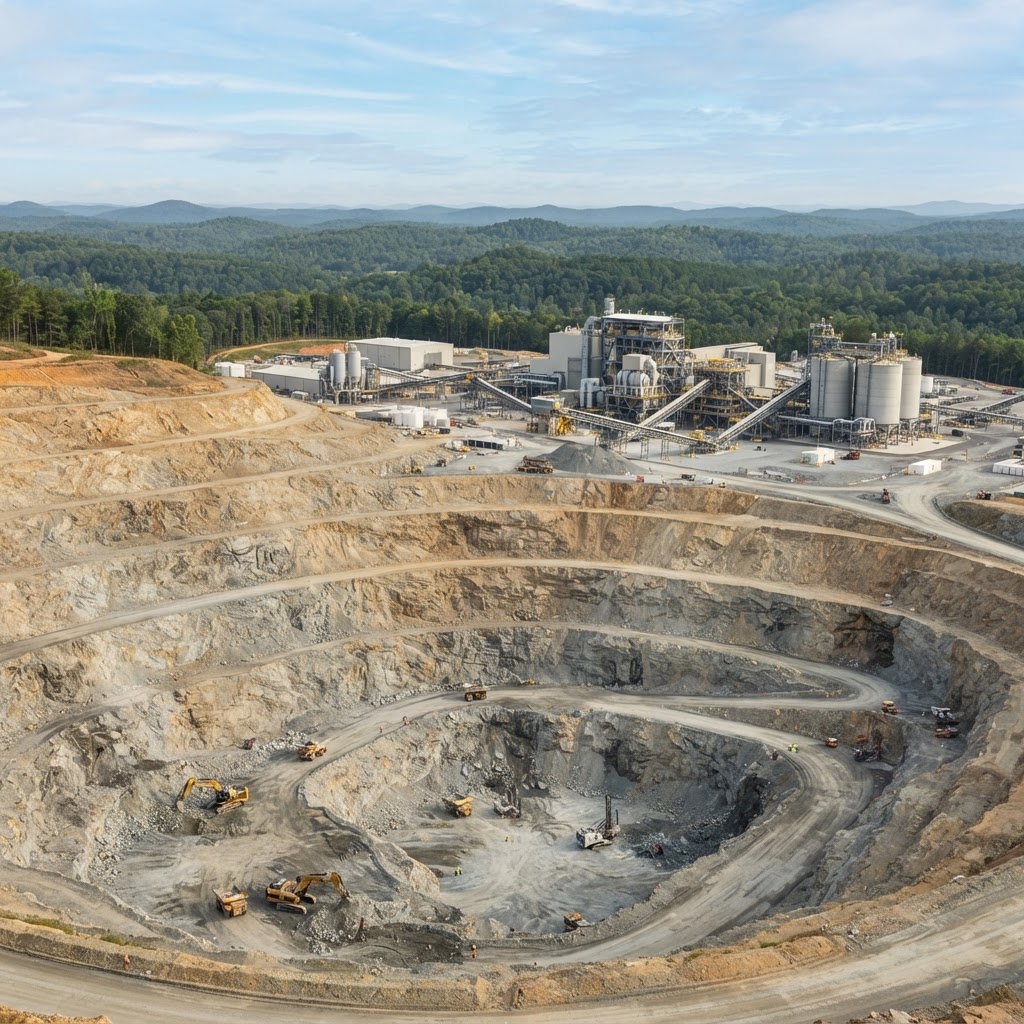
Albemarle Corp. has achieved a critical operational milestone in its effort to revive domestic lithium production, completing the dewatering of the historic Kings Mountain open-pit mine in North Carolina. This development, confirmed in recent technical updates, marks a significant step toward reopening one of North America’s most prolific hard-rock lithium deposits. As the global race for battery-grade materials intensifies, the project stands as a cornerstone of the U.S. strategy to reduce reliance on overseas refining. Supported by Department of Energy grants and integrated into the broader Project Vault federal financing framework, the site is poised to become a primary hub for spodumene ore processing, signaling a robust recovery in domestic mining capital deployment.
Key Findings
The Kings Mountain project is designed to produce and process approximately 3.1 million tons of lithium-bearing spodumene ore annually, providing a stable feedstock for the domestic battery supply chain. The successful dewatering of the pit, which had been inactive since the 1980s, allows Albemarle to transition into the advanced construction and mineral processing facility design phases. This progress is bolstered by the U.S. Department of Energy’s proposal to partially fund the construction and start of operations through a dedicated grant under the EA-2265 environmental assessment framework. Furthermore, the project benefits from the newly established Project Vault initiative, a $10 billion EXIM loan structure designed to de-risk critical mineral projects. This financing model, which includes nearly $2 billion in private capital, functions as a strategic insurance policy for original equipment manufacturers (OEMs). By allowing manufacturers to pre-fund supply certainty through commitment fees, the structure provides a buffer against the spot-market volatility that has historically plagued the lithium sector. Analysts note that the integration of Kings Mountain into this federal ecosystem significantly lowers the cost of capital for Albemarle, ensuring the project remains viable even amid fluctuating global commodity prices.
Industry Response
Industry leaders and policymakers have hailed the progress at Kings Mountain as a validation of the Battery Belt strategy in the Southeast U.S. The Center for Climate and Energy Solutions (C2ES) highlighted that North Carolina’s hard-rock deposits offer a unique opportunity for an end-to-end supply chain, from extraction to cell fabrication. Eric Norris, Albemarle’s President of Energy Storage, has previously emphasized that the site will utilize advanced lithium material technologies to meet the 28% year-over-year demand growth projected for the sector. Financial analysts at Deloitte and Standard Bank suggest that the bipartisan political will behind the One, Big, Beautiful Bill and the February 2026 Critical Minerals Ministerial has created a more predictable investment climate. The shift toward friend-shoring and direct federal equity participation is seen as a necessary counterweight to China’s continued dominance in refining. While the International Energy Agency (IEA) warns that geographical concentration remains high, the momentum at Kings Mountain is viewed by market participants as a tangible shift toward diversification. Trade groups note that the project’s ability to secure final environmental clearances and community partnerships sets a benchmark for other domestic juniors, such as Elevra’s nearby Carolina Lithium project, which is also navigating the development stage.
What's Next
Looking ahead, Albemarle is moving toward the final design and procurement phase for its on-site mineral processing plant. The company expects to leverage the $13/kg LCE production cost advantage inherent in high-grade hard-rock assets to remain competitive against lower-cost brine operations in South America. Key catalysts for the remainder of 2026 include the finalization of the DOE’s environmental impact findings and the potential for additional off-take agreements with domestic automotive OEMs seeking to qualify for federal tax credits. The broader market will also be watching the implementation of the Section 232 executive orders and the expansion of the National Defense Stockpile, which could provide a guaranteed floor for domestic production. As China continues to implement export controls on minerals like tungsten and rare earths, the urgency to bring Kings Mountain online by the late 2020s has become a matter of national economic security. Investors should monitor upcoming mine tours and technical disclosures scheduled for the second half of the year, which will provide more granular data on ore grades and recovery rates. The project’s success is expected to catalyze further investment in the Southeast’s refining infrastructure, solidifying the region’s role as a global leader in the energy transition.