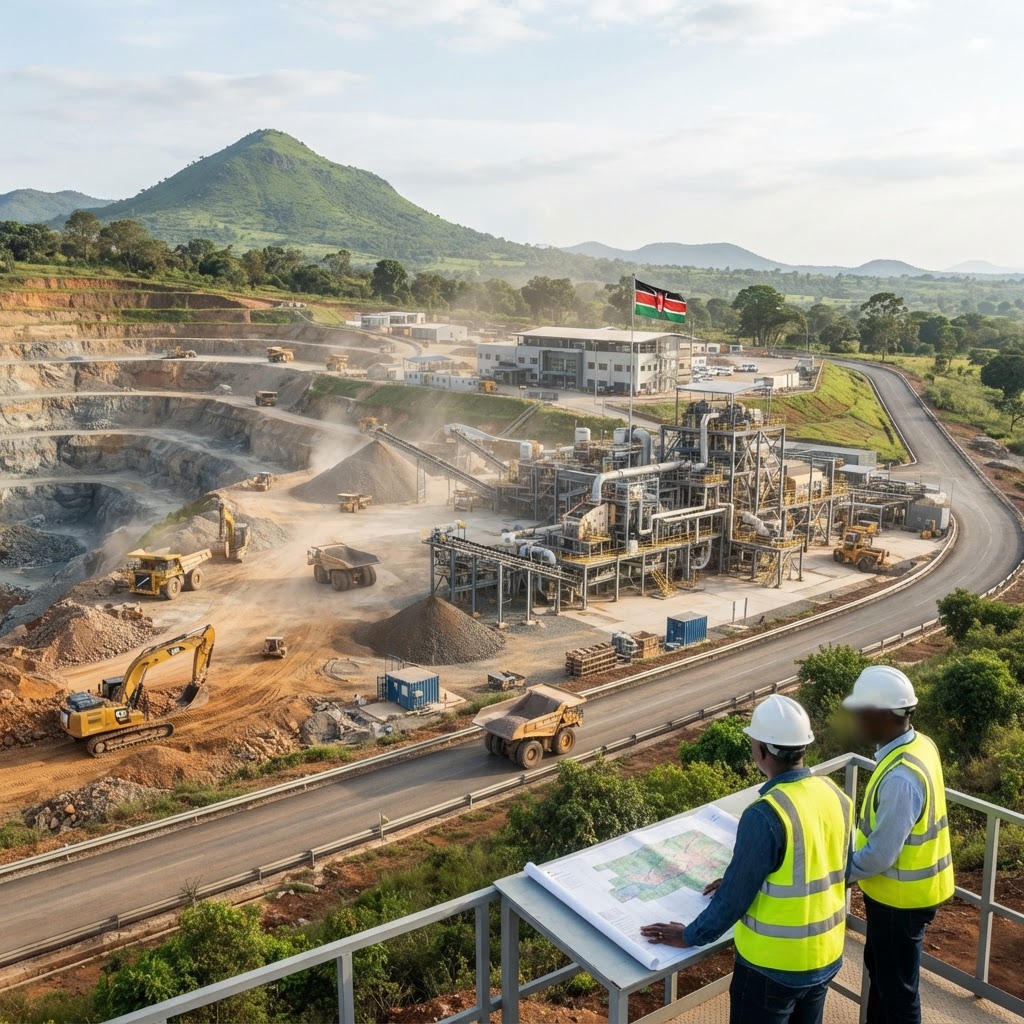
Kenya has officially selected a US-led consortium to develop the high-value Mrima Hill critical minerals deposit, marking a significant milestone in Washington’s strategy to diversify global supply chains. The Frontier Minerals consortium, which includes Indiana-based ReElement Technologies and American Resources Corporation, secured the rights to the project after a competitive international tender process. Located in southeastern Kenya, the site is estimated to hold tens of billions of dollars in rare earth elements and niobium, a critical metal for aerospace manufacturing. This development underscores a growing trend of US-backed investment in African mineral assets, aimed at reducing reliance on dominant Chinese processing capacity and securing essential materials for defense and electronics.
Key Findings
The selection of the Frontier Minerals consortium follows a rigorous tender process that saw interest from multiple international bidders, including groups from Australia and China. Preliminary assessments by the Kenyan mining ministry indicate that Mrima Hill contains substantial reserves of rare earth minerals and niobium, positioning the project as a strategic asset for the global energy transition. The consortium’s proposal emphasizes the development of local processing and refining capacity, aligning with Kenya’s national mandate to capture more value from its mineral exports. By focusing on domestic value-add, the project aims to create long-term economic opportunities for Kenyan workers and businesses while adhering to international environmental management standards. The project’s success is viewed as a critical test case for US-Africa mineral partnerships, demonstrating how targeted investment can unlock high-grade deposits that have historically remained underdeveloped due to capital and technical constraints.
Industry Response
The decision has drawn significant attention from the global mining community, with rival bidders signaling their intent to challenge the outcome. Representatives from the Mrima Earth consortium and Australia’s RareX have indicated they will pursue formal reviews of the procurement process, citing procedural concerns. Despite these challenges, the Kenyan government maintains that the selection process was transparent and designed to prioritize the most capable technical partners. Brad Barnett, managing member of the Frontier consortium, stated that the group is committed to prioritizing environmental performance and capacity-building. Industry analysts note that while the project faces potential hurdles—including local community engagement and the need for comprehensive prospecting licenses—the backing of US-based technical expertise provides a strong foundation for project viability. The move is widely interpreted as a direct response to the tightening of global export controls on rare earths, with stakeholders closely watching how the consortium navigates the complex regulatory and social landscape in southeastern Kenya.
What's Next
The immediate path forward for the Frontier Minerals consortium involves intensive engagement with local communities and the formal acquisition of prospecting licenses. Given the site’s location within a forest area considered sacred by local residents, the consortium must navigate sensitive social and environmental impact assessments to secure a social license to operate. Following these milestones, the project will transition into the feasibility and engineering phase, where the focus will shift to designing the processing and refining infrastructure required to bring the minerals to market. Investors are looking toward the first half of 2027 for updates on project timelines and the finalization of development agreements. Success at Mrima Hill would not only provide a new source of rare earths for the US market but also serve as a blueprint for future US-led mining initiatives across the African continent, potentially catalyzing further capital deployment into the region’s underexplored critical mineral sectors.