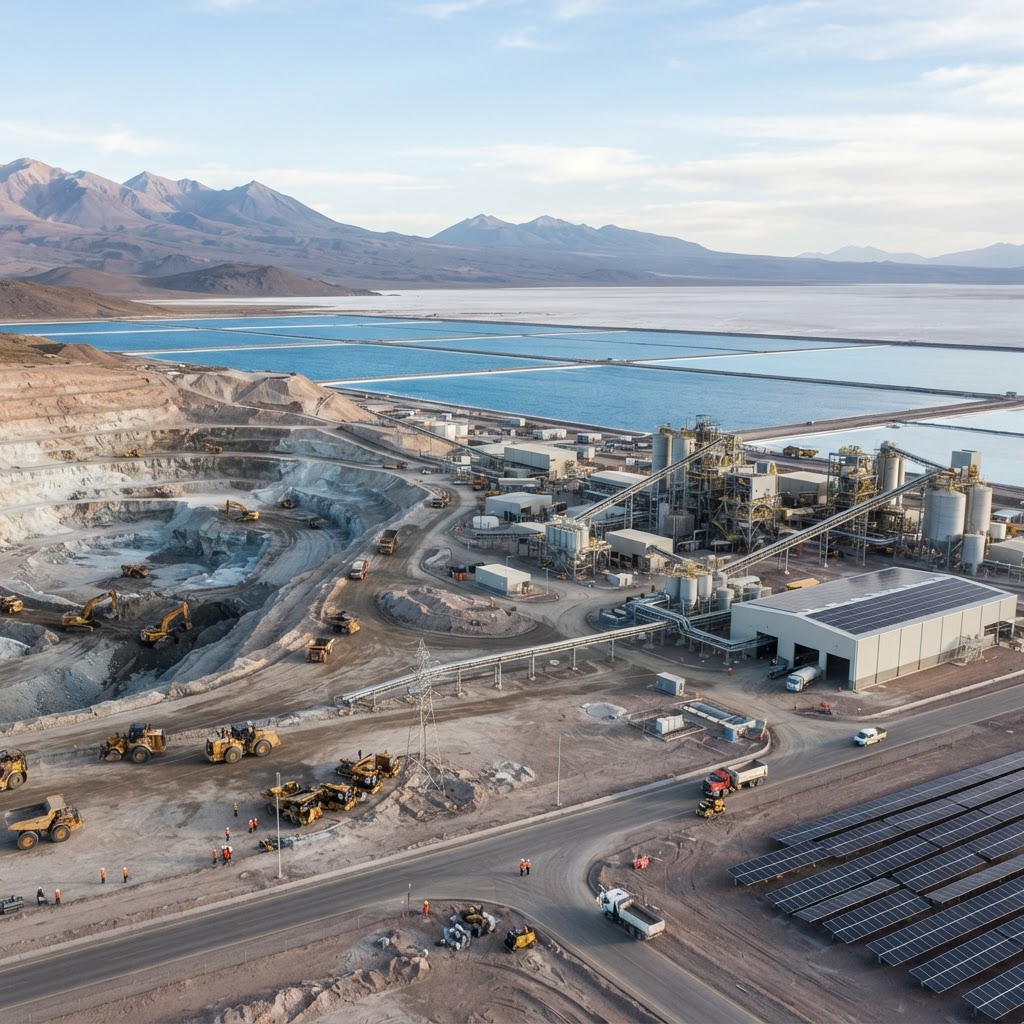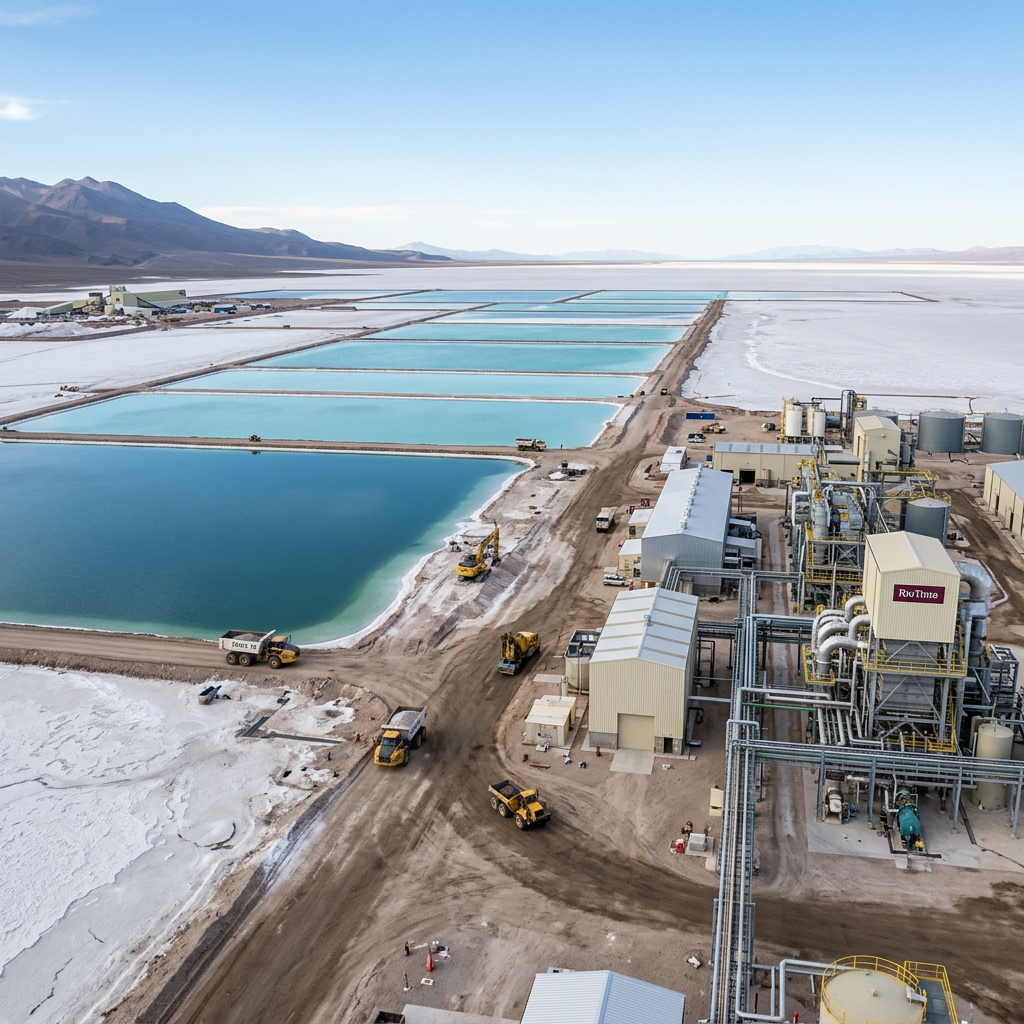
Rio Tinto has officially inaugurated two major lithium projects in Argentina’s Catamarca province, marking a significant milestone in the company’s strategy to scale its battery materials portfolio. The $1.4 billion investment covers the Fénix 1B expansion and the new Sal de Vida operation, both of which achieved first production ahead of schedule in the second quarter of 2026. Together, these assets are set to contribute 25,000 tonnes of annual lithium carbonate equivalent (LCE) capacity. This development reinforces Rio Tinto’s commitment to its ambitious global target of 200,000 tonnes of annual LCE production by 2028, positioning the miner as a cornerstone supplier for the rapidly expanding electric vehicle supply chain.
Key Findings
The inauguration of the Fénix 1B and Sal de Vida projects represents a critical step in Rio Tinto’s multi-year growth strategy. The Fénix 1B expansion adds 10,000 tonnes of annual LCE capacity to the existing site, which has been operational since 1997, bringing its total target to 40,000 tonnes. Meanwhile, the Sal de Vida facility adds a further 15,000 tonnes of annual capacity. These projects are integral to the company’s broader goal of reaching 200,000 tonnes of global LCE capacity by 2028. Despite some initial equipment-related delays noted in the third-quarter operations review, the company remains focused on a disciplined ramp-up. The projects benefit from the established expertise of the local Argentine workforce and leverage decades of operational history in the Catamarca region, ensuring that the company remains well-positioned to meet the long-term demand for high-quality battery-grade lithium carbonate.
Industry Response
The official opening ceremony, attended by Argentine President Javier Milei and Catamarca Governor Raúl Jalil, underscored the strategic importance of these investments to the national economy. Rio Tinto Chief Executive Simon Trott emphasized that the projects demonstrate the company’s industry-leading delivery capability and its commitment to creating lasting value for shareholders and local communities. Industry analysts view the successful commissioning of these assets as a positive indicator for the region, particularly as Argentina continues to attract significant capital under its Large Investment Incentive Regime (RIGI). The collaboration with local stakeholders and the focus on operational discipline are seen as essential components for navigating the current volatility in lithium pricing while maintaining a competitive cost profile in the global market.
What's Next
Looking ahead, Rio Tinto is already evaluating further growth opportunities within its Argentine portfolio. The company is considering a potential Fénix II expansion, which would require an additional $1 billion investment, with a final investment decision anticipated toward the end of the decade. Furthermore, the company plans to submit this proposed expansion to Argentina’s RIGI framework next year to secure long-term regulatory and fiscal stability. Concurrently, development continues at the separate Rincon project in Salta, where construction remains on track for first production in 2028. With a target capacity of 60,000 tonnes per annum at Rincon, Rio Tinto is building a diversified, multi-asset platform in Argentina that will be pivotal in supporting the global energy transition through the end of the 2030s.