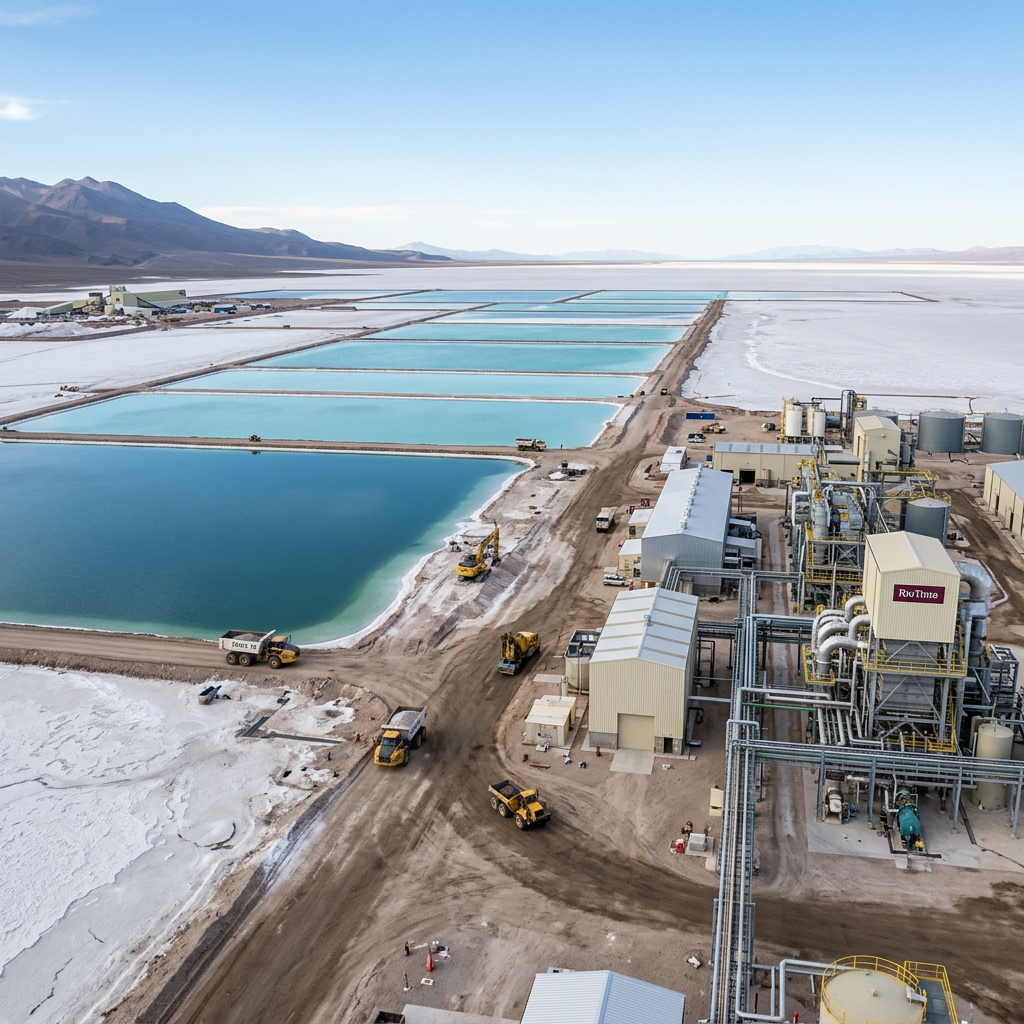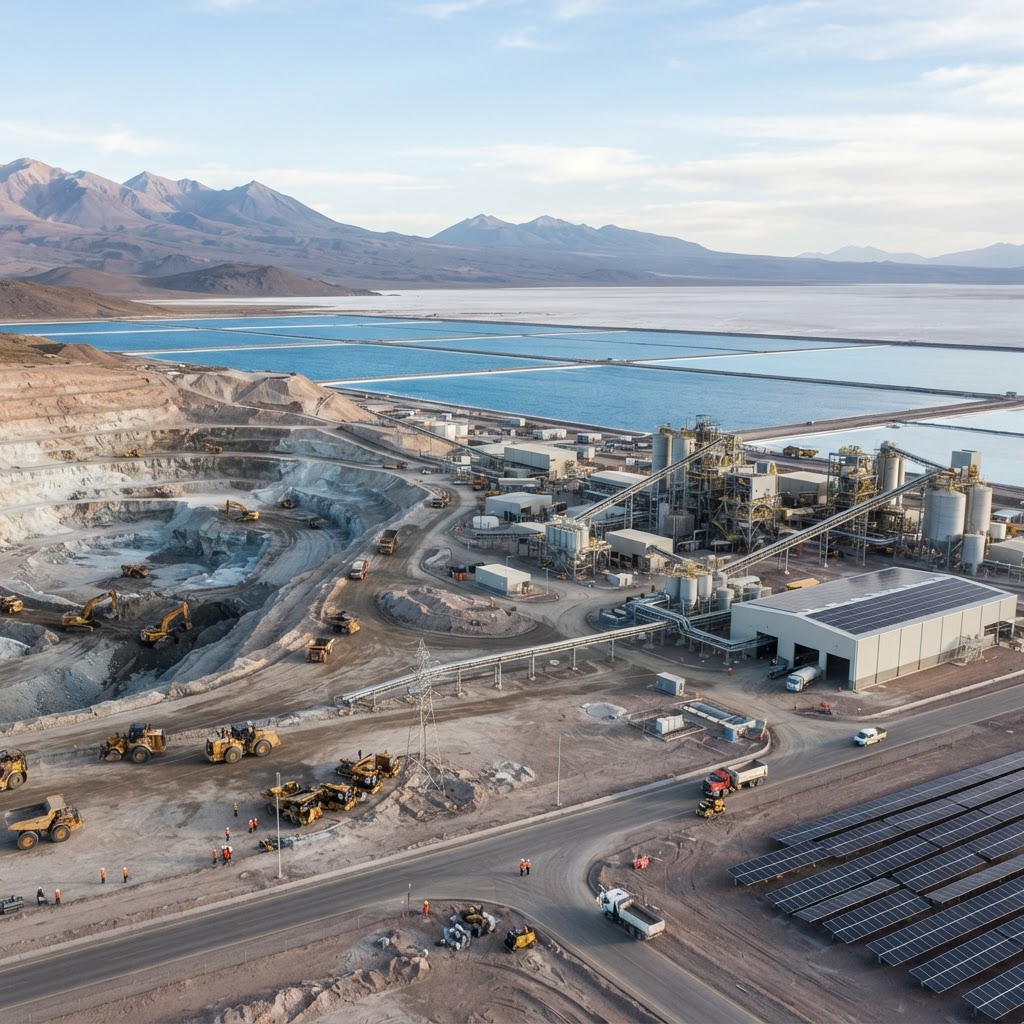
Chile is moving to solidify its position as a global lithium powerhouse, with Mining Minister Daniel Mas announcing plans to launch five new lithium project tenders next year. Speaking during LME Week in London, Mas outlined a strategic pivot toward private-sector leadership, aiming to more than double the nation’s annual lithium output to 700,000 metric tons within the next decade. This initiative represents a significant acceleration in Chile’s industrial policy, moving beyond previous state-centric models to foster rapid development. By streamlining permitting and incentivizing private investment, the government seeks to capitalize on surging global demand for battery-grade materials, ensuring Chile remains a cornerstone of the international electric vehicle supply chain.
Key Findings
The proposed expansion is underpinned by a fundamental shift in Chile’s regulatory environment. Under the administration of President Jose Antonio Kast, the government is prioritizing corporate tax cuts and investment incentives to revitalize the mining sector. A critical component of this strategy is the aggressive reduction of bureaucratic hurdles; Minister Mas reported that appeal processing times have already been slashed by 80%, with 22 mining projects worth nearly $3 billion approved this year alone. The upcoming tenders are designed to be fully privately operated, a departure from the public-private partnership model introduced in 2023. This policy evolution is intended to provide the long-term stability required for large-scale capital deployment, effectively transforming Chile from a jurisdiction where projects historically faced indefinite delays into a streamlined hub for critical mineral extraction. The goal is to leverage Chile’s vast reserves to meet the escalating requirements of the global energy transition, providing a reliable, high-volume source of lithium for international battery manufacturers.
Industry Response
The industry has reacted with cautious optimism to the government’s commitment to speed and private-sector autonomy. Analysts note that the transition toward a more market-friendly regulatory framework is essential for attracting the multi-billion dollar investments required for greenfield lithium projects. By signaling a departure from the previous administration’s focus on state-led partnerships, the government is addressing a primary concern for international mining firms: operational control and project certainty. Trade groups and mining executives have long advocated for the very reforms now being implemented, particularly the focus on shortening permitting timelines. The industry views the commitment to five new tenders as a clear signal that Chile is ready to compete aggressively with other emerging lithium jurisdictions. While the success of these tenders will ultimately depend on the specific terms and environmental compliance requirements, the current momentum suggests a renewed confidence among investors that Chile is prioritizing industrial growth and global competitiveness in the critical minerals space.
What's Next
The immediate path forward centers on the successful execution of the 2027 tender cycle. The government expects to finalize the approval of five currently pending lithium projects early next year, which will serve as the primary catalyst for the subsequent launch of the new tenders. Investors will be closely monitoring the specific regulatory details of these tenders, particularly regarding environmental permitting and royalty structures, to assess the long-term viability of the projects. Beyond the tender process, the government’s ability to maintain the current pace of permit approvals will be a key performance indicator for the mining sector. If the current reforms successfully reduce project lead times, Chile is well-positioned to reach its target of 700,000 metric tons of annual production within five to ten years. This expansion will be critical for global battery supply chains, as it provides a scalable, high-quality source of lithium to support the rapid electrification of the automotive industry and the expansion of grid-scale energy storage systems worldwide.