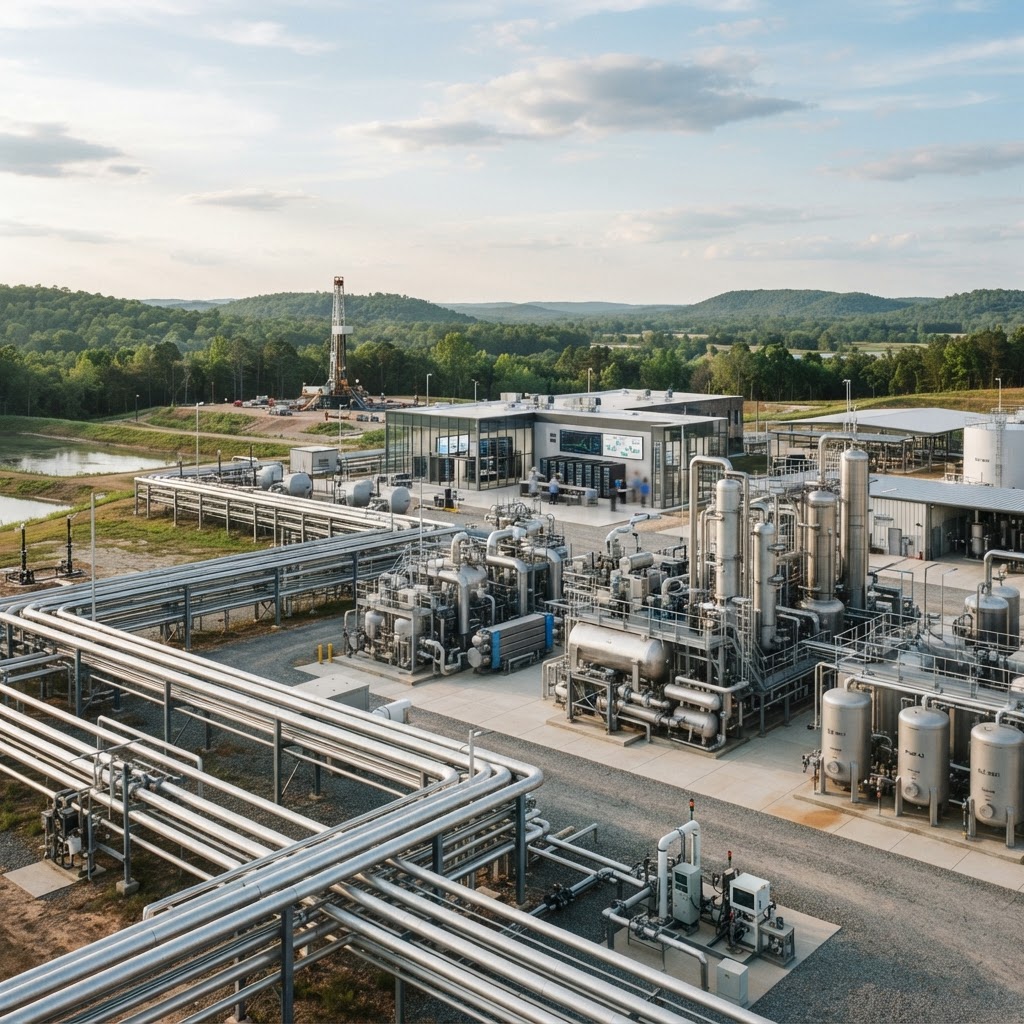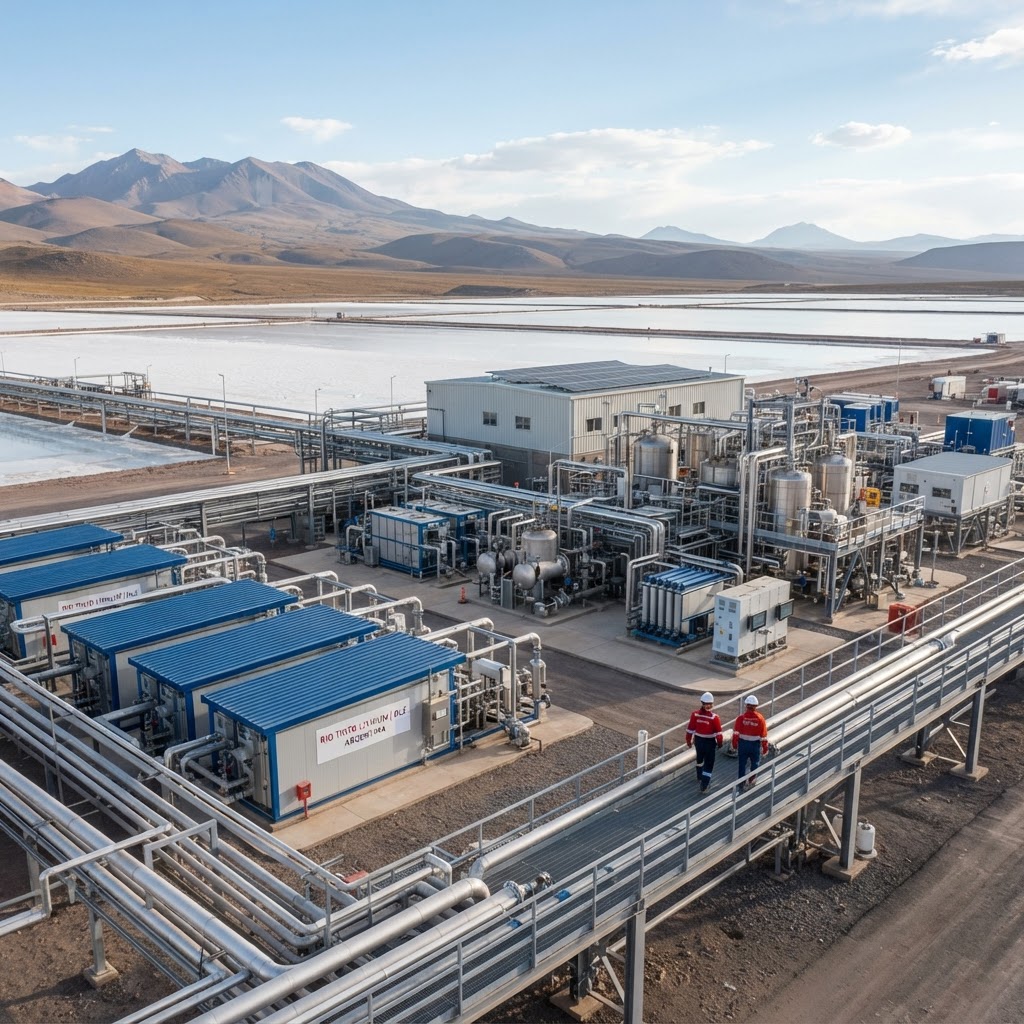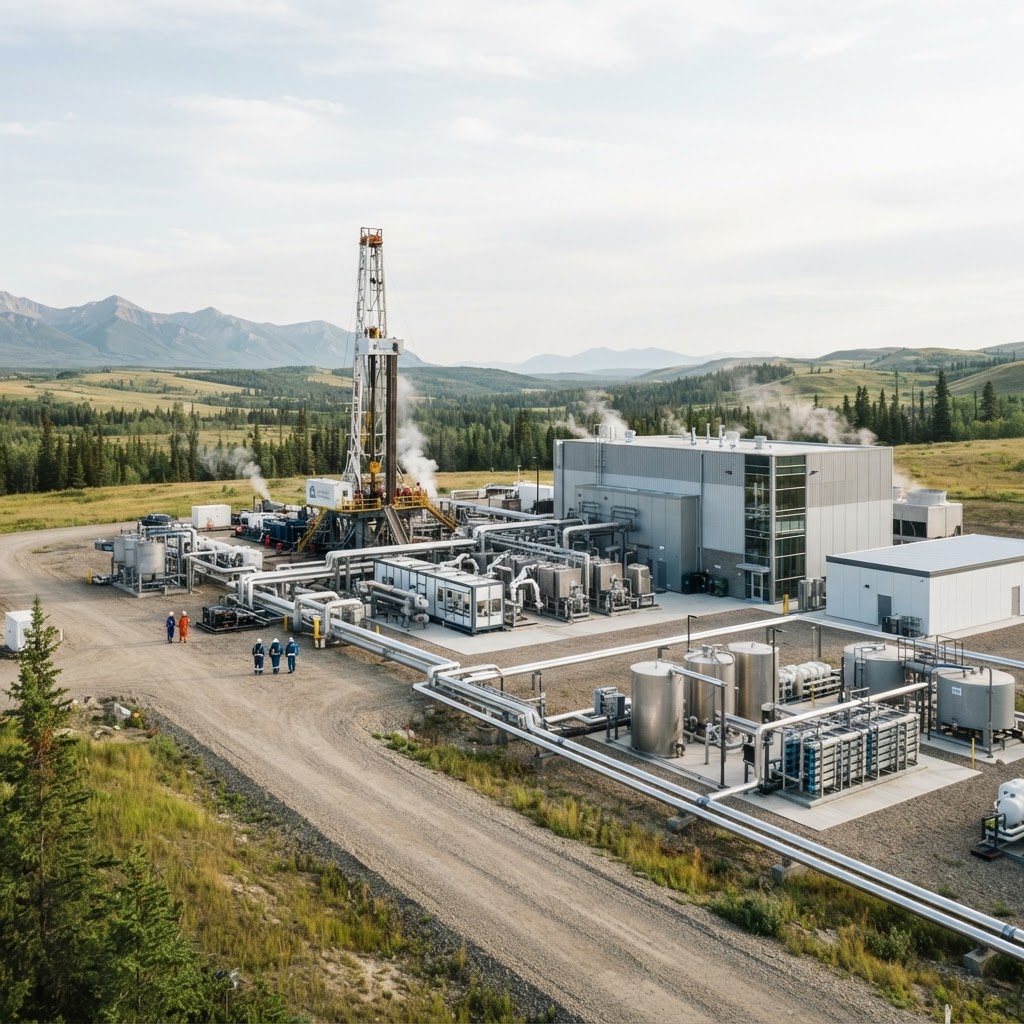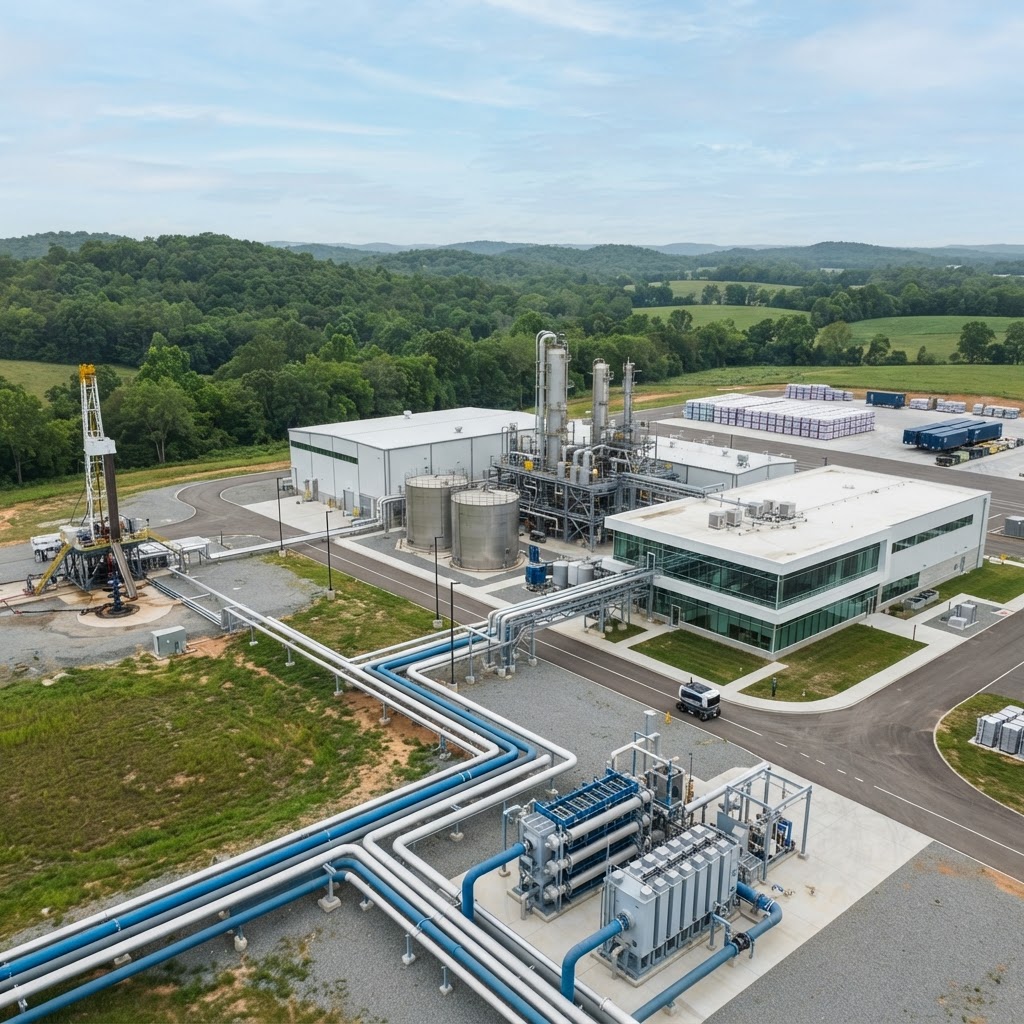
Standard Lithium is accelerating toward a pivotal final investment decision for its South West Arkansas (SWA) project, marking a significant milestone for domestic battery-grade lithium production. As the company moves to finalize project financing by the end of the first quarter of 2027, it has successfully de-risked its proprietary direct lithium extraction (DLE) technology through extensive field testing. With construction contracts signed and federal environmental reviews cleared, the project is positioned to become a cornerstone of the U.S. energy storage supply chain. The venture, operated through the Smackover Lithium partnership with Equinor, aims to produce 22,500 tonnes of lithium carbonate annually, bolstering North American energy security.
Key Findings
The SWA project has achieved critical technical and commercial milestones, transitioning from pilot-scale validation to commercial readiness. Standard Lithium’s demonstration plant has processed over 42 million gallons of brine, consistently achieving lithium recovery rates exceeding 95% while maintaining high contaminant rejection. The project’s flowsheet has been validated by successful production of battery-quality lithium carbonate, which was recently utilized by Nano One to manufacture LFP battery cells. Financially, the project is supported by a robust Definitive Feasibility Study, projecting a 20-year operating life. The company has secured binding offtake agreements for approximately 20,000 tonnes per year, exceeding its initial 80% capacity target. These agreements, including a 10-year commitment with LG Energy Solution and a strategic partnership with Trafigura, provide the commercial foundation necessary to secure over $1 billion in senior secured project debt. The project has also received a $225 million grant from the U.S. Department of Energy, further validating its role in the domestic critical minerals strategy.
Industry Response
The industry has responded with strong support for the project’s de-risking efforts and its potential to scale DLE technology. Standard Lithium CEO David Park emphasized that the expanding partnerships with global battery leaders and commodity traders serve as a testament to the project's high-quality resource and its vital role in developing a competitive domestic supply chain. Analysts note that the project’s ability to leverage existing infrastructure and expertise from Arkansas’s established bromine industry provides a unique operational advantage. Furthermore, the involvement of major export credit agencies—including the Export-Import Bank of the United States, Export Development Canada, and Norway’s Eksfin—signals institutional confidence in the project’s technical and financial viability. By securing these diverse financial and commercial stakeholders, the Smackover Lithium joint venture has effectively mitigated the typical risks associated with first-of-a-kind commercial DLE facilities, setting a new benchmark for project development in the North American lithium sector.
What's Next
The immediate path forward for the SWA project centers on the finalization of project financing, which remains the final prerequisite before the formal final investment decision (FID) expected by the end of Q1 2027. Once FID is reached, the project will transition into a two-to-three-year construction phase, with commercial production targeted for 2029. The company is currently working with its EPC and EPCM contractors, who have been operating under a Limited Notice to Proceed to optimize the construction schedule and manage long-lead time equipment procurement. Beyond the SWA project, Standard Lithium continues to evaluate the broader potential of the Smackover region, including the development of the Franklin project in Texas. Additionally, the company and its partner Equinor are exploring commercial opportunities for bromine and potash, the latter of which was designated as a U.S. critical mineral in 2025. These efforts, combined with ongoing community engagement and workforce development in Lafayette County, underscore a long-term commitment to establishing a fully integrated, sustainable energy storage supply chain in the United States.