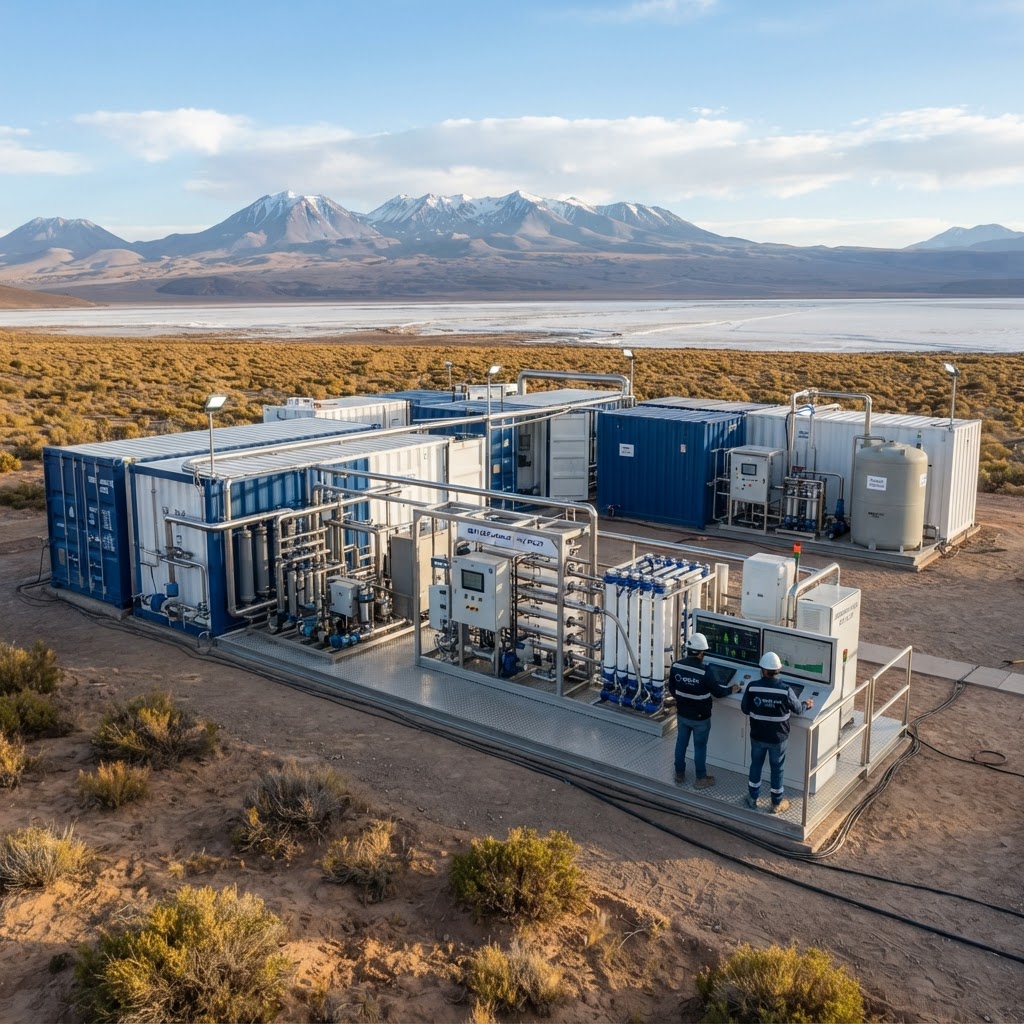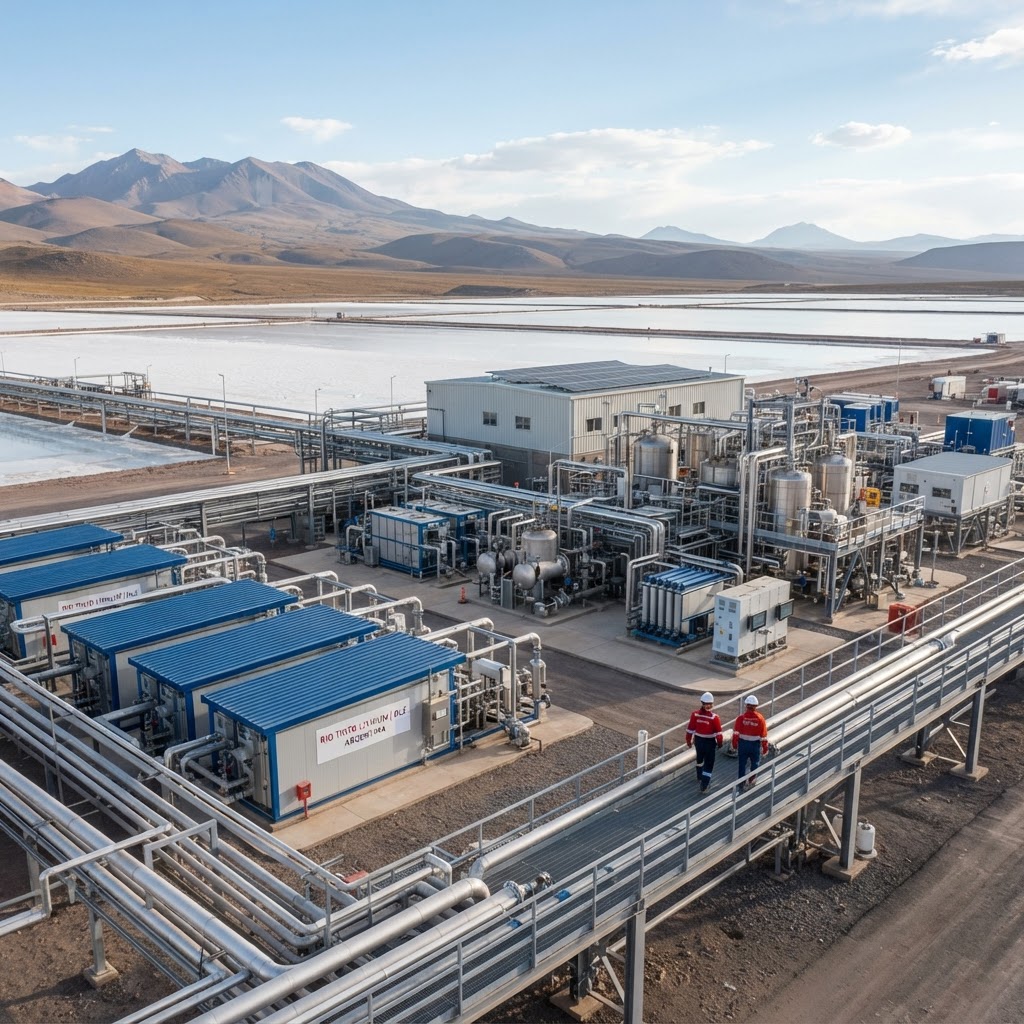
Rio Tinto has officially inaugurated two new lithium production facilities in Argentina’s Catamarca province, marking a significant milestone in the mining major’s strategy to become a dominant force in the energy transition. The $1.4 billion investment encompasses the Sal de Vida and Fénix operations, both of which are now utilizing advanced direct lithium extraction (DLE) technology to accelerate output. By integrating these high-performance extraction methods, Rio Tinto is positioning itself to meet the surging global demand for battery-grade lithium carbonate. This expansion underscores the company’s commitment to scaling its South American portfolio, aiming for a total production capacity of approximately 200,000 tonnes of lithium carbonate equivalent annually by 2028.
Key Findings
The deployment of DLE at the Sal de Vida and Fénix sites represents a shift toward more efficient, high-recovery mineral processing. Unlike traditional evaporation ponds, which are subject to weather variability and long lead times, DLE allows for the selective extraction of lithium from brine, significantly reducing the physical footprint and processing duration. Rio Tinto’s recent operational data confirms that these plants are already achieving first production ahead of schedule. The company’s broader strategy involves a multi-asset approach in Argentina, including the flagship Rincon project, which is currently under construction with a projected capacity of 60,000 tonnes per year. These assets are central to Rio Tinto’s goal of securing a reliable, long-term supply chain for the electric vehicle and energy storage sectors, effectively insulating the company against market volatility through technological optimization and diversified regional production hubs.
Industry Response
Industry analysts and financial stakeholders have viewed the successful commissioning of these plants as a critical validation of DLE at an industrial scale. Jérôme Pécresse, head of Rio Tinto’s aluminum and lithium business unit, has emphasized that lithium remains the company’s fastest-growing division, noting that the current projects are designed to remain economically viable even in fluctuating price environments. The International Finance Corporation (IFC) has also signaled strong support for this development, providing a $400 million loan as part of a $1.175 billion financing package for the Rincon project. This institutional backing highlights the project's adherence to robust environmental and social standards. Furthermore, the collaboration with technology partners like ILiAD Technologies, which has deployed pilot units at Sal de Vida, demonstrates a broader industry trend of mining majors partnering with specialized tech firms to refine extraction efficiency and minimize environmental impact.
What's Next
The immediate focus for Rio Tinto is the systematic ramp-up of the Sal de Vida and Fénix plants toward their nameplate capacities. Following the successful inauguration, the company is prioritizing the optimization of its DLE flowsheets to ensure consistent battery-grade output. Looking toward 2027 and 2028, the primary catalyst will be the completion of the full-scale Rincon plant, which is expected to significantly boost the company’s total lithium carbonate equivalent (LCE) output. Beyond operational milestones, Rio Tinto continues to explore further technological enhancements, including potential collaborations on patented processes like the ELi technology to further reduce reagent consumption. As the company integrates its recent acquisition of Arcadium Lithium, the focus will remain on leveraging its expanded resource base to maintain its status as a leader in the global supply of energy transition materials, with ongoing monitoring of market demand to guide future capital allocation.