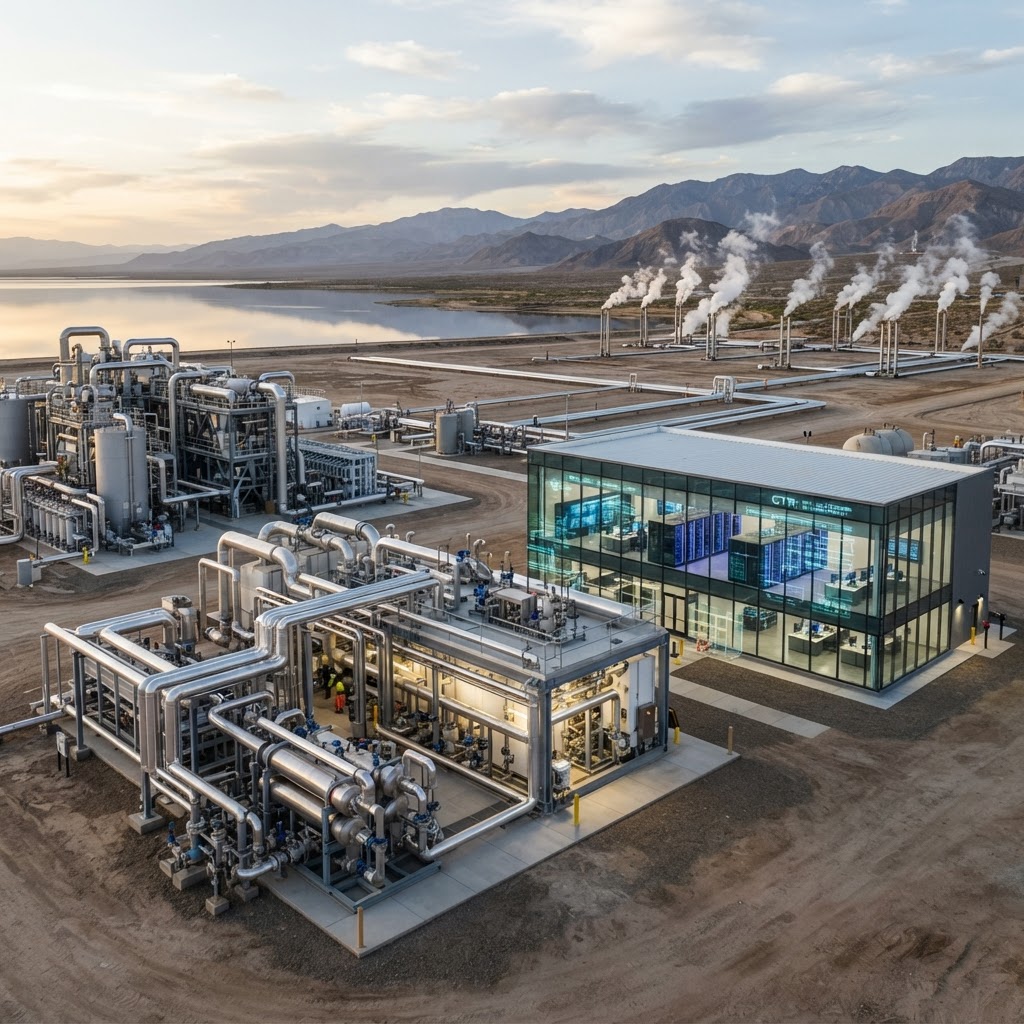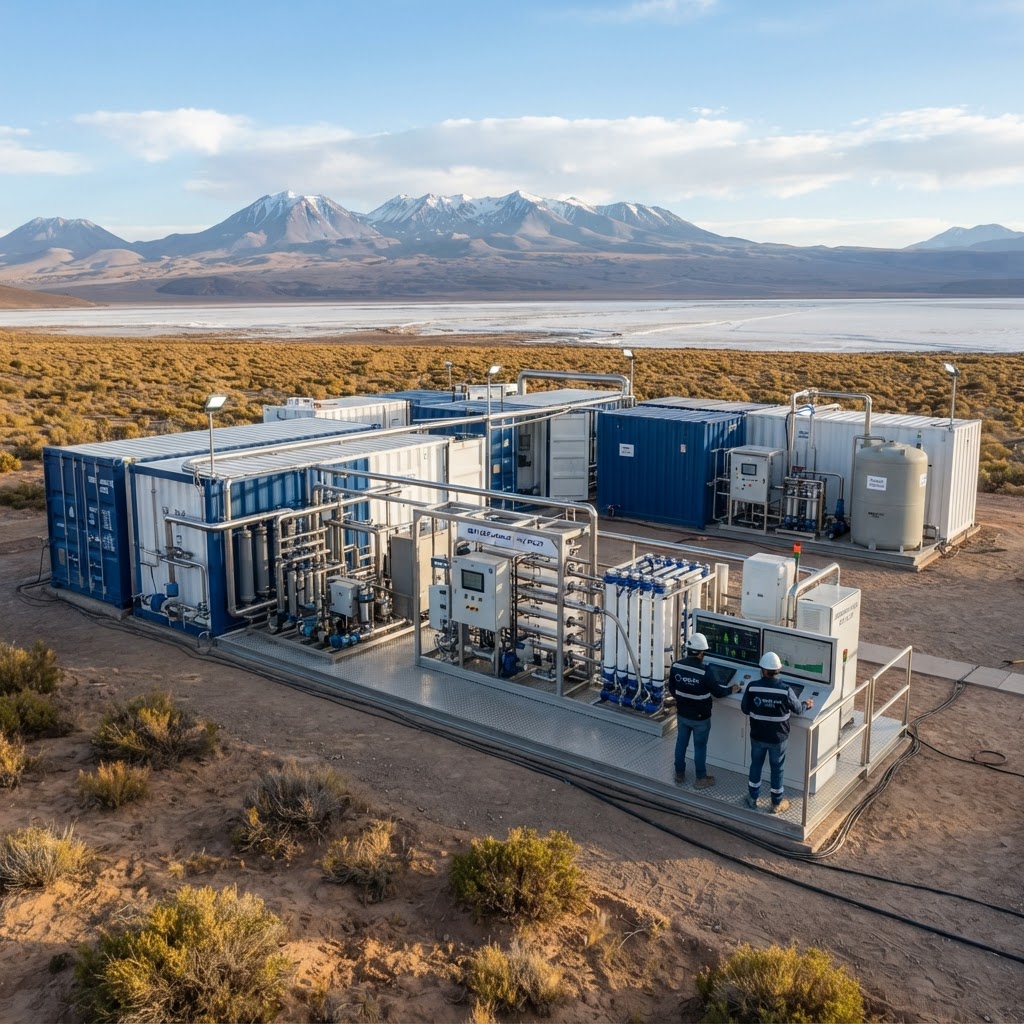
Calgary-based nanotechnology firm Litus has officially brought its lithium recovery pilot plant online, marking a significant milestone in the quest to unlock previously inaccessible mineral reserves. By deploying its proprietary LiNC technology, the company aims to transform the economics of lithium extraction from low-concentration aqueous reservoirs across North America and Europe. This modular, plug-and-play solution is designed to integrate seamlessly with existing infrastructure, offering a high-efficiency alternative to traditional evaporation methods. As the energy transition accelerates, Litus’s ability to selectively harvest lithium with minimal environmental impact provides a compelling new pathway for producers looking to bolster domestic supply chains while maintaining rigorous sustainability standards.
Key Findings
The Litus pilot plant demonstrates a breakthrough in extraction efficiency, reporting recovery rates of 99.5% and rejection rates of 90% for impurities. Crucially, the technology remains effective in brines with concentrations as low as 30 ppm, a threshold that has historically rendered many deposits uneconomical for commercial development. The system is engineered as a modular, plug-and-play unit, which significantly lowers the capital expenditure and infrastructure requirements typically associated with large-scale mining operations. By requiring minimal water and energy inputs, the process preserves the integrity of the existing ecosystem, addressing one of the primary ESG concerns surrounding conventional lithium brine processing. This technical capability positions Litus to unlock vast, untapped lithium resources that were previously considered stranded assets, potentially shifting the supply-side dynamics for battery-grade materials in the coming years.
Industry Response
The deployment of the Litus pilot plant arrives at a critical juncture for the lithium sector, which is currently navigating a period of price volatility and supply chain re-evaluation. Industry analysts note that the shift toward modular, high-recovery technologies is essential for meeting the projected three-fold increase in demand for electric vehicle batteries and energy storage by 2030. Major service providers, including SLB, have similarly emphasized the necessity of 'well-to-product' scalable technologies to replace legacy evaporation ponds, particularly in jurisdictions like Chile where environmental regulations are tightening. Market participants view the Litus approach as a vital component of the broader effort to accelerate production timelines. By providing a solution that is both environmentally sensitive and economically viable at lower concentrations, Litus is aligning itself with the growing industry preference for localized, sustainable, and technologically advanced extraction methods.
What's Next
With the pilot plant now operational, the immediate focus for Litus shifts to validating performance data under diverse field conditions and scaling the technology for commercial deployment. The company is expected to leverage the performance metrics from this pilot phase to secure strategic partnerships with brine operators and resource developers looking to optimize their existing assets. Future milestones will likely include the integration of these modular units into full-scale production facilities, providing a blueprint for rapid, low-impact capacity expansion. As the company refines its LiNC process, stakeholders will be watching for announcements regarding commercial-scale supply agreements and potential licensing deals. These developments will serve as key catalysts for Litus as it seeks to establish its nanotechnology as a standard-bearer for efficient, sustainable lithium recovery in the global critical minerals market.