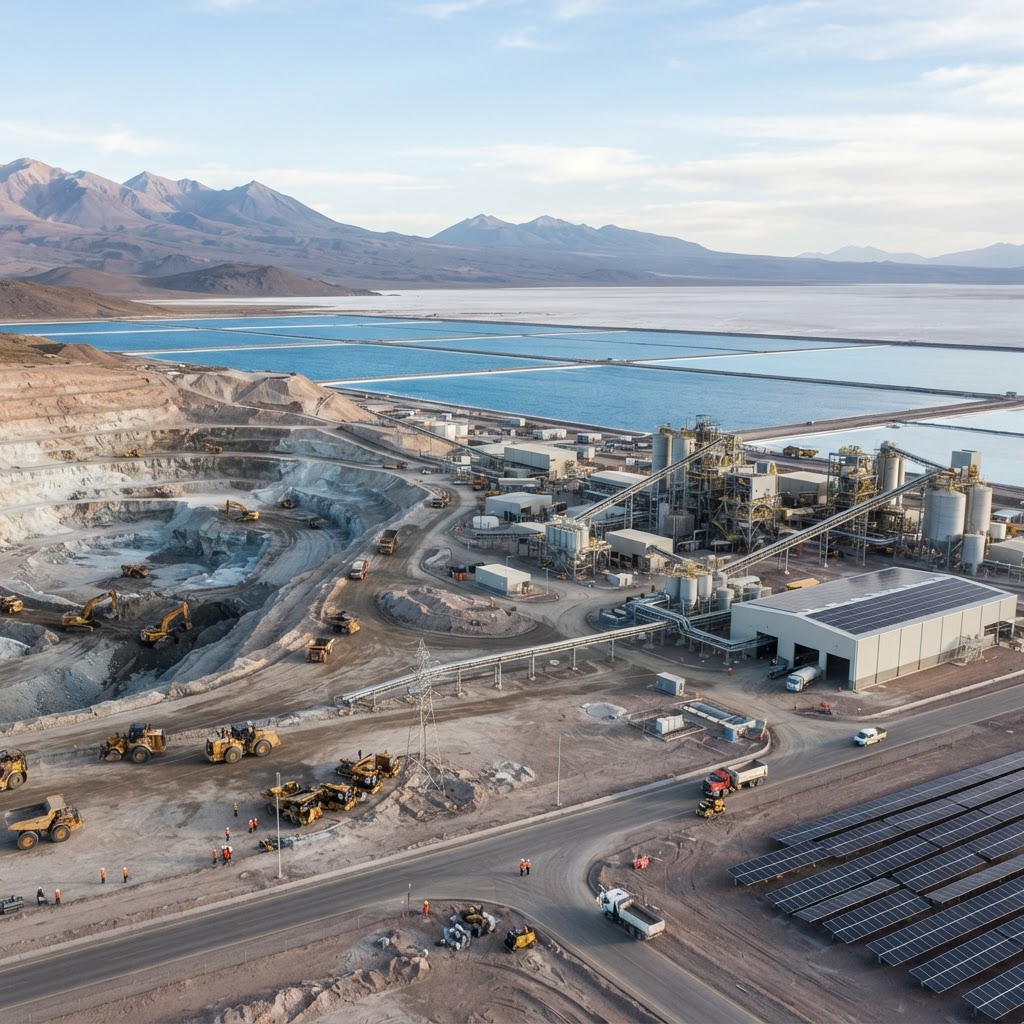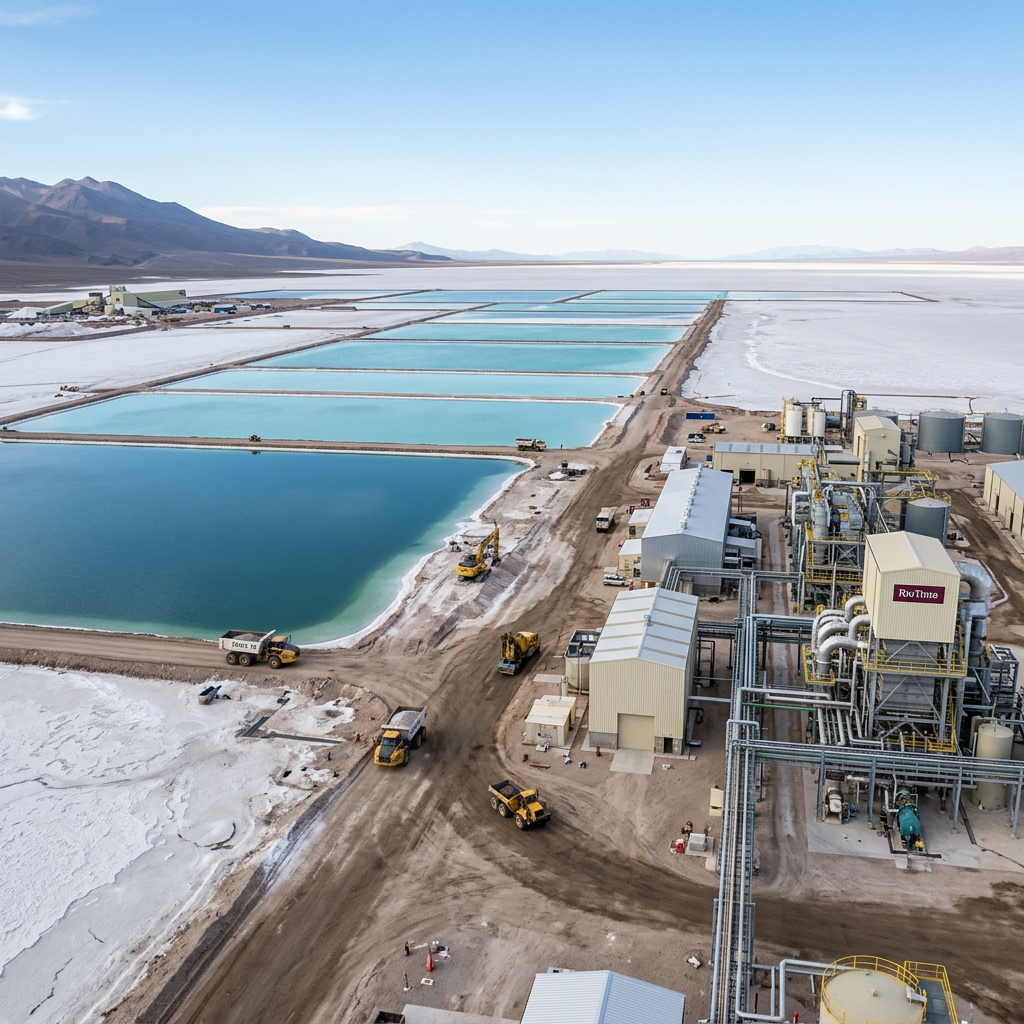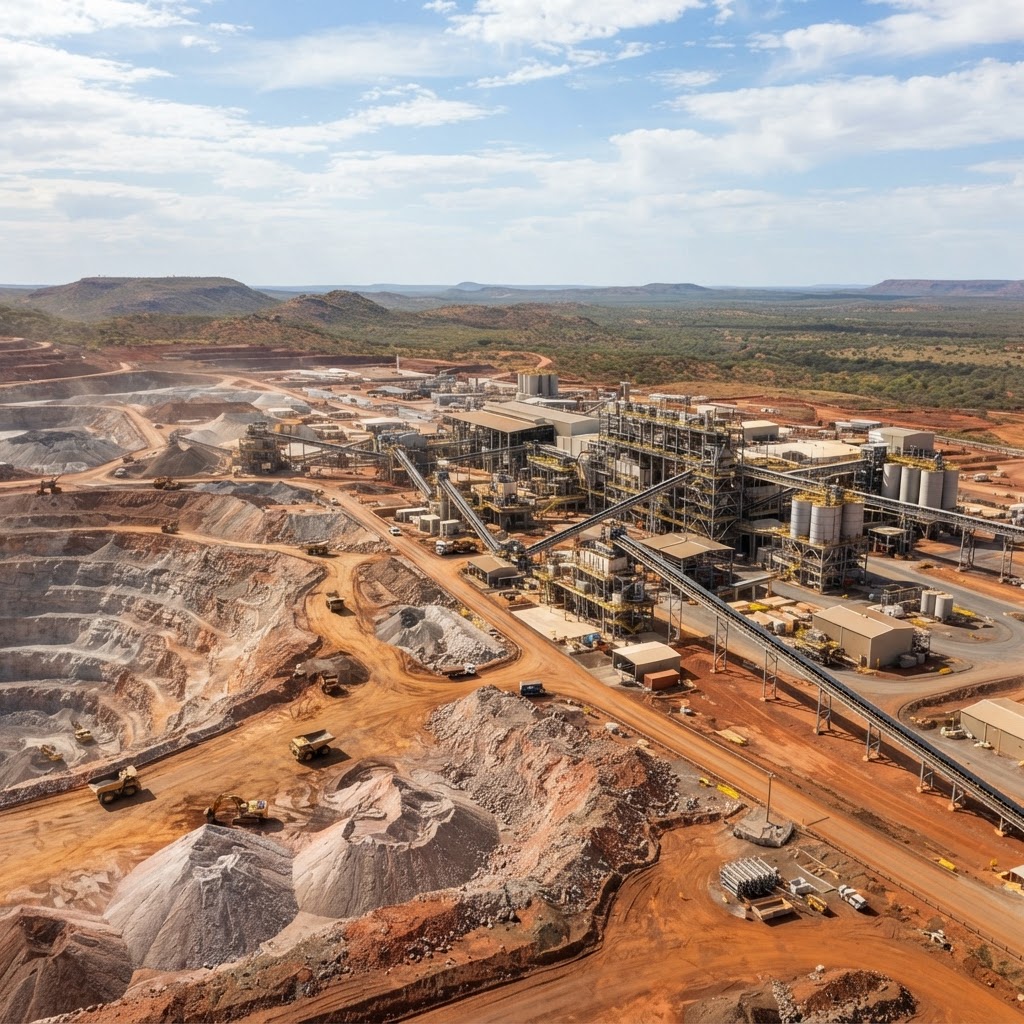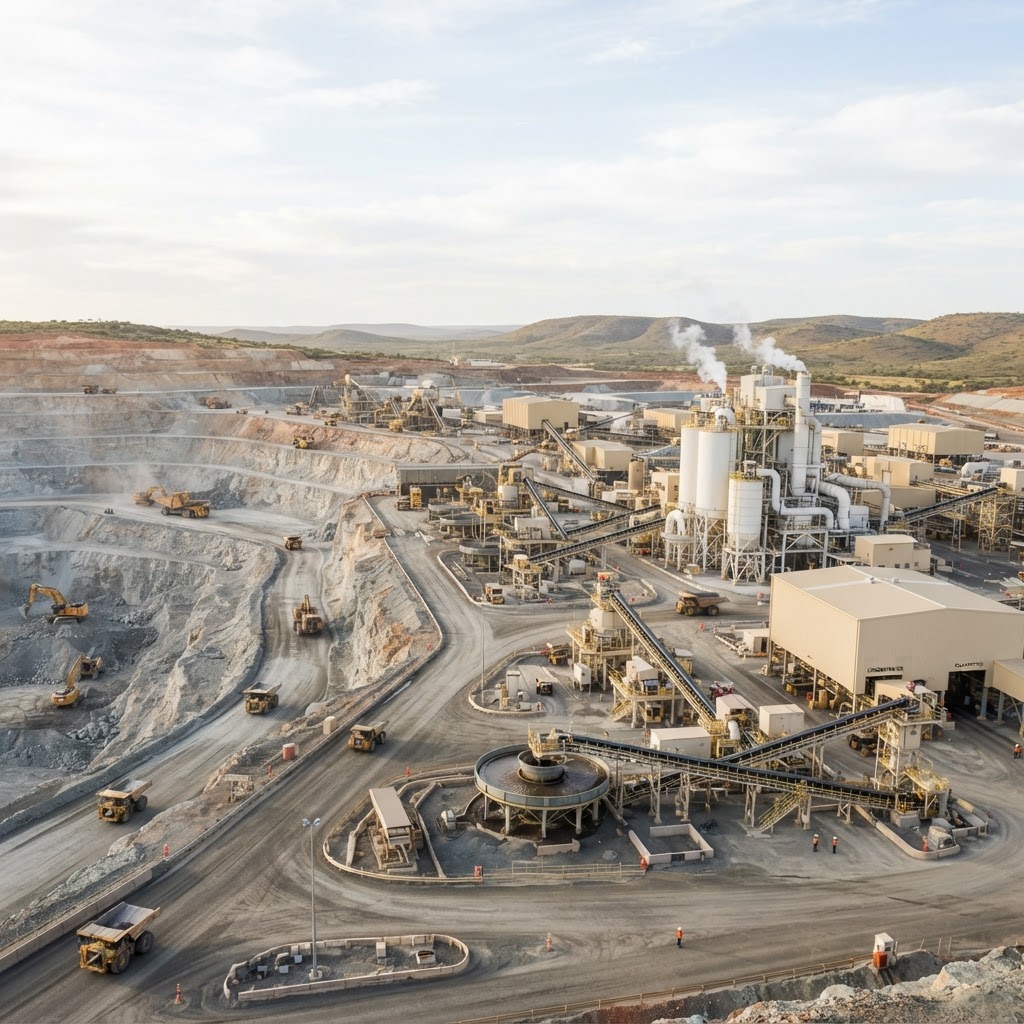
Rio Tinto is aggressively positioning itself as a dominant force in the global battery materials market, leveraging its recent acquisition of Arcadium Lithium to scale production. By integrating Arcadium’s high-quality, Tier 1 resource base, the mining giant is executing a disciplined, counter-cyclical strategy designed to meet the long-term demand for lithium. With a clear roadmap to reach 200,000 tons of annual production capacity by 2028, Rio Tinto is signaling confidence in the sector’s recovery. This integration combines Arcadium’s specialized lithium chemical expertise with Rio Tinto’s massive project development capabilities, providing a robust foundation for the company to supply essential materials for the global energy transition.
Key Findings
The integration of Arcadium Lithium into Rio Tinto’s portfolio represents a strategic pivot toward high-growth battery minerals. Rio Tinto has confirmed that lithium is now its fastest-growing division, with the company prioritizing the development of direct lithium extraction (DLE) technologies to optimize output. Financial disclosures indicate that Arcadium’s projected growth capital expenditure will account for approximately 5% of Rio Tinto’s total group capital expenditure, estimated at up to $10 billion across 2025 and 2026. This capital allocation is focused on unlocking the full potential of existing assets while maintaining a disciplined balance sheet. By focusing on assets that provide significant relevance to major automotive and battery customers, Rio Tinto aims to secure a stable, long-term market position rather than merely chasing volume-based market share rankings.
Industry Response
Industry analysts and company leadership view the integration as a pragmatic response to current market volatility. Rio Tinto executive committee member Jerome Pécresse emphasized that the company is satisfied with the Arcadium asset base, noting that the acquisition provides the necessary scale to serve the energy transition effectively. During the transition, leadership has maintained a focus on operational efficiency and long-term value creation. Market observers have noted that the move is a classic counter-cyclical play, occurring while spot lithium prices remain suppressed compared to historical peaks. By acquiring these assets during a period of industry-wide supply rationalization, Rio Tinto is positioning itself to capture significant upside as market fundamentals eventually rebalance and demand for high-purity lithium chemicals continues to climb.
What's Next
The immediate path forward involves the systematic scaling of production and the deployment of advanced extraction technologies. Rio Tinto has set a firm target of 200,000 tons of annual lithium production by 2028, with a specific focus on bringing its DLE projects online within the next few years. Investors are closely watching the development of the Nemaska Lithium project in Québec, which remains a core component of the growth strategy. Furthermore, the company is expected to continue its disciplined capital allocation framework, ensuring that project development remains aligned with global demand signals. As the integration process concludes, the market will look for updates on production milestones and the successful commissioning of new conversion capacity, which will serve as key catalysts for Rio Tinto’s long-term energy transition objectives.