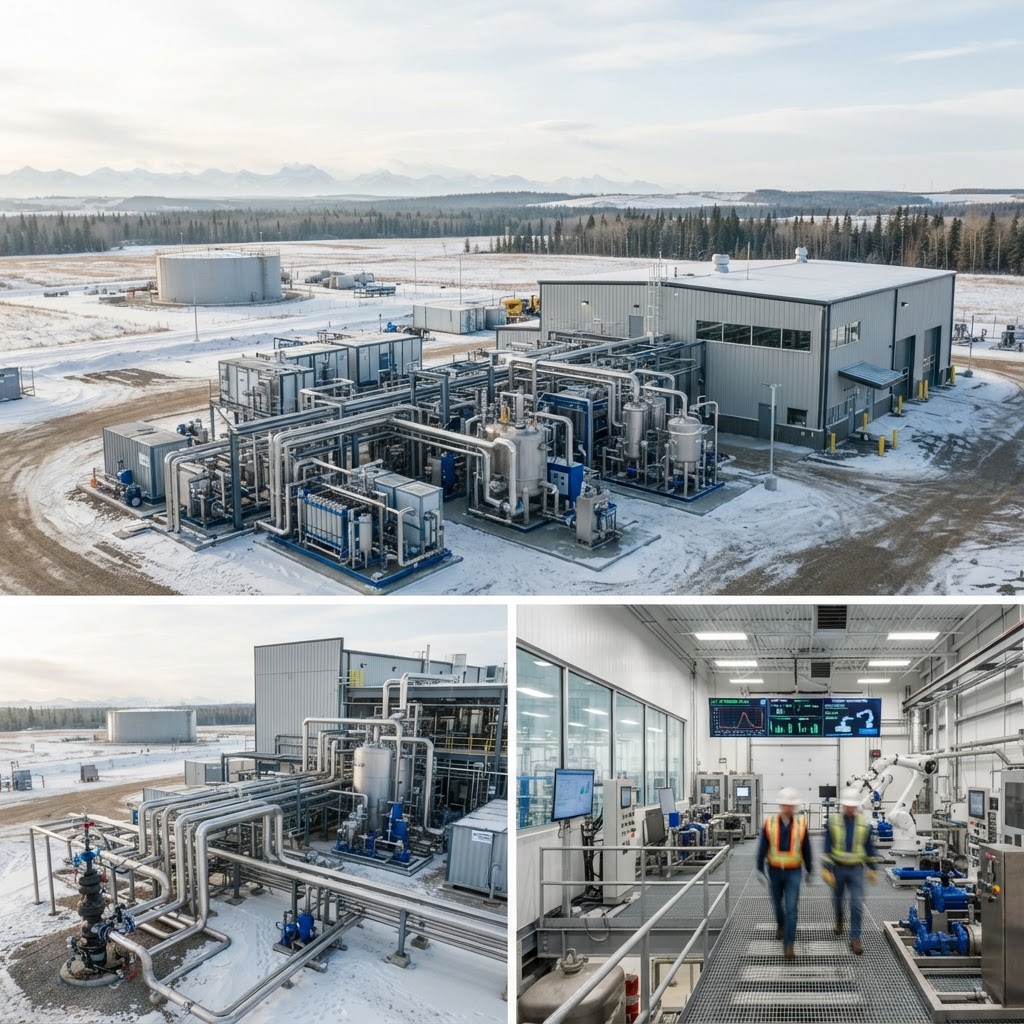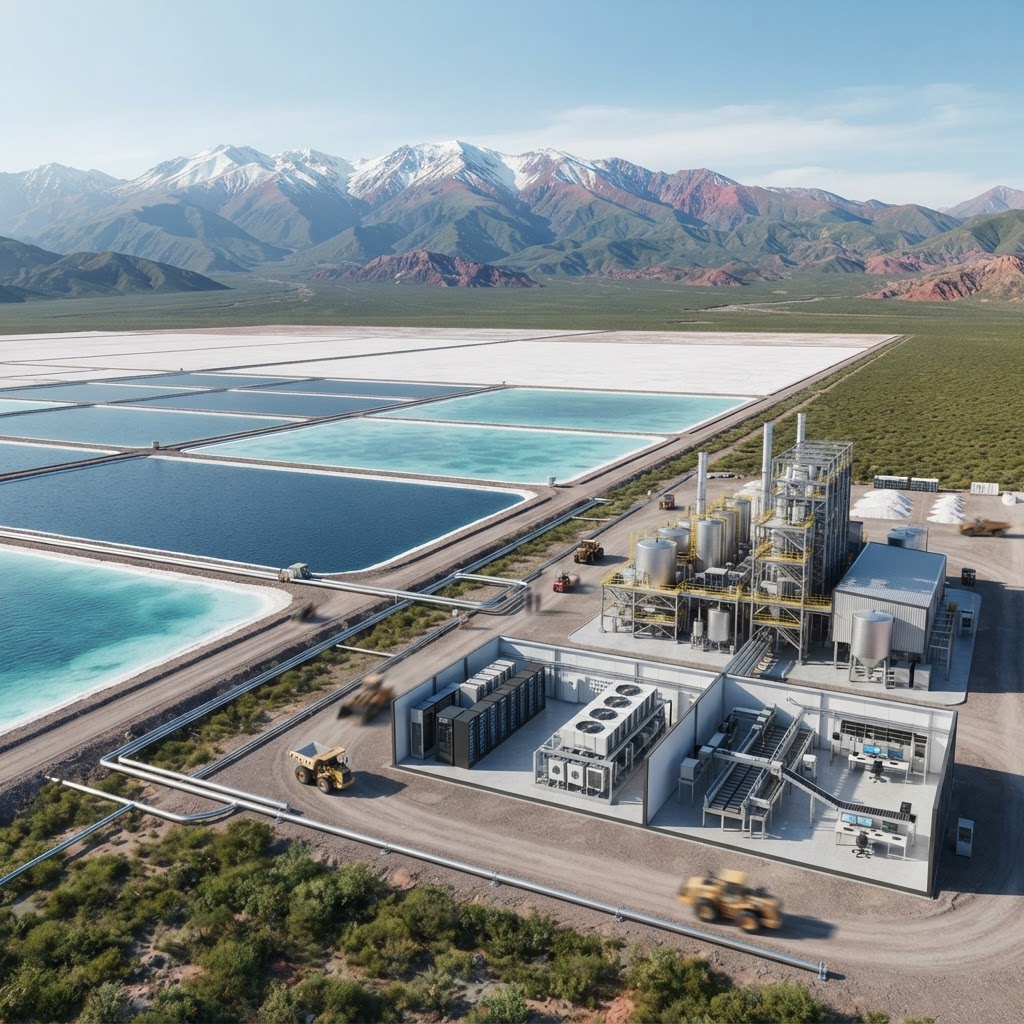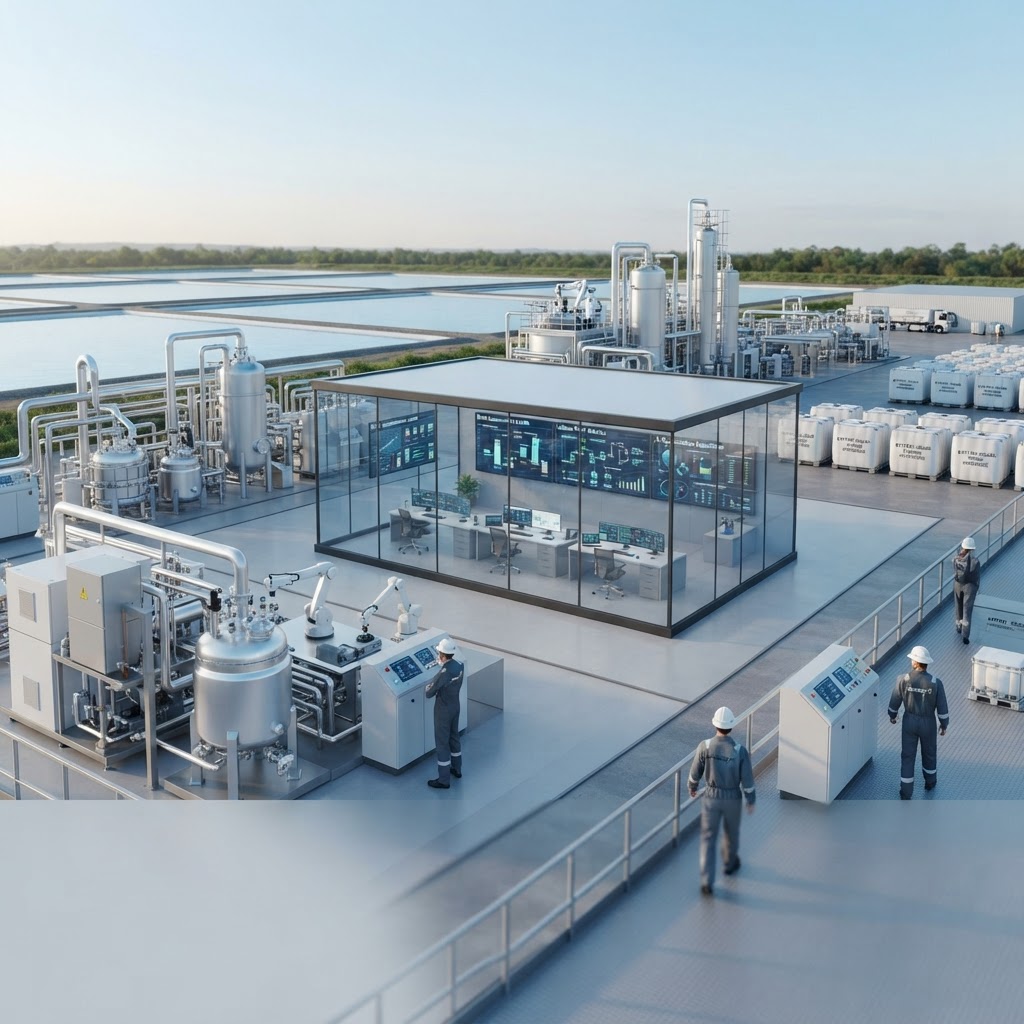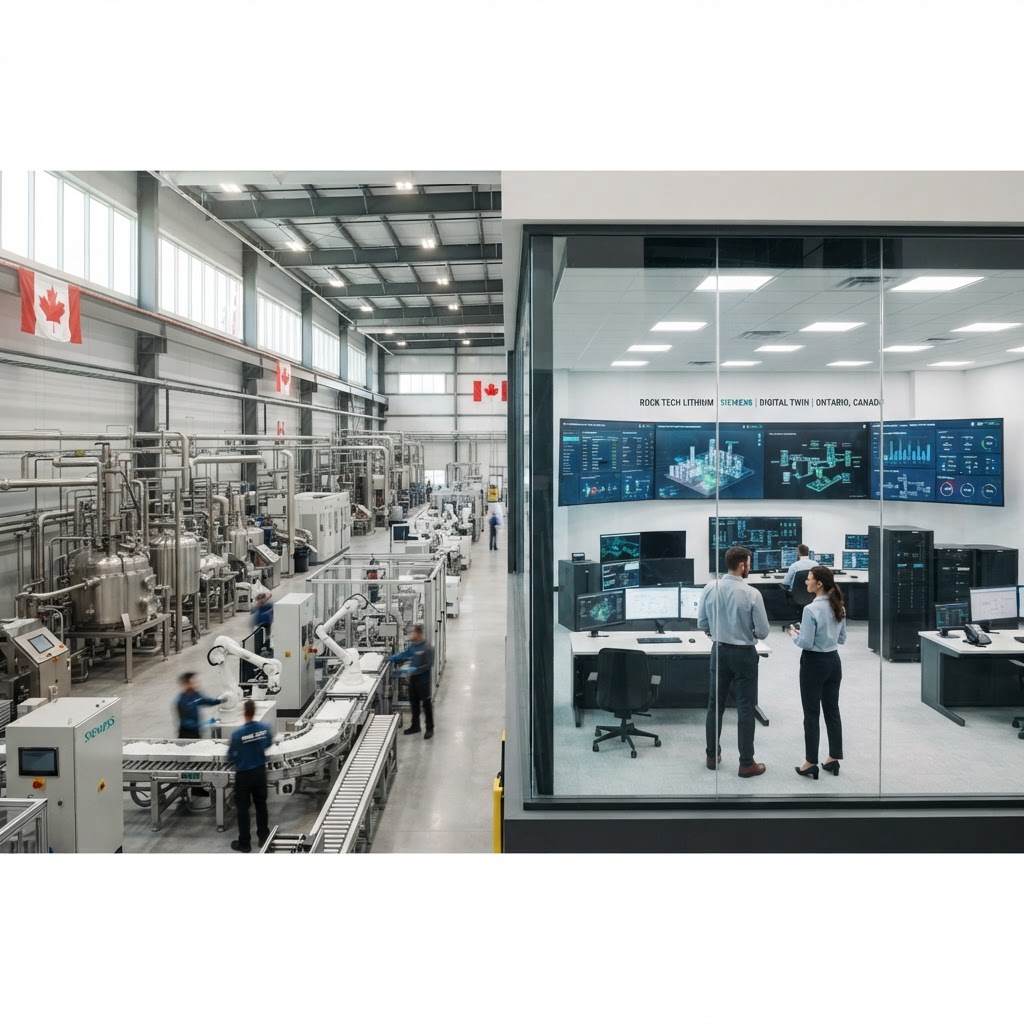
Rock Tech Lithium is accelerating its North American expansion, announcing a strategic partnership with Siemens to deploy advanced digital-twin technology at its upcoming lithium conversion facility in Ontario. This collaboration marks a pivotal step in Canada’s mission to establish domestic processing capacity for the electric vehicle battery supply chain. By integrating Siemens’ industrial automation and simulation software, the project aims to optimize production efficiency and operational transparency from the construction phase through to full-scale output. With a 200 million Canadian dollar investment commitment from the BMI Group, the project is positioned as a critical infrastructure asset, mirroring the company’s existing blueprint for its flagship converter plant in Guben, Germany.
Key Findings
The partnership leverages Siemens’ Xcelerator platform to create a comprehensive digital twin of the Ontario facility. This virtual replica allows engineers to simulate complex chemical processes, stress-test operational workflows, and predict maintenance requirements before physical commissioning. By utilizing real-time data analytics, the facility is designed to minimize energy consumption and maximize lithium recovery rates, addressing the industry’s growing demand for sustainable, high-purity battery-grade materials. The project is specifically engineered to process spodumene concentrate into lithium hydroxide, a vital component for high-nickel battery chemistries. Furthermore, the integration of automated control systems is expected to reduce the carbon footprint of the conversion process, aligning with stringent North American ESG standards. The facility serves as a scalable model for future mineral processing plants, demonstrating how software-defined operations can de-risk capital-intensive mining projects while ensuring consistent product quality for downstream automotive partners.
Industry Response
Industry analysts view the collaboration as a sophisticated response to the volatility in global lithium markets and the urgent need for localized supply chain security. Mirco Wojnarowicz, representing Rock Tech, emphasized that the Ontario facility is a cornerstone of Canada’s critical minerals strategy, designed to bridge the gap between raw extraction and battery manufacturing. Market observers note that the involvement of a major industrial player like Siemens provides significant technical validation, which is increasingly essential for securing project financing in the current economic climate. Trade groups have lauded the move, noting that the adoption of digital-twin technology represents a shift toward 'Industry 4.0' standards in the mining sector. By prioritizing technological integration, Rock Tech is effectively positioning itself to compete with established global producers, offering a transparent and traceable supply chain that is highly attractive to North American automakers seeking to comply with regional content requirements for EV tax credits.
What's Next
The immediate focus for the partnership is the finalization of the facility’s engineering design and the commencement of site preparation in Ontario. Following the 200 million Canadian dollar capital injection from the BMI Group, the project is expected to move rapidly through the permitting and procurement phases. Stakeholders are closely watching for the next milestone: the formal commissioning of the digital twin environment, which will serve as the operational backbone for the plant. As the facility moves toward construction, Rock Tech is expected to provide updates on supply agreements with regional spodumene producers and potential offtake partners in the battery manufacturing sector. With lithium demand projected to rise significantly toward 2028, the successful deployment of this converter will be a key indicator of Canada’s ability to scale its midstream processing capabilities. Future phases may include the expansion of the facility’s capacity and the potential integration of additional AI-driven process optimization tools to further enhance yield and operational safety.