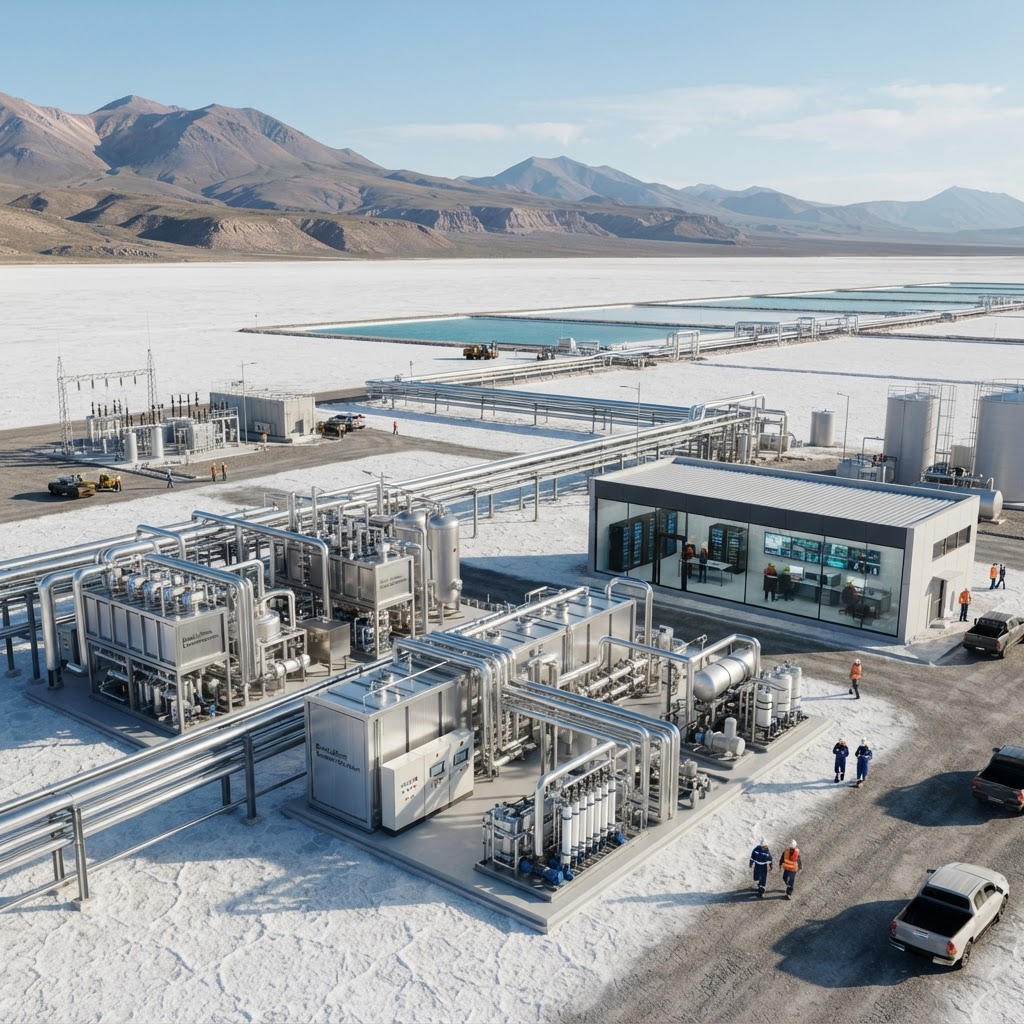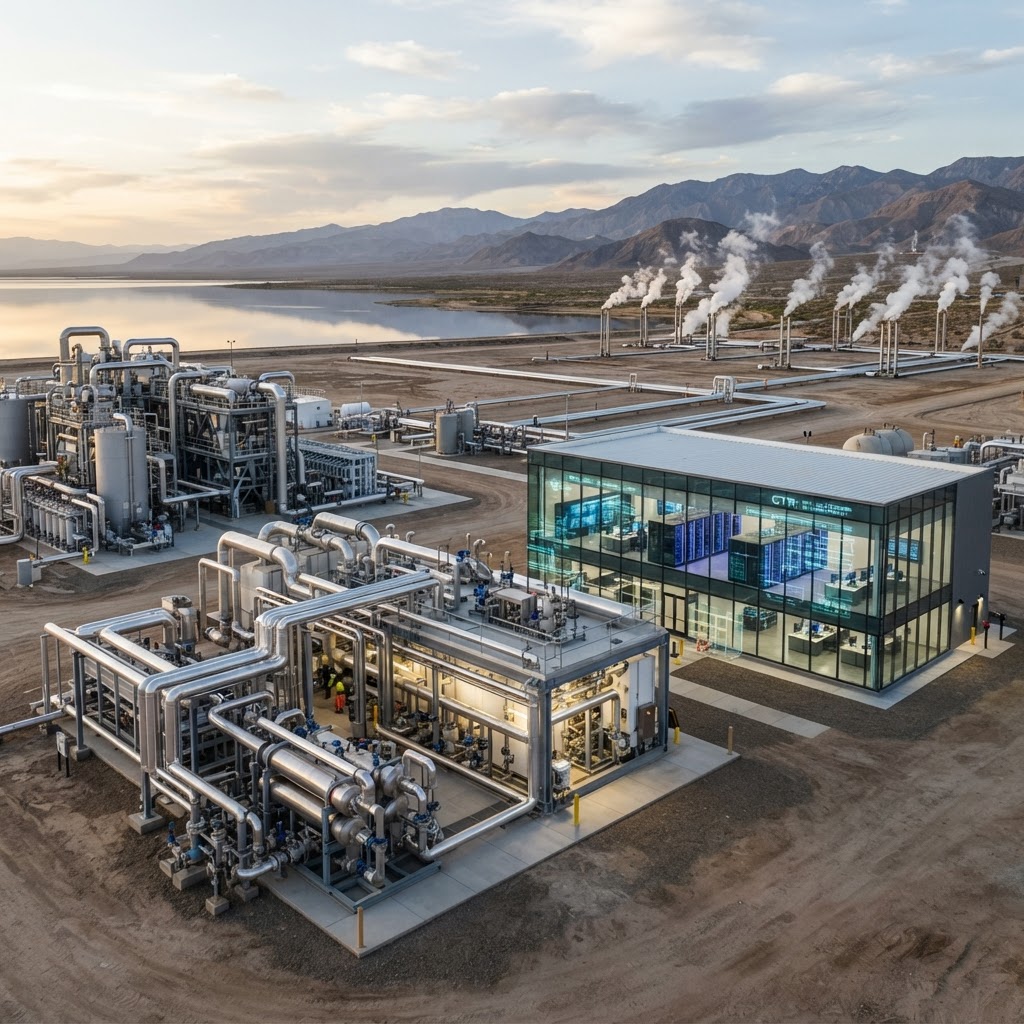
The race to secure domestic battery-grade lithium has reached a pivotal milestone as Controlled Thermal Resources (CTR) moves to transition its American Critical Resources (ACR) subsidiary into a publicly listed entity. By entering a non-binding letter of intent with Plum Acquisition Corp, the developer is positioning its flagship Hell’s Kitchen project at California’s Salton Sea for a significant capital infusion. This strategic move aims to accelerate the construction of an integrated facility that pairs baseload geothermal power generation with direct lithium extraction (DLE). As the industry shifts toward localized supply chains, this development underscores the growing investor appetite for projects that combine renewable energy with critical mineral production.
Key Findings
The Hell’s Kitchen project represents a multi-stage, $1.85 billion initiative designed to transform the Salton Sea into a global hub for clean energy and battery materials. According to project specifications, the facility is engineered to produce 25,000 metric tons of lithium carbonate annually in its initial phase, with a long-term roadmap targeting 100,000 metric tons across four development stages. The integration of geothermal power is a key differentiator, providing a low-carbon energy source that powers the DLE process while simultaneously feeding electricity into the grid. Recent technical validation, including a Definitive Feasibility Study prepared by Baker Hughes in accordance with SEC SK1300 standards, has confirmed the viability of the DLE process on live geothermal brine. This technical rigor, combined with the massive resource capacity identified by the Department of Energy, positions the site as a cornerstone for U.S. electric vehicle battery supply chains.
Industry Response
The industry has reacted with optimism to the integration of geothermal and mineral extraction, viewing it as a blueprint for sustainable mining. Rod Colwell, CEO of CTR, emphasized that the project is structured to deliver clean baseload power alongside domestically produced strategic minerals from a single integrated resource. This dual-revenue model is increasingly attractive to institutional investors seeking exposure to both the energy transition and the critical minerals sector. Policymakers have also signaled strong support; the groundbreaking ceremony for the Lithium Valley Campus was attended by high-level federal officials, including John Podesta, Senior Advisor to the President for Clean Energy Innovation and Implementation. Analysts note that by securing a path to public markets, CTR is effectively de-risking the project for future stakeholders, providing a transparent framework for the massive infrastructure investment required to bring the Salton Sea’s vast lithium reserves to market at a commercial scale.
What's Next
The immediate focus for the company is the finalization of the business combination with Plum Acquisition Corp, which will provide the necessary liquidity to scale operations at the Salton Sea. Following the successful demonstration of the DLE process at 1/15th commercial scale, the next phase involves the full-scale commissioning of the Stage 1 assets. These assets are expected to deliver 50 megawatts of renewable electricity, serving as the operational foundation for the broader Lithium Valley Campus. Investors are closely watching for updates on the definitive agreement and the subsequent timeline for construction milestones. As the company moves toward a public listing, the market will be looking for further supply agreements with automotive OEMs, which remain the primary off-takers for domestic battery-grade lithium. The successful execution of this project could serve as a critical proof-of-concept for other geothermal-lithium developers looking to leverage similar brine resources across the Western United States.