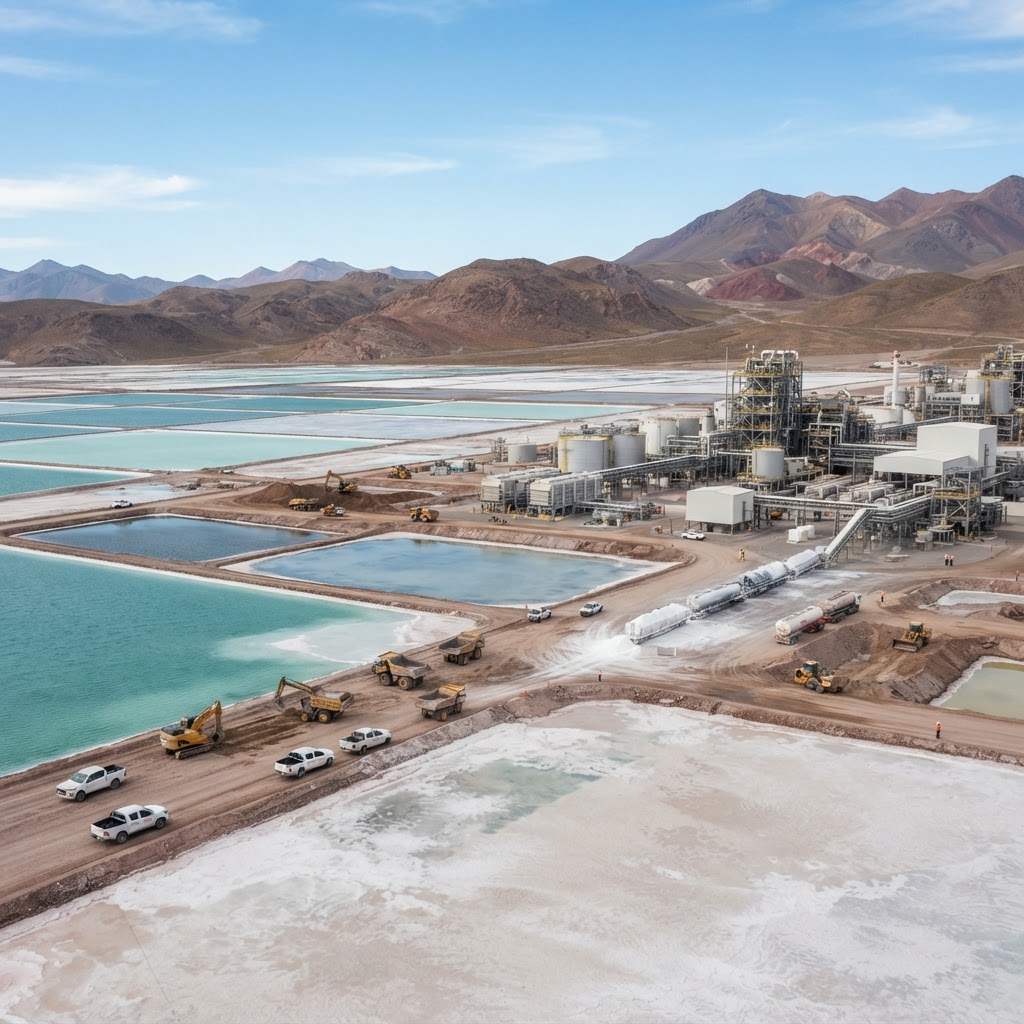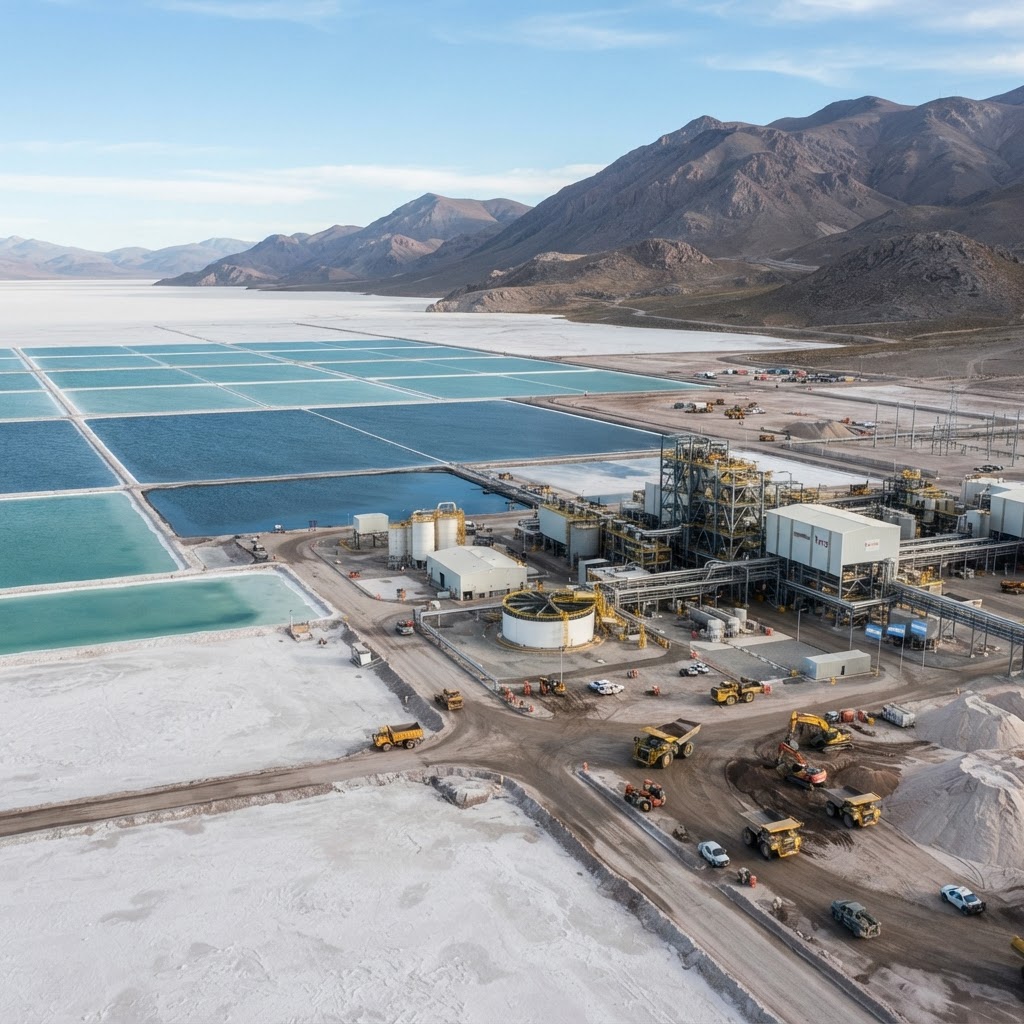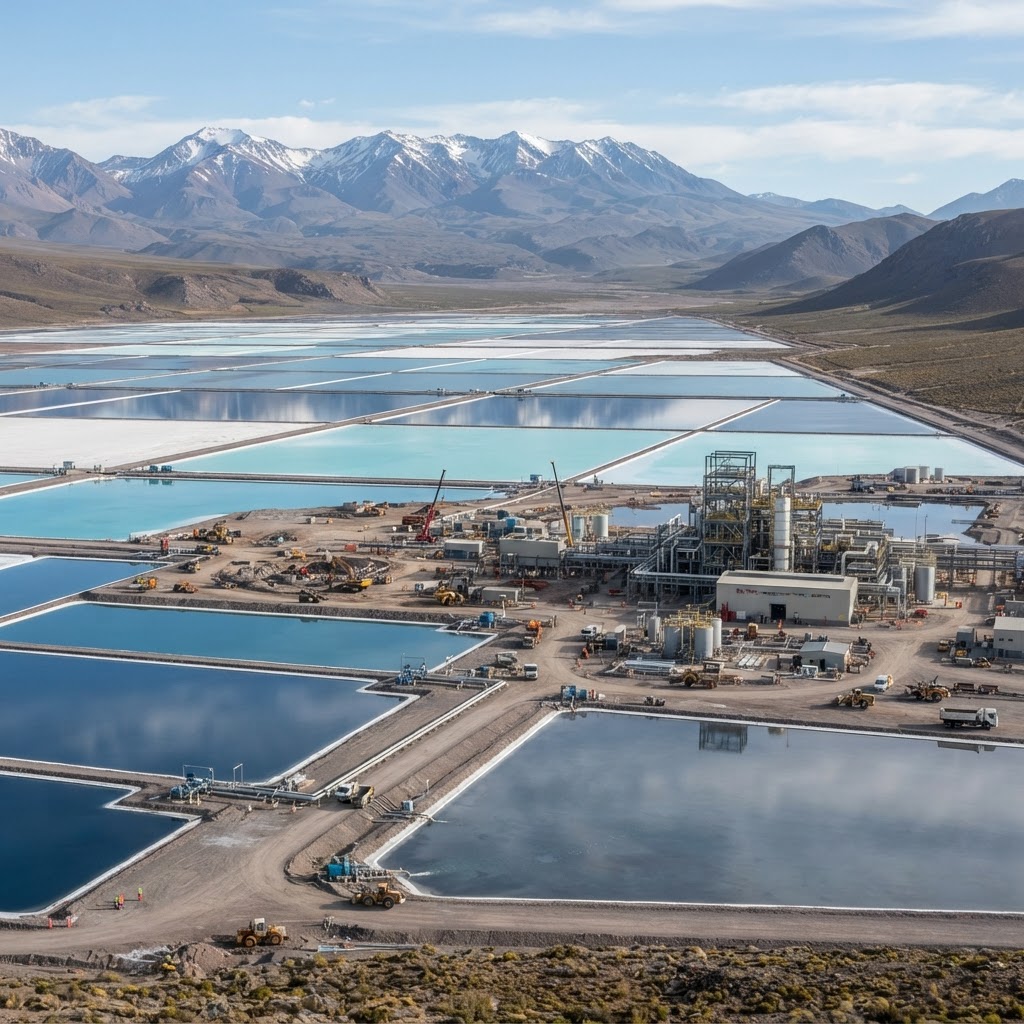
Rio Tinto is accelerating its footprint in the global battery materials market, marking a significant operational milestone at its Rincon lithium project in Argentina’s Salta province. The mining giant has successfully initiated its first commercial shipments of lithium carbonate, signaling a transition from development to active production. This progress is bolstered by a robust $1.175 billion financing package secured from a consortium of international institutions, including the IFC and JBIC. As the company works toward a total annual capacity of 60,000 tonnes, the Rincon site stands as a cornerstone of Rio Tinto’s strategy to triple its lithium output by 2028, positioning the firm to meet long-term demand from the electric vehicle sector.
Key Findings
The $2.5 billion investment into the Rincon project underscores a long-term commitment to the lithium brine sector, with an estimated mine life exceeding 40 years. The project’s expansion to 60,000 tonnes per annum (tpa) of battery-grade lithium carbonate is supported by a multi-institutional funding structure, which mitigates capital risk for the Anglo-Australian miner. Beyond the primary Rio Tinto operations, the broader Salar del Rincon region is seeing increased technical validation, with companies like Argosy Minerals reporting successful pilot plant results, including lithium chloride purity yields exceeding 99%. These developments collectively highlight the region's growing importance as a high-grade, scalable hub for global lithium supply. The integration of advanced processing technologies and the successful commencement of exports provide a clear, de-risked pathway for the project to reach full-scale commercial production by 2028, reinforcing the viability of Argentine brine assets in a volatile pricing environment.
Industry Response
The financing package, backed by the International Finance Corporation (IFC), IDB Invest, Export Finance Australia (EFA), and the Japan Bank for International Cooperation (JBIC), reflects strong institutional confidence in the project's technical and environmental standards. Industry analysts note that the ability to secure such significant capital during a period of market price fluctuations demonstrates the project's competitive cost profile. Jérôme Pécresse, head of Rio Tinto’s aluminum and lithium business, has emphasized that the company views lithium as its fastest-growing division, prioritizing assets that remain economical even under challenging market conditions. Furthermore, the collaboration between local operators and international technology providers—such as the partnership between Argentina Lithium & Energy Corp and Lanshen—highlights a broader industry trend toward deploying Direct Lithium Extraction (DLE) to enhance recovery rates and accelerate project timelines across the Salta province.
What's Next
The immediate focus for the Rincon project is the ramp-up of production capacity toward the 60,000 tpa target, with construction of expanded plant facilities slated to progress through 2027. Investors are closely monitoring the integration of these new volumes into the global supply chain, particularly as Rio Tinto leverages its expanded portfolio following the acquisition of Arcadium. Key catalysts for the coming quarters include the finalization of Definitive Feasibility Studies (DFS) for adjacent projects in the region and the continued optimization of processing flowsheets to ensure consistent battery-grade output. As the company moves toward its 2028 production goals, the focus will shift to operational efficiency and the scaling of logistics to support consistent export volumes. These milestones will be critical in determining the project's role in stabilizing supply for major automotive partners, including Tesla, as the industry prepares for the next cycle of electric vehicle adoption and energy storage demand.