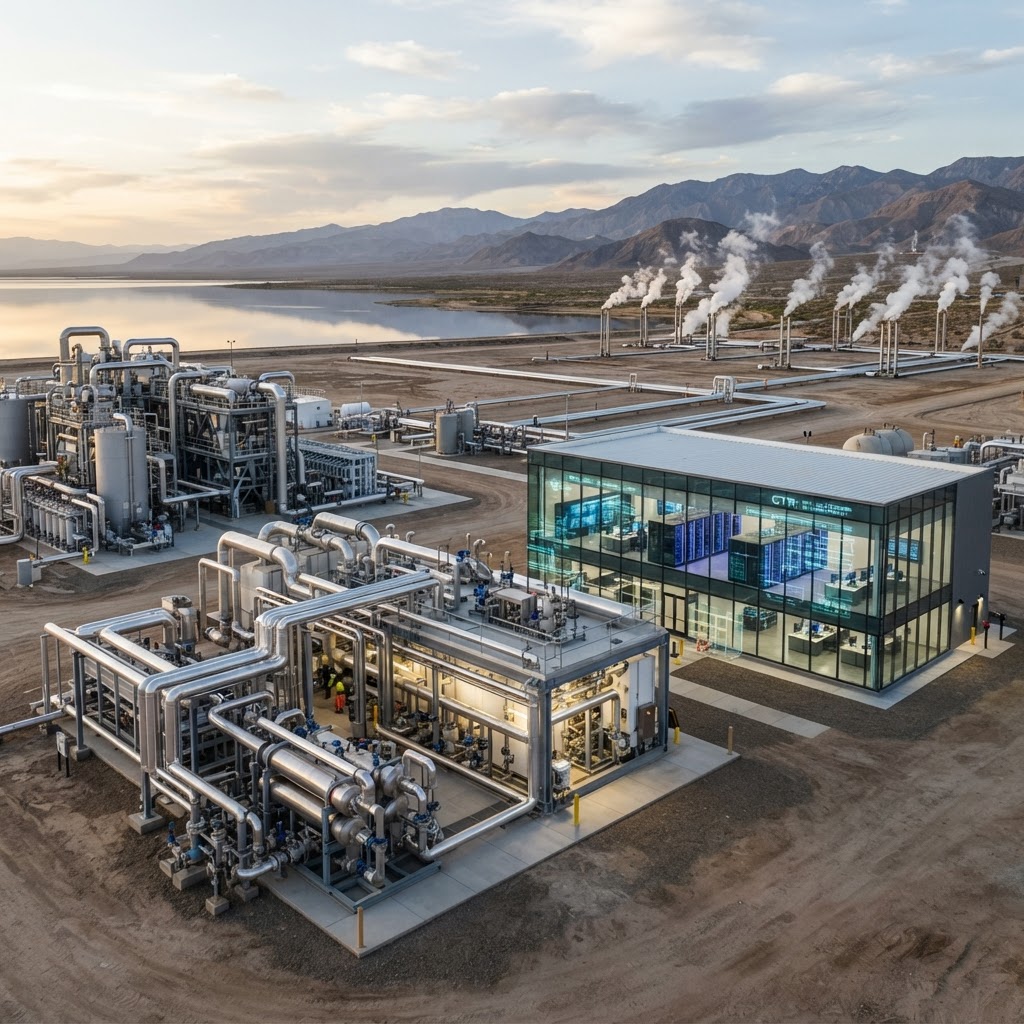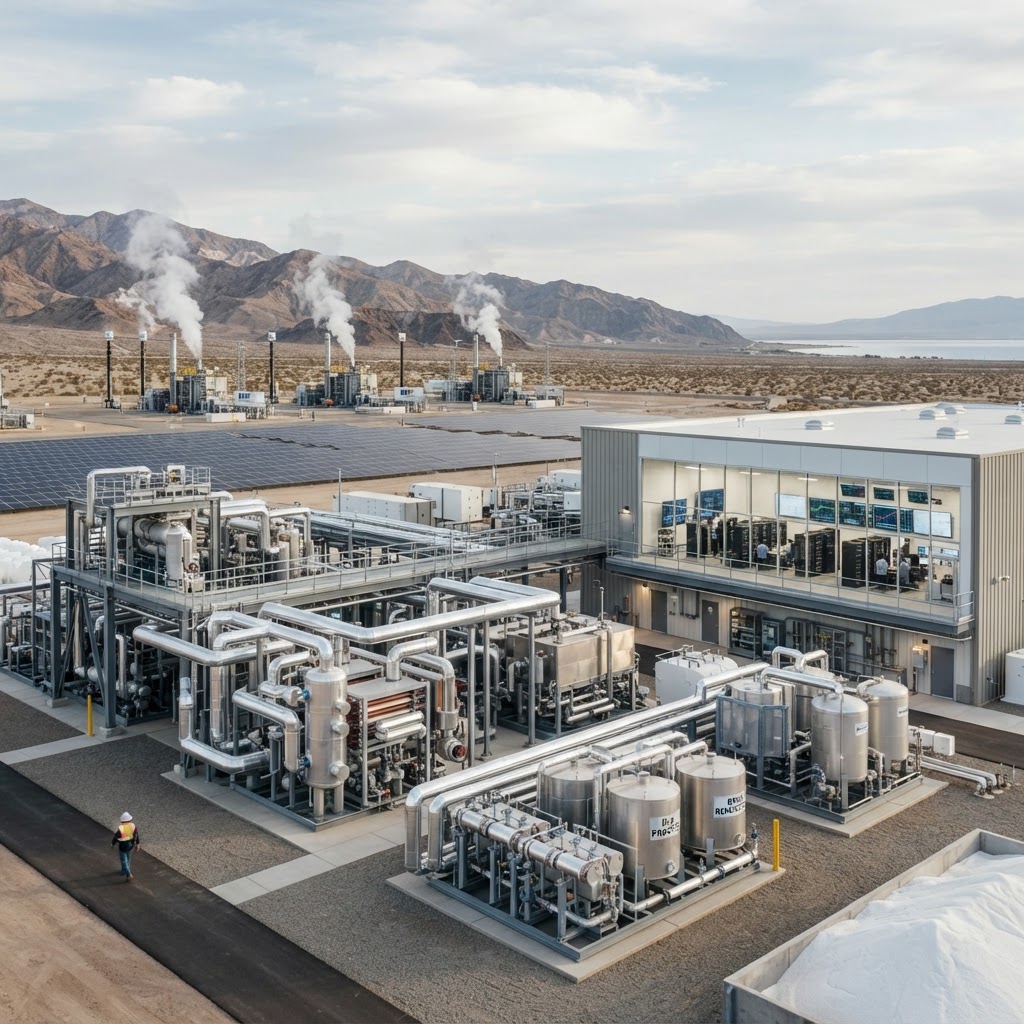
The race to secure domestic lithium supplies for the energy transition reached a significant milestone this week as TerraLithium, a subsidiary of Occidental, and BHE Renewables announced successful advancements in their direct lithium extraction (DLE) operations. Operating within California’s Imperial Valley, the joint venture has successfully produced battery-grade lithium carbonate from geothermal brines. This achievement marks a critical step in validating DLE as a viable, high-efficiency alternative to traditional evaporation ponds. By leveraging existing geothermal infrastructure, the partnership is positioning itself to provide a sustainable, low-impact source of lithium, directly addressing the urgent demand for battery-grade materials required to power the rapidly expanding electric vehicle and grid-scale storage markets.
Key Findings
The collaboration between TerraLithium and BHE Renewables has yielded tangible results in the field. The companies confirmed the successful production of lithium chloride at BHE’s geothermal facility in Calipatria, California. Furthermore, the team demonstrated the direct conversion of this lithium chloride into battery-grade lithium hydroxide using a commercial-scale electrolyzer at their Brawley research facility. These technical successes are pivotal, as they prove the scalability of the DLE process in real-world geothermal environments. By integrating extraction and conversion, the project aims to bypass the lengthy and environmentally intensive processes associated with conventional mining. The ability to extract lithium from geothermal brines—a byproduct of renewable energy generation—offers a dual-benefit model that enhances the economic profile of geothermal power plants while simultaneously bolstering the domestic supply chain for critical battery minerals.
Industry Response
Industry analysts and stakeholders view the progress in the Imperial Valley as a bellwether for the broader adoption of DLE technologies. The integration of advanced extraction methods with existing energy infrastructure is being hailed as a pragmatic solution to the 'reckless exploration' concerns often associated with traditional mining. Market observers note that the ability to produce battery-grade materials on-site significantly reduces logistics costs and carbon footprints. KBR, which has also been active in the DLE space through its strategic investments, has emphasized that the industry is moving toward fully integrated, end-to-end solutions. Policymakers and energy sector professionals are increasingly looking to these collaborative models as a blueprint for future mineral development, noting that the combination of proprietary extraction technology and established energy operations provides a de-risked pathway for capital deployment in the critical minerals sector.
What's Next
With the successful production of battery-grade lithium carbonate and hydroxide, the focus for TerraLithium and BHE Renewables now shifts toward full-scale commercial deployment. The companies are expected to move from pilot-scale validation to the construction of larger, modular processing facilities capable of sustained, high-volume output. Future milestones will likely include the finalization of off-take agreements with major battery manufacturers and automotive OEMs, which are essential for securing the long-term financing required for full-scale plant commissioning. Additionally, the industry will be watching for further data on the long-term operational efficiency of the electrolyzers and the consistency of lithium recovery rates from the geothermal brines. As the project matures, it is expected to serve as a primary case study for the viability of geothermal-linked lithium production, potentially unlocking similar opportunities across other geothermal fields in the United States and globally.