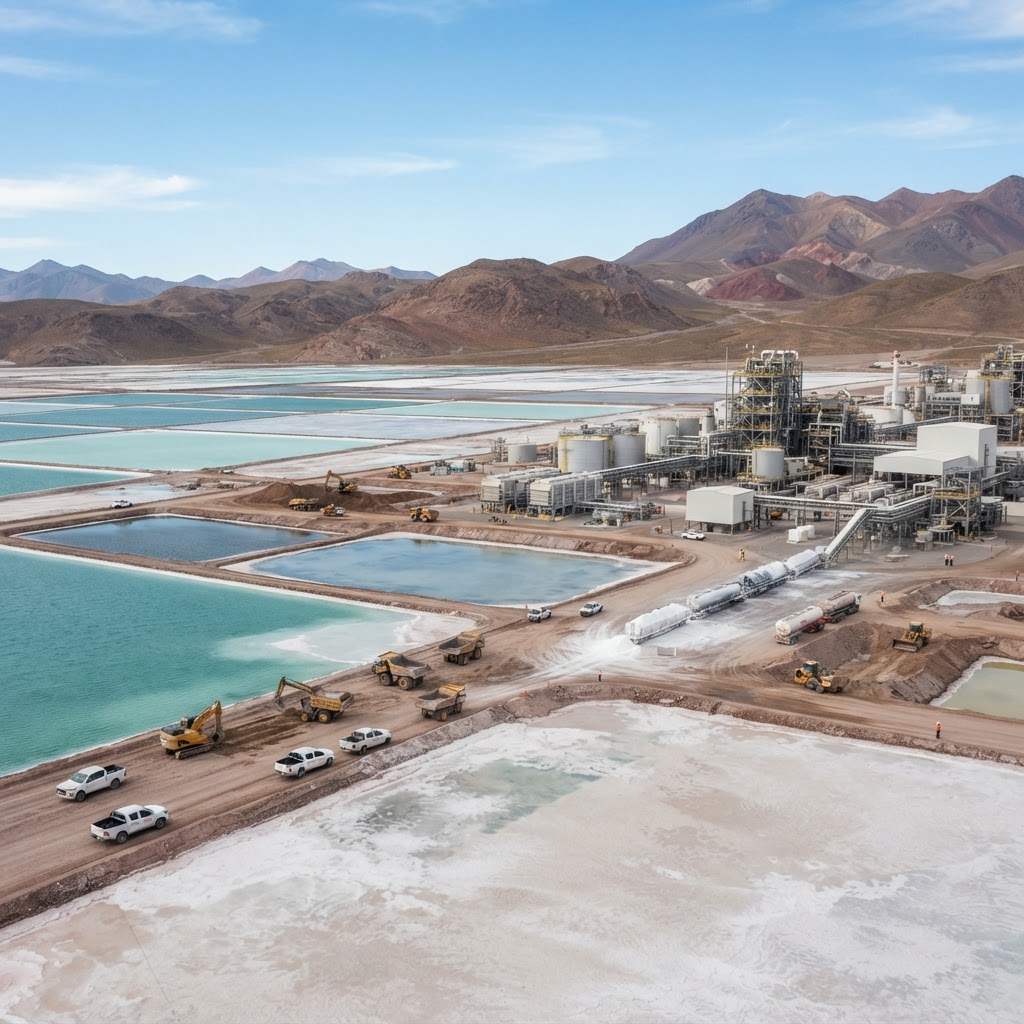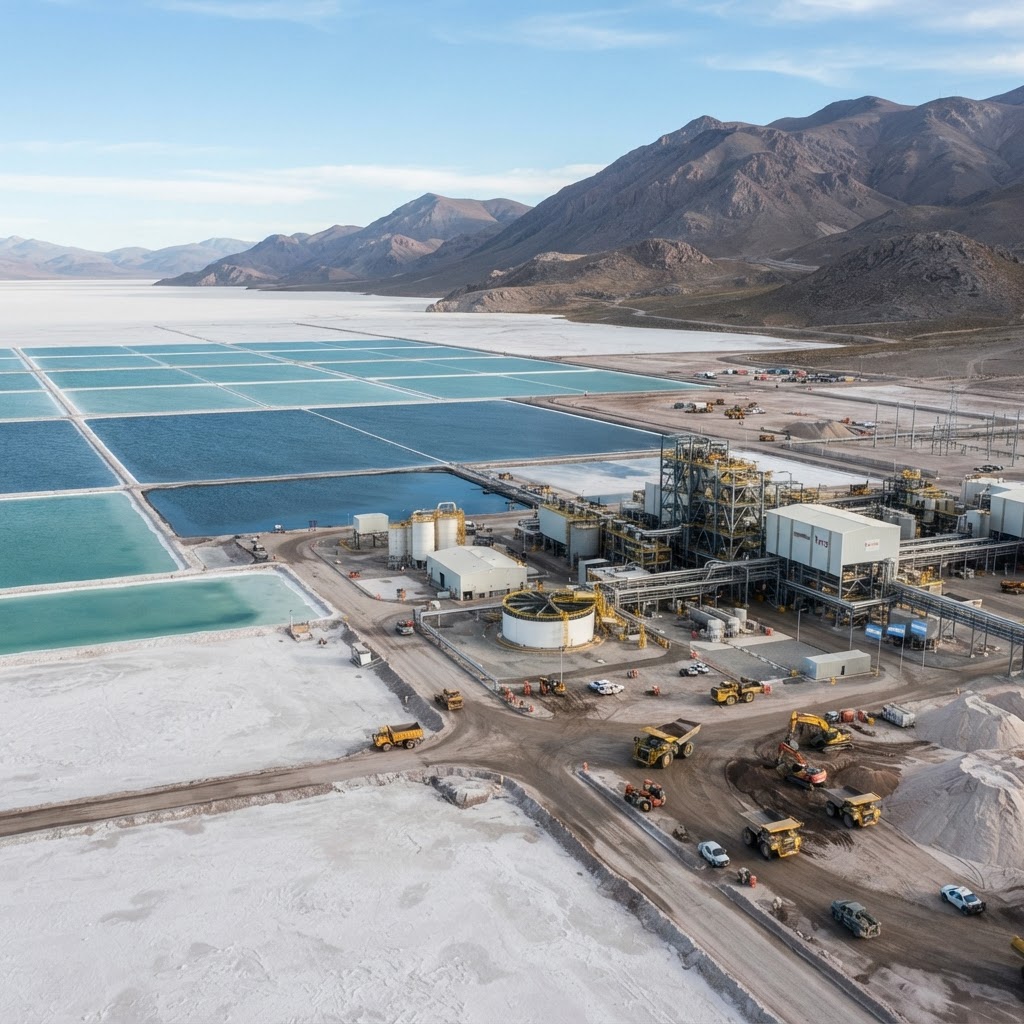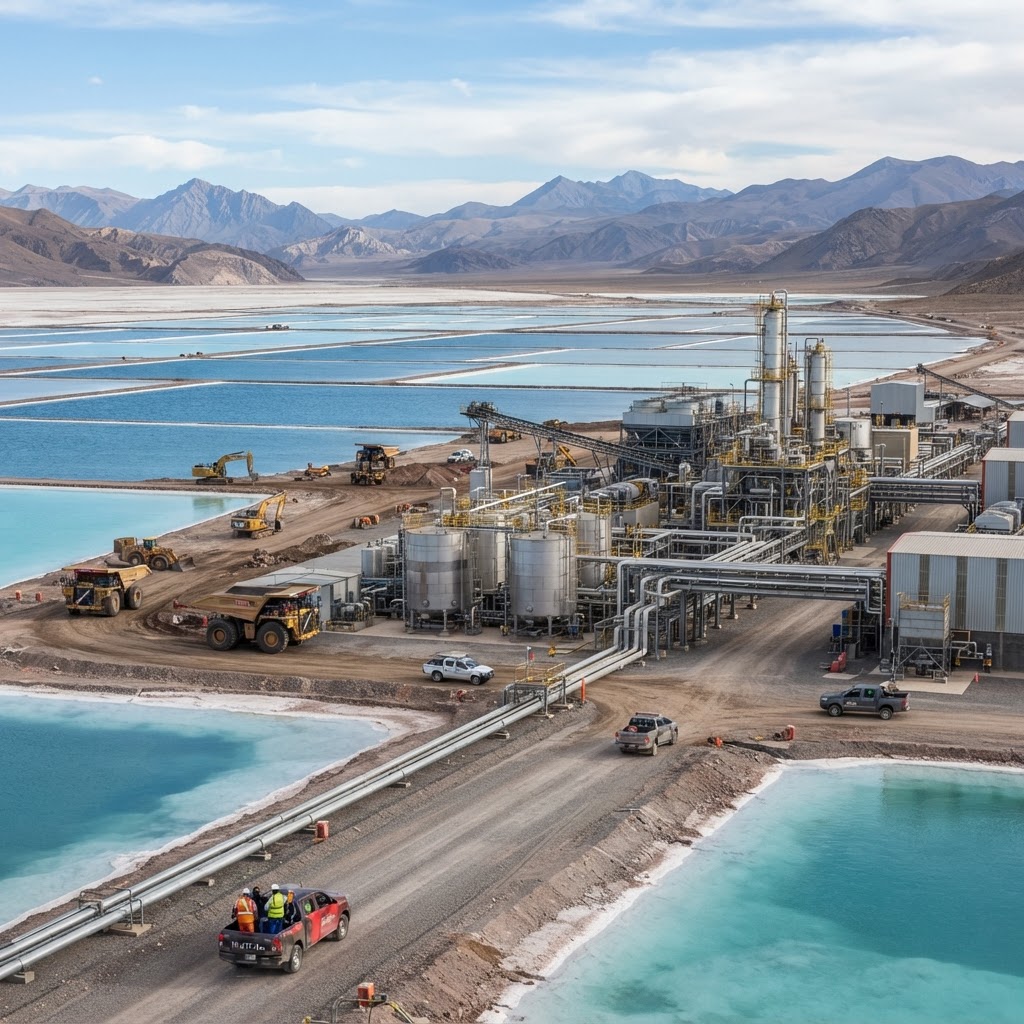
Rio Tinto is accelerating its lithium growth strategy in Argentina, marking a significant milestone in the development of the Fénix project at the Salar del Hombre Muerto. Following the successful integration of Arcadium Lithium assets, the company is moving forward with the Fénix Phase 1B expansion. This critical development includes the deployment of advanced selective adsorption technology and a new lithium carbonate plant, designed to bolster global supply chains for battery materials. By optimizing infrastructure and leveraging existing brine resources, Rio Tinto is positioning itself to meet the long-term demand for high-purity lithium, reinforcing its role as a cornerstone supplier for the global electric vehicle and energy storage sectors.
Key Findings
The Fénix Phase 1B expansion represents a strategic shift toward higher-efficiency extraction methods. By integrating a new selective adsorption plant alongside traditional brine processing, the project aims to significantly increase lithium carbonate equivalent (LCE) output. Key infrastructure upgrades include a dedicated gas compressor station in Olacapato, which is essential for supporting the increased energy requirements of the expanded processing facilities. The project is projected to create over 1,100 jobs during the construction phase, transitioning to 504 permanent operational roles upon completion. Economically, the expansion is expected to contribute approximately US$165 million annually in exports, providing a substantial boost to the regional economy in Catamarca. This expansion is part of a broader corporate objective to grow Rio Tinto’s total lithium production capacity to over 200,000 tonnes per year by 2028, ensuring a robust pipeline of materials for the energy transition.
Industry Response
The industry has viewed the consolidation of these assets under the 'Rio Tinto Lithium' banner as a stabilizing force for the sector. Analysts note that the ability to leverage a major balance sheet allows for the continued development of Tier 1 assets despite recent price volatility in the lithium market. Industry trade groups and regional stakeholders have welcomed the commitment to infrastructure, particularly the investment in gas transportation capacity, which addresses a common bottleneck for remote mining operations. Furthermore, the focus on sequential project development—prioritizing the most efficient phases—is seen as a prudent capital allocation strategy. By maintaining a long-term outlook, Rio Tinto is signaling confidence in the structural demand for lithium, a sentiment echoed by policymakers who view these investments as vital to securing resilient, diversified supply chains for critical minerals in the coming decade.
What's Next
The immediate focus for Rio Tinto is the successful commissioning of the Phase 1B infrastructure and the integration of the new adsorption plant into the existing Fénix circuit. Following this, the company will continue to evaluate the sequencing of its broader portfolio, including the Sal de Vida Stage 1 project, to ensure optimal production ramp-up. Market observers are closely watching for updates on the Rincon project, which recently secured a significant financing package, as it serves as a secondary pillar for the company's Argentine growth. Over the next 18 to 24 months, the primary catalyst will be the transition from construction to full-scale production, which will provide a clearer picture of the project's cost-curve positioning. As global demand for battery-grade lithium continues to evolve, Rio Tinto’s ability to execute these brownfield expansions will be a key indicator of its success in capturing market share within the competitive critical minerals landscape.