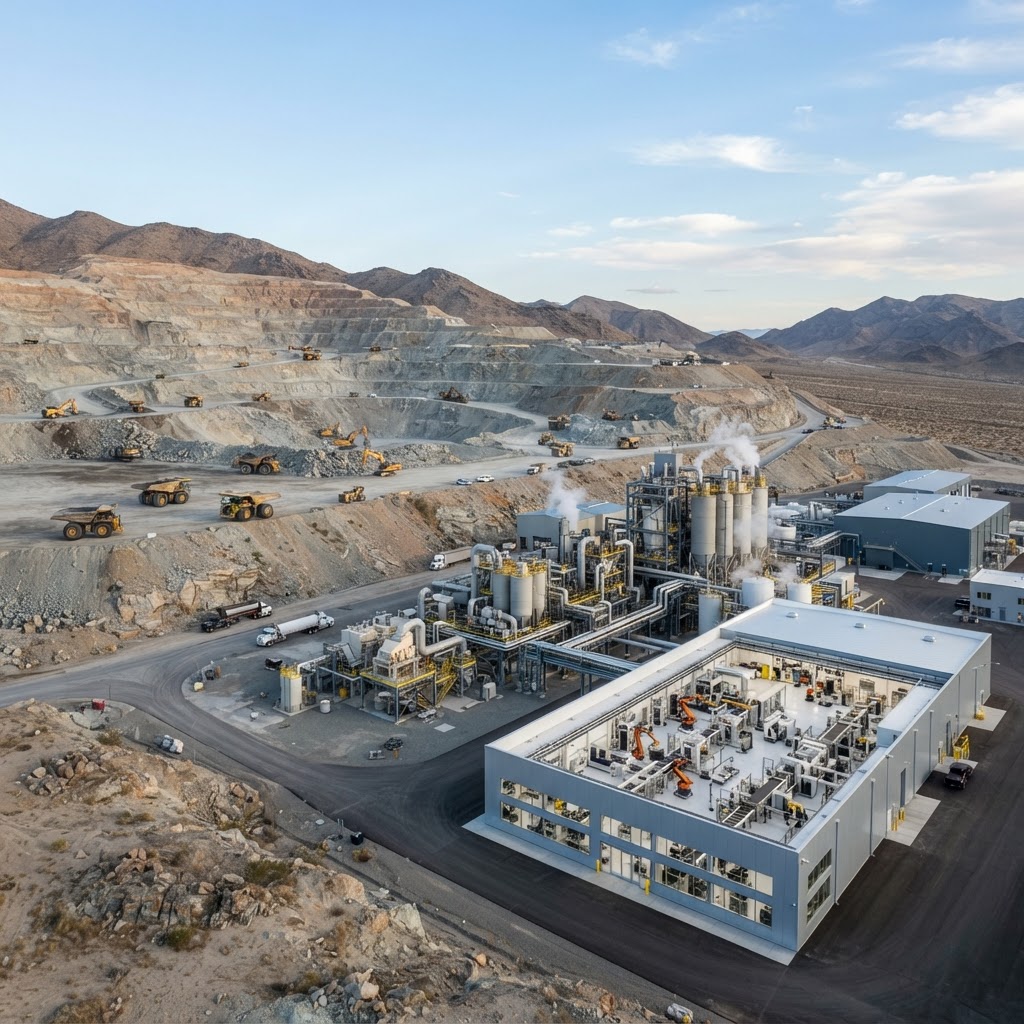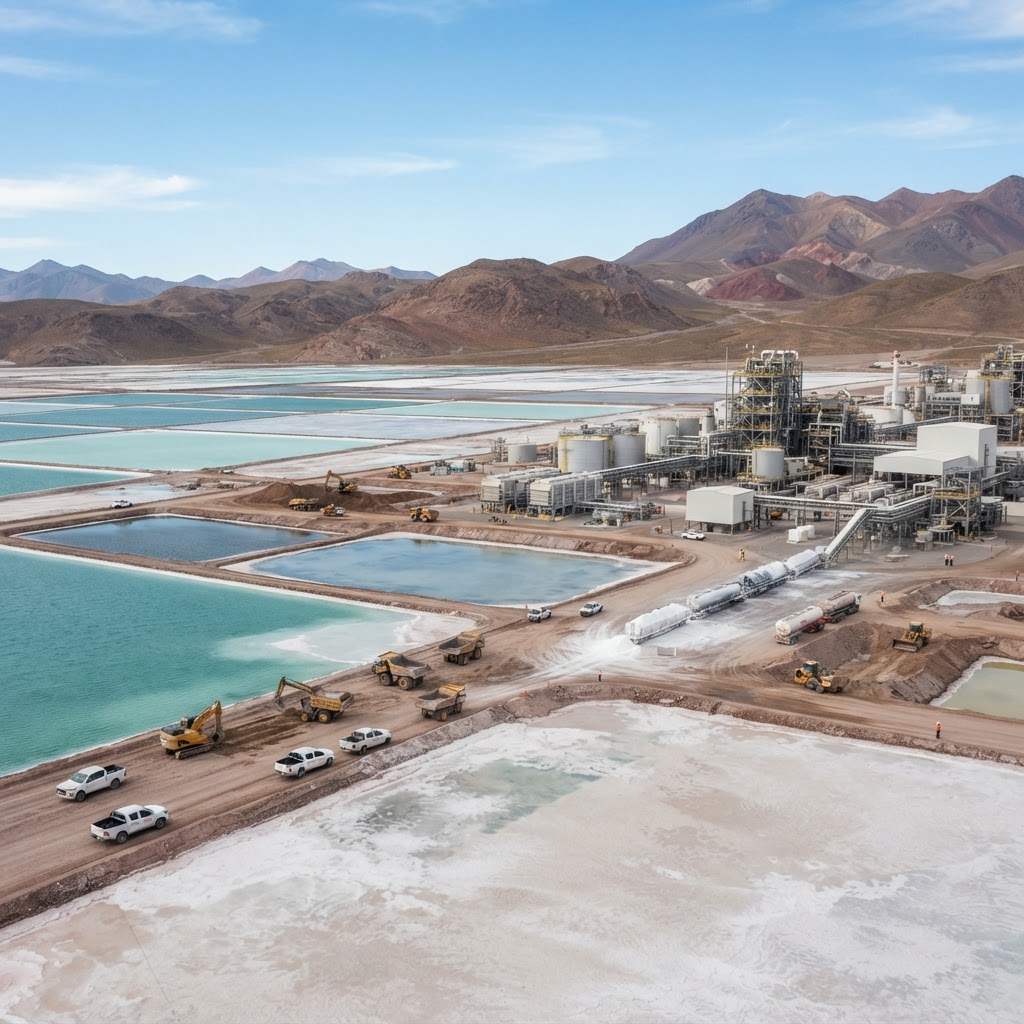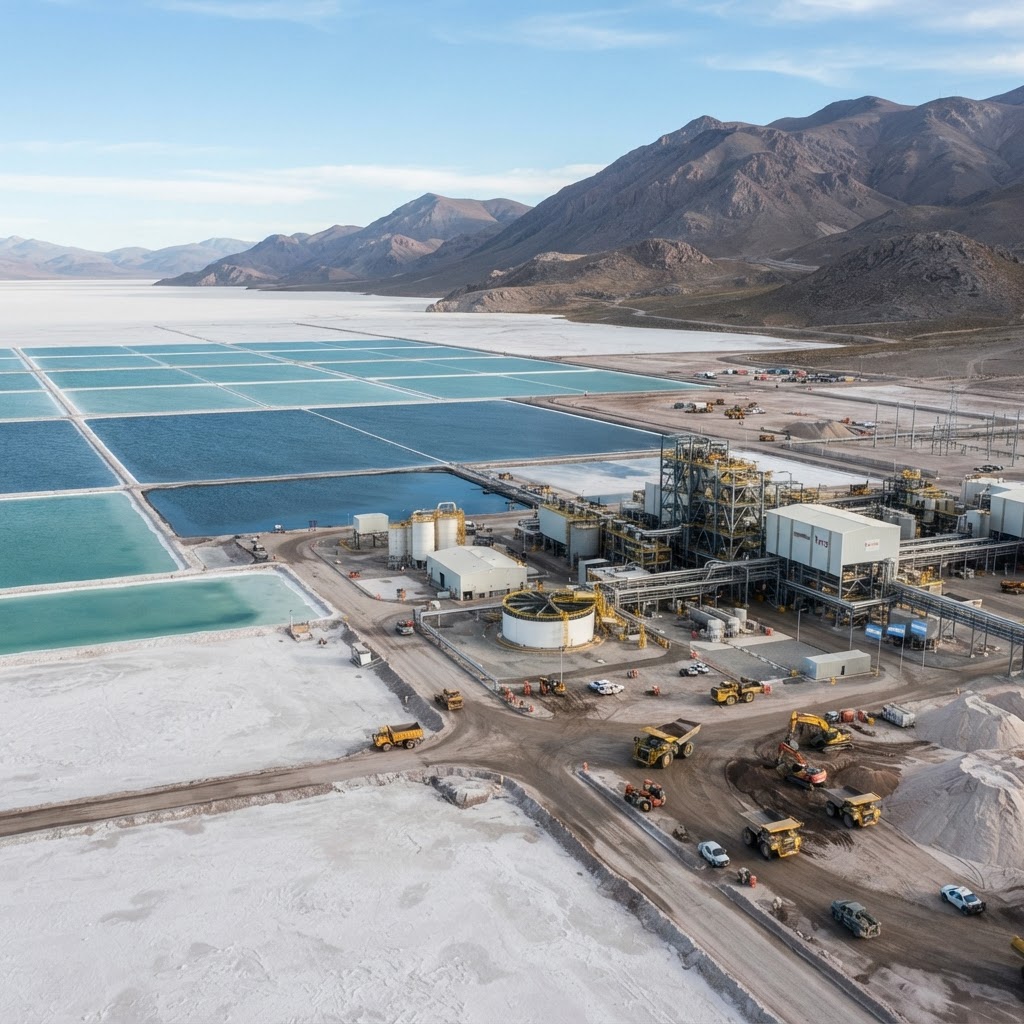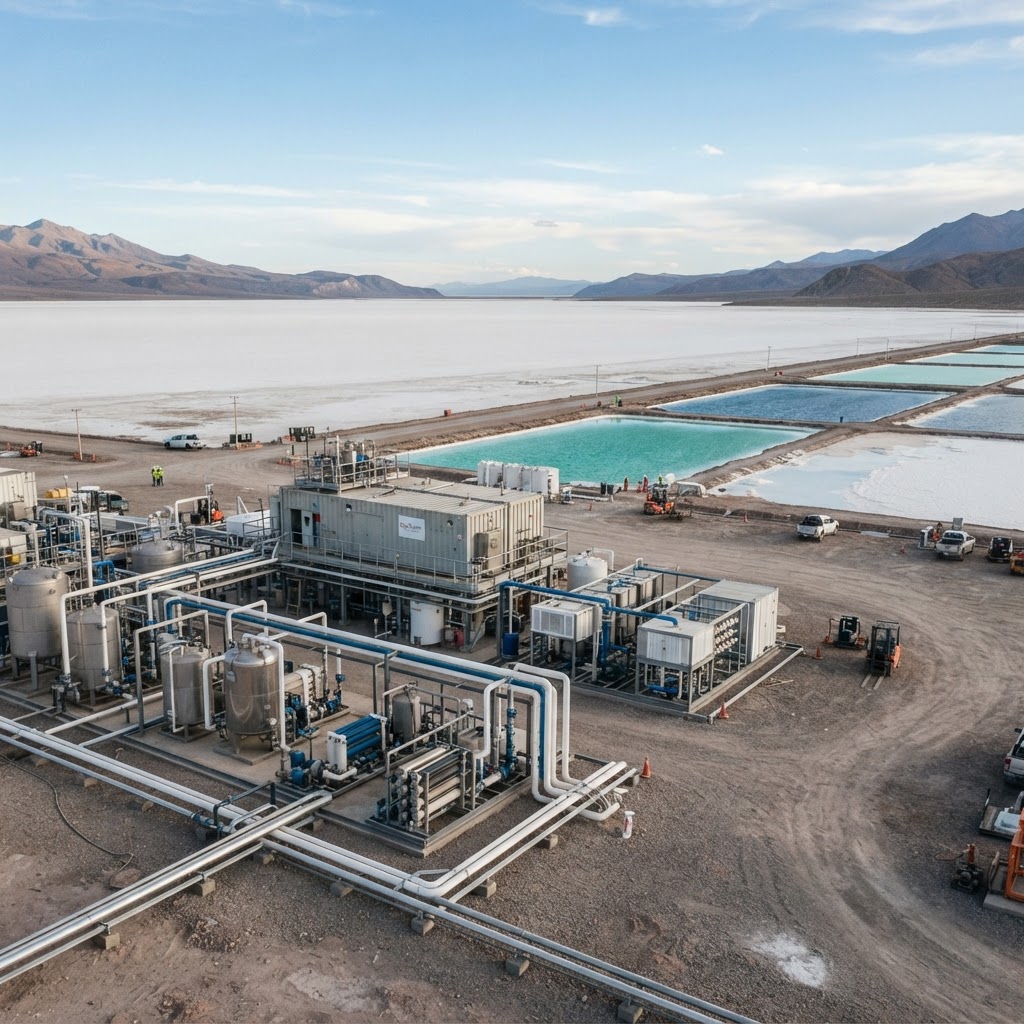
Rio Tinto is accelerating its lithium production strategy in Argentina by integrating cutting-edge processing technology at its Sal de Vida site. The mining giant has deployed a pilot unit featuring ILiAD Technologies’ advanced direct lithium extraction (DLE) platform, marking a significant step in optimizing recovery rates from the Catamarca province’s brine deposits. This move follows Rio Tinto’s successful $6.7 billion acquisition of Arcadium Lithium, which consolidated a massive portfolio of high-value assets. By leveraging proprietary adsorption-based systems, the company aims to enhance impurity rejection and improve lithium-to-sodium ratios, reinforcing its commitment to scaling production to meet the surging global demand for battery-grade materials.
Key Findings
The deployment of the ILiAD+ platform at Sal de Vida represents a critical technical milestone for Rio Tinto’s lithium division. The system utilizes continuous countercurrent bed processing to target the removal of boron, calcium, potassium, magnesium, and manganese, which are common contaminants in geothermal and salt-lake brines. Recent validations indicate that this enhanced DLE technology can increase impurity rejection by more than 85 percent and improve lithium-to-sodium equivalent ratios by over six times. This technical upgrade is essential for Rio Tinto as it works toward its goal of tripling lithium production by 2028. By refining the extraction process, the company is positioning its Argentine operations to become some of the lowest-cost, highest-quality producers in the global market, effectively de-risking the supply chain for major electric vehicle manufacturers like Tesla.
Industry Response
The industry has reacted positively to the integration of advanced extraction technologies, viewing it as a necessary evolution for the sector. Analysts note that the collaboration between Rio Tinto and ILiAD Technologies—supported by a $50 million capital raise involving SLB and Arcadium Lithium—signals a broader trend of mining majors partnering with specialized tech firms to solve complex metallurgical challenges. Industry observers emphasize that such innovations are vital for maintaining project viability during periods of price volatility. Furthermore, the move aligns with the broader push by the Argentine government to double national lithium output by 2030. By adopting modular, high-efficiency DLE solutions, Rio Tinto is demonstrating a scalable pathway to production that minimizes environmental footprints while maximizing output, a strategy that has garnered support from international development finance institutions involved in the region's infrastructure projects.
What's Next
The immediate focus for Rio Tinto is the successful commissioning and data collection from the Sal de Vida pilot unit throughout the remainder of 2026. Success in this phase will likely serve as a blueprint for wider deployment across the company’s consolidated Argentine portfolio, which includes the Fénix and Rincón operations. Beyond technical milestones, the company is managing a robust capital expenditure program, having already committed over $3.6 billion to its Argentine assets. Investors are now looking toward the 2028 production targets, with the company expected to provide further updates on debottlenecking programs designed to push capacity toward 60,000 tonnes per year at Rincón and beyond. As the global energy transition continues to drive demand, Rio Tinto’s ability to integrate these technological advancements will be a key catalyst for its growth, potentially setting a new standard for efficiency in the global lithium supply chain.