Rio Tinto has reached a definitive milestone in its lithium strategy, securing a $1.175 billion financing package to accelerate development at the Rincon project in Argentina’s Salta Province. The diversified mining giant obtained the capital through a consortium of international lenders, including the International Finance Corporation and the Japan Bank for International Cooperation. This injection supports a total $2.5 billion investment aimed at producing 60,000 tonnes of battery-grade lithium carbonate annually. As the global energy transition intensifies, this financing underscores the growing confidence in Argentina’s regulatory framework and its role as a premier lithium hub. The project represents Rio Tinto’s first commercial-scale lithium operation, signaling a major shift toward battery materials for the Tier 1 producer.
Key Findings
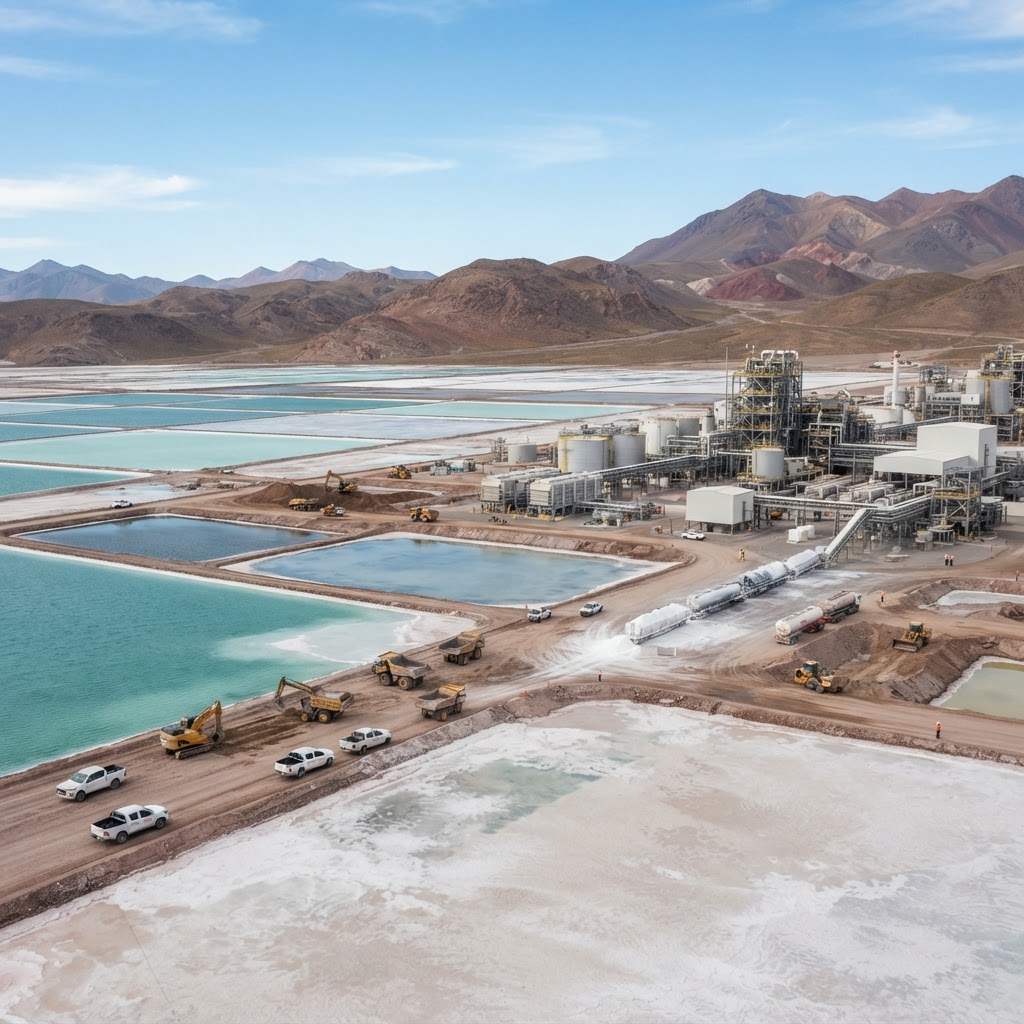
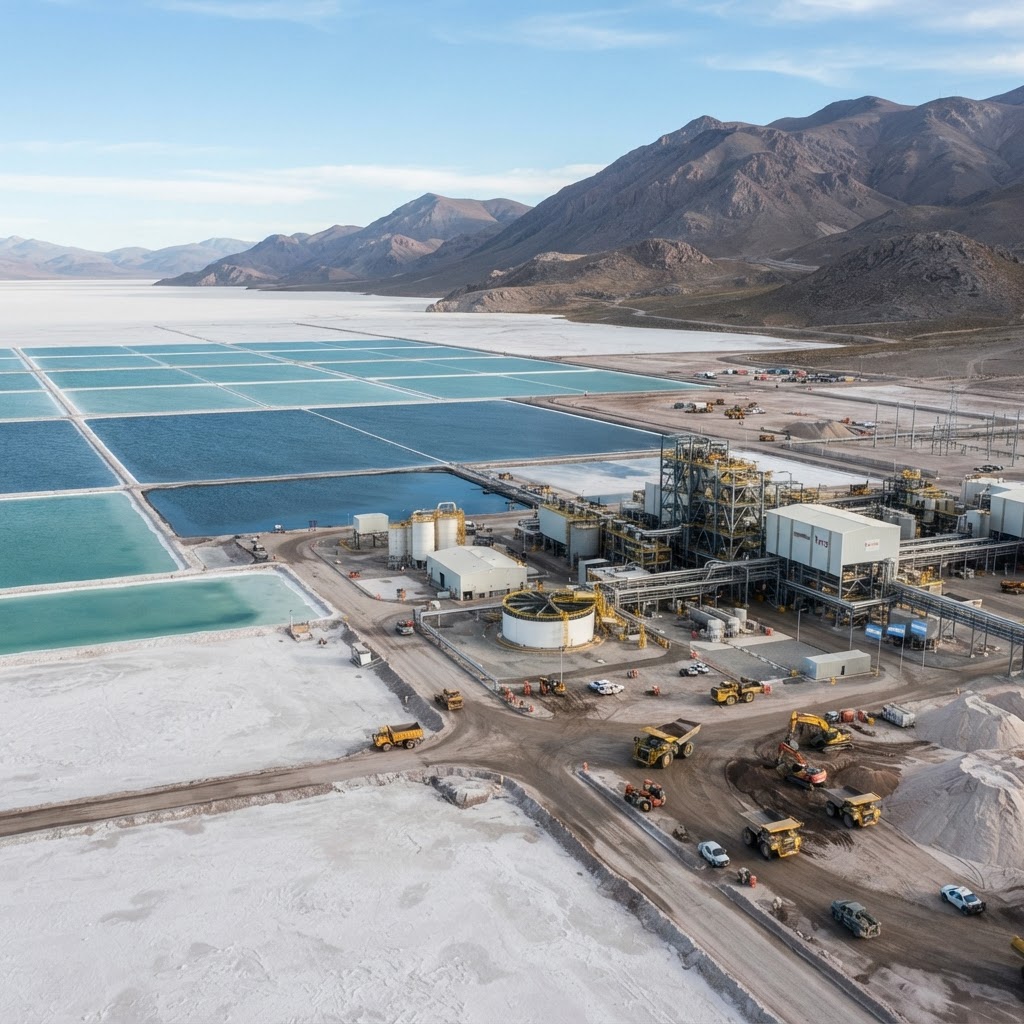
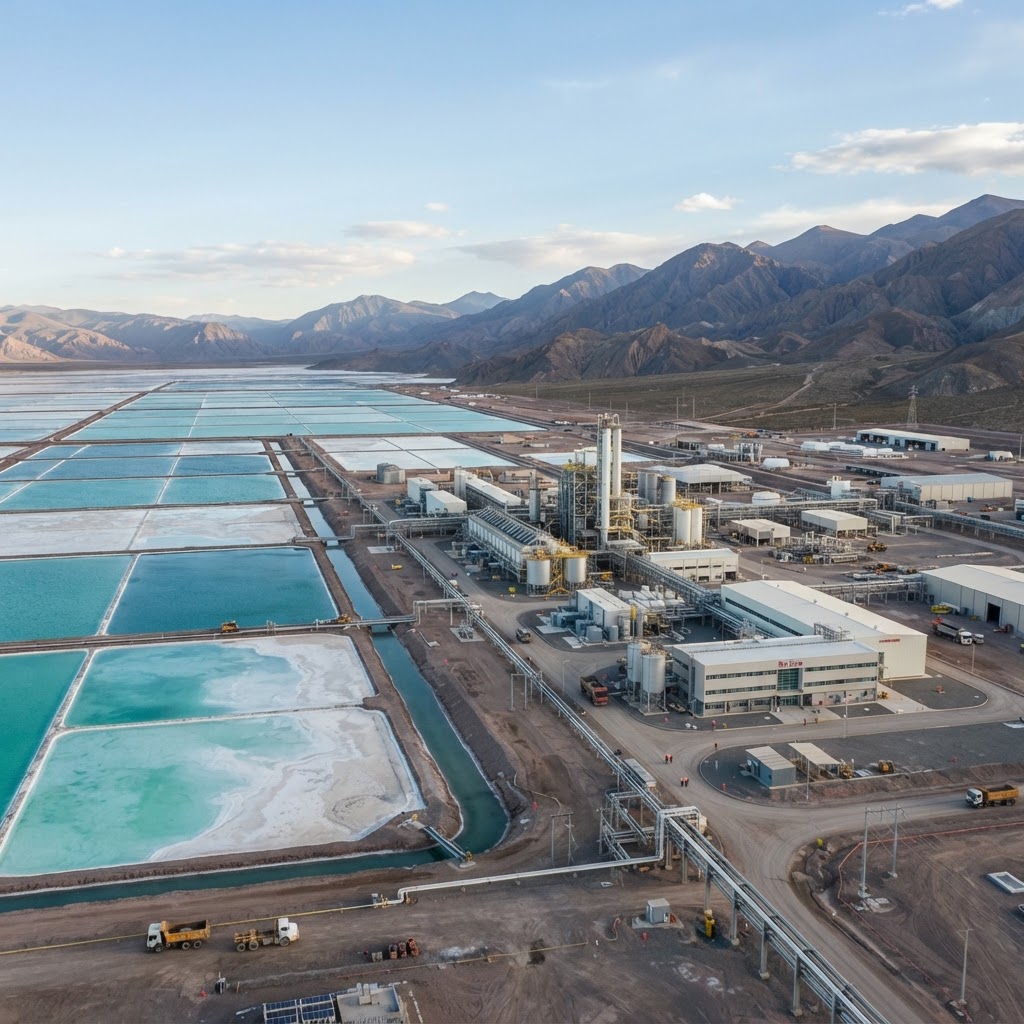
The financing package is a multi-agency effort involving the International Finance Corporation (IFC), IDB Invest, Export Finance Australia (EFA), and the Japan Bank for International Cooperation (JBIC). These funds are earmarked for the expansion of the Rincon site, which transitioned from a 3,000-tonne starter plant to a full-scale industrial operation. The project is now targeting a production capacity of approximately 60,000 tonnes per year of battery-grade lithium carbonate, a significant increase from earlier estimates. This output is expected to be sustained over a projected 40-year mine life, positioning Rincon as a cornerstone asset in the global battery supply chain. Furthermore, the project benefits from Argentina’s Large Investment Incentive Regime (RIGI), which provides critical tax, customs, and foreign exchange incentives. These policy measures have been instrumental in attracting large-scale foreign capital to the Salta, Jujuy, and Catamarca regions. The development also emphasizes high environmental and social standards, aligning with the World Bank Group’s Metals and Minerals Strategy. By integrating in-country processing, Rio Tinto aims to capture more value within the local economy while ensuring a stable supply of high-purity lithium for international automotive manufacturers and battery producers seeking to diversify their sourcing away from dominant market players.
Industry Response
Industry leaders and multilateral partners have hailed the financing as a benchmark for responsible mineral development. Makhtar Diop, Managing Director of the IFC, stated that the investment reflects a commitment to supporting Argentina’s development through sustainable private sector solutions in partnership with global leaders like Rio Tinto. This sentiment is echoed by regional policymakers who view the Rincon expansion as a catalyst for local employment and economic diversification in the Salta province. Analysts at S&P Global have noted that Rio Tinto’s aggressive entry into the lithium sector—forecasted to grow its production fivefold by 2035—is a strategic pivot that could make it the world’s second-largest lithium miner. The project is seen as a vital component in addressing the structural imbalances in the lithium supply chain, where mining growth has historically outpaced refining capacity. By producing battery-grade carbonate on-site, Rio Tinto is addressing the "midstream gap" identified by the International Energy Agency. Market observers also point to the involvement of Export Finance Australia and JBIC as evidence of a coordinated effort by Western-aligned economies to secure critical mineral off-take. This collaboration highlights the strategic importance of the "Lithium Triangle" in the broader geopolitical context of energy security and supply chain resilience.
What's Next
The roadmap for Rincon involves a clear sequence of operational milestones. Following the commencement of site infrastructure and camp expansion works, Rio Tinto is targeting first production from the expanded operation in 2028. This will be followed by a three-year ramp-up period to reach the full 60,000-tonne annual capacity. Investors are closely watching for the completion of the processing facilities, which will utilize advanced brine extraction technologies to optimize recovery rates. Beyond Rincon, Rio Tinto’s broader lithium ambitions include a production target of 400,000 metric tons of lithium carbonate equivalent by 2035, driven by both organic growth and potential further acquisitions. In Argentina, the success of the Rincon financing is expected to pave the way for seven other greenfield lithium projects slated for commission by 2030, potentially doubling the country's total output. The next twelve months will be critical for the procurement of long-lead equipment and the finalization of additional off-take agreements with major EV manufacturers. As the project moves toward the commissioning phase, the focus will shift to maintaining the construction schedule and meeting the stringent ESG criteria mandated by the international lending consortium, ensuring Rincon serves as a model for future brine operations.