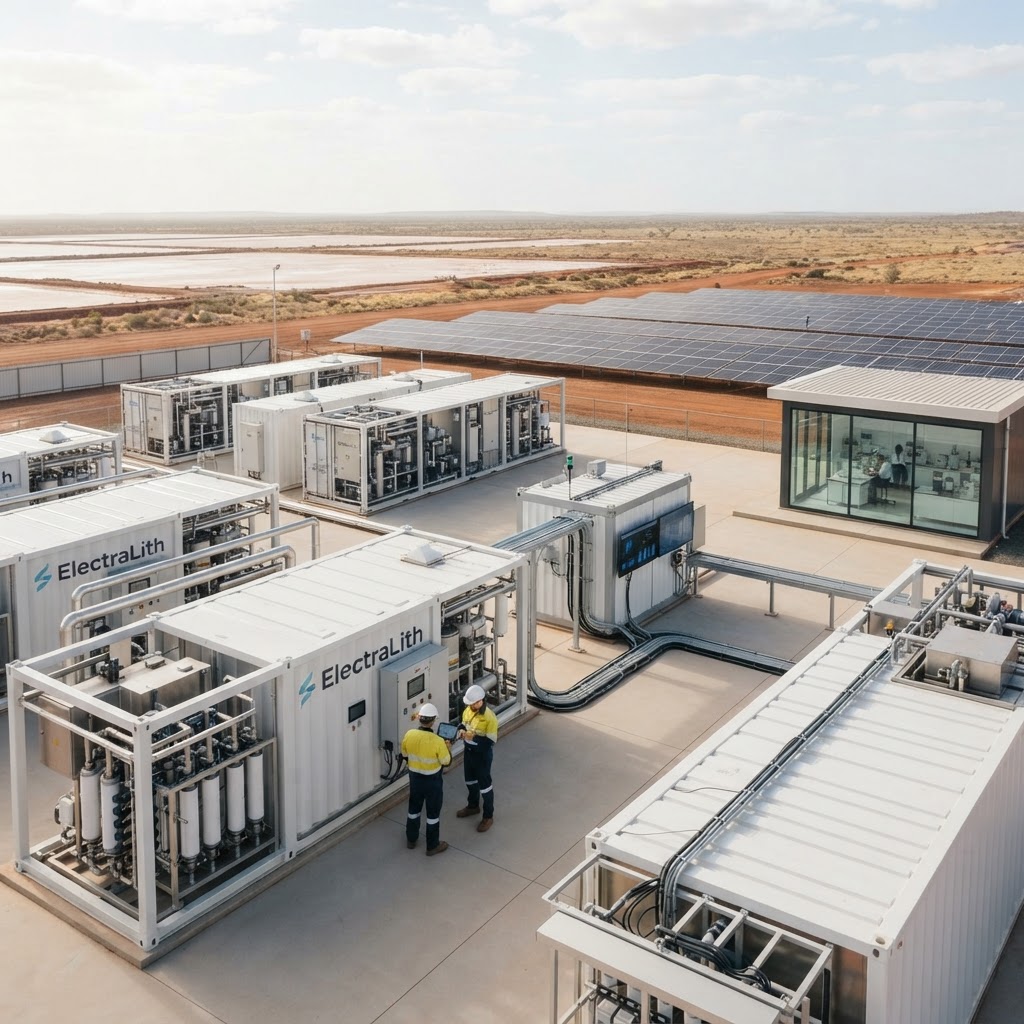
Melbourne-based ElectraLith is accelerating the commercialization of its proprietary Direct Lithium Extraction and Refining (DLE-R) technology following a successful proof-of-concept milestone. The Monash University spin-out aims to disrupt traditional lithium processing by producing battery-grade lithium hydroxide in a single, modular step that eliminates the need for water and chemical reagents. Backed by Rio Tinto and IP Group Australia, the technology represents a significant shift for the Australian critical minerals sector, which has historically relied on energy-intensive spodumene concentrate production. By leveraging membrane-based exchange powered by renewable energy, ElectraLith’s DLE-R process offers a pathway to lower capital expenditures and a reduced environmental footprint for global brine and hard-rock operations.
Key Findings
The core innovation of ElectraLith’s DLE-R process lies in its ability to bypass the traditional, multi-stage evaporation and refining cycles. According to Lithium extraction breakthrough a huge step towards a greener future - Monash University, the technology has recently moved from university research to a functional proof of concept. This validation included an American Association of Cost Engineers Class 5 Techno Economic Analysis Report conducted by Worley Consulting, which underscores the commercial viability of the modular system. Unlike conventional Direct Lithium Extraction (DLE) methods that often require significant freshwater inputs, DLE-R is designed to be water-neutral, a critical advantage for projects in arid regions. The technology is versatile enough to handle various brine chemistries, including those found in the Paradox Basin and the Lithium Triangle. Furthermore, the process is designed to run entirely on renewable energy, aligning with the industry's tightening ESG requirements. As Australia seeks to move further down the value chain from raw ore to refined chemicals, such innovations are vital for maintaining its status as the world’s top lithium producer, currently accounting for approximately 49% of global supply as noted by Critical minerals at Geoscience Australia.
Industry Response
The mining industry has responded with significant strategic interest and capital. Rio Tinto, which has integrated ElectraLith into its broader battery minerals strategy, sees the technology as a transformative tool for its global portfolio. Travis Baroni, Rio Tinto Chief Advisor for Battery Minerals, stated that the DLE-R technology shows "real potential to significantly reduce the economic and environmental costs of lithium production," according to ElectraLith takes a huge step towards a greener future with a lithium extraction breakthrough - Monash Innovation. Meanwhile, IP Group Australia Managing Director Mike Molinari highlighted that the recent validation reports provide essential third-party verification as the company enters the prototyping stage. International partners are also moving quickly; Mandrake Resources CEO James Allchurch noted that the DLE-R process is "perfectly suited" to the water chemistry of their Utah projects, where water conservation is a primary operational hurdle. Analysts suggest that the modular nature of the technology allows for faster deployment compared to traditional refineries. This sentiment is echoed by broader trends in the Australian sector, where Australian Mining Technology Trends 2026 indicates that advanced technological solutions are transitioning from experimental to essential infrastructure to meet surging global demand.
What's Next
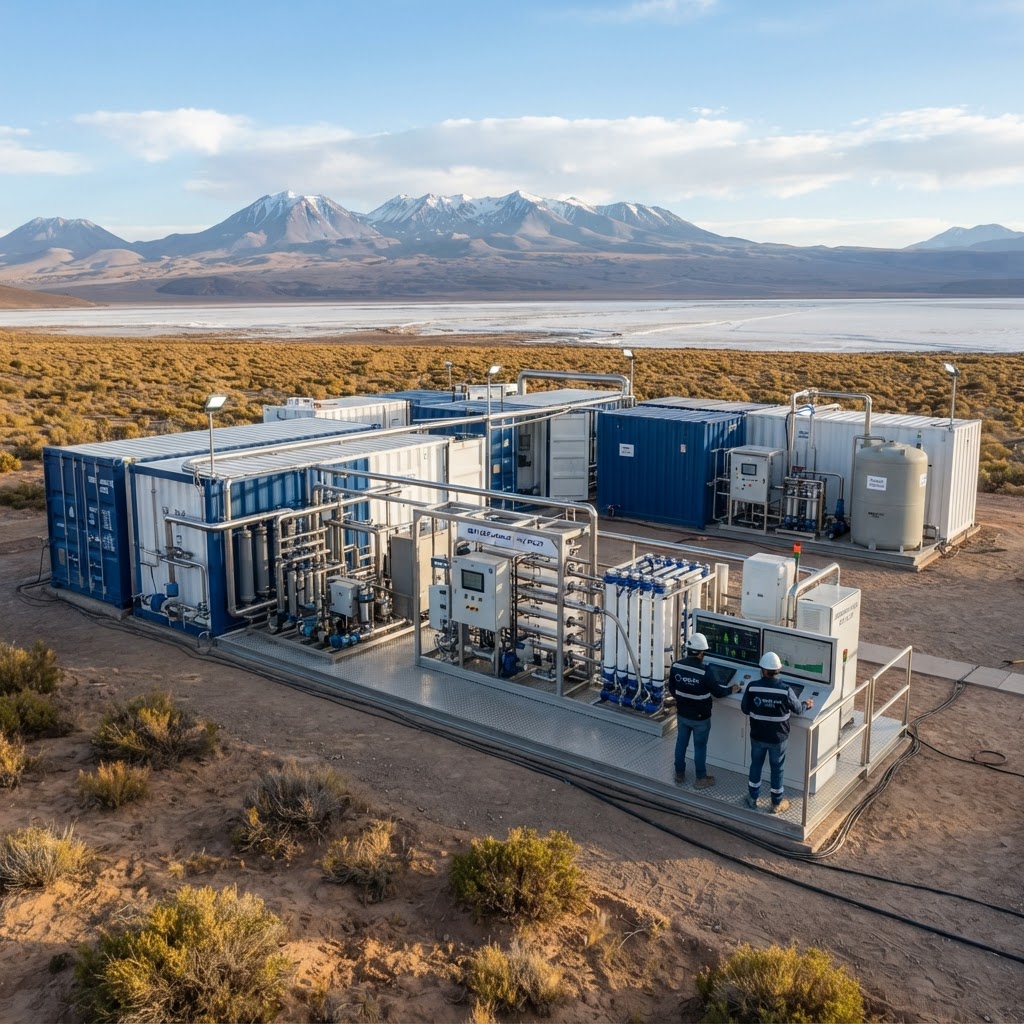
The next phase for ElectraLith involves scaling from laboratory success to field-ready prototypes. A pivotal milestone is set for 2026, when ElectraLith and Rio Tinto will trial the first DLE-R prototype at the Rincon Project in Argentina, as detailed in ElectraLith takes a huge step towards a greener future with a lithium extraction breakthrough - Monash Innovation. This trial will serve as a critical test for the technology’s performance in high-altitude, commercial-scale environments. Success at Rincon could pave the way for broader adoption across Rio Tinto’s lithium assets and other global brine resources. Simultaneously, the company is exploring applications for Australian hard-rock deposits, aiming to streamline the production of lithium hydroxide directly from spodumene-derived solutions. This aligns with the broader market trajectory where DLE technologies are projected to grow the lithium market into a US$52 billion industry by 2036, according to Direct Lithium Extraction 2026-2036: Technologies, Players, Forecasts: IDTechEx. Investors will be watching for further capital raises and potential licensing agreements as ElectraLith moves toward full commercial deployment. The ability to deliver battery-grade material without the traditional environmental trade-offs remains the primary catalyst for the company’s valuation and industry-wide impact.