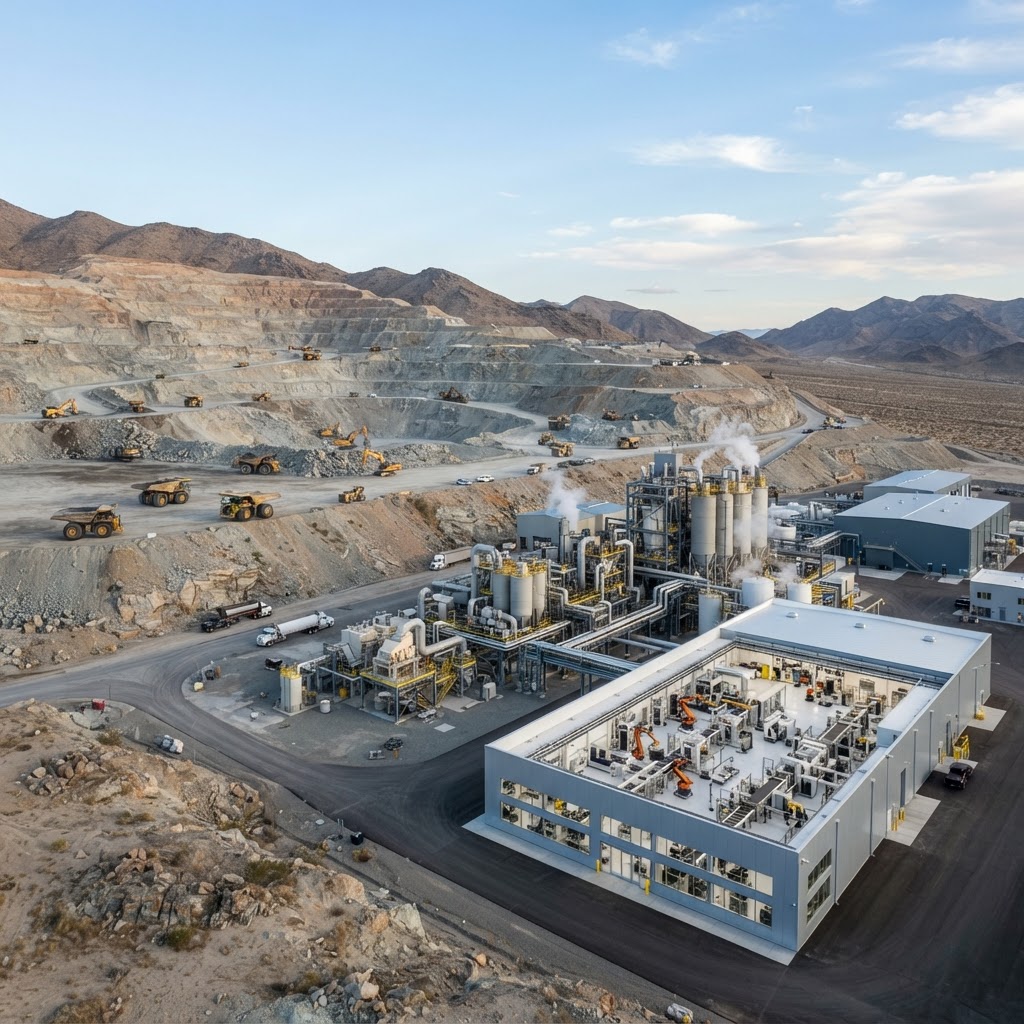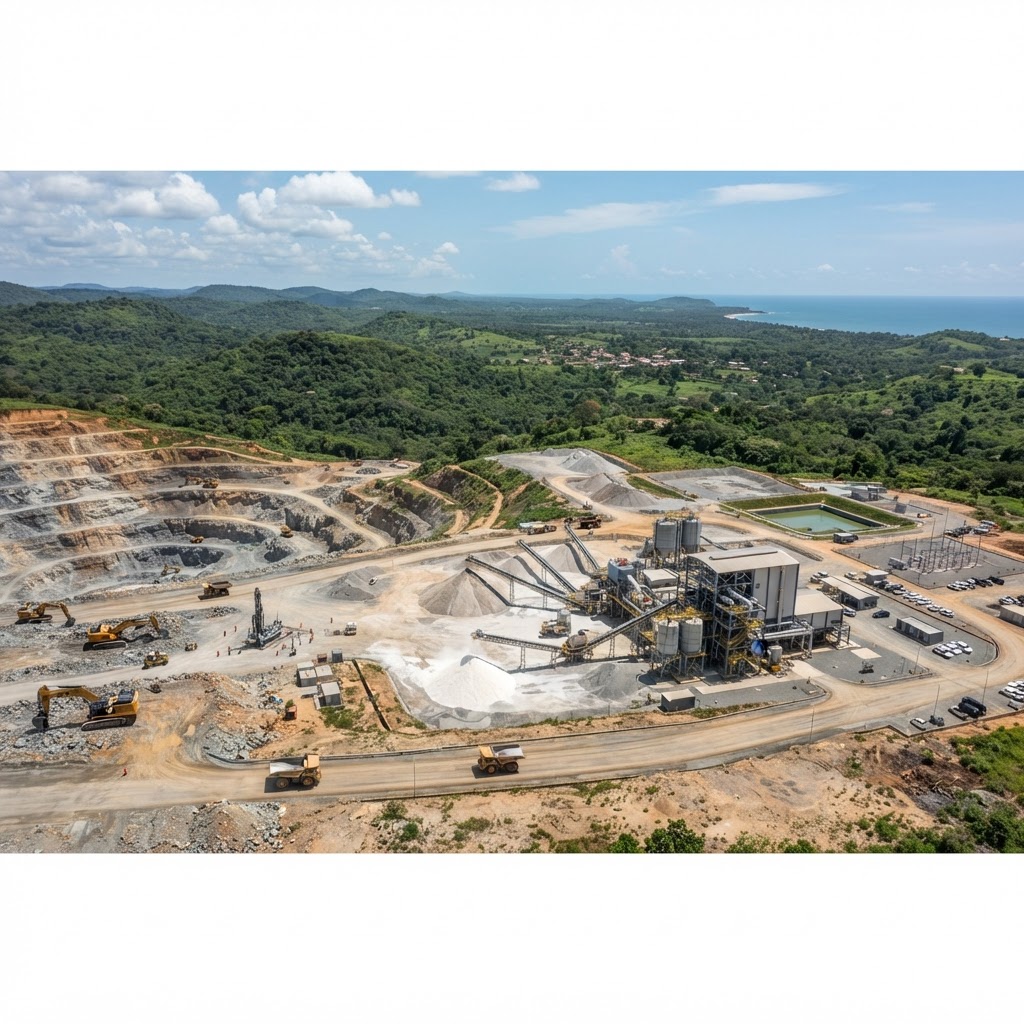
Ghana has officially cleared the path for its inaugural lithium mine, with the national parliament ratifying the mining lease for the Ewoyaa Lithium Project. This landmark decision marks a pivotal moment for Atlantic Lithium, the project developer, and signals a significant shift in the regional critical minerals landscape. By securing this legislative mandate, the project moves from the feasibility stage into active development, positioning Ghana as a strategic contributor to the global energy transition. For investors and industry stakeholders, the ratification provides the regulatory certainty required to unlock project financing and accelerate the construction of infrastructure necessary to supply high-grade spodumene concentrate to international markets.
Key Findings
The ratification of the Ewoyaa mining lease follows a rigorous multi-year development process, including the completion of a Definitive Feasibility Study (DFS) that confirmed the project's economic viability. The site is expected to serve as a cornerstone for regional supply, with a significant portion of its life-of-mine offtake already committed to North American partners. This project is designed to utilize a simple gravity-only process flowsheet, which minimizes technical complexity and operational risk. Furthermore, the project benefits from a 15-year initial mining lease, renewable under Ghanaian law, providing the long-term tenure essential for capital-intensive mining operations. The integration of this asset into the global supply chain is timely, as demand for battery-grade lithium continues to outpace current production capacity, with market projections indicating sustained growth through 2030.
Industry Response
The industry has welcomed the parliamentary approval as a vital de-risking event. Atlantic Lithium has emphasized that the ratification is the primary catalyst for advancing project financing discussions and finalizing construction timelines. Analysts note that the project’s ability to secure local support, including recent investments from Ghanaian pension funds, underscores the domestic economic importance of the mine. While some local advocacy groups have raised questions regarding the equitable distribution of resource wealth, the company has proactively engaged in community development initiatives, such as local water desalination projects. Industry observers suggest that the Ewoyaa model—balancing international offtake agreements with local economic participation—represents a modern approach to critical minerals development in emerging markets, aligning with the growing global emphasis on ESG-compliant supply chains.
What's Next
With the mining lease now ratified, the immediate focus for Atlantic Lithium shifts to securing the final development capital required for construction. The company is expected to leverage its existing partnerships, including its strategic relationship with Piedmont Lithium, to finalize the funding structure. Key milestones in the coming months include the commencement of site preparation, the procurement of long-lead equipment, and the formalization of construction contracts. As the project transitions into the execution phase, stakeholders will be monitoring the progress of the processing plant’s commissioning and the establishment of logistics corridors to ensure efficient export. The successful delivery of the first spodumene concentrate will be a critical benchmark, not only for Atlantic Lithium but for Ghana’s broader ambition to develop a domestic mineral processing and battery manufacturing ecosystem.