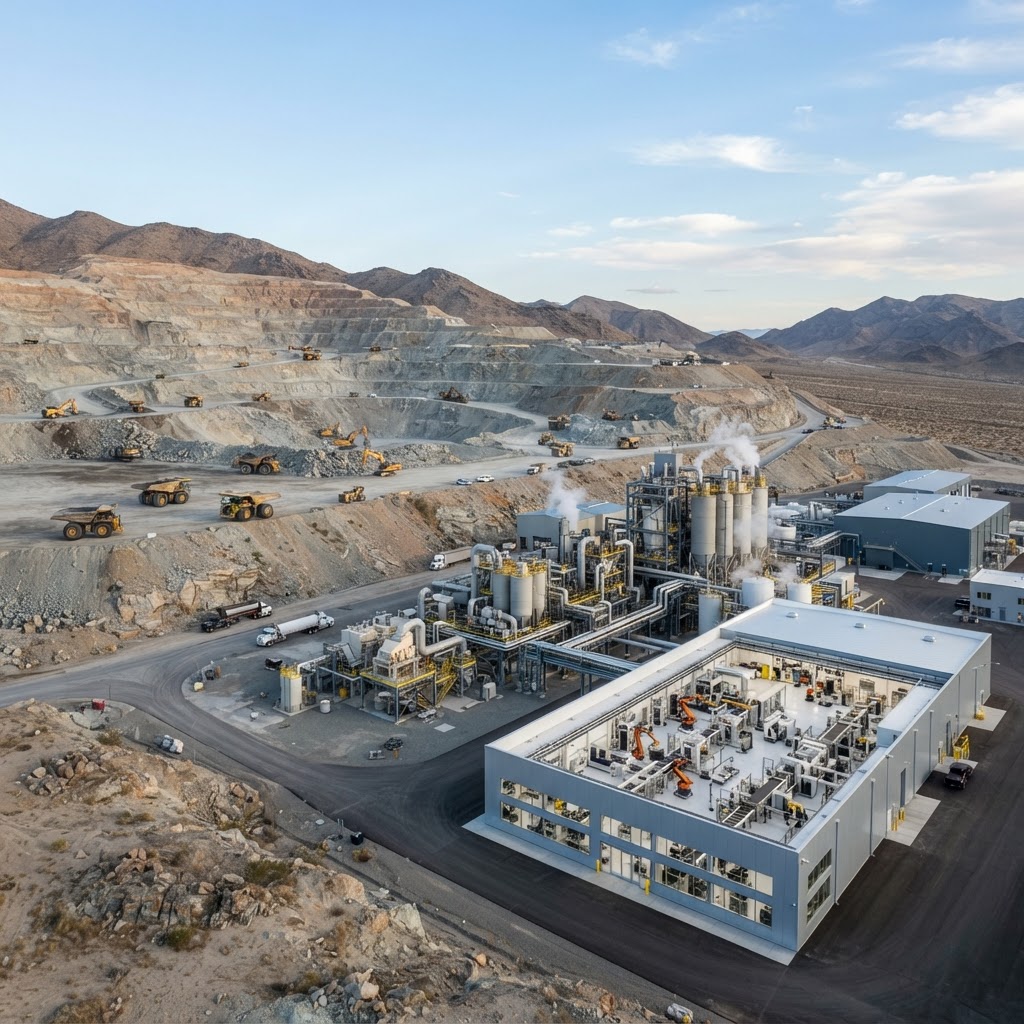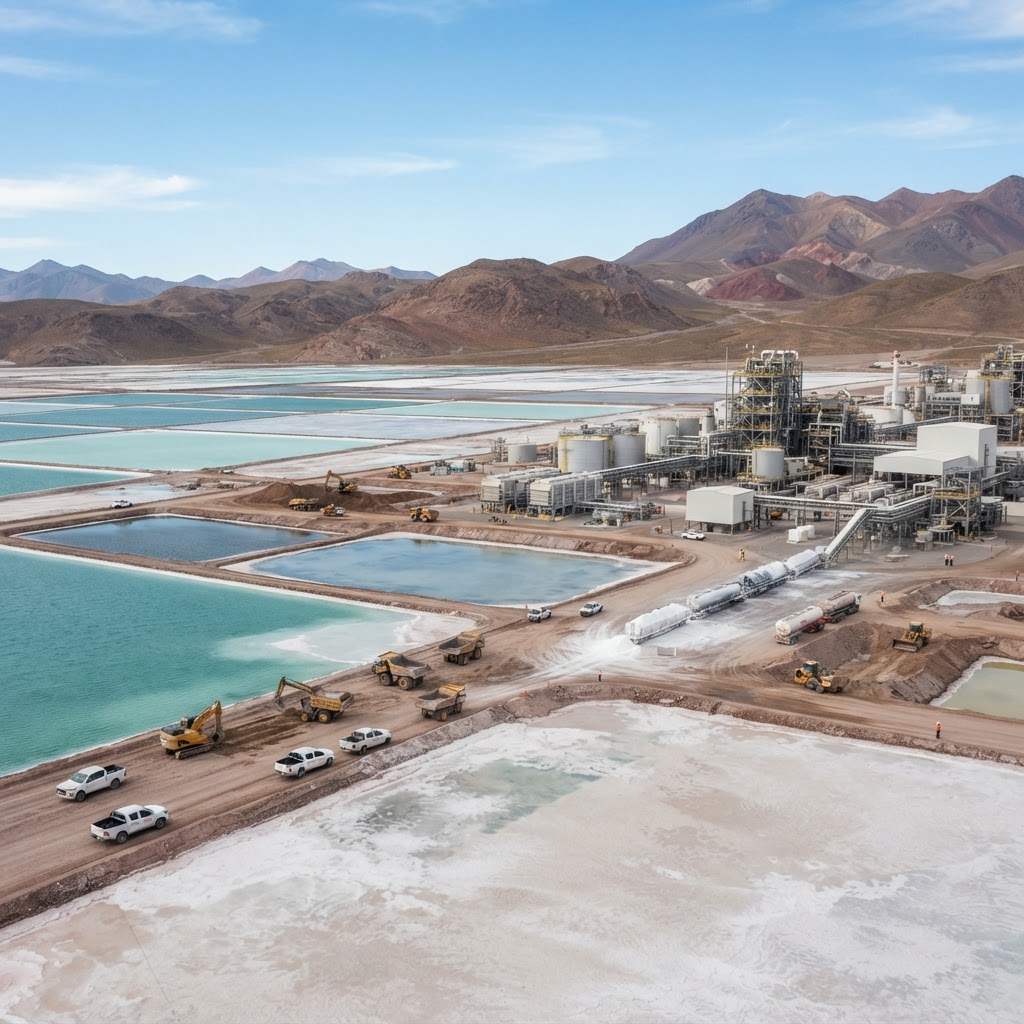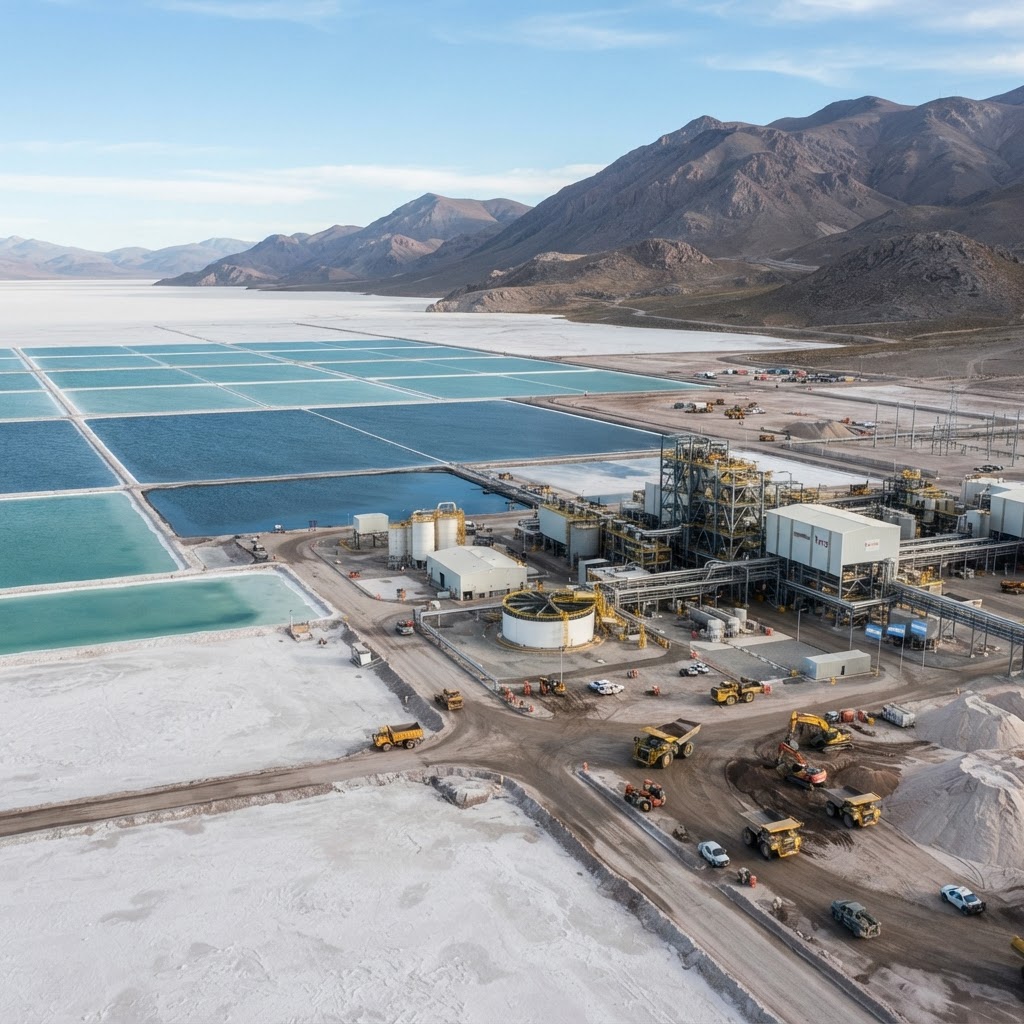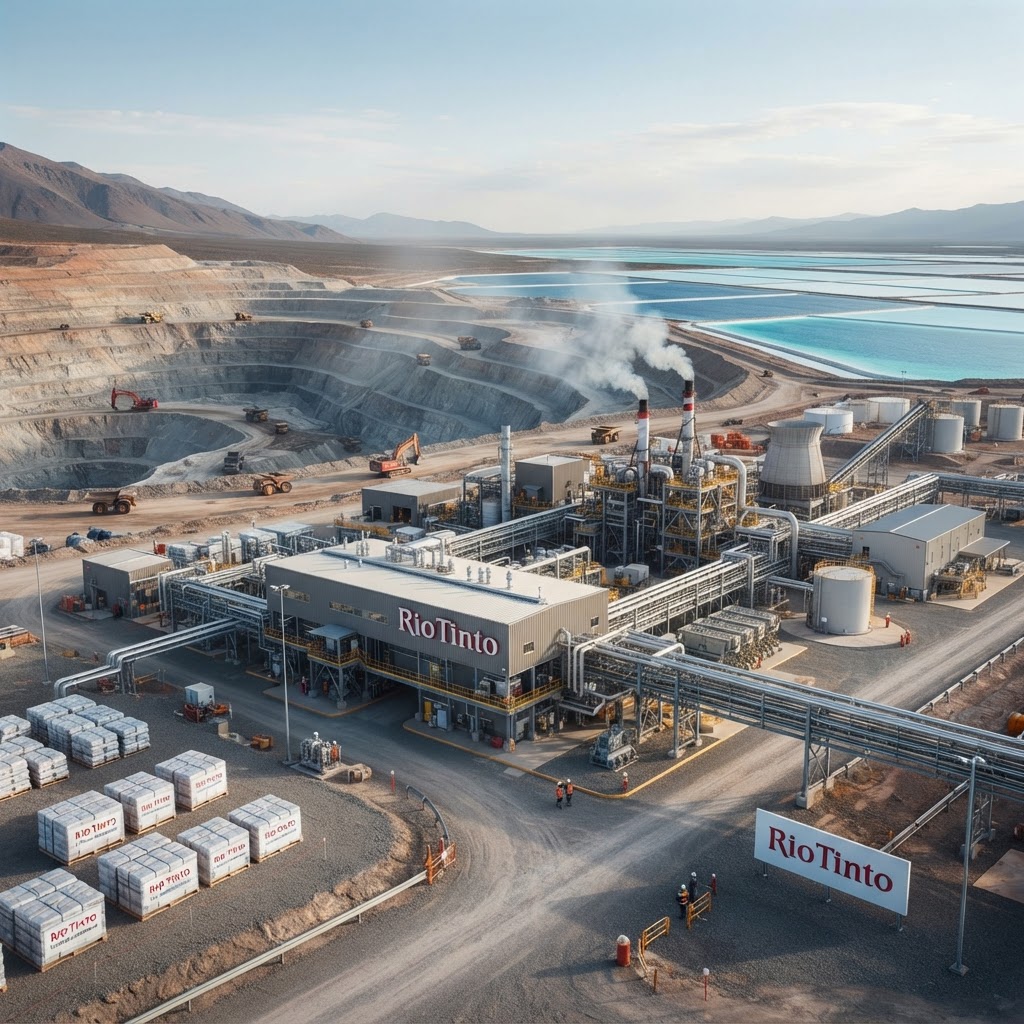
Rio Tinto Group’s definitive agreement to acquire Arcadium Lithium for $6.7 billion in an all-cash transaction marks a transformative moment for the critical minerals sector. This strategic move, priced at a significant premium, underscores the long-term bullish outlook for lithium-ion battery demand despite recent price volatility in the underlying commodity. By integrating Arcadium’s diversified portfolio across Argentina and Australia, Rio Tinto instantly becomes a top-tier lithium producer with a world-class growth pipeline. This acquisition reflects a broader trend of major mining houses deploying capital into energy transition materials, providing a stabilizing force and a clear pathway for the massive scale-up required to meet global decarbonization goals by the end of this decade.
Key Findings
The acquisition of Arcadium Lithium grants Rio Tinto access to a high-quality asset base that includes brine and hard-rock operations, as well as sophisticated downstream processing capabilities. Arcadium, formed from the merger of Allkem and Livent, brings a production capacity that Rio expects to grow significantly through the 2020s. The $5.85 per share offer represents a 90% premium to Arcadium’s closing price on October 4, 2024, demonstrating Rio Tinto’s willingness to pay for established, low-cost operations during a market trough.
Analysts note that this deal effectively addresses Rio Tinto's previous lack of lithium exposure, transforming it into the world's third-largest producer of the metal. The move is particularly significant for its geographical diversification; Rio now gains a substantial foothold in the "Lithium Triangle" of South America. Furthermore, the transaction includes Arcadium’s proprietary Direct Lithium Extraction (DLE) technology, which offers potential for higher recovery rates and lower environmental impact compared to traditional pond evaporation. This technology is expected to be a cornerstone of Rio’s future lithium strategy, particularly for its existing Jadar project in Serbia and the Rincon project in Argentina.
Industry Response
The broader mining and investment community has characterized the deal as a "de-risking" event for the lithium sector. Jakob Stausholm, CEO of Rio Tinto, emphasized that the acquisition is "a significant step forward in Rio Tinto’s long-term strategy" to build a leading lithium business alongside its world-class aluminum and copper operations. Stausholm noted that Arcadium’s high-quality assets and technical expertise would accelerate the development of Rio’s lithium pipeline.
Market analysts at BMO Capital Markets and Goldman Sachs have highlighted that the transaction likely signals the "bottoming out" of the lithium cycle, encouraging other diversified majors to evaluate M&A opportunities in the space. Paul Graves, CEO of Arcadium Lithium, stated that the offer reflects the intrinsic value of their assets and the hard work of their team in building a global leader. Environmental and social governance (ESG) advocates have also responded constructively, noting that Rio Tinto’s deep pockets could facilitate more robust community investment and environmental monitoring across Arcadium’s Argentinian operations. The deal is seen as a validation of the necessity of large-scale, well-capitalized players to ensure the reliability of the Western battery supply chain.
What's Next
The transaction is expected to close in mid-2025, subject to approval by Arcadium shareholders and regulatory clearances in several jurisdictions including Australia and the United States. Following the closing, Rio Tinto plans to integrate Arcadium into a new business unit focused on battery minerals, with significant capital expenditure expected to accelerate the expansion of the Sal de Vida and James Bay projects. Investors will be closely watching for Rio’s updated production guidance, which many believe will be revised upward as the company optimizes Arcadium’s existing brownfield expansions.
Furthermore, this acquisition is likely to trigger a ripple effect across the mid-cap lithium space. Competitors such as Albemarle and SQM may face increased pressure to consolidate or accelerate their own development timelines to maintain market share. On the policy front, the deal reinforces the importance of the Minerals Security Partnership, as a major Western-headquartered firm secures a dominant position in the lithium supply chain. Investors should monitor upcoming quarterly reports for details on the integration process and any potential divestments of non-core assets that Rio may consider to further streamline its battery materials portfolio.