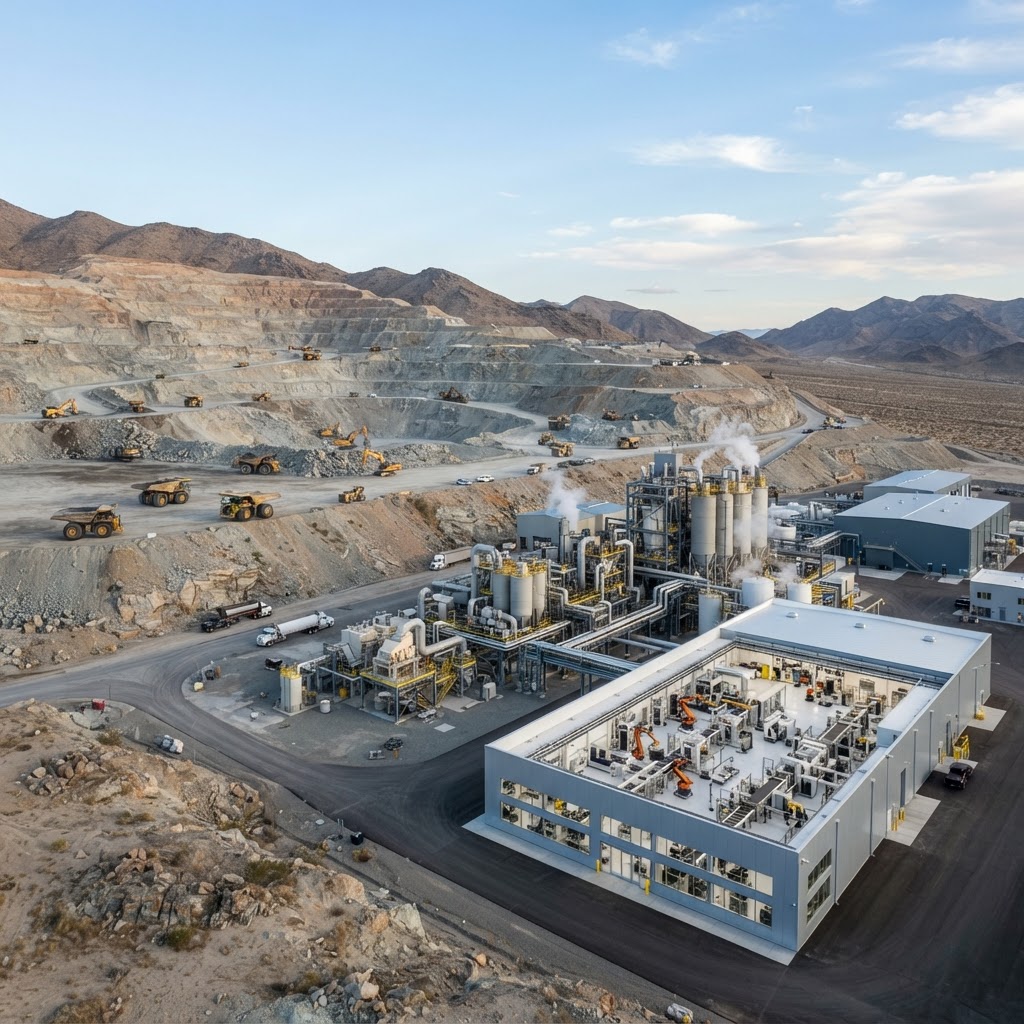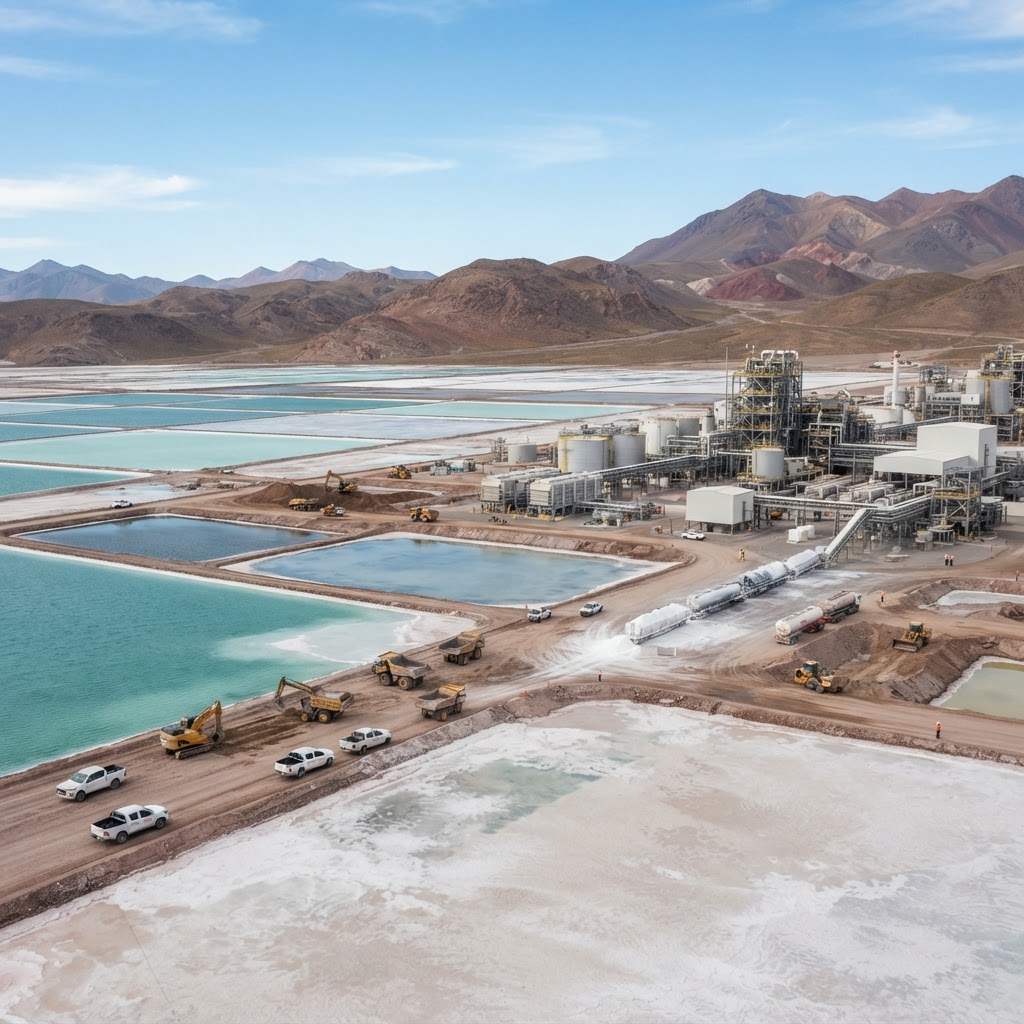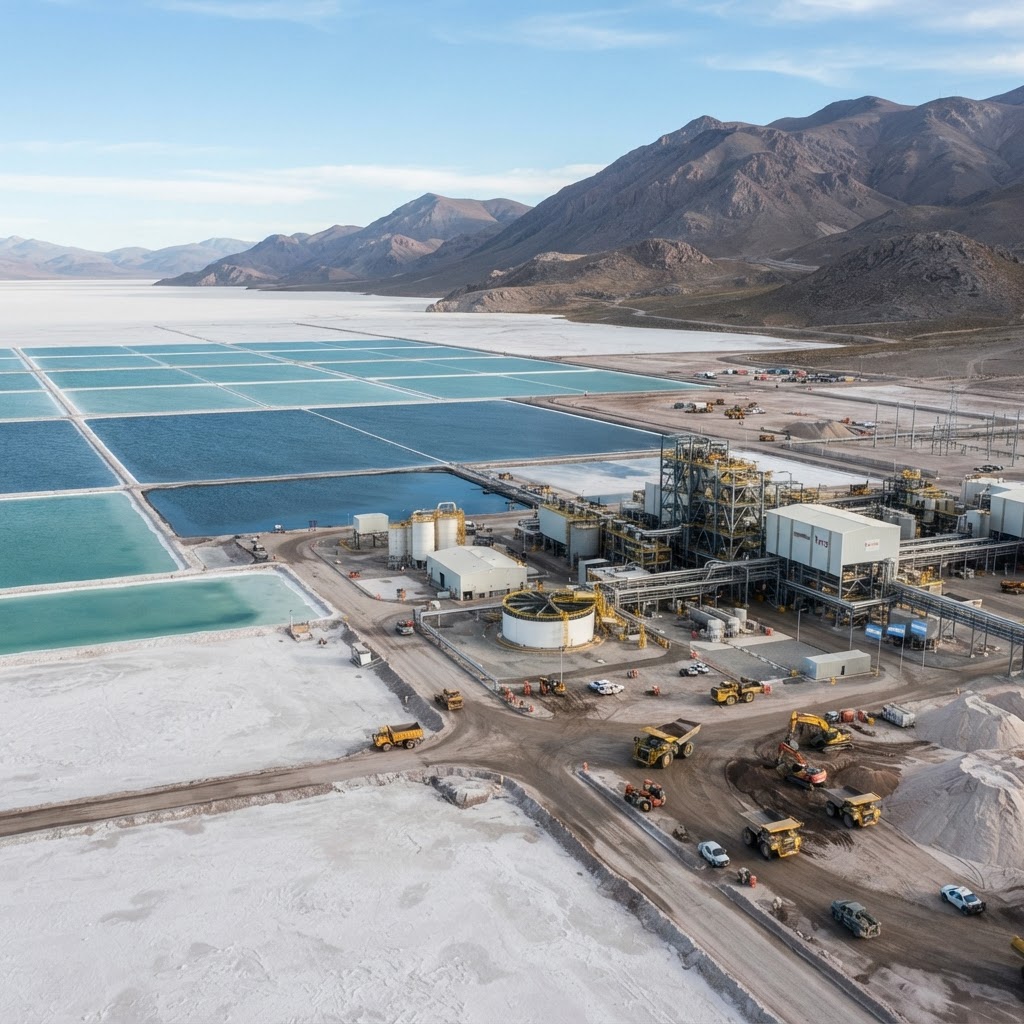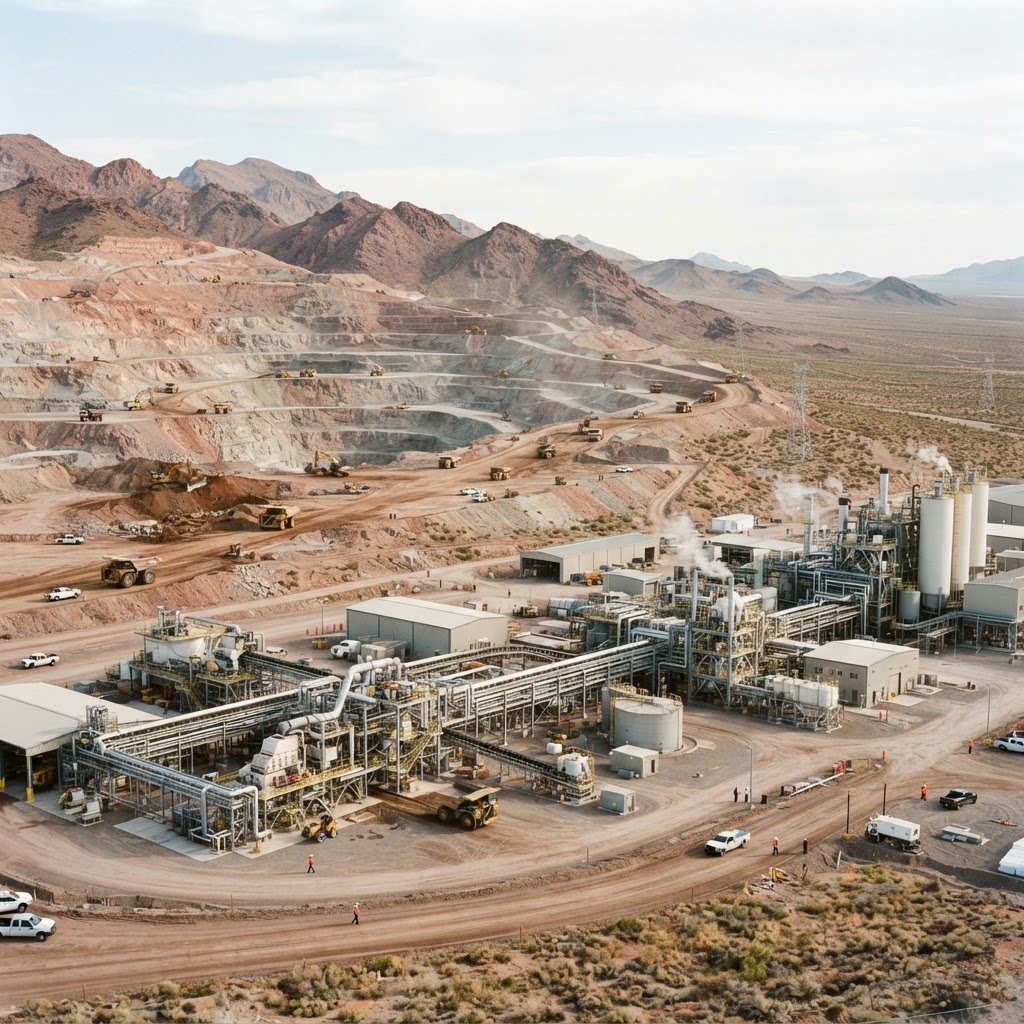
The U.S. Department of the Interior has issued the final Record of Decision for Ioneer Ltd.’s Rhyolite Ridge Lithium-Boron Project, marking a pivotal moment for the domestic battery supply chain. This approval signifies the first major lithium mine permitted under the Biden-Harris administration, positioning Nevada as a cornerstone of the American energy transition. The project is slated to produce enough lithium to power approximately 370,000 electric vehicles annually while also yielding significant quantities of boron. With federal hurdles cleared, Ioneer is now transitioning toward construction, supported by a conditional $700 million loan from the Department of Energy’s Loan Programs Office and a strategic investment from Sibanye-Stillwater.
Key Findings
Rhyolite Ridge represents one of the few large-scale lithium deposits in the U.S. capable of immediate development to bridge the supply gap facing domestic automakers. The final permit follows a multi-year environmental review process that required significant adjustments to the project footprint to protect the Tiehm’s buckwheat, an endangered wildflower native to the site. By successfully navigating these ecological constraints, Ioneer has demonstrated a viable blueprint for balancing critical mineral extraction with rigorous environmental stewardship. Financially, the project is underpinned by a robust capital structure. The $700 million DOE loan, combined with Sibanye-Stillwater’s $490 million equity commitment for a 50% stake, provides the necessary liquidity to move into the execution phase. Production is expected to reach 22,000 tonnes of lithium carbonate per year, alongside 174,000 tonnes of boric acid. This dual-revenue stream enhances the project's resilience against lithium price volatility. Furthermore, the site’s proximity to Tesla’s Gigafactory and other emerging battery hubs in the Southwest significantly reduces logistical costs and carbon footprints. The approval acts as a catalyst for the broader U.S. critical minerals strategy, proving that large-scale domestic extraction is achievable under current regulatory frameworks.
Industry Response
The mining and automotive sectors have reacted with widespread optimism to the Rhyolite Ridge milestone. James Calaway, Executive Chairman of Ioneer, emphasized that the decision is the culmination of years of collaborative work with federal agencies and local stakeholders, stating that the project is now shovel-ready. Industry analysts at BloombergNEF suggest that this approval signals a more streamlined permitting pathway for other domestic projects currently in the pipeline, such as Lithium Americas’ Thacker Pass. Automakers, including Ford and Toyota, have already secured binding offtake agreements for the lithium produced at the site. These companies view Rhyolite Ridge as a critical component of their Section 45X tax credit eligibility under the Inflation Reduction Act, which requires domestic or free-trade partner mineral sourcing. The National Mining Association noted that the decision reinforces the strategic importance of Nevada in the global battery race. However, some conservation groups remain watchful, ensuring that Ioneer adheres to the strict mitigation protocols mandated by the Fish and Wildlife Service. Overall, the sentiment across the capital markets reflects a growing confidence in U.S. mineral independence and the long-term viability of domestic lithium refining.
What's Next
Following the Record of Decision, Ioneer’s immediate priority is reaching a Final Investment Decision (FID). The company expects to finalize the $700 million DOE loan agreement by early 2025, which will trigger the commencement of large-scale construction activities. Site preparation and early-stage infrastructure development are scheduled to begin in the coming months, with a projected construction timeline of approximately 24 to 36 months. If milestones are met, first production could be achieved by late 2027 or early 2028. Investors will be closely monitoring the execution of the Tiehm’s buckwheat protection plan, as it serves as a litmus test for the project’s ESG compliance. Additionally, the market will look for updates on the construction of the on-site processing facility, which is designed to convert raw ore into battery-grade lithium carbonate and technical-grade boric acid. As Rhyolite Ridge moves toward reality, the focus will likely shift to other Tier-1 assets in the Silver State. The success of this project could accelerate the development of the Lithium Loop in Nevada, attracting further downstream investment in cathode manufacturing and battery recycling.