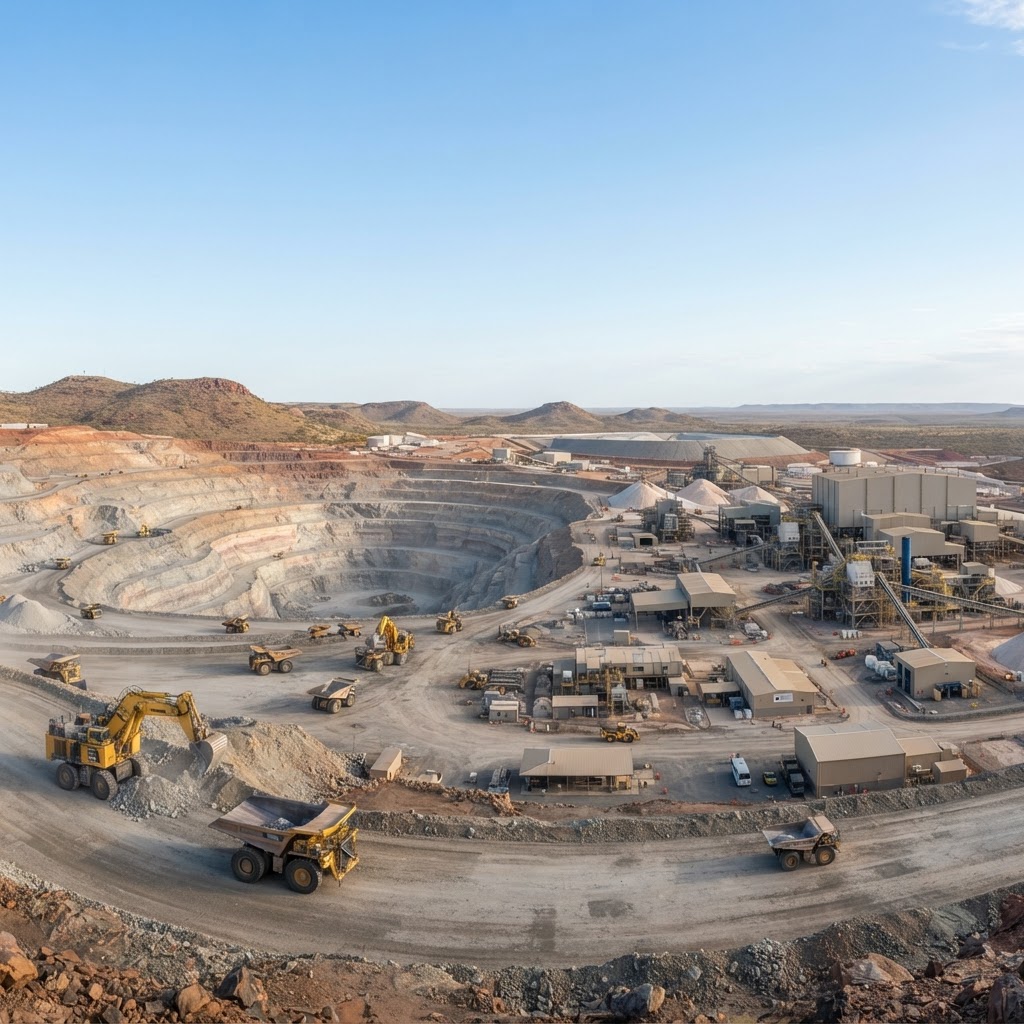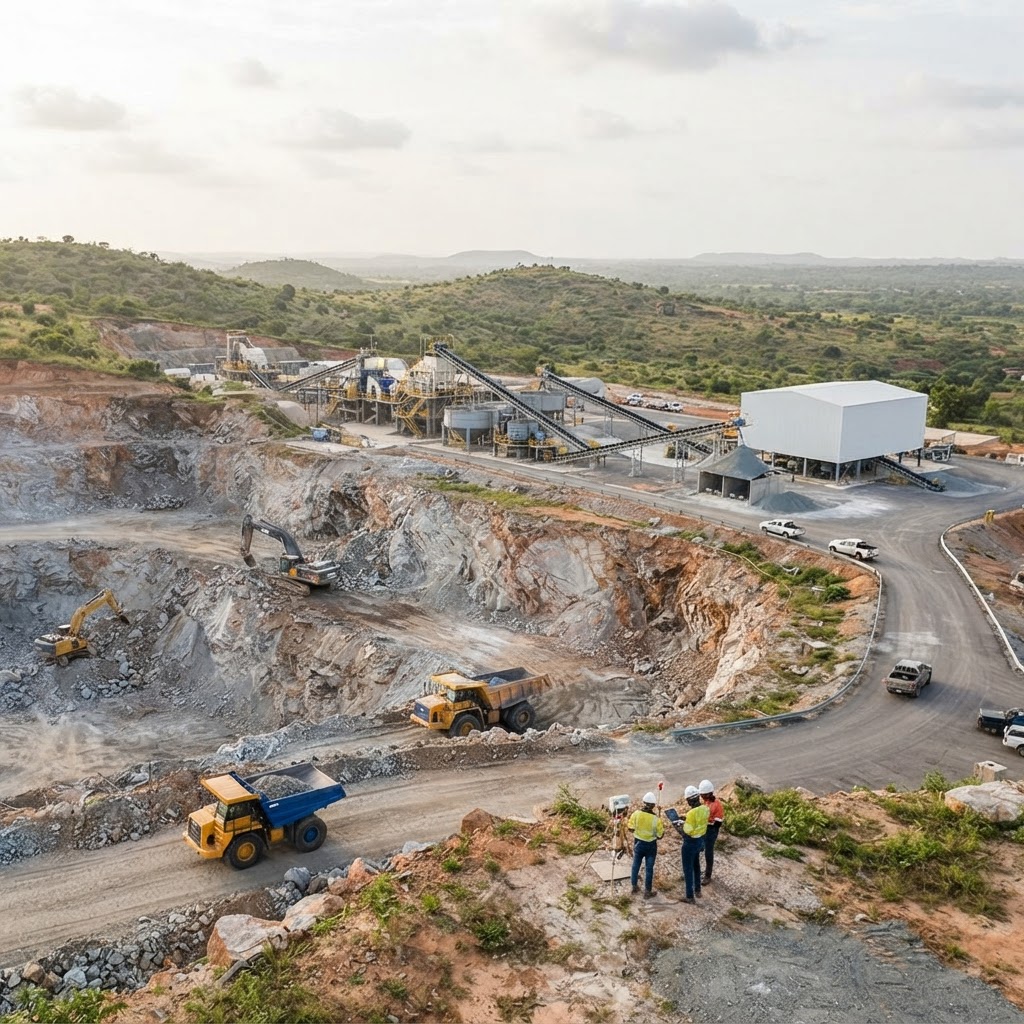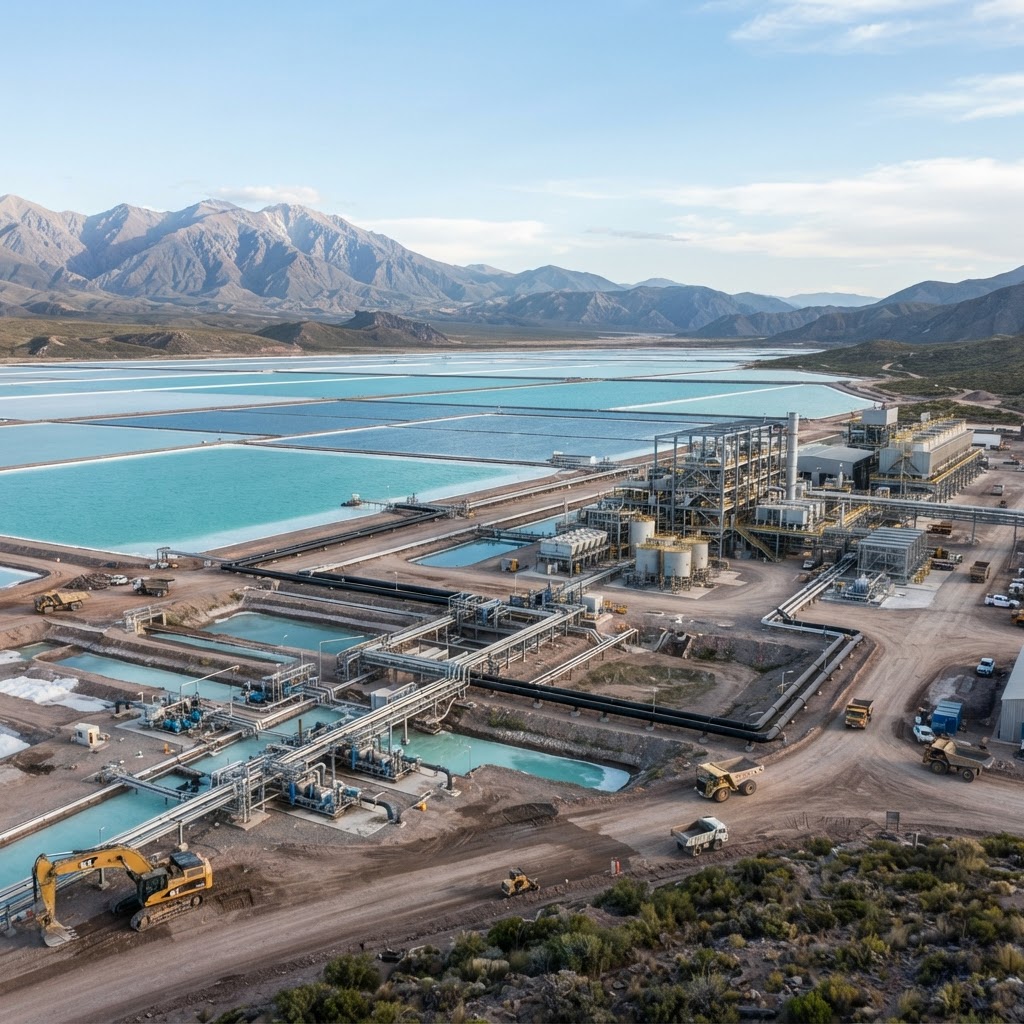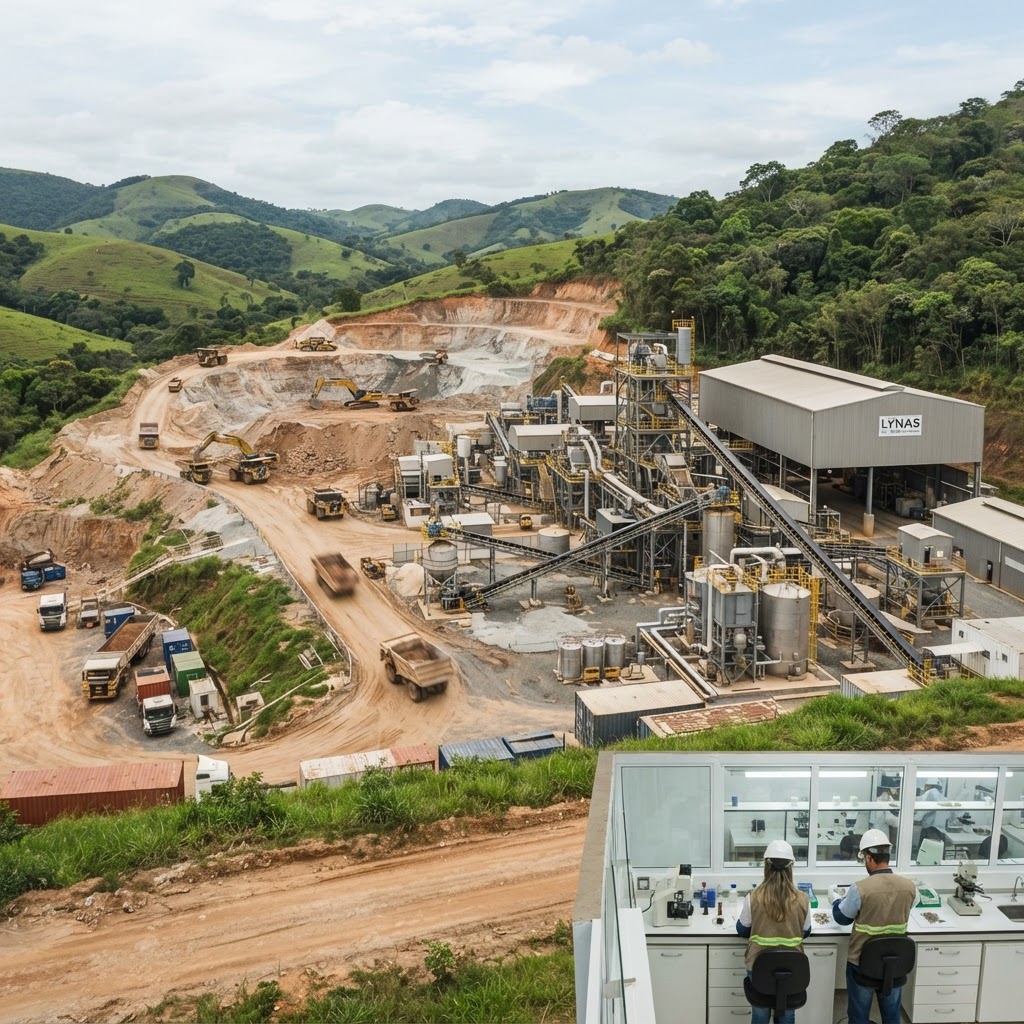
Lynas Rare Earths Ltd. is aggressively scaling its global production capabilities, announcing a strategic A$968 million ($670 million) all-share acquisition of Meteoric Resources. This move grants the Australian producer access to high-grade ionic clay rare earth deposits in Brazil, marking a significant expansion of its resource base beyond its flagship Mt Weld mine. By integrating these Brazilian assets, Lynas aims to solidify its position as the premier non-Chinese supplier of magnet-critical rare earths. The transaction, which includes A$110 million in interim funding to accelerate project development, underscores a broader industry shift toward diversifying supply chains to meet the surging demand for permanent magnets in electric vehicles and defense technologies.
Key Findings
The acquisition centers on the Caldeira project in Brazil, which represents one of the world's largest known ionic clay rare earth deposits. For Lynas, this provides a critical hedge against supply concentration, as ionic clays are essential for producing heavy rare earths like dysprosium and terbium. The deal is structured to leverage Lynas’ existing technical expertise in cracking, leaching, and separation, which has been refined through its operations in Western Australia and Malaysia. Analysts note that the integration of Brazilian feedstock could significantly lower the company's long-term cost profile while providing the necessary scale to meet mid-cycle production targets of 12,500 metric tons of NdPr by 2031. Furthermore, the move signals a shift in capital allocation, prioritizing geographic diversification to mitigate geopolitical risks inherent in the current global rare earths market.
Industry Response
Market participants and industry observers have largely viewed the acquisition as a vote of confidence in Brazil’s emerging role as a critical minerals hub. St George executive leadership described the transaction as a clear endorsement of Brazil’s regulatory and geological potential for large-scale rare earth extraction. Industry analysts emphasize that Lynas’ ability to deploy its proprietary separation technology to new jurisdictions is a key differentiator, allowing it to bypass the bottlenecks often faced by junior miners. While Lynas has signaled caution regarding its previously proposed Texas facility, the pivot toward Brazil is seen as a more pragmatic, resource-backed strategy. Trade groups have lauded the move, noting that the development of non-Chinese processing capacity is essential for the long-term security of the global energy transition, particularly as Western manufacturers seek to de-risk their supply chains from dominant market players.
What's Next
The immediate focus for Lynas is the successful completion of the scheme process and the integration of Meteoric’s Caldeira project into its 'Towards 2030' growth strategy. Key milestones include securing final permitting for the proposed separation plant in the Poços de Caldas region, which would establish a commercial-scale processing hub in South America. Lynas is expected to utilize the A$110 million interim funding facility to maintain momentum on drilling and feasibility studies throughout the acquisition period. Investors will be watching for updates on the capital expenditure requirements for the Caldeira development, which are estimated to exceed $500 million. Looking further ahead, the company remains open to strategic equity stakes in downstream magnet manufacturers, aiming to create a fully integrated, end-to-end supply chain that connects Brazilian raw materials directly to global high-tech end-users.