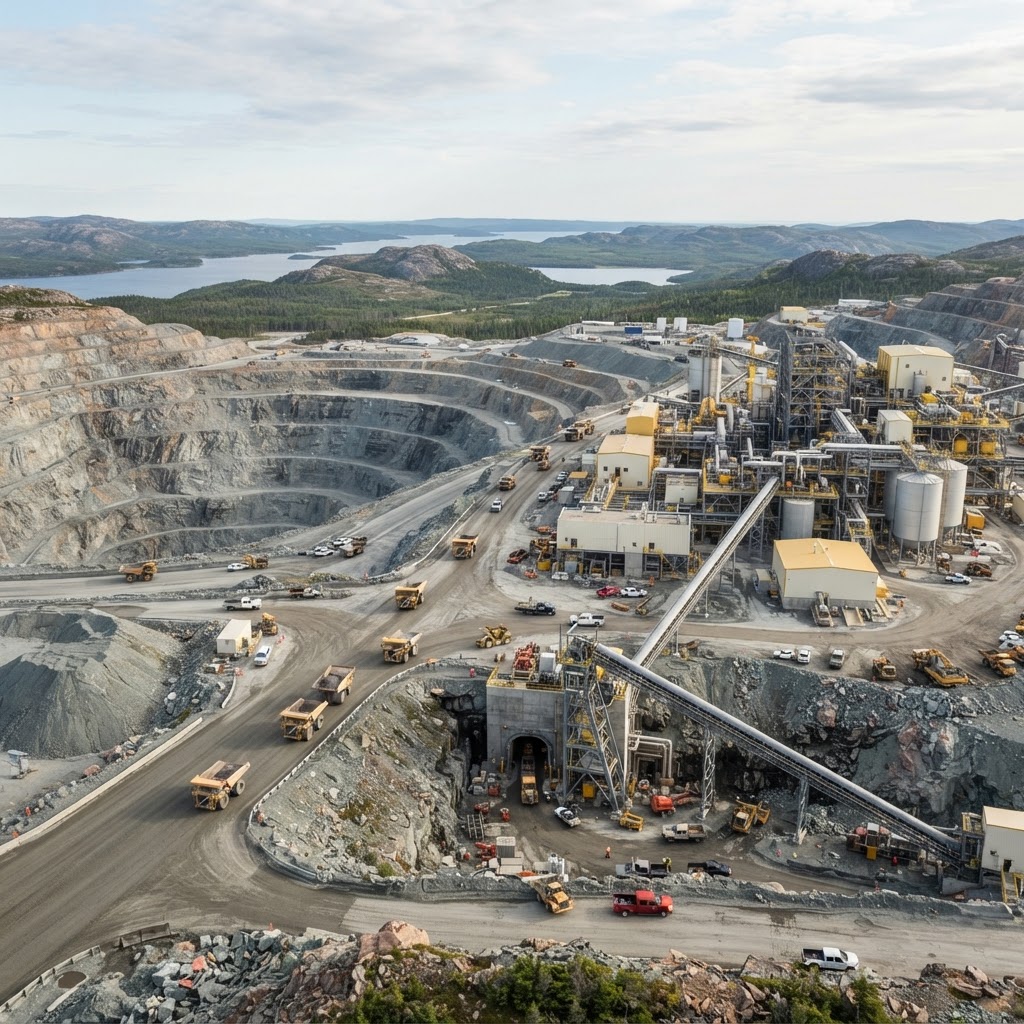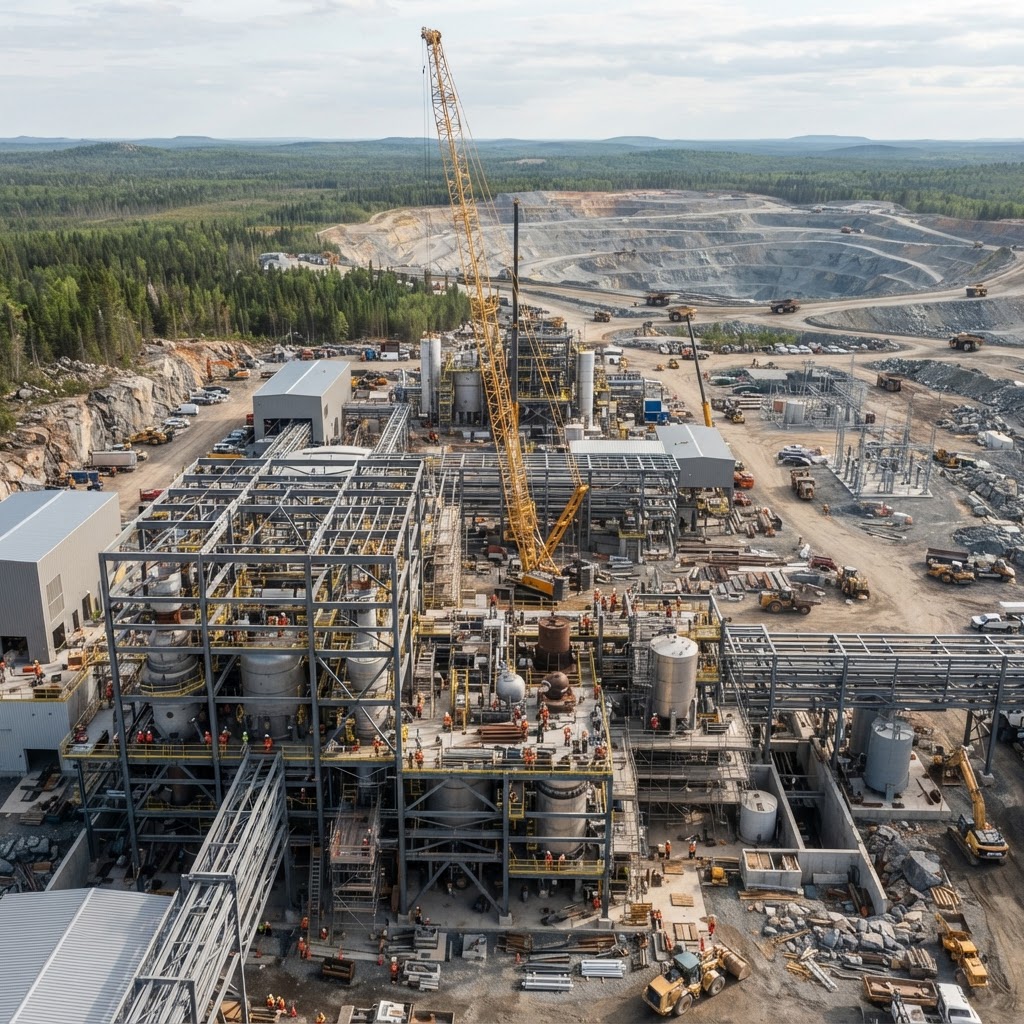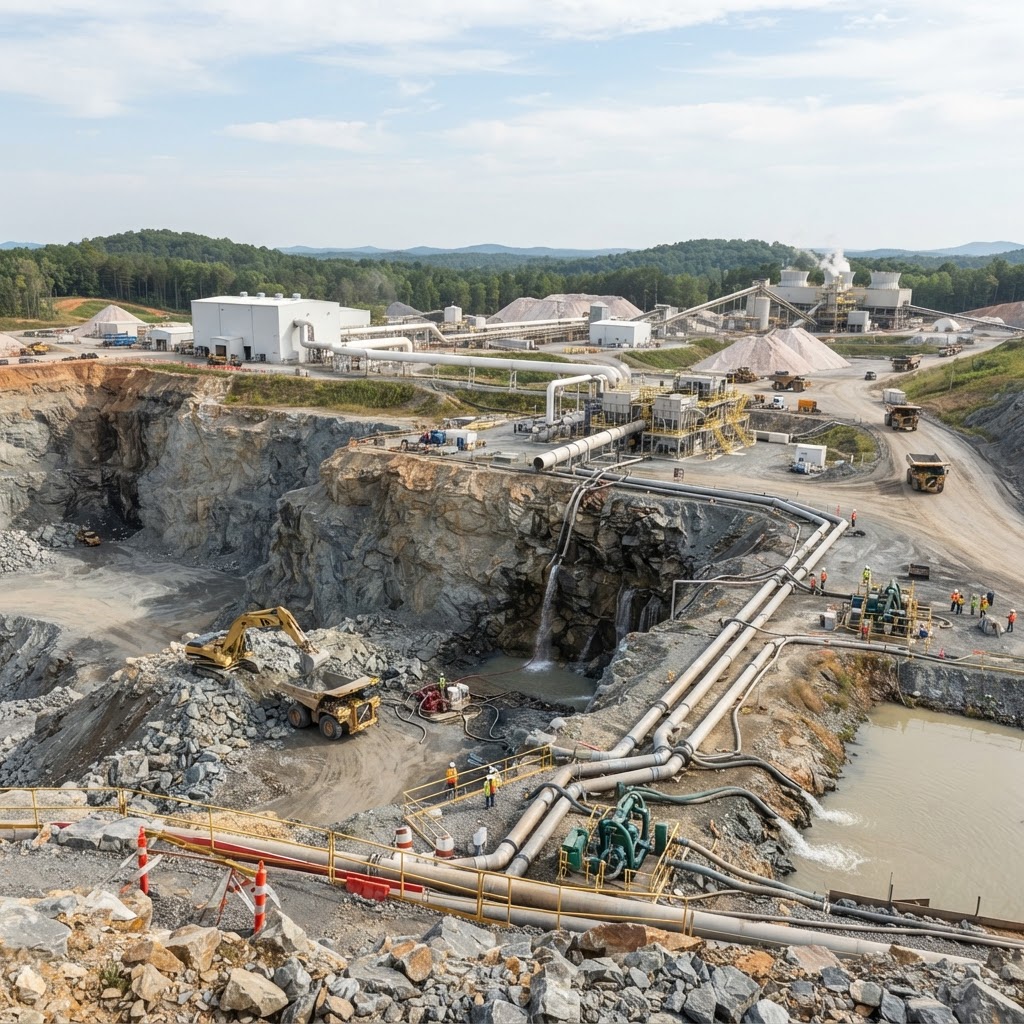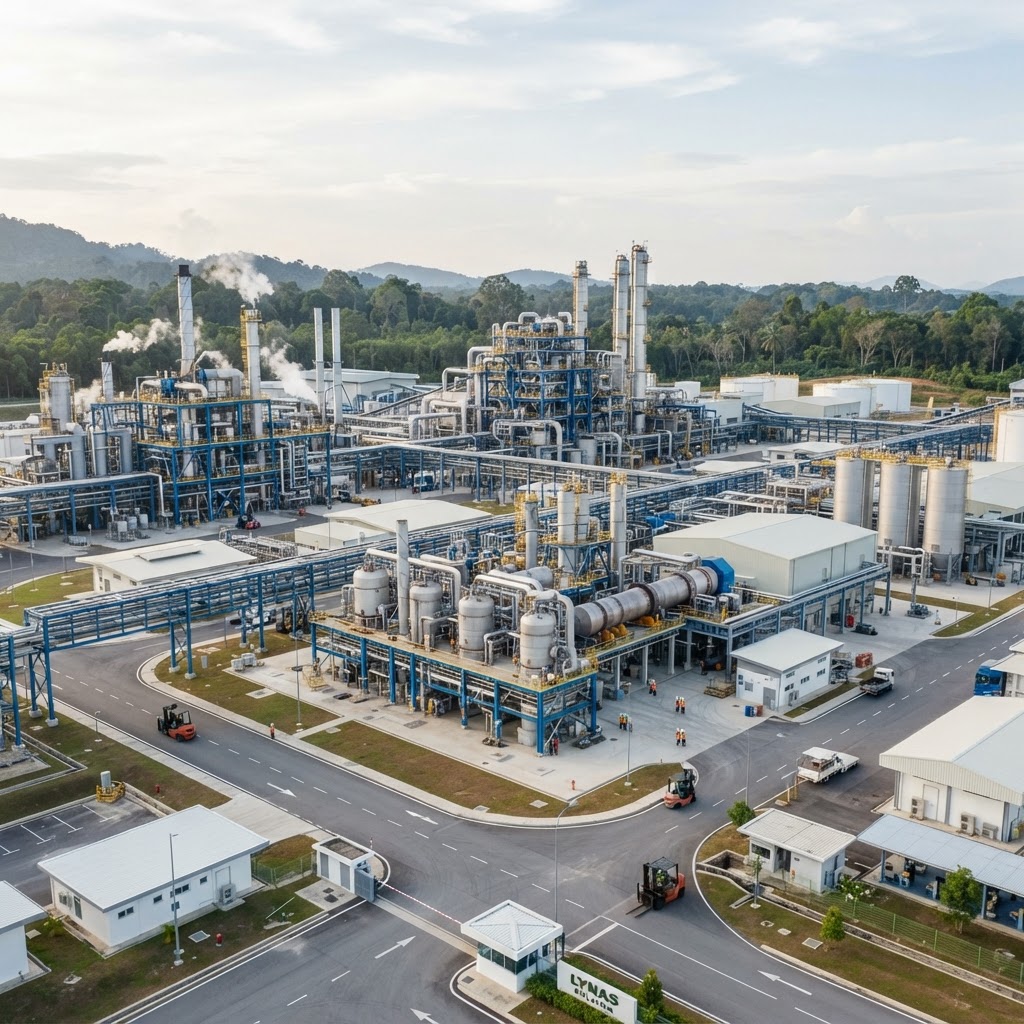
Lynas Rare Earths is aggressively scaling its Malaysian refining operations, marking a pivotal shift in the global critical minerals landscape. By successfully commissioning heavy rare earth separation capacity at its Gebeng facility, the Australian miner is positioning itself as the primary non-Chinese alternative for essential magnet materials. The company has recently commenced production of terbium and dysprosium oxides, following the successful separation of samarium. This strategic expansion, supported by feedstock from the Mt Weld mine in Western Australia, provides a vital supply pathway for high-performance magnet manufacturers in the electronics and aerospace sectors, effectively challenging the long-standing market concentration that has defined the rare earth industry for decades.
Key Findings
The expansion represents a significant technical milestone for the industry, as Lynas becomes the first producer outside of China to achieve commercial-scale separation of heavy rare earths. The Gebeng plant’s new 1,500 mt/year heavy rare earth separation circuit is now fully operational, allowing for the processing of complex mineral streams. This development is underpinned by a substantial 92% increase in Mineral Resources and a 63% increase in Ore Reserves at the Mt Weld mine, as reported in late 2024. These reserves ensure a mine life exceeding 35 years, providing the long-term feedstock security necessary to support downstream refining. By integrating the Kalgoorlie cracking and leaching facility with the Malaysian separation plant, Lynas has created a vertically integrated supply chain that mitigates reliance on third-party processing bottlenecks, offering a more resilient and transparent source of critical materials for global technology markets.
Industry Response
Market analysts and industry stakeholders view the expansion as a necessary correction to global supply chain vulnerabilities. Lynas Chief Operating Officer Pol Le Roux emphasized that the company’s progress is the result of disciplined planning and a clear focus on demonstrating technical capability in heavy rare earth extraction. Industry observers note that the move is particularly timely, given the increased volatility in export policies from dominant producers since 2025. Trade groups have lauded the initiative, noting that the ability to supply high-purity terbium and dysprosium—critical components for high-performance magnets—is essential for the transition to advanced industrial applications. While the company has navigated operational challenges, including grid-related power interruptions at its Kalgoorlie site, the consensus among investors remains positive, viewing the current production ramp-up as a foundational step toward establishing a sustainable, diversified, and reliable rare earth ecosystem that can meet the growing demands of the global energy transition.
What's Next
The immediate focus for Lynas is the stabilization of production volumes following the successful commissioning of its heavy rare earth circuits. The company is currently working to optimize the throughput of its Kalgoorlie cracking and leaching facility to ensure a consistent supply of mixed rare earth carbonate to the Malaysian refinery. Looking ahead, Lynas is expected to deepen its collaboration with high-performance magnet manufacturers, aiming to secure long-term offtake agreements that reflect the strategic value of non-Chinese supply. Furthermore, the company is evaluating potential expansions of its raw material sources to complement the Mt Weld output. Investors will be closely monitoring quarterly production reports for evidence of sustained output growth and the successful mitigation of regional infrastructure constraints. These milestones will be critical in determining the company’s ability to capture a larger share of the global market and solidify its role as a cornerstone of the Western critical minerals supply chain.