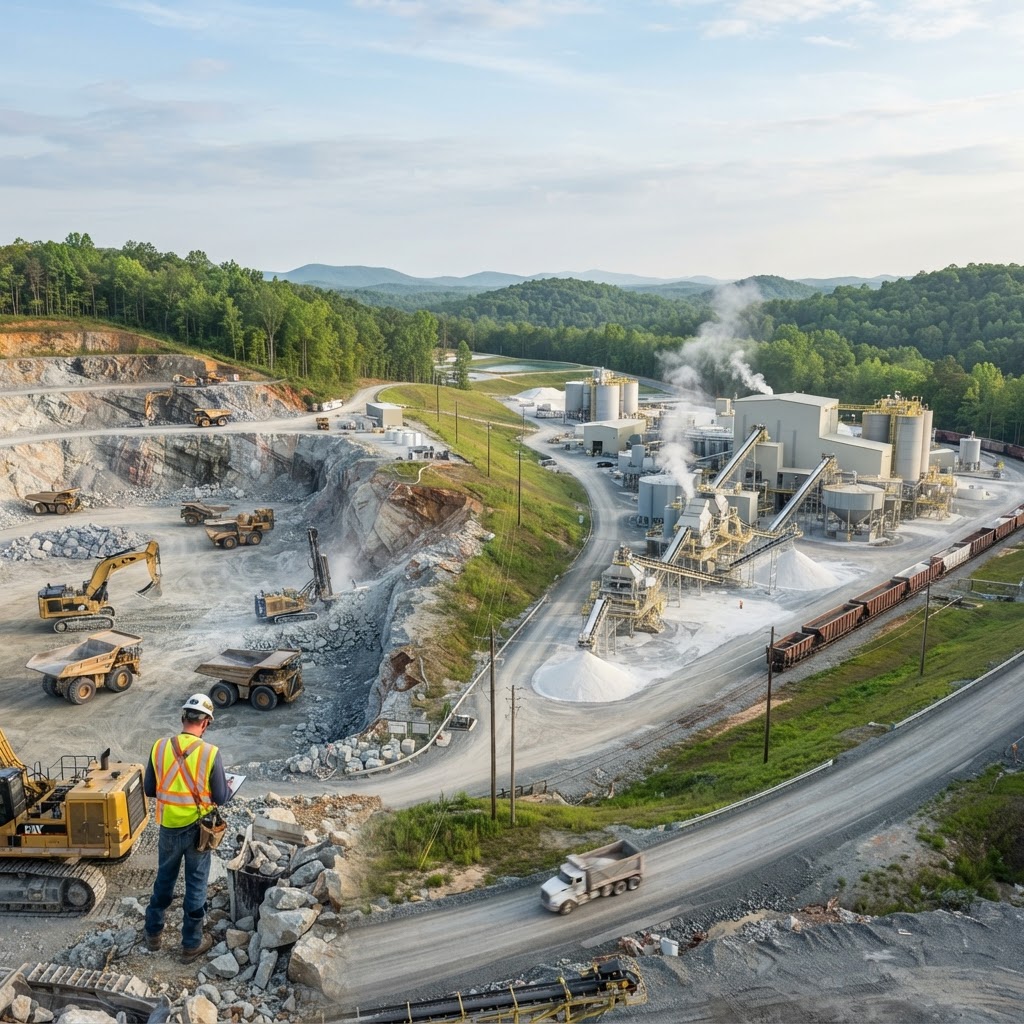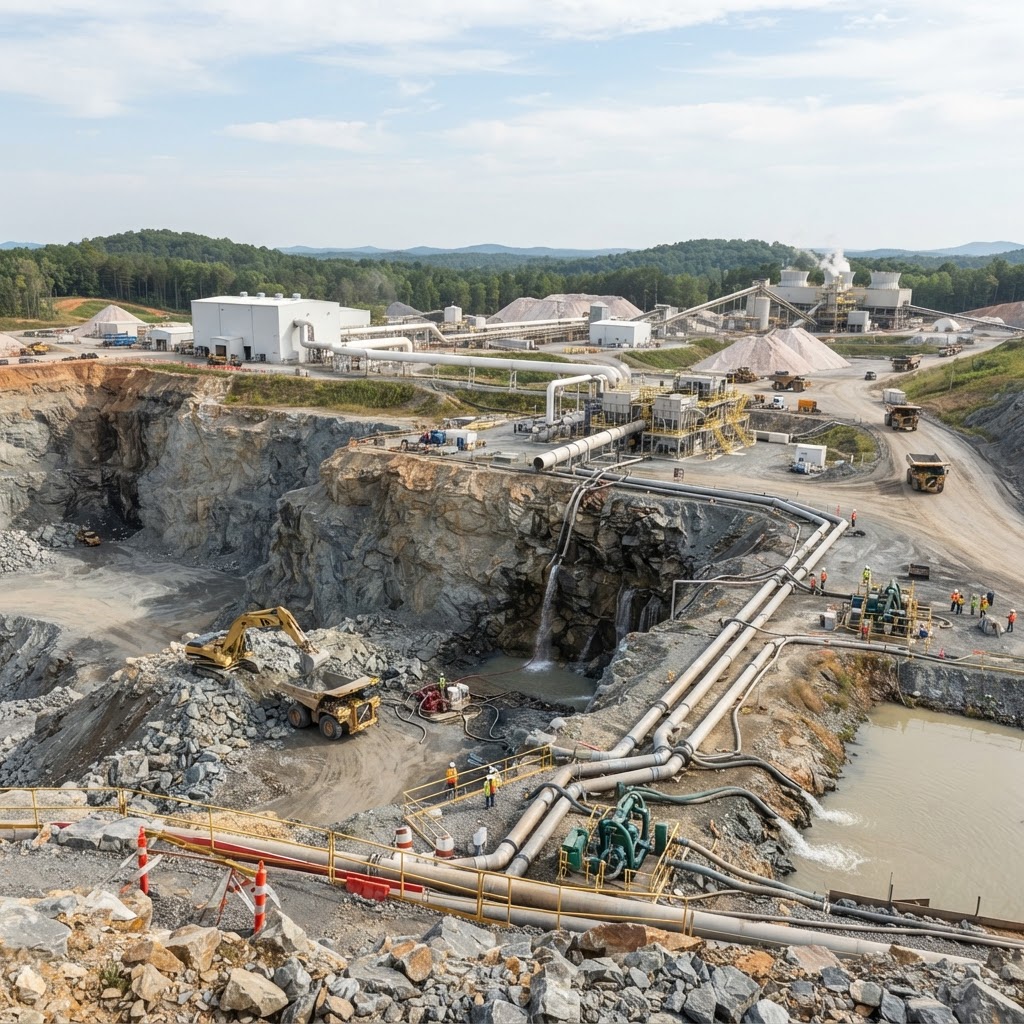
Albemarle Corporation has reached a pivotal operational milestone at its Kings Mountain project in North Carolina, successfully completing the dewatering of the site’s historic open-pit mine. This achievement, finalized in early 2026, clears a significant physical barrier to the potential restart of one of North America’s most promising hard-rock lithium deposits. By removing over a billion gallons of water accumulated since the site was idled in the 1990s, the company has effectively de-risked the site for future extraction. This progress underscores Albemarle’s commitment to strengthening the domestic U.S. lithium supply chain, positioning the facility as a cornerstone for future battery-grade spodumene concentrate production.
Key Findings
The completion of the dewatering process represents a multi-year effort involving a temporary, high-capacity water treatment system designed to meet stringent environmental standards. The Kings Mountain site, located within the Carolina Tin Spodumene Belt, is recognized as a world-class resource. Current project plans estimate that the mine could produce approximately 420,000 tons of lithium-bearing spodumene concentrate annually once fully operational. Furthermore, the site has the potential to process nearly 3.1 million tons of ore per year. This development is supported by a previous $150 million grant from the U.S. Department of Energy, which was awarded to bolster domestic manufacturing of battery materials and reduce reliance on imported critical minerals. The project footprint, spanning roughly 1,200 acres, is being developed with a focus on responsible land use and community integration, including the acquisition of buffer properties to mitigate noise and visual impacts.
Industry Response
The project has garnered attention from both industry analysts and local stakeholders as a bellwether for U.S. mining viability. Albemarle leadership has consistently framed the Kings Mountain site as an essential element for the energy transition, emphasizing its role in powering everything from electric vehicles to grid-scale storage and defense applications. The company has actively engaged with the Cleveland County community, recently receiving formal recognition from the County Commission for its collaborative approach to emergency-response training and site transparency. Analysts note that while the global lithium market has faced significant price volatility, the strategic importance of domestic, hard-rock assets remains high. By advancing the permitting and site preparation phases, Albemarle is positioning itself to capitalize on long-term demand growth, ensuring that the U.S. has a reliable, localized source of battery-grade materials to support the expanding EV ecosystem.
What's Next
With the dewatering phase concluded, Albemarle is now focused on the next critical stages of project development. The company is continuing its comprehensive Environmental and Social Impact Assessment (ESIA), which remains a central component of the permitting process. Future milestones include the finalization of prefeasibility studies and the ongoing drilling campaigns designed to further de-risk the resource and optimize mine planning. A final investment decision (FID) remains the primary catalyst for the transition from site preparation to full-scale construction. As the company moves forward, it will continue to balance technical site development with community feedback, maintaining its commitment to responsible mining practices. Investors are closely watching for updates on permit approvals and the timeline for the commencement of commercial-scale spodumene production, which would mark a significant expansion of Albemarle’s North American footprint.