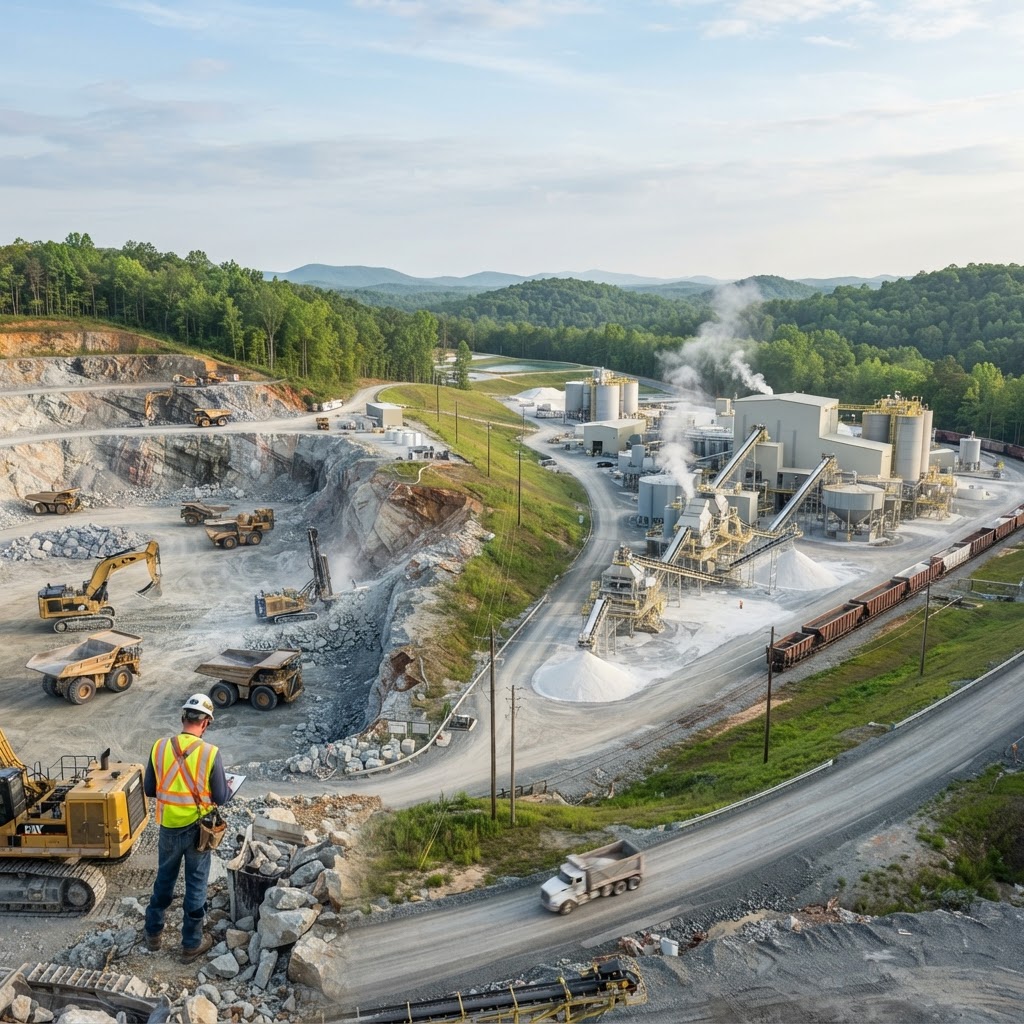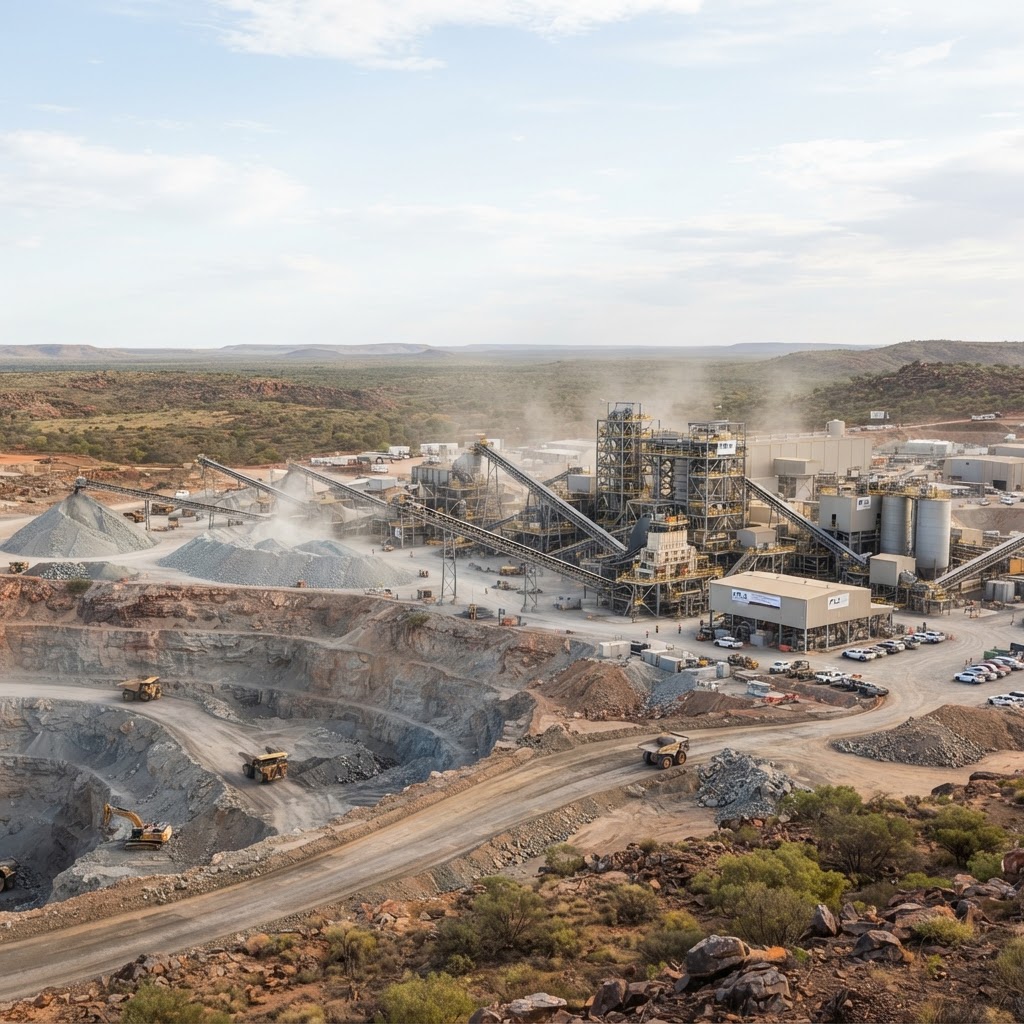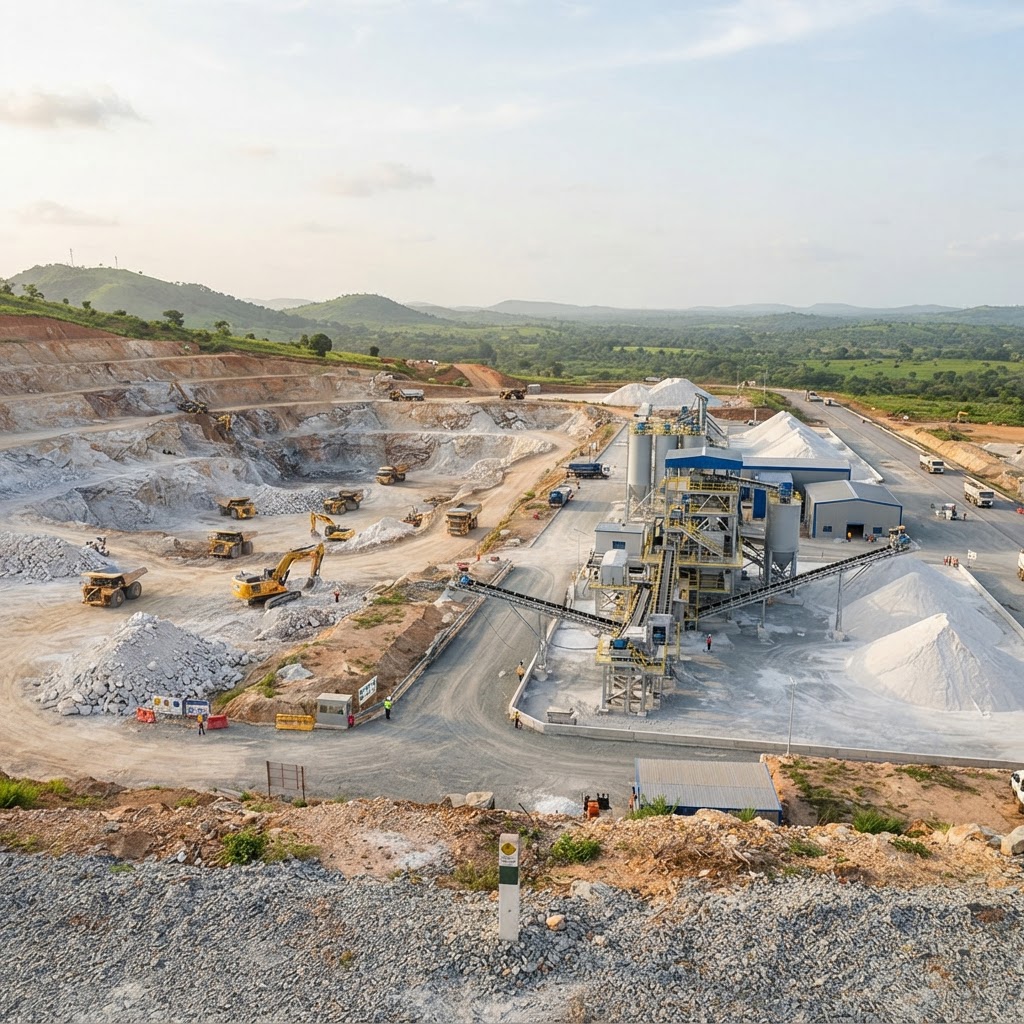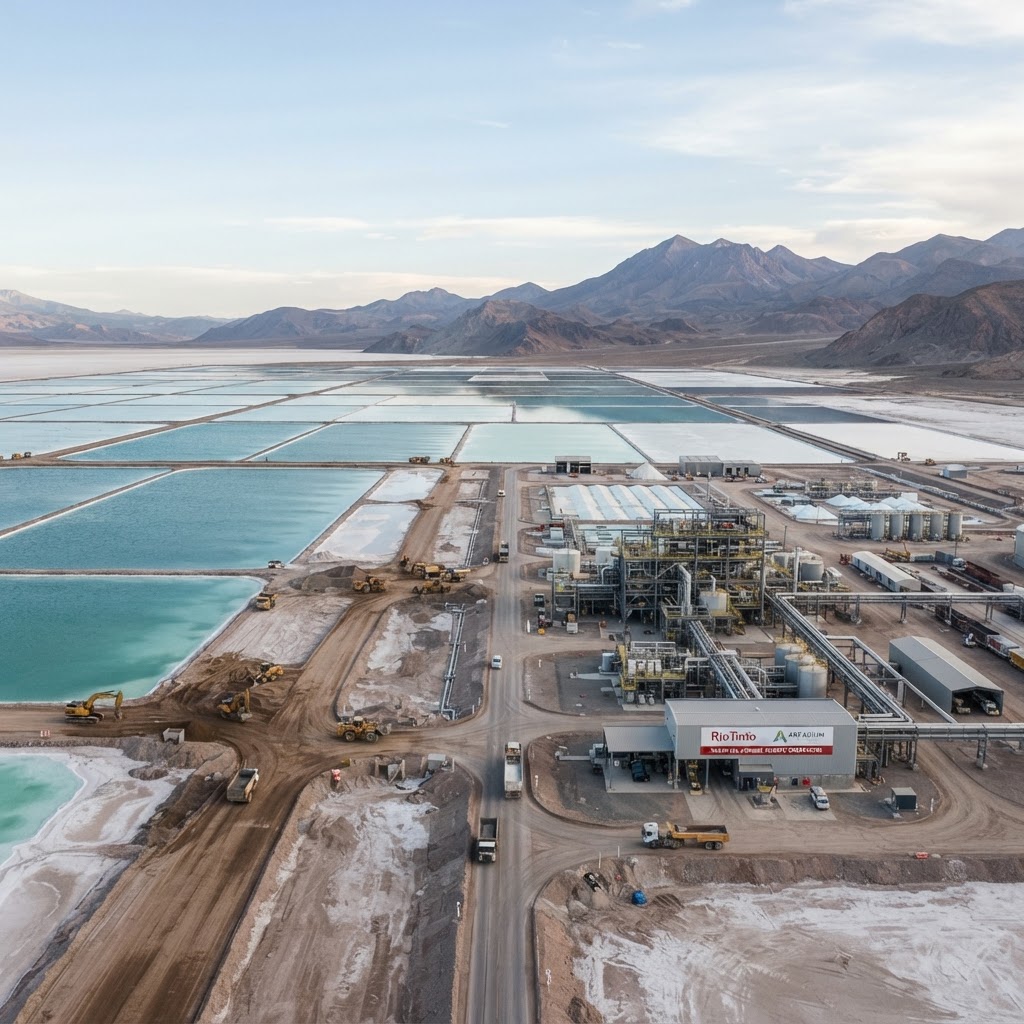
Rio Tinto is aggressively scaling its lithium footprint in Argentina, marking a pivotal shift in the global battery materials landscape. Following the successful $6.7 billion acquisition of Arcadium Lithium in early 2025, the mining major has consolidated a formidable portfolio across the provinces of Catamarca, Salta, and Jujuy. By integrating high-growth assets like Sal de Vida and Fénix with its existing Rincón project, Rio Tinto is positioning itself as a dominant force in the energy transition. Recent operational data confirms a 53% surge in first-half lithium production, signaling that the company’s countercyclical investment strategy is yielding tangible results as it prepares to meet long-term demand for electric vehicle batteries.
Key Findings
The integration of Arcadium Lithium has transformed Rio Tinto into a premier lithium producer, with a diversified asset base that spans multiple geological environments. A critical component of this growth is the Rincón project, which recently secured a $1.175 billion financing package from a consortium of international lenders, including the IFC and Japan Bank for International Cooperation. This capital injection supports a 60,000-tonne-per-year production target, with the project already achieving its first export milestones to China. Furthermore, the company’s ability to bring Fénix 1B and Sal de Vida into production ahead of schedule underscores a robust operational execution. These developments are supported by over $3.6 billion in committed investments, ensuring that Rio Tinto maintains a competitive edge in cost-efficient lithium extraction while navigating the complexities of the global supply chain.
Industry Response
The industry has responded positively to Rio Tinto’s strategic consolidation, viewing it as a stabilizing force in a volatile market. Analysts note that the acquisition provides the scale necessary to weather price fluctuations, while regional stakeholders have welcomed the commitment to local infrastructure. During a recent meeting in Buenos Aires, Jujuy Governor Carlos Sadir and Rio Tinto executives, including CEO Jakob Stausholm, aligned on a 2026 agenda focused on logistics and capacity expansion. Local officials have emphasized that the current regulatory framework, particularly the RIGI investment incentive regime, has been instrumental in accelerating project maturation. Trade groups and mining associations have highlighted that Rio Tinto’s presence is not only boosting output but also fostering significant job creation and technological development across the NOA region, reinforcing Argentina’s status as a critical hub for global battery materials.
What's Next
Looking ahead, Rio Tinto is focused on tripling its lithium production by 2028, a goal that hinges on the continued ramp-up of its Argentine assets and the optimization of its global processing facilities. Key catalysts for the remainder of 2026 include the full-scale commissioning of the Rincón expansion and the ongoing integration of technological advancements in Direct Lithium Extraction (DLE) to improve recovery rates. The company is also working closely with provincial governments to address infrastructure constraints, specifically the logistics of transporting production along key routes like National Route 52. As the market for battery-grade lithium carbonate continues to evolve, Rio Tinto’s ability to maintain its production momentum while managing capital expenditure will be the primary metric for investors. The firm remains committed to its long-term growth trajectory, viewing lithium as its fastest-growing division within the broader energy and commodities portfolio.