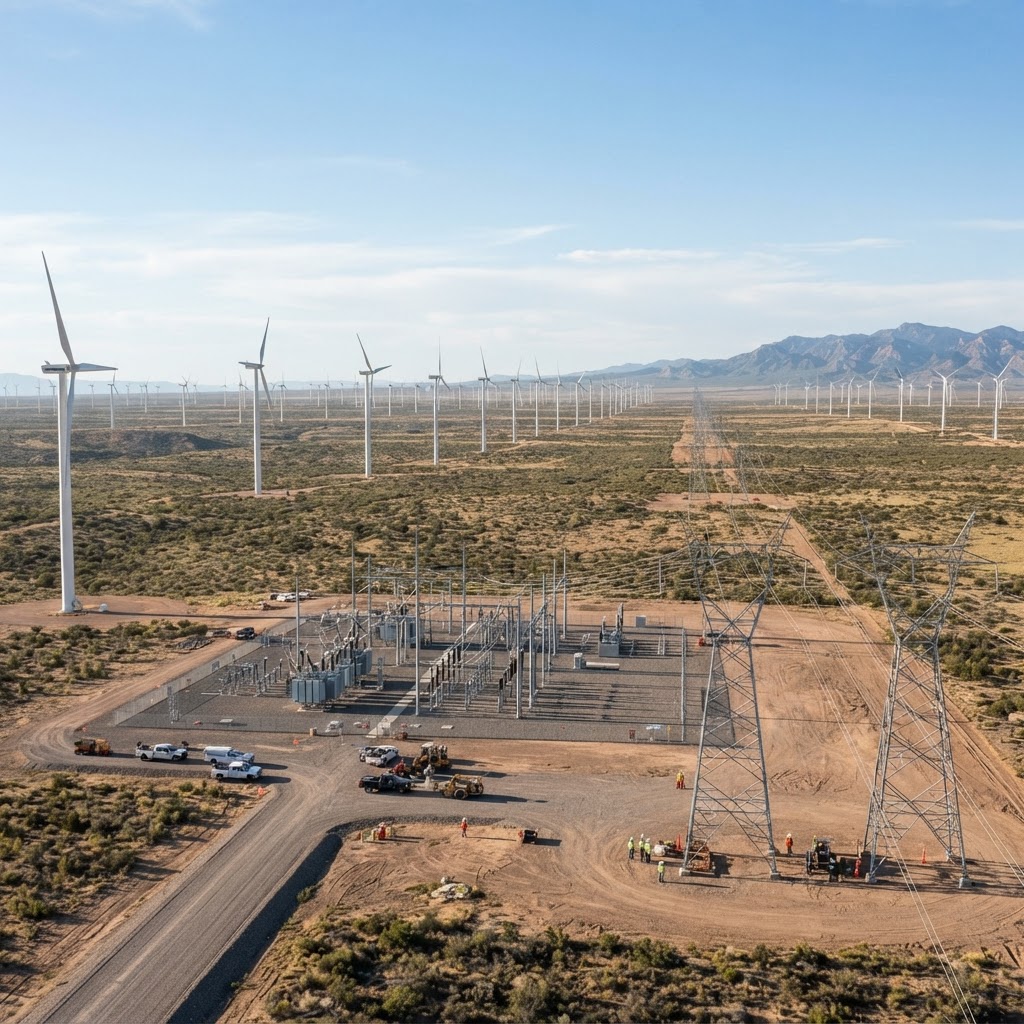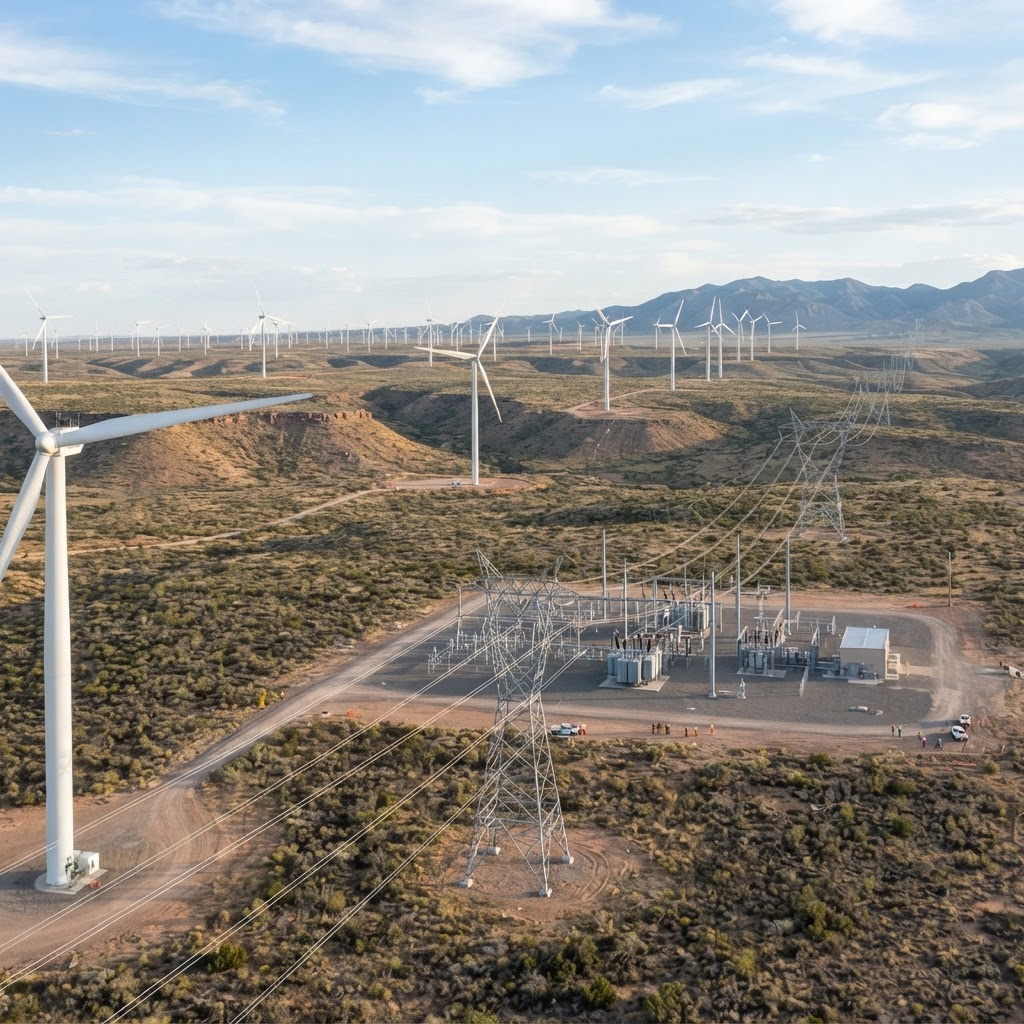
Pattern Energy has officially commissioned the first phase of its SunZia Wind project in New Mexico, marking a pivotal advancement in the build-out of large-scale renewable infrastructure in the United States. This monumental achievement underscores the company’s ability to navigate complex regulatory landscapes and execute on multi-billion dollar capital projects. By pairing one of the largest wind farms in the Western Hemisphere with the high-voltage SunZia Transmission line, Pattern Energy is establishing a critical pathway for moving carbon-free electrons from the resource-rich plains of the Southwest to high-demand markets in the West. This commissioning confirms that massive, complex energy projects remain a viable and central pillar of the North American energy transition.
Key Findings
The SunZia project represents a significant triumph for grid modernization, effectively bridging the gap between abundant wind resources and congested transmission networks. With the project now entering its initial operational phase, it demonstrates that long-haul, high-voltage direct current (HVDC) infrastructure can be successfully deployed to solve regional reliability challenges. Key aspects of the development include: Scale and Capacity: The wind complex is designed to provide over 3,500 megawatts of capacity, enough to power millions of homes. Transmission Backbone: The associated 550-mile transmission line is one of the most critical infrastructure links permitted in the last decade, designed to facilitate cross-state power delivery. Capital Efficiency: Despite rising interest rates and supply chain pressures, the project successfully secured financing and reached this construction milestone, signaling strong investor confidence in large-scale renewable assets. Strategic Value: By integrating wind generation directly with a dedicated transmission corridor, the project minimizes the risk of curtailment, ensuring that energy produced is energy delivered. This model provides a blueprint for future regional interconnections, proving that private-sector development remains the primary driver of national grid expansion and decarbonization goals.
Industry Response
Industry analysts and policy stakeholders view the commissioning as a validation of the current regulatory focus on permitting reform and infrastructure acceleration. The American Clean Power Association (ACP) noted that the SunZia project serves as a clear benchmark for how domestic energy developers can harmonize land-use requirements with the urgent need for grid-scale capacity. A senior infrastructure consultant familiar with the project stated that SunZia is more than just a wind farm; it is a vital artery for the Western power grid, providing much-needed momentum for the broader energy sector by proving that developers can overcome multi-year permitting hurdles. Investors are similarly encouraged by the project’s ability to remain within cost projections, a major concern for the renewable sector over the past 24 months. By leveraging institutional capital and securing long-term power purchase agreements (PPAs) with major utilities, Pattern Energy has de-risked the operational phase. Financial markets are closely watching this project as a litmus test for future transmission-integrated renewables, with many institutional investors now looking to replicate this ownership and delivery structure for projects currently stalled in interconnection queues across other regional transmission organizations.
What's Next
The immediate focus for Pattern Energy now shifts to the full optimization of the transmission line, with final commissioning of all segments expected to continue through late 2026. As the transmission line reaches full capacity, the project will begin to exert a stabilizing effect on power prices across the Western Interconnection, particularly as seasonal peak demand shifts. Looking ahead, the success of SunZia serves as a foundational catalyst for further investment in the Southwest’s energy corridor. The company is expected to leverage this operational success to refine the development timelines for its pipeline of subsequent wind and storage projects. Policy watchers are also anticipating that the project’s success will be used as a primary case study by the Federal Energy Regulatory Commission (FERC) to demonstrate the efficacy of recent transmission planning rules. Upcoming milestones include: Full Grid Integration: Monitoring the performance of the HVDC converters as the facility ramps toward nameplate capacity. Ancillary Service Revenue: Evaluating the project’s ability to provide grid stability services, such as frequency response, to regional grid operators. Follow-on Projects: Potential announcements regarding expansion phases or new site acquisitions that mirror the SunZia integration strategy, providing long-term visibility for shareholders.