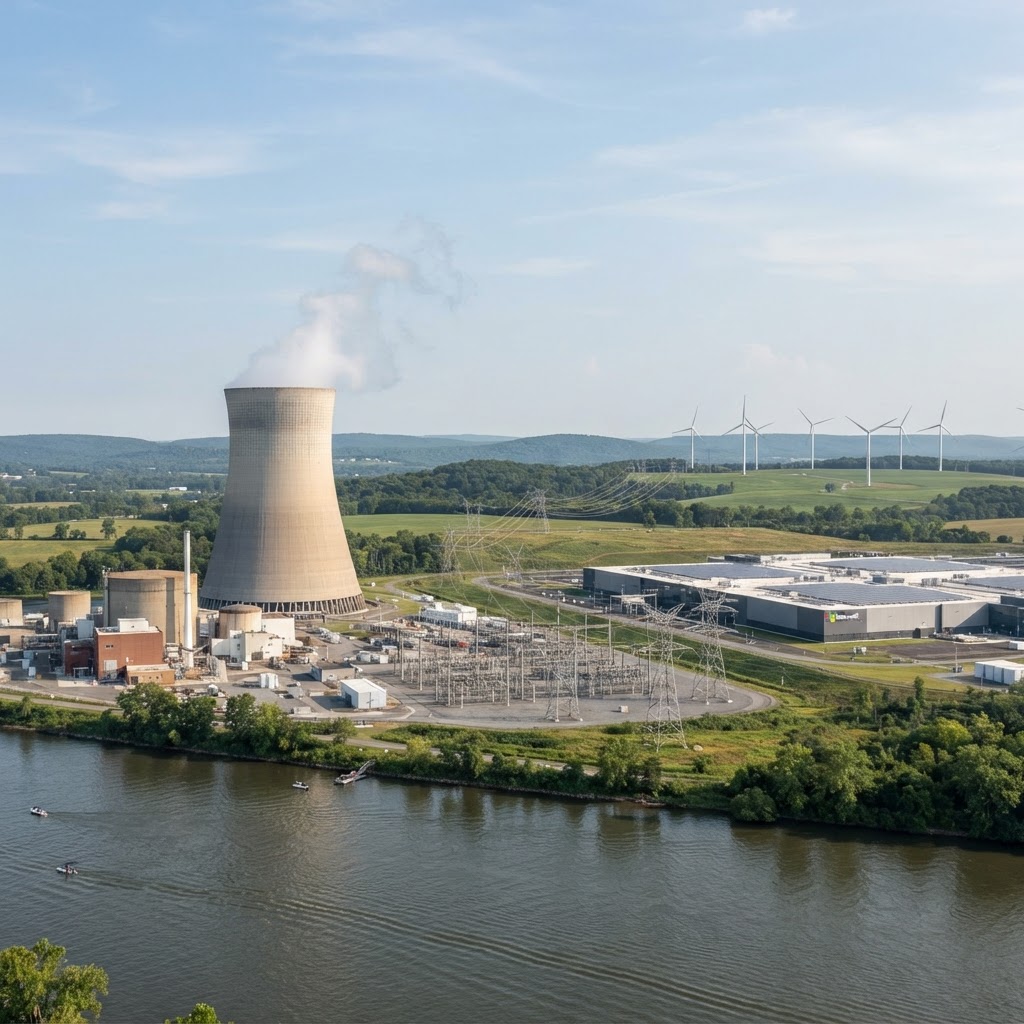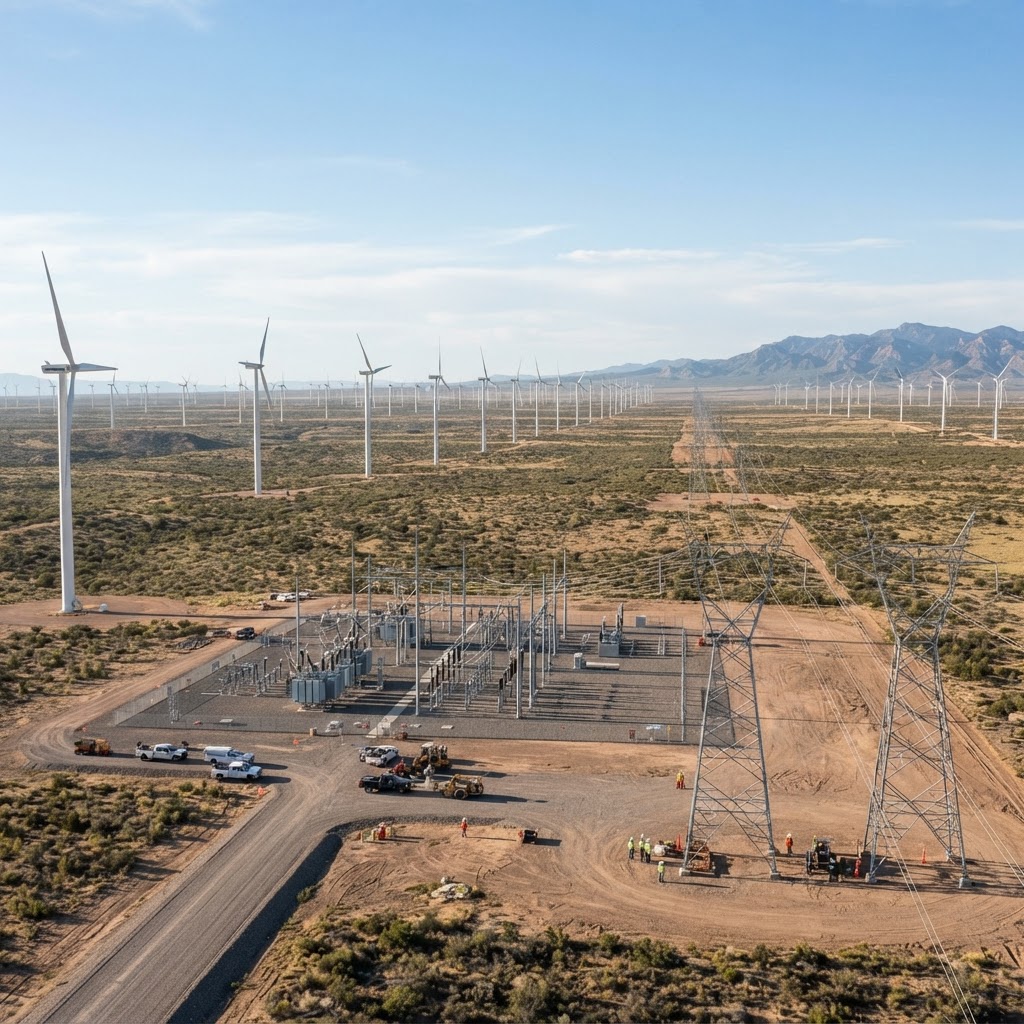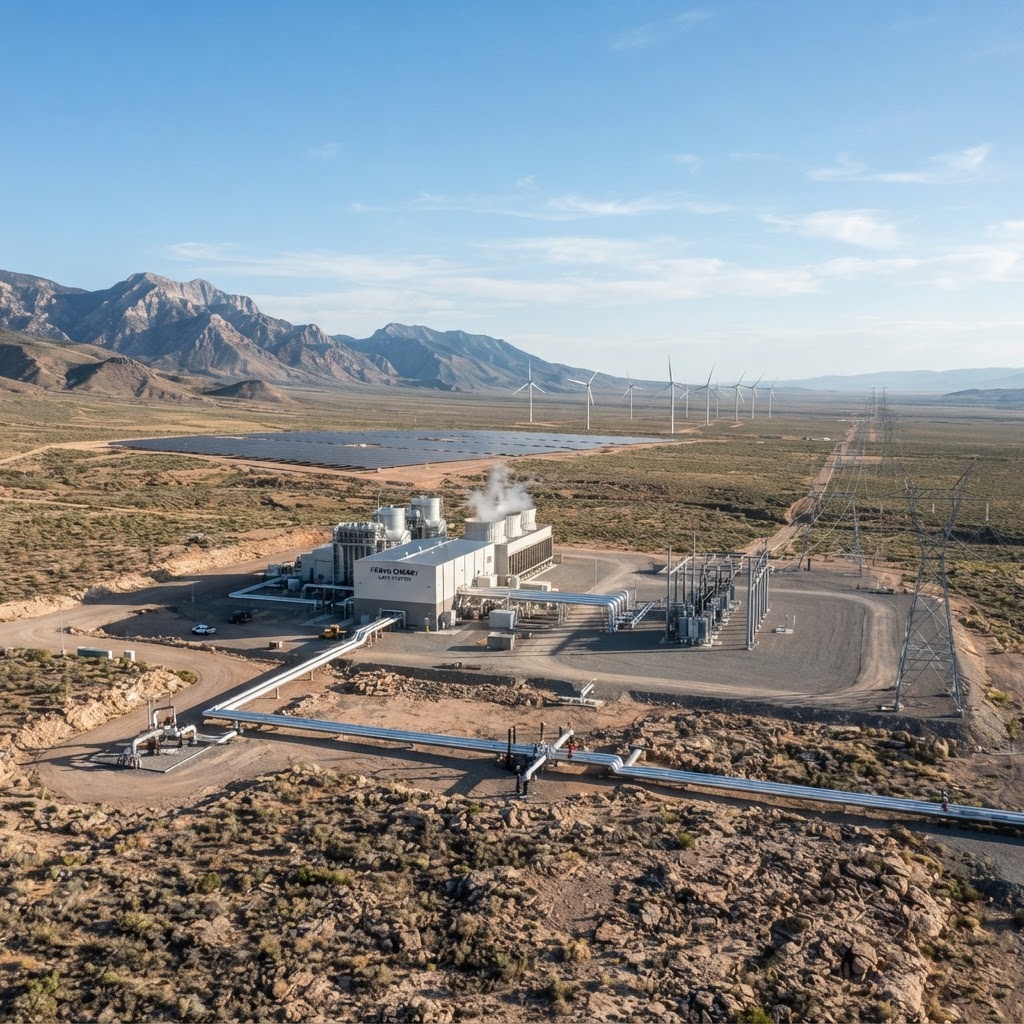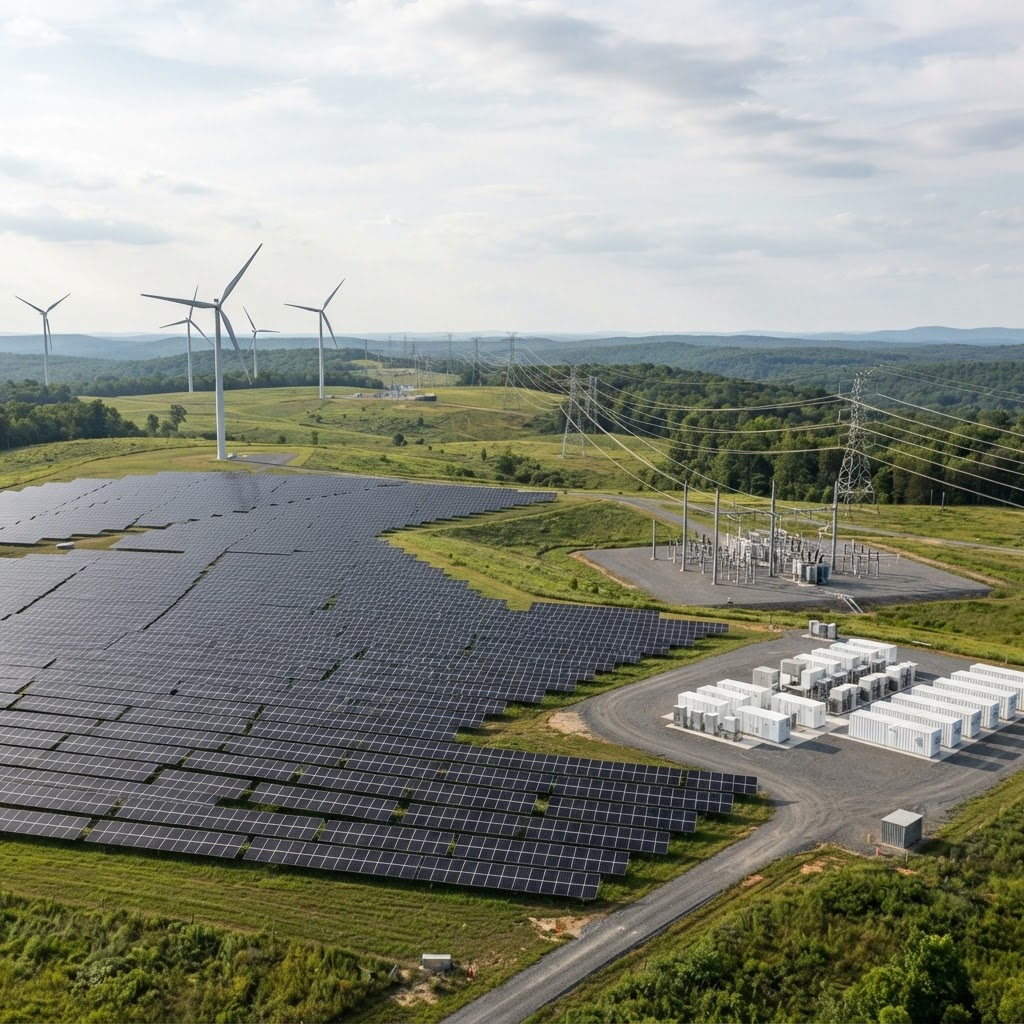
In a landmark move for the North American energy sector, NextEra Energy and Dominion Energy have announced a transformational partnership aimed at cementing Virginia’s status as a global energy leader. This strategic alliance focuses on the rapid deployment of utility-scale solar, advanced battery storage, and cutting-edge nuclear innovation, including small modular reactors. By combining their operational expertise and infrastructure footprints, the companies intend to accelerate the Virginia Clean Economy Act’s objectives while significantly reducing the Commonwealth’s reliance on expensive imported power. This collaboration represents a major capital deployment strategy designed to enhance grid reliability, lower costs for consumers, and drive long-term economic growth across the region.
Key Findings
The partnership is anchored by a comprehensive benefits package that prioritizes affordability and grid resilience. Central to the initiative is the accelerated development of renewable resources, specifically targeting the integration of large-scale battery storage systems to manage peak demand and stabilize the grid. Beyond generation, the agreement includes a $100 million workforce development fund and a $1 billion annual, five-year Virginia Supplier Program. These investments are designed to cultivate a robust local supply chain and support thousands of direct and indirect jobs. By focusing on enterprise technology and cybersecurity, the companies are also positioning their new Richmond-based operations to lead in the digital modernization of energy infrastructure, ensuring that the transition to a cleaner grid remains secure and efficient for all stakeholders.
Industry Response
Market analysts and industry observers have lauded the deal as a blueprint for future utility-scale collaborations. The move is widely viewed as a pragmatic solution to the dual challenges of rising electricity demand and the need for decarbonization. By aligning with the Virginia Clean Economy Act, the companies have effectively mitigated regulatory uncertainty, creating a clear pathway for project execution. Industry trade groups have highlighted the significance of the $1 billion supplier program, noting that it addresses critical bottlenecks in the domestic energy supply chain. Furthermore, the focus on small modular reactor innovation has been welcomed by nuclear advocates, who see the partnership as a vital step toward integrating firm, carbon-free baseload power into a grid increasingly dominated by intermittent renewable sources.
What's Next
The immediate focus for the partnership is the establishment of a new operational presence in Richmond, which will serve as the hub for renewable development and supply chain management. Stakeholders are now looking toward the upcoming annual global energy summit in Virginia, where the companies are expected to unveil specific project timelines and capacity targets for the next five years. Key milestones include the commissioning of the first wave of integrated solar-plus-storage sites and the formalization of the workforce development initiatives. Investors will be closely monitoring the regulatory filings related to the infrastructure build-out, as these will provide further clarity on the capital expenditure schedule. As the companies begin to execute on their shared vision, the success of this alliance will likely serve as a bellwether for similar utility-scale infrastructure projects across the United States.