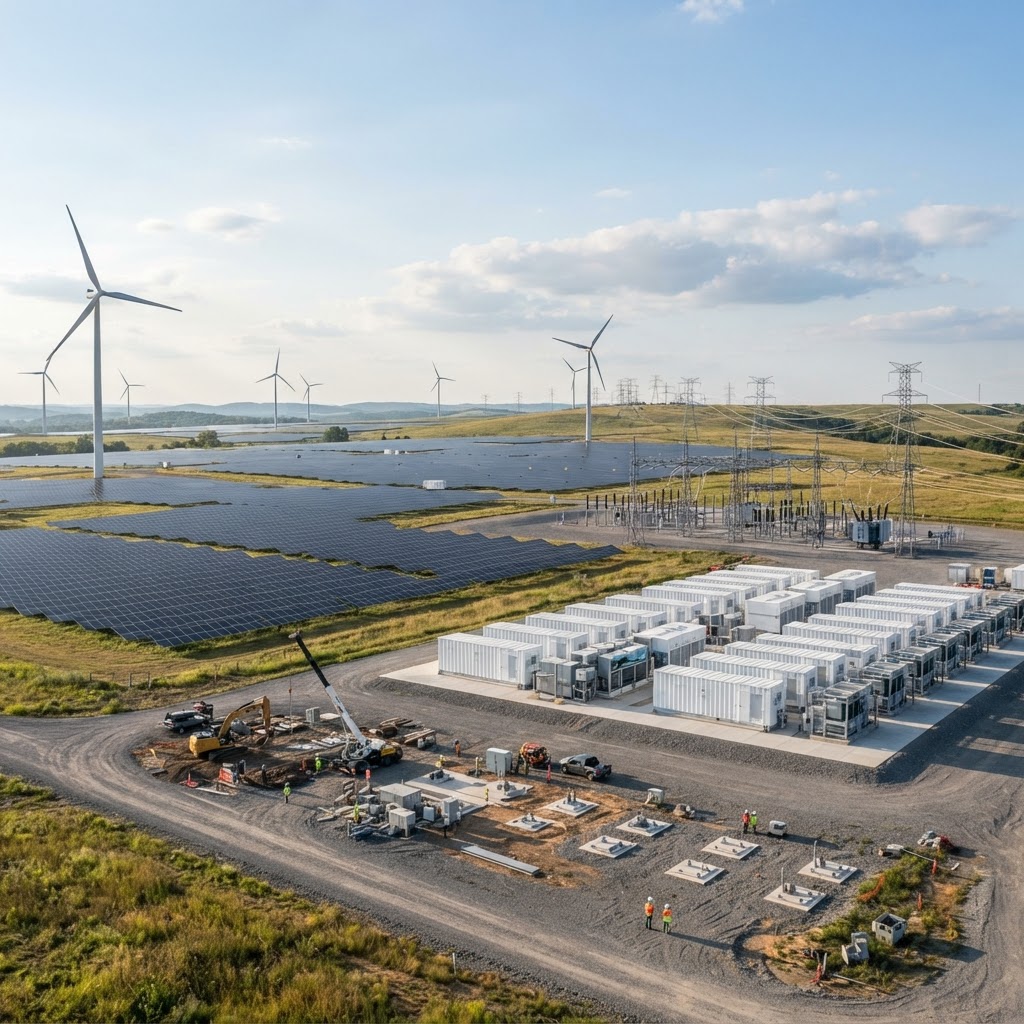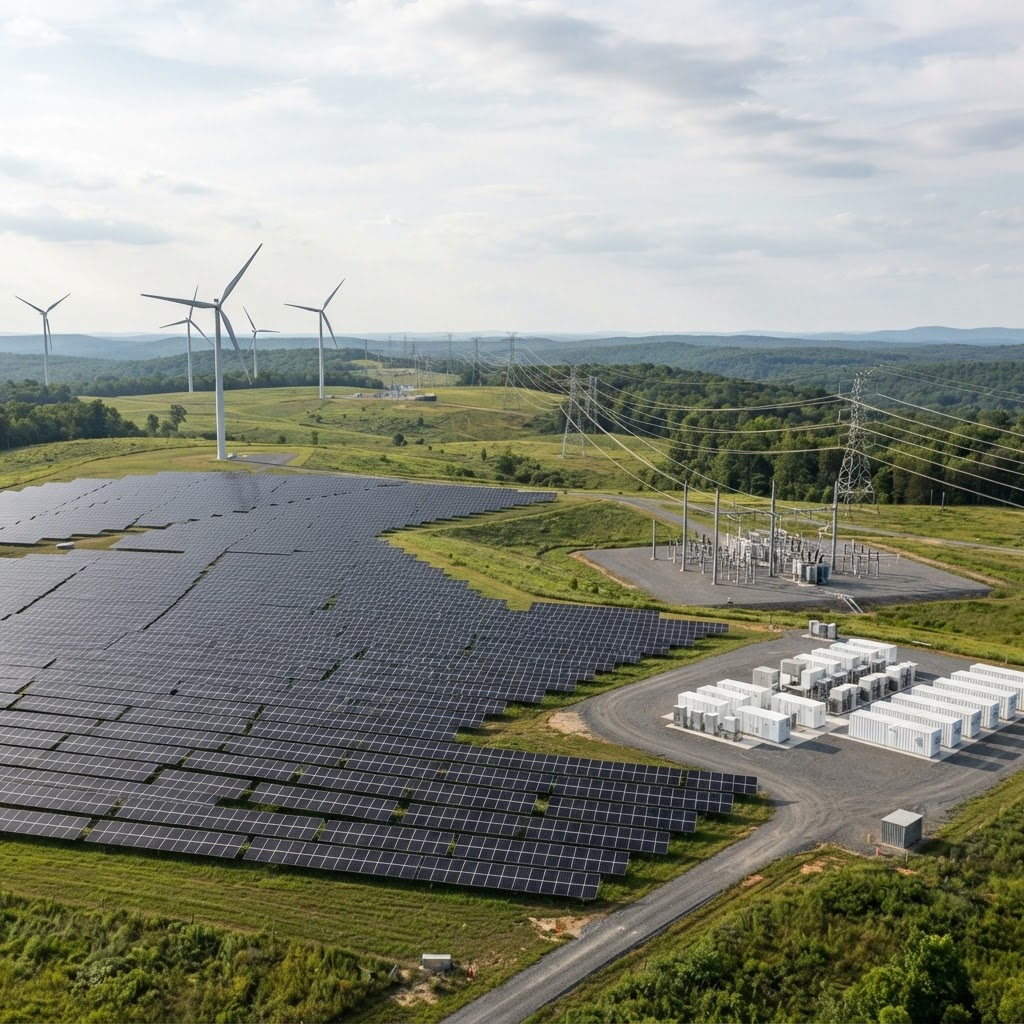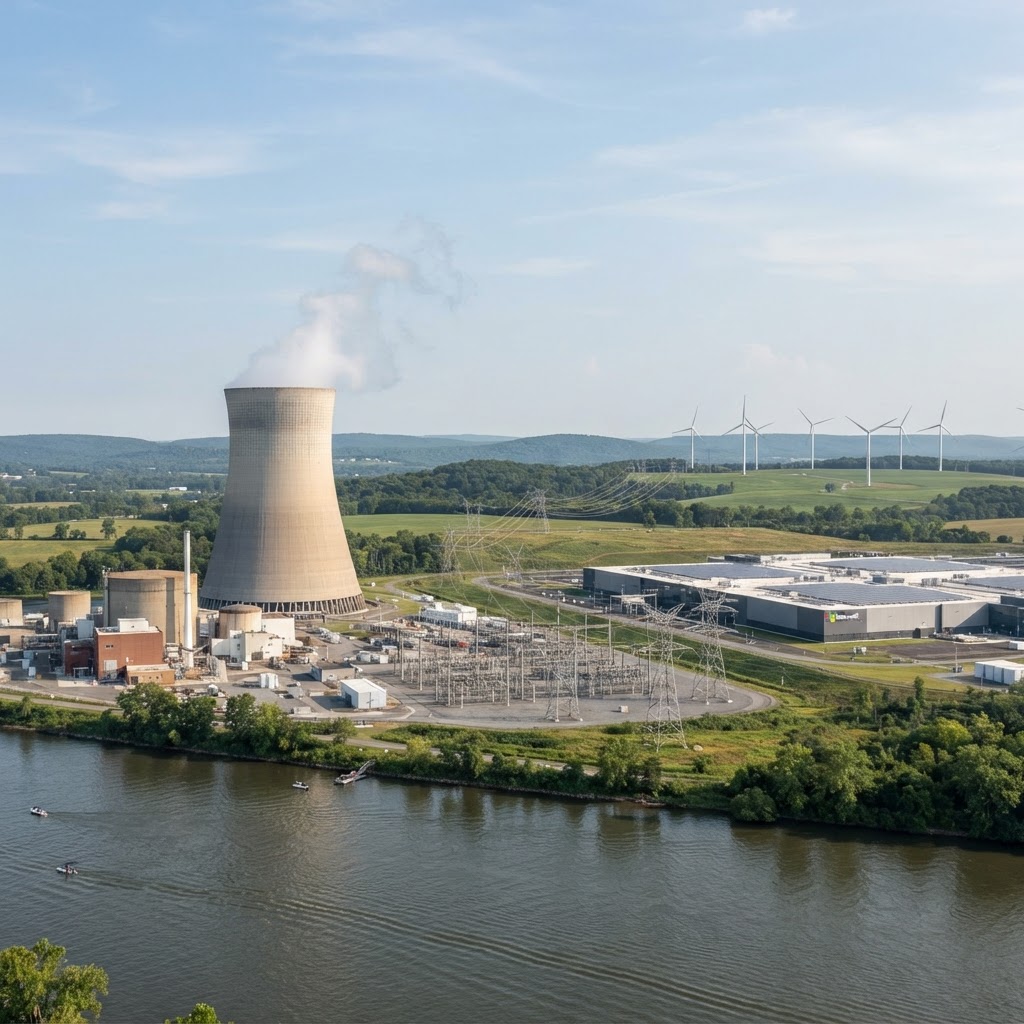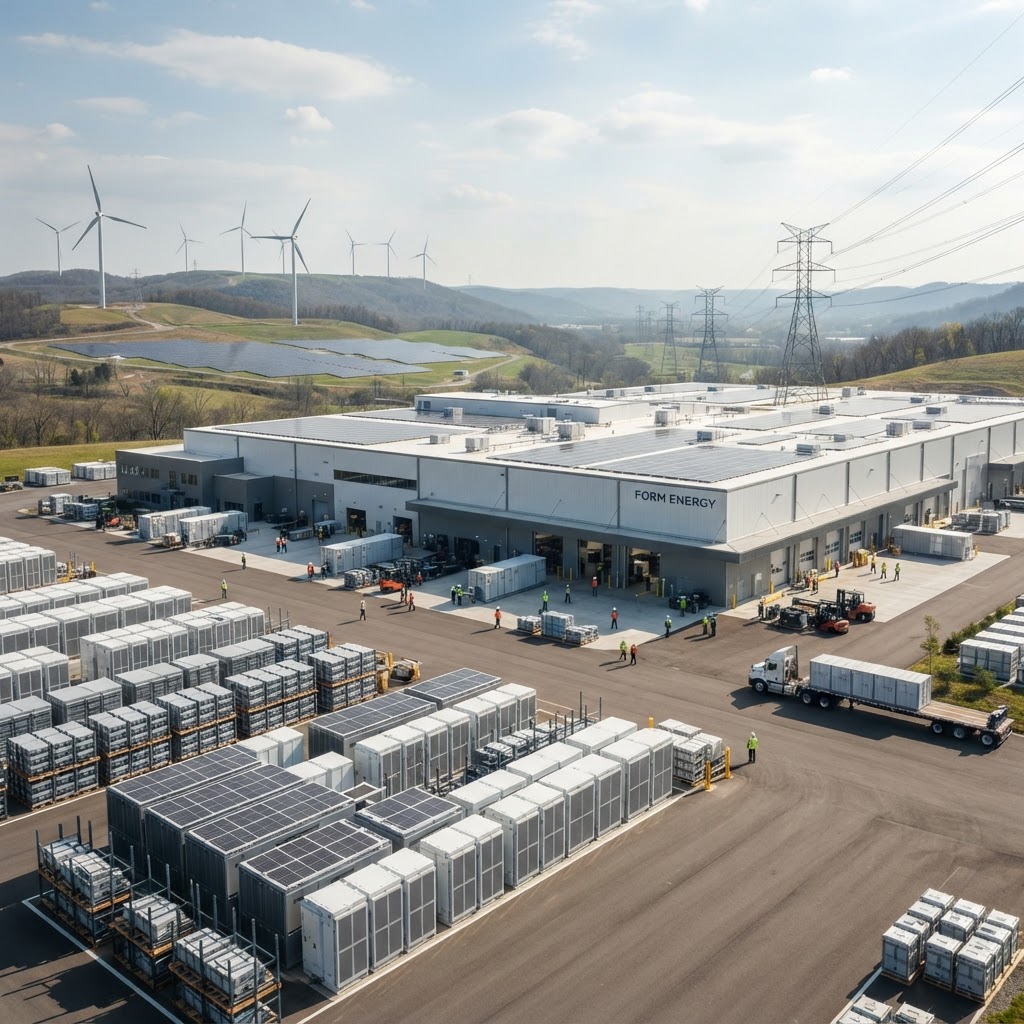
Form Energy has secured $750 million in Series G financing, a significant capital injection that underscores the growing investor appetite for long-duration energy storage. Led by T. Rowe Price, the round brings the company’s total equity raised to over $2 billion, providing the necessary runway to scale production at its 'Form Factory 1' in Weirton, West Virginia. As the U.S. power grid faces unprecedented strain from rising data center demand and the integration of intermittent renewables, Form’s iron-air technology—capable of 100-hour discharge—is increasingly viewed as a critical asset for grid reliability. This latest funding marks a pivotal transition from pilot-stage innovation to full-scale commercial deployment.
Key Findings
The Series G round, which included participation from Sequoia Capital, Franklin Templeton, and PEAK6 Investments, highlights a shift in capital allocation toward domestic manufacturing of critical energy infrastructure. Form Energy’s strategy centers on the use of earth-abundant materials, with the company reporting that approximately 80% of its battery components are sourced within the United States. This domestic supply chain focus serves as a hedge against the volatility often seen in lithium-ion markets. The company currently has over 80 gigawatt-hours of commercial projects under agreement, with significant interest from the AI and data center sectors, which require consistent, multi-day power backup. By repurposing the site of a former steel mill, Form Energy has successfully integrated its operations into an existing industrial ecosystem, leveraging local workforce expertise to accelerate the transition from lab-scale prototypes to mass-produced grid assets. The ability to provide 100-hour storage duration addresses the 'long-duration' gap that traditional lithium-ion batteries cannot cost-effectively fill, positioning the company as a key player in the modernization of the North American and international electricity markets.
Industry Response
The broader energy sector has responded with optimism to Form Energy’s scaling efforts, viewing the company’s progress as a validation of the long-duration storage business model. Industry analysts note that the partnership with major utilities and AI infrastructure developers like Crusoe signals that the market is moving beyond demonstration projects toward large-scale procurement. Ted Wiley, Form’s president and COO, has emphasized that the surge in demand is directly tied to the global need for grid stability in a decarbonizing economy. Policymakers and regional leaders have also lauded the project’s economic impact; Weirton officials have highlighted the facility as a symbol of industrial revitalization, transforming a legacy steel town into a hub for advanced energy manufacturing. Furthermore, the company’s recent international expansion into Ireland, in partnership with FuturEnergy Ireland, demonstrates that the demand for multi-day storage is a global phenomenon. Trade groups and grid operators have consistently pointed to these deployments as essential tools for managing the retirement of coal-fired generation while maintaining reliability during extreme weather events, reinforcing the strategic importance of Form’s technology in the current energy policy landscape.
What's Next
The immediate focus for Form Energy is the aggressive expansion of its Weirton manufacturing capacity to fulfill its substantial order backlog. With the new capital, the company is expected to accelerate the delivery of its 100-hour iron-air systems to utility partners, including Xcel Energy and Georgia Power, as well as its commitments to AI infrastructure providers. A key milestone in the coming months will be the operational ramp-up of the projects currently in the pipeline, which will provide real-world performance data to further de-risk the technology for institutional investors and utility regulators. Beyond manufacturing, the company is expected to continue its international market entry, using the Irish project as a template for future deployments in Europe and beyond. As the U.S. grid continues to integrate higher penetrations of wind and solar, Form Energy’s ability to meet delivery timelines will be the primary metric for success. Investors will be watching for further announcements regarding supply chain localization and potential follow-on project agreements, which will serve as indicators of the company’s long-term trajectory toward becoming a foundational supplier for the global energy transition.