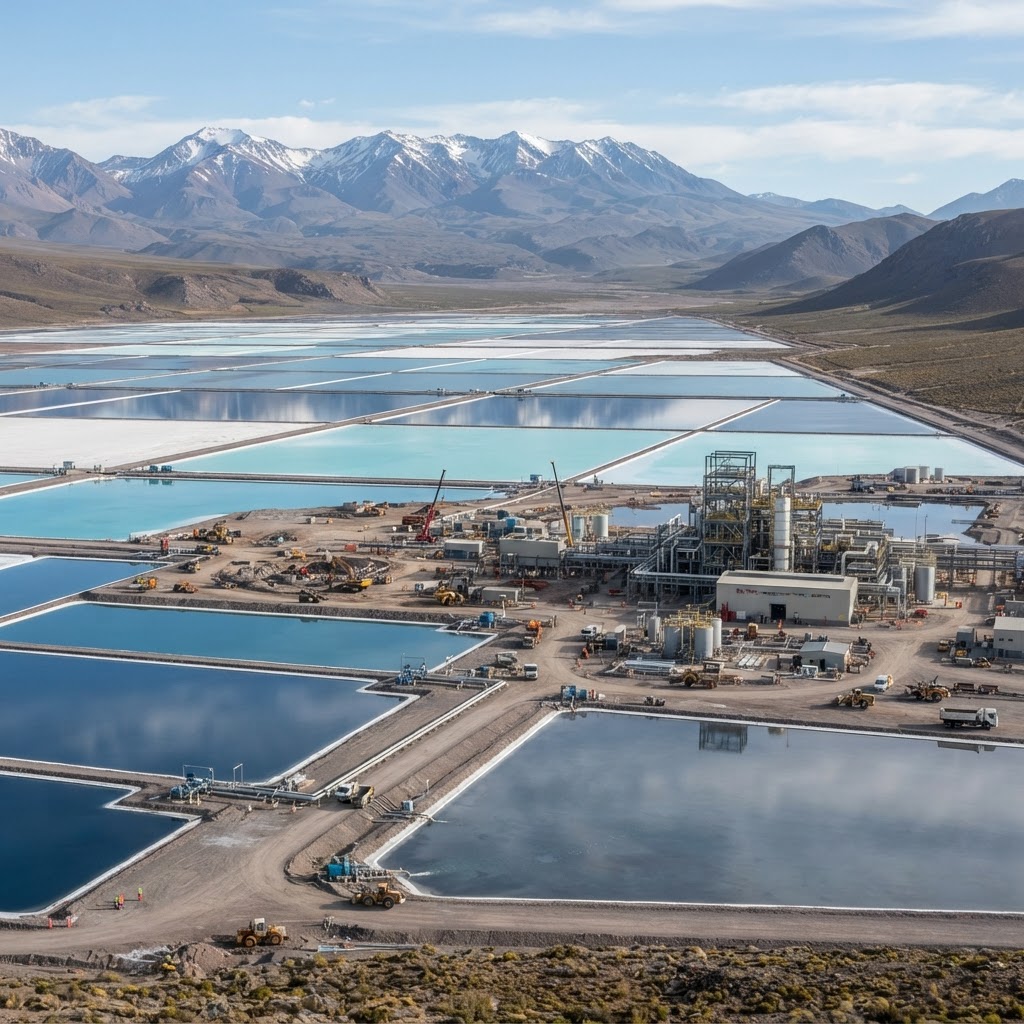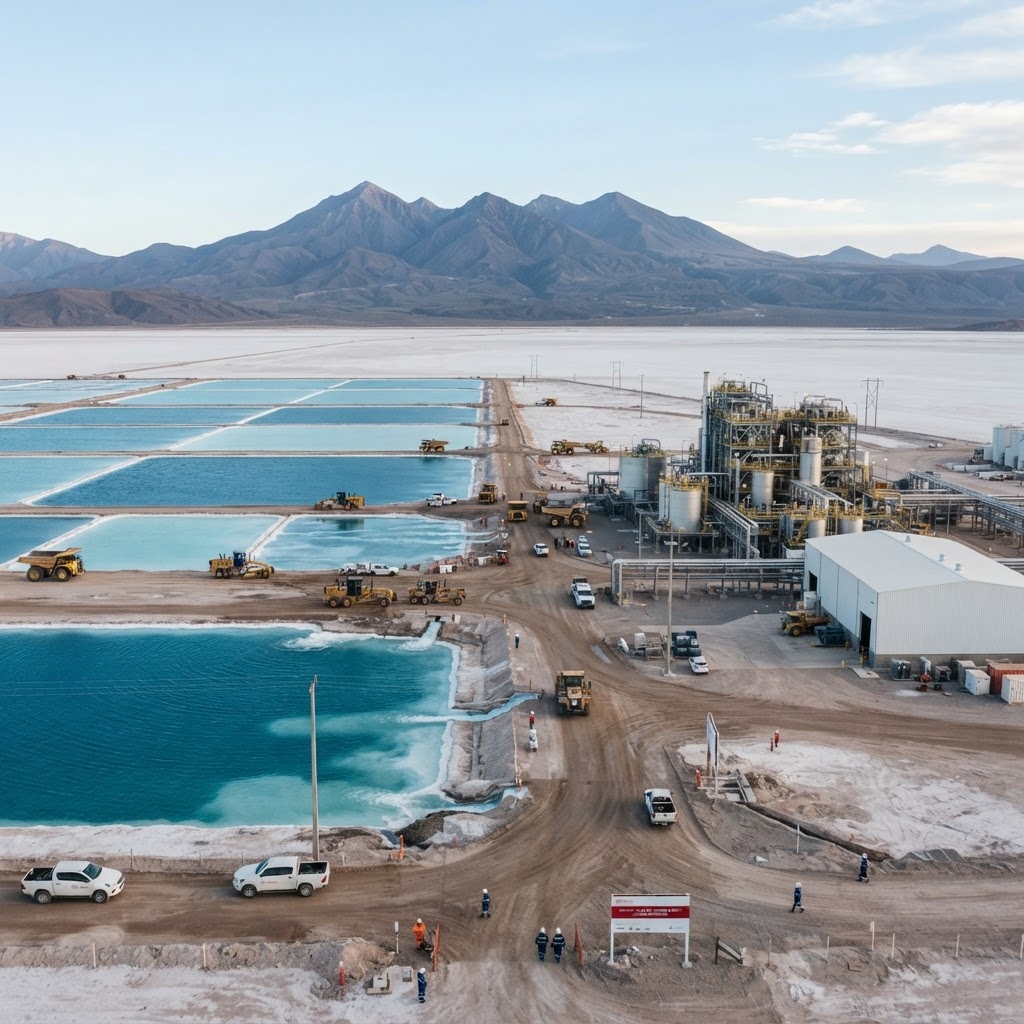
Rio Tinto is moving decisively to cement its position as a global lithium powerhouse, leveraging its $6.7 billion acquisition of Arcadium Lithium to accelerate development across Argentina’s prolific salt flats. By integrating Arcadium’s established operational footprint at the Salar del Hombre Muerto with its own Rincón project, the mining giant is optimizing a massive, multi-asset pipeline. This strategic consolidation provides the capital depth and technical expertise required to navigate current market volatility while ensuring long-term supply security. As the energy transition accelerates, Rio Tinto’s commitment to scaling these high-quality brine assets signals a robust, investor-grade pathway toward meeting the surging global demand for battery-grade lithium carbonate.
Key Findings
The integration of Arcadium’s assets into Rio Tinto’s portfolio creates one of the world’s largest lithium reserve bases. Key developments include the continued expansion of the Fénix operation, which recently completed a 10,000 metric ton capacity increase, and the ongoing development of the Rincón project, slated to add 60,000 tons per year of lithium carbonate equivalent (LCE) by 2028. These projects are characterized by their low-cost production profiles, which remain competitive even in fluctuating price environments. Furthermore, the combined entity is re-sequencing expansion phases at Sal de Vida and Fénix to maximize capital efficiency. This disciplined approach ensures that production growth aligns with market demand, mitigating the risks associated with rapid, uncoordinated capacity additions. The scale of these operations positions Argentina as a critical pillar in the global supply chain, with national output projected to grow significantly through the end of the decade.
Industry Response
Market analysts and industry stakeholders view the acquisition as a transformative event for the lithium sector. By providing the balance sheet strength necessary to fund long-term capital projects, Rio Tinto addresses the primary bottleneck that has historically hindered junior and mid-tier producers: access to sustained financing. Industry observers note that the move reflects a broader trend of major miners securing strategic mineral assets to hedge against future supply deficits. While Arcadium previously signaled a need to pause certain expansions due to price pressures, Rio Tinto’s involvement provides the necessary liquidity to maintain project momentum. Trade groups and regional policymakers have welcomed the investment, noting that it reinforces Argentina’s status as a premier destination for sustainable lithium extraction. The consensus among institutional investors is that this consolidation will lead to more stable, predictable supply growth, ultimately benefiting downstream battery manufacturers and automotive OEMs seeking reliable, long-term partnerships.
What's Next
The immediate focus for Rio Tinto is the successful commissioning of the Rincón project, which remains the centerpiece of its Argentine growth strategy for 2028. Beyond this, the company is expected to finalize the sequencing of the Sal de Vida and Fénix expansions, ensuring that technical improvements and infrastructure upgrades are executed in parallel with production ramp-ups. Investors are closely watching for updates on the Nemaska Lithium project, where Rio Tinto will leverage its financial capacity to advance development. Furthermore, the company is likely to explore additional synergies in direct lithium extraction (DLE) technologies to enhance recovery rates and operational efficiency. With Argentina’s national lithium plan targeting significant capacity increases by 2030, Rio Tinto’s operational milestones will serve as a key barometer for the broader industry’s ability to scale production in a capital-efficient manner while maintaining high ESG standards.