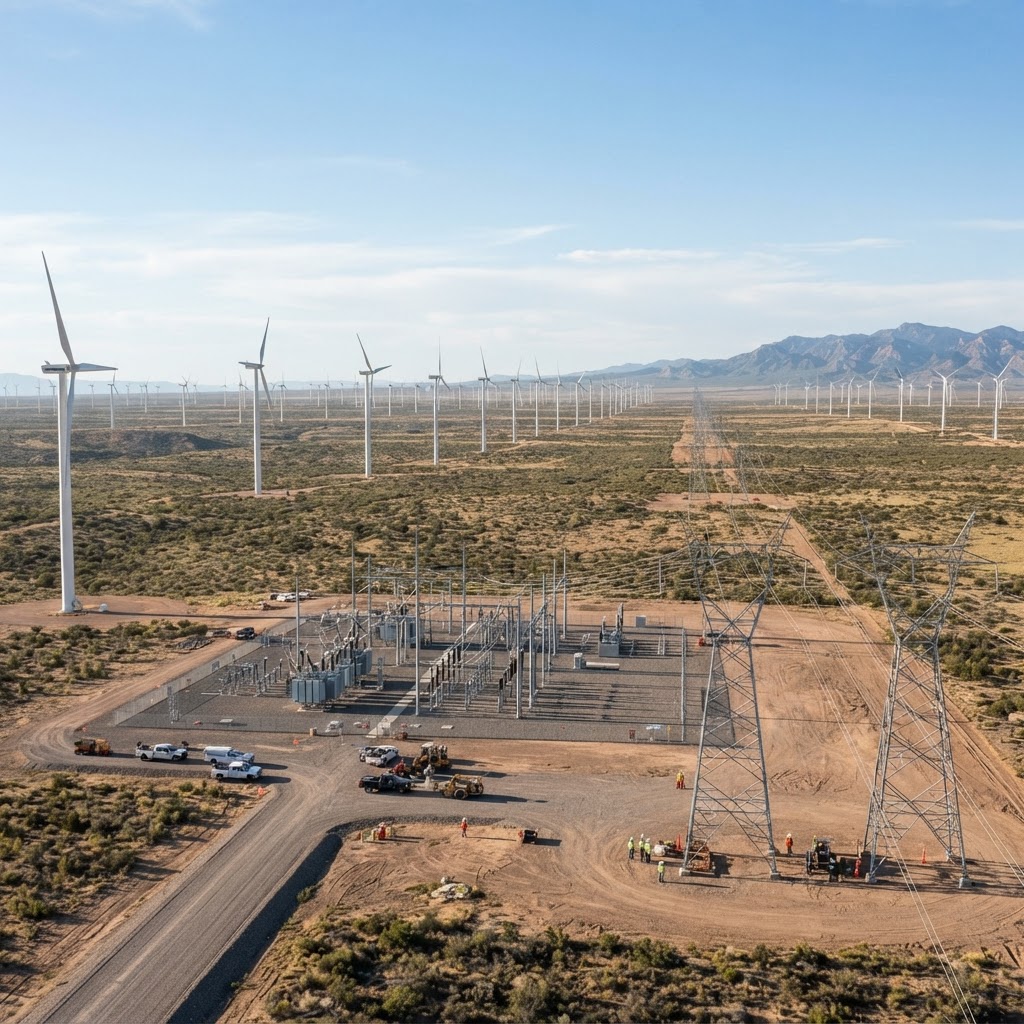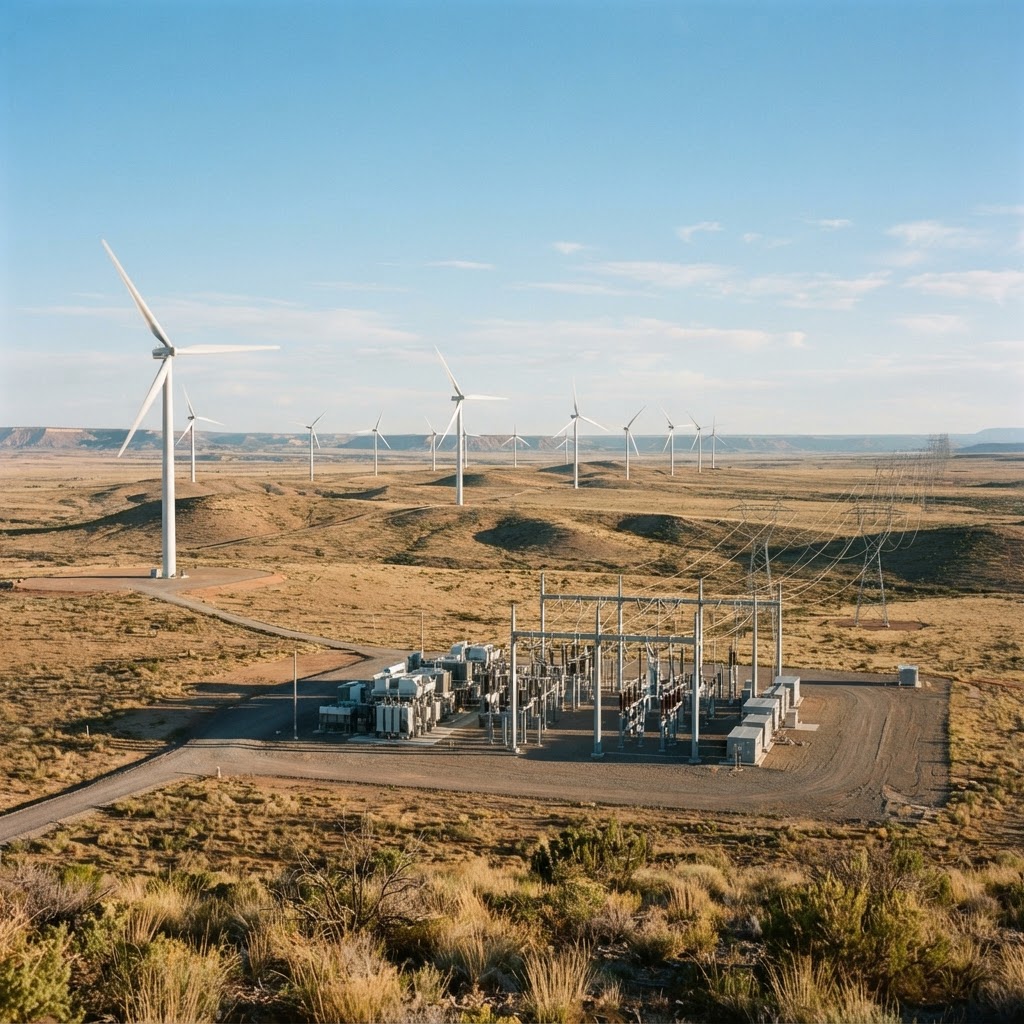
The American Southwest’s energy landscape reached a pivotal turning point this summer as Pattern Energy officially commenced operations at the SunZia Wind and Transmission project. As the largest clean energy infrastructure initiative in U.S. history, the project represents a monumental achievement in grid modernization. By integrating 3.5 gigawatts of wind generation with a 550-mile high-voltage direct current (HVDC) transmission line, SunZia is now actively delivering reliable, carbon-free electricity from New Mexico to load centers across the West. This milestone underscores a successful blueprint for bridging the gap between abundant renewable resources in remote regions and the surging power demands of major metropolitan markets.
Key Findings
The SunZia project stands as a landmark in capital deployment and engineering, with total infrastructure investment exceeding $11 billion. The system is designed to transmit up to 3,000 megawatts of power, providing a capacity that rivals major hydroelectric facilities like the Hoover Dam. A critical component of the project’s success is the deployment of advanced HVDC technology, which minimizes energy loss over long distances, effectively addressing the transmission bottlenecks that have historically constrained renewable energy expansion. Beyond its technical capacity, the project is a significant economic engine, expected to generate over $20 billion in total economic impact across New Mexico and Arizona. It also provides substantial long-term fiscal support, including $1.3 billion in direct payments to schools, local authorities, and private landowners over the first three decades of operation, demonstrating the tangible community benefits of large-scale energy infrastructure.
Industry Response
Industry leaders and project partners have lauded the commissioning as a testament to the viability of large-scale renewable integration. Daniel Elkort, Executive Vice President at Pattern Energy, noted that the project’s multifaceted financing structure proves that the renewable energy sector can secure attractive capital at levels previously reserved for traditional generation assets. Hitachi Energy, which provided key infrastructure for the HVDC link, celebrated the inauguration as a vital step in delivering reliable power to millions of consumers. Analysts point to SunZia as a successful model for 'de-risking' complex energy projects through strategic partnerships and clear offtake agreements. By proving that massive, integrated generation-and-transmission projects can be brought to fruition, the industry sees SunZia as a foundational case study for future grid-scale developments that aim to balance regional energy needs with national decarbonization goals.
What's Next
With the initial phase of power delivery now underway, the focus shifts to the full-scale optimization of the 3.5-gigawatt wind farm and the continued integration of the HVDC transmission network. Pattern Energy is moving forward with the phased commercial commissioning process, ensuring that the system remains resilient against extreme weather events while maintaining consistent supply to the Western grid. Looking ahead, the project serves as a critical catalyst for further grid modernization efforts in the Southwest, where state regulators and utilities are increasingly prioritizing the expansion of transmission capacity to accommodate electrification and electric vehicle charging loads. The successful operation of SunZia is expected to inform future federal and state policy discussions regarding 'backstop siting' and inter-regional grid connectivity. As the project reaches full operational capacity, it will provide a reliable, long-term data set on the performance of high-capacity transmission, likely influencing the design and financing of subsequent clean energy corridors across the United States.