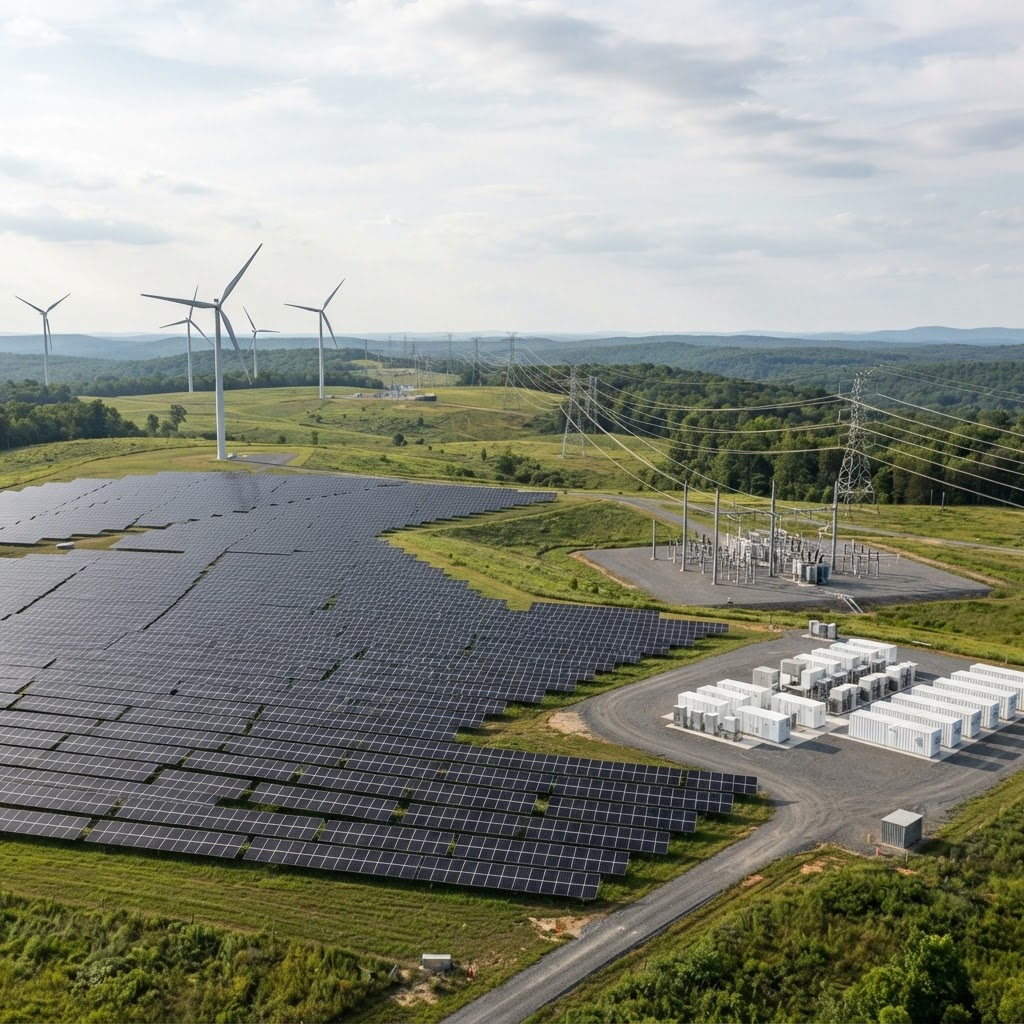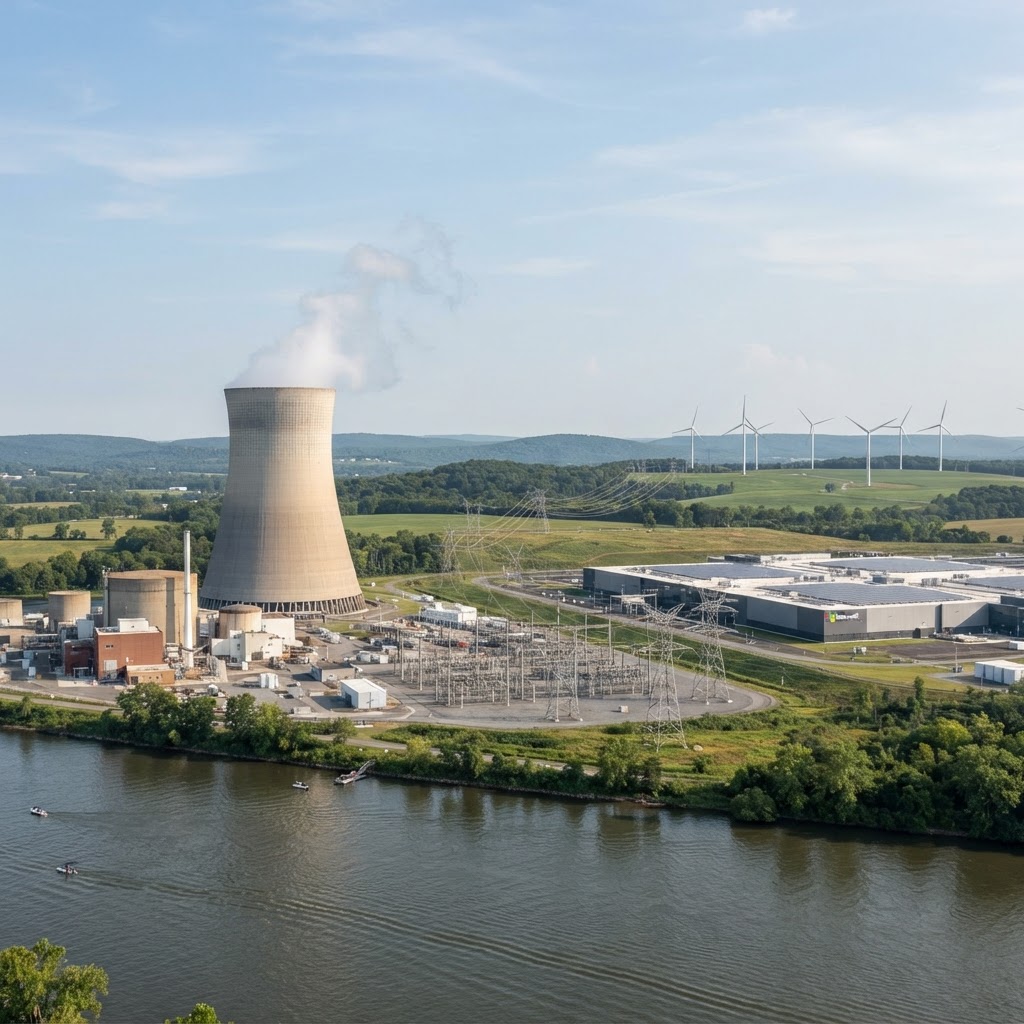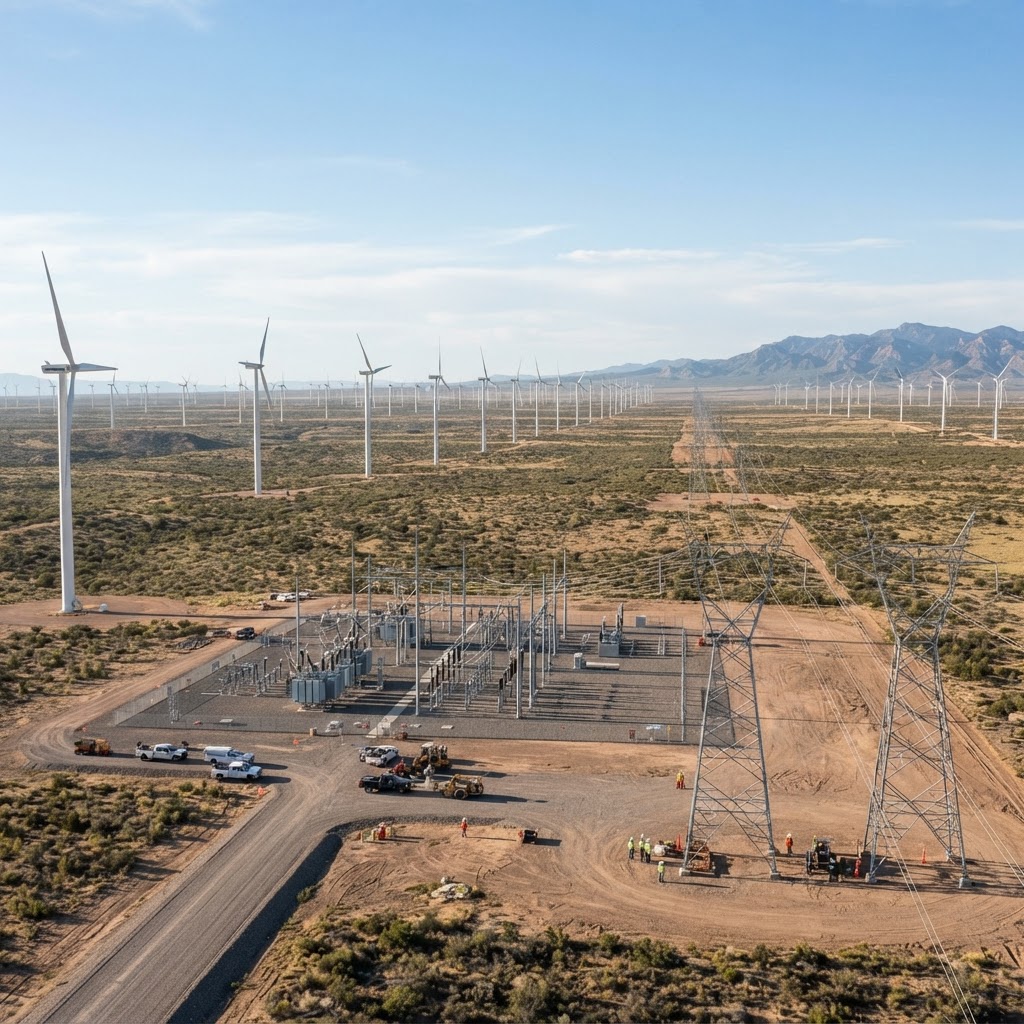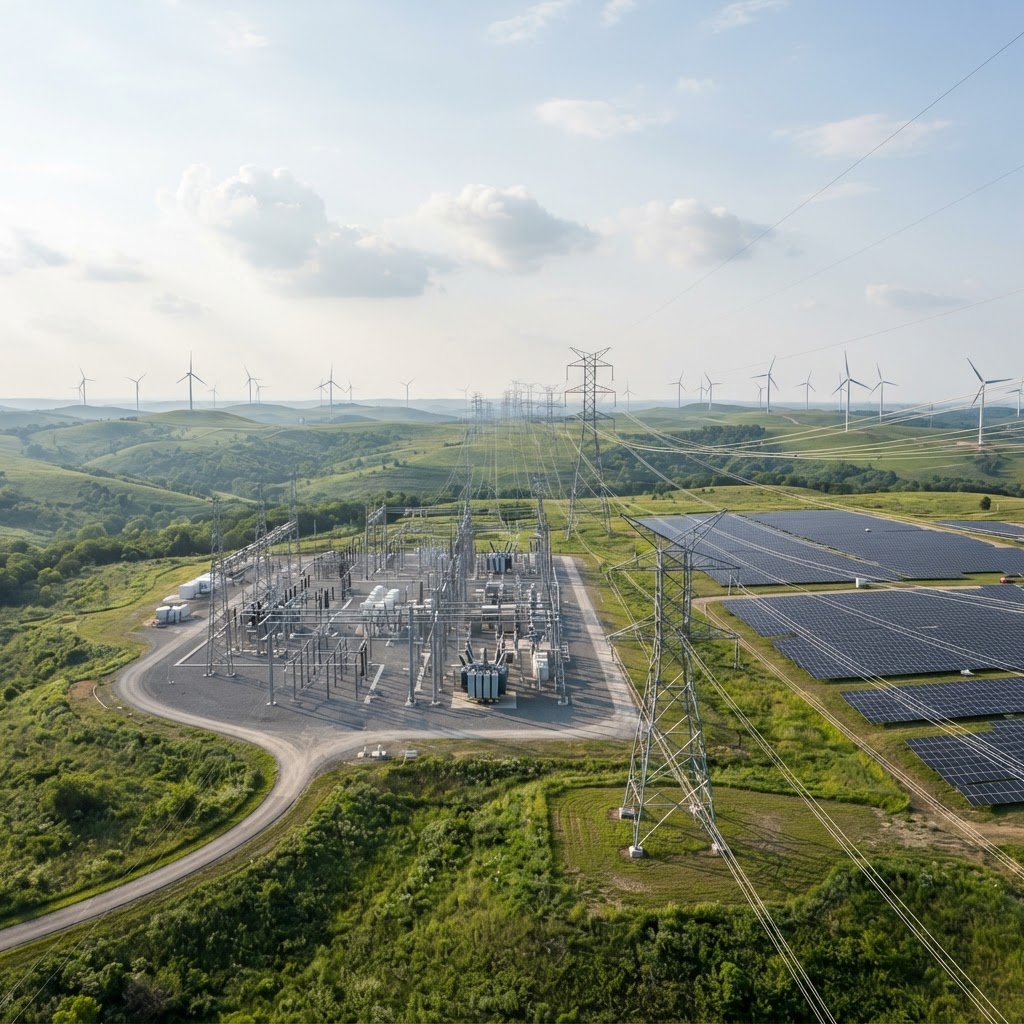
The Federal Energy Regulatory Commission’s finalization of Order 1920 represents a watershed moment for the U.S. power sector, signaling a decisive shift toward proactive, long-term regional transmission planning. By requiring grid operators to conduct 20-year forecasts and account for the evolving resource mix—including state-level clean energy mandates—the ruling aims to resolve the persistent bottlenecks stalling hundreds of gigawatts of wind and solar projects. This regulatory overhaul provides the legal and financial framework necessary for utilities to invest in high-voltage infrastructure with greater certainty. For institutional investors and project developers, the order clarifies cost-allocation methodologies, paving the way for a more resilient, interconnected, and economically efficient national electricity market.
Key Findings
Order 1920 mandates that transmission providers evaluate infrastructure needs over a minimum 20-year horizon, moving away from reactive, piecemeal upgrades. Operators must now consider at least seven specific economic and reliability benefits when proposing new lines, such as avoided generator capital costs and reduced loss of load. Crucially, the order incorporates a 'State Agreement Process,' allowing regional entities and state regulators to collaborate on how costs are shared among ratepayers. This shift targets the interconnection queue crisis, where over 2,000 gigawatts of generation and storage currently await grid access. By standardizing the assessment of long-term trends—including extreme weather events and increased electrification—FERC is effectively mandating a modernized grid capable of handling the transition to carbon-free energy. The rule also encourages the adoption of grid-enhancing technologies (GETs), such as dynamic line ratings and advanced power flow controllers, which can increase the capacity of existing wires by up to 40%. This technological integration ensures that immediate reliability needs are met while long-term build-outs progress, maximizing the efficiency of current assets while building for future demand across regional boundaries.
Industry Response
The industry reaction has been overwhelmingly supportive from the renewable sector, with the American Clean Power Association (ACP) hailing the rule as a transformative step for energy security. FERC Chairman Willie Phillips described the order as a necessary response to a once-in-a-generation set of challenges facing the grid, emphasizing that the U.S. cannot meet 21st-century energy needs with 20th-century infrastructure. Utility trade groups, including the Edison Electric Institute (EEI), expressed cautious optimism, praising the focus on long-term planning while urging FERC to ensure that state-level jurisdictional rights are respected during the cost-allocation process. Market analysts at Wood Mackenzie suggest that Order 1920 could catalyze a significant uptick in transmission capital expenditure, potentially reaching $20 billion annually by the late 2020s. Environmental advocates have also welcomed the ruling, noting that efficient regional planning is the most cost-effective way to lower consumer bills while reducing carbon emissions. However, some dissent from Republican commissioners centered on the potential for socializing costs of state-specific policies across broader regions, a point that legal experts anticipate will be tested in upcoming appellate court filings as stakeholders weigh the balance of federal authority and state autonomy.
What's Next
The immediate horizon involves a rigorous compliance schedule for regional transmission organizations (RTOs) and independent system operators (ISOs). These entities are required to submit their initial compliance filings to FERC within the coming months, detailing how they will integrate the new 20-year planning requirements and benefit metrics. This process will trigger intense negotiations between states and utilities regarding cost-sharing agreements for multi-state transmission lines. Simultaneously, the industry is watching for potential litigation; several state attorneys general and utility commissions have hinted at legal challenges regarding federal overreach. Beyond the courtroom, the focus will shift to the implementation of the Department of Energy’s companion Grid Resilience and Innovation Partnerships (GRIP) program, which provides federal funding to complement the regulatory shifts of Order 1920. Investors should also monitor upcoming FERC proceedings on interregional transmission planning—the 'Big Wire' concept—which would facilitate power sharing between major grid regions like PJM and MISO. As these regulatory pieces fall into place, the next 24 months will likely see a surge in permitting applications for high-capacity corridors, providing a significant pipeline for the domestic critical minerals and electrical equipment manufacturing sectors.