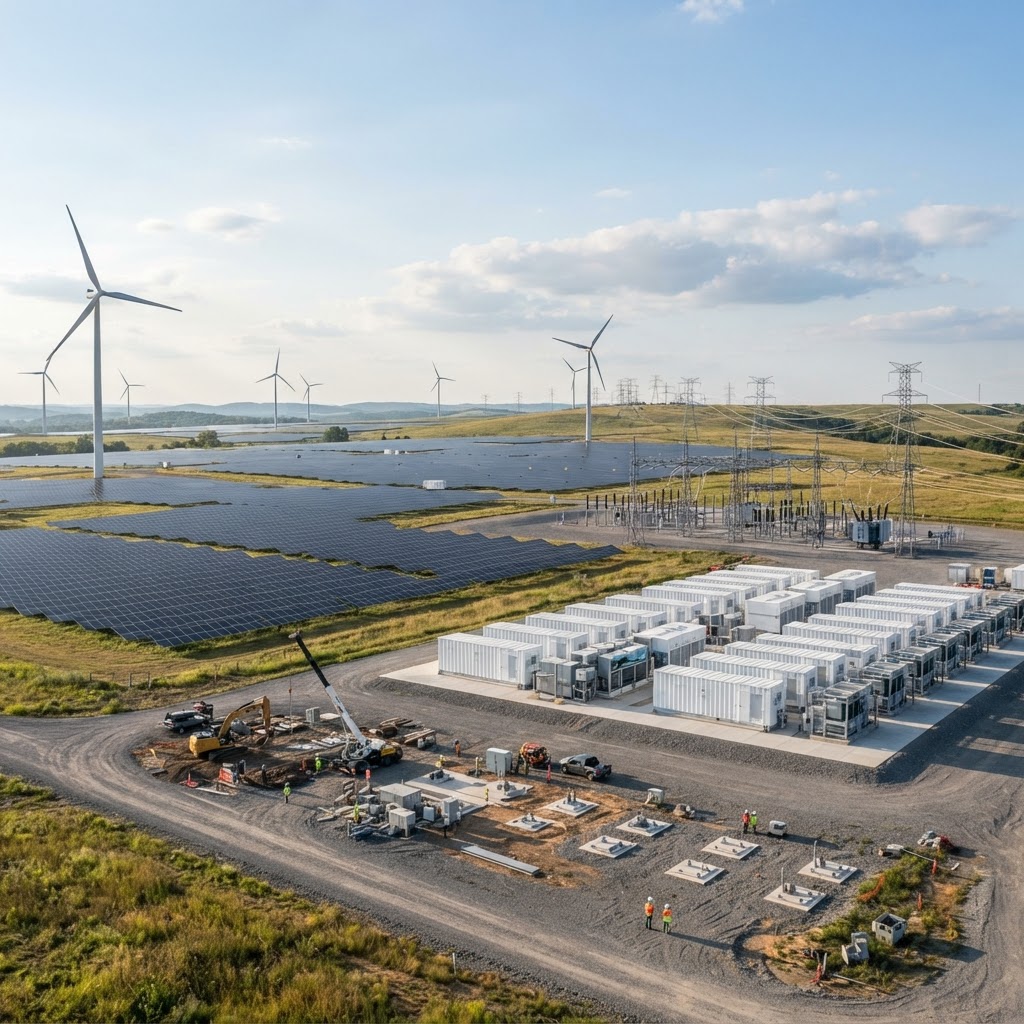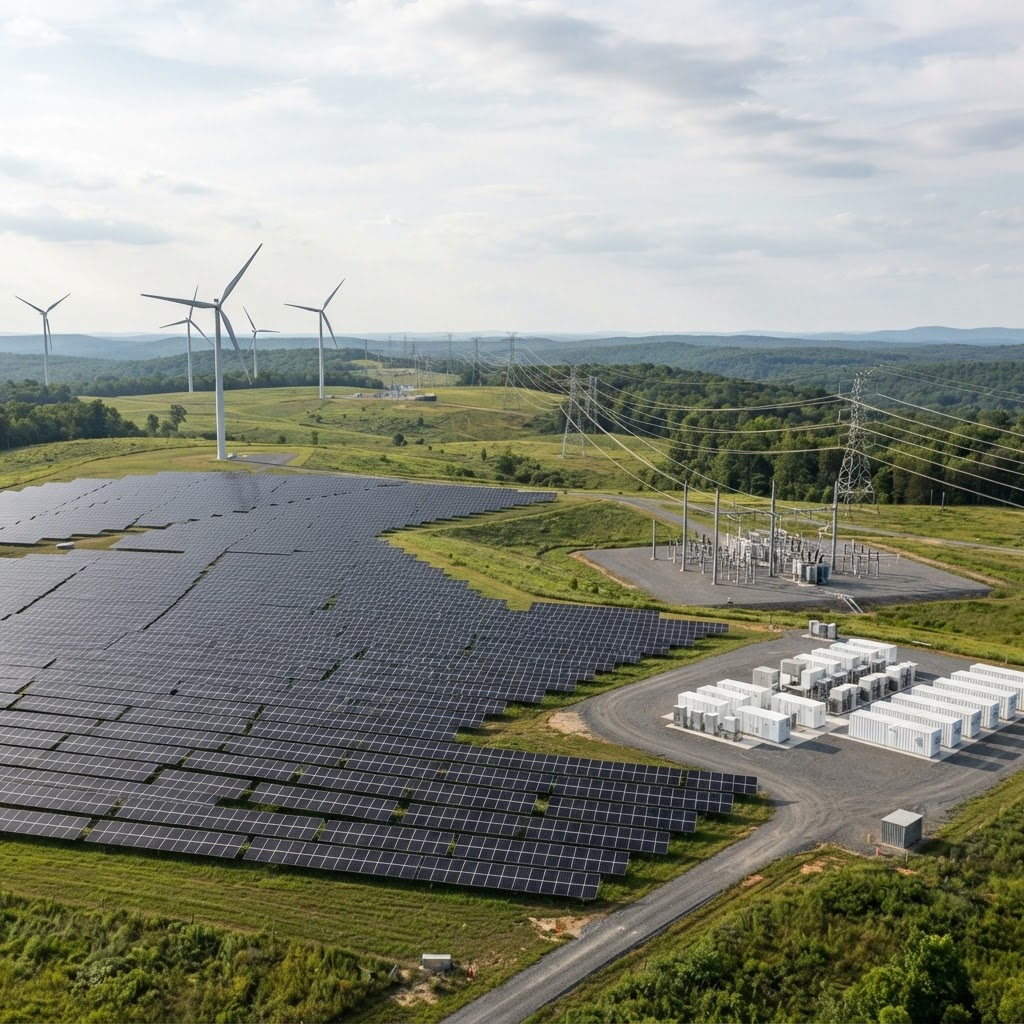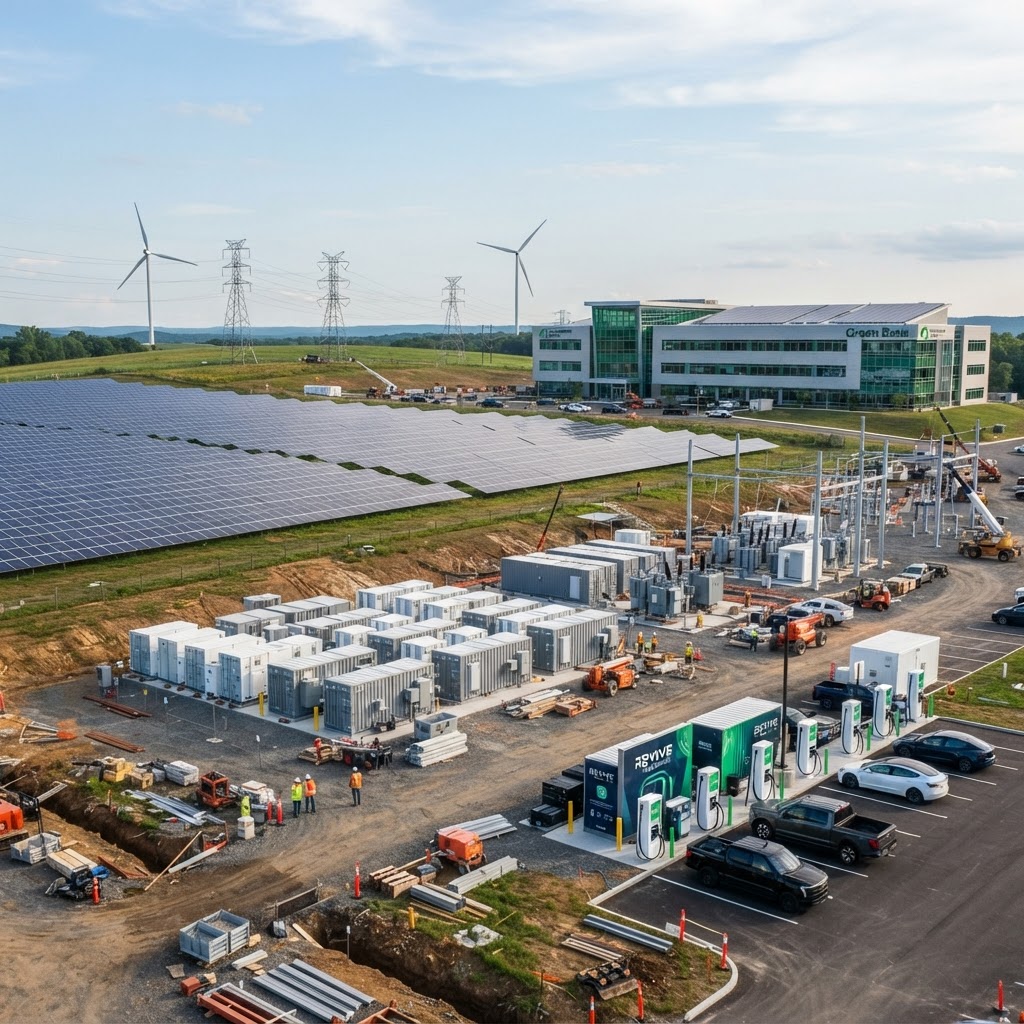
The Biden-Harris administration has finalized $20 billion in grant awards under the Greenhouse Gas Reduction Fund (GGRF), marking a transformative milestone for U.S. energy policy and climate finance. Managed by the Environmental Protection Agency (EPA), this "green bank" initiative aims to mobilize private capital for clean energy infrastructure, spanning distributed solar, building electrification, and EV charging. By targeting low-income and disadvantaged communities, the program establishes a self-sustaining financial ecosystem designed to lower energy costs and accelerate the transition. For investors and developers, this influx of federal capital serves as a significant de-risking mechanism, unlocking new project pipelines and reinforcing the scalability of the American domestic renewable energy market.
Key Findings
The $20 billion allocation is divided into two primary programs: the $14 billion National Clean Investment Fund (NCIF) and the $6 billion Clean Communities Investment Accelerator (CCIA). Three major non-profits—Climate United, the Coalition for Green Capital, and Power Forward Communities—received the bulk of the NCIF funding. These organizations will act as national green banks, leveraging federal dollars to attract an estimated $7 in private investment for every $1 of public funds. Key focus areas include decentralized energy systems and regional grid resilience projects that traditionally struggle to secure conventional commercial financing. This policy move represents a shift toward market-based decarbonization strategies. By providing low-interest loans, credit enhancements, and technical assistance rather than simple rebates, the GGRF aims to create a permanent revolving fund. The EPA estimates the program will eventually reduce or avoid up to 40 million metric tons of greenhouse gas emissions annually. Crucially, the program mandates that 70% of the capital benefit disadvantaged communities, ensuring the energy transition addresses historic infrastructure gaps. This structured deployment of capital provides a clear roadmap for small-to-medium developers to scale technologies in niche markets, further diversifying the U.S. energy landscape beyond utility-scale installations.
Industry Response
Industry stakeholders have largely lauded the finalization of these awards as a critical signal of long-term policy stability. Reed Hundt, CEO of the Coalition for Green Capital, emphasized that this funding represents a "paradigm shift" in how the U.S. finances the energy transition, moving from sporadic subsidies to a structured, institutionalized capital market. Analysts at BloombergNEF suggest that the GGRF could bridge the "valley of death" for emerging technologies by providing the patient capital necessary to prove commercial viability at the community scale. Trade groups, including the Solar Energy Industries Association (SEIA), highlighted that the NCIF will be particularly effective in expanding the community solar market, which has faced headwinds due to high interest rates and interconnection delays. By providing cheaper financing options, the fund helps offset the rising costs of capital that have plagued renewable projects over the last 18 months. However, some industry observers caution that the speed of deployment will be the true metric of success. While the capital is now legally committed, the logistical challenge of setting up regional lending hubs and vetting sub-applicants remains a significant undertaking for the selected non-profits, requiring close coordination with state regulators and local utilities.
What's Next
The immediate next step involves the formalization of lending agreements between the EPA and the eight selected awardees. These organizations are expected to begin rolling out specific financial products—such as specialized loan programs and loan loss reserves—by late 2024 or early 2025. Developers and technology providers should prepare to engage with these national green banks to secure bridge financing or supplemental capital for projects that align with the federal Justice40 Initiative. This timeline coincides with the anticipated release of final IRS guidance on several key Inflation Reduction Act (IRA) tax credits, creating a dual-track incentive structure for project developers. Furthermore, the GGRF will likely serve as a blueprint for state-level energy offices looking to expand their own green financing capabilities. As these federal funds flow into the ecosystem, market participants should watch for a surge in public-private partnerships focused on grid edge technologies and local microgrids. The success of this first $20 billion tranche will be pivotal in determining whether future administrations continue to utilize green banking as a primary lever for industrial policy. With the first projects expected to break ground in early 2025, the impact on regional labor markets and domestic supply chains will become increasingly visible.