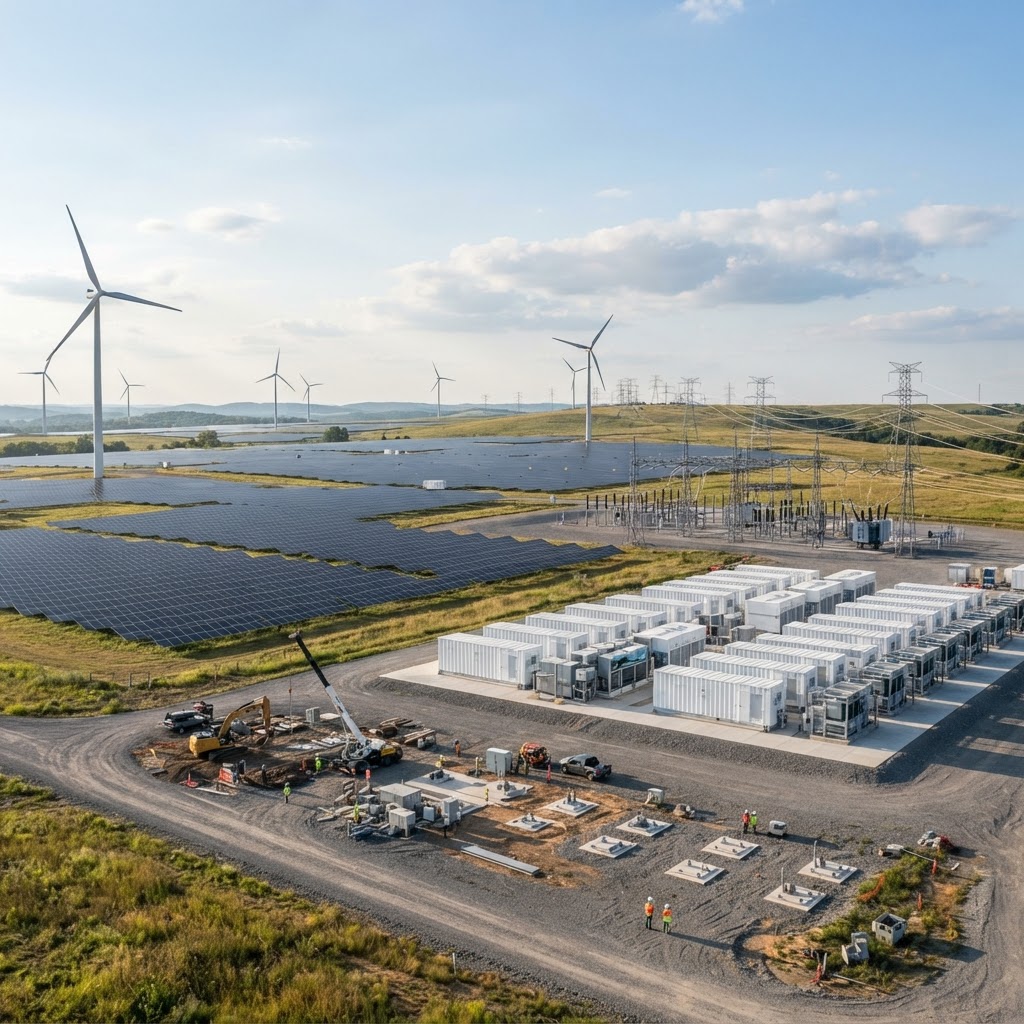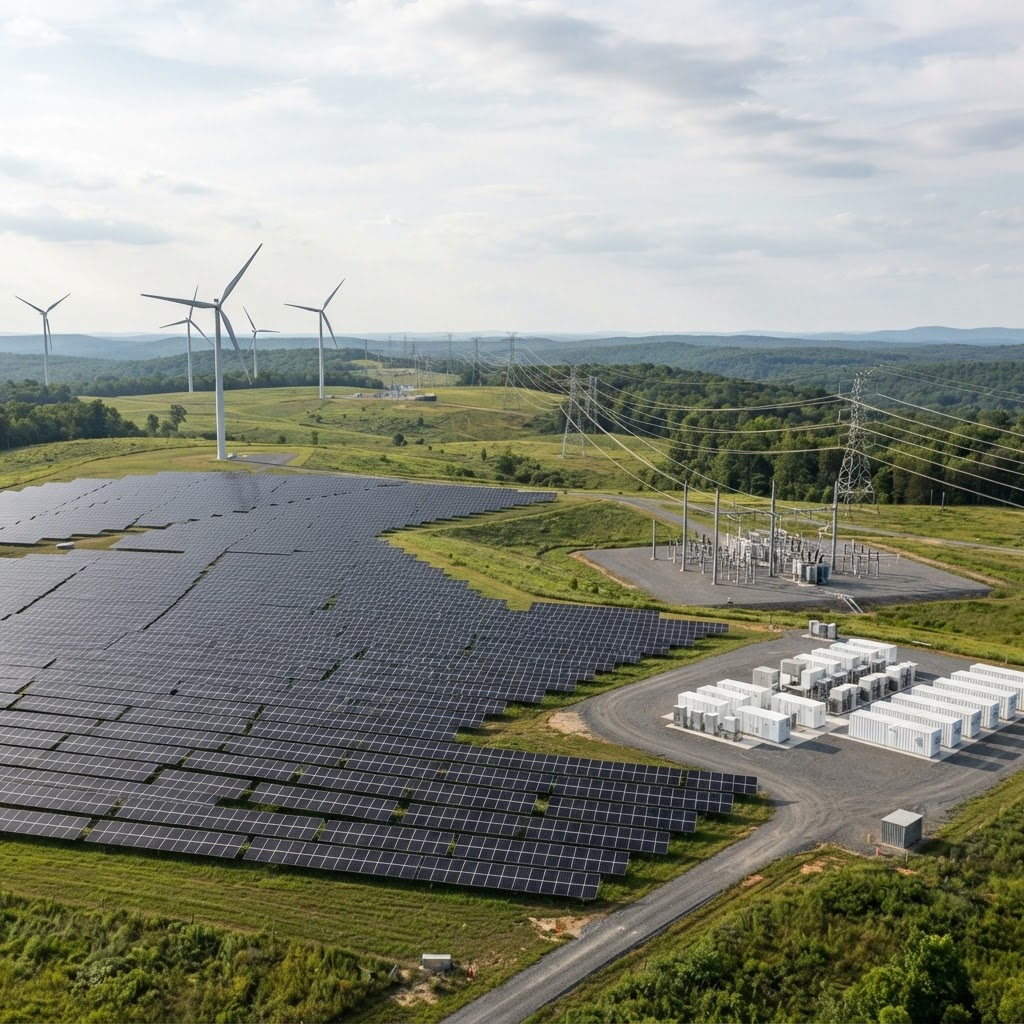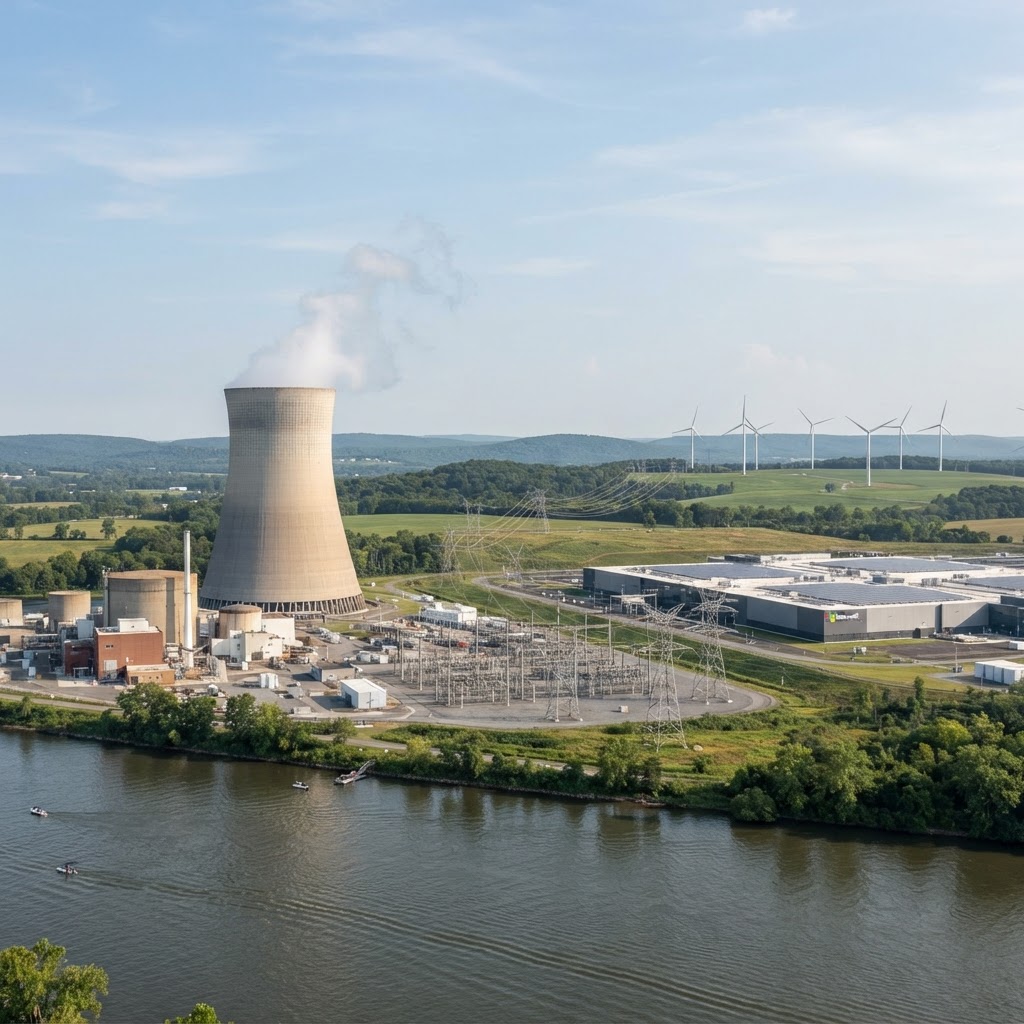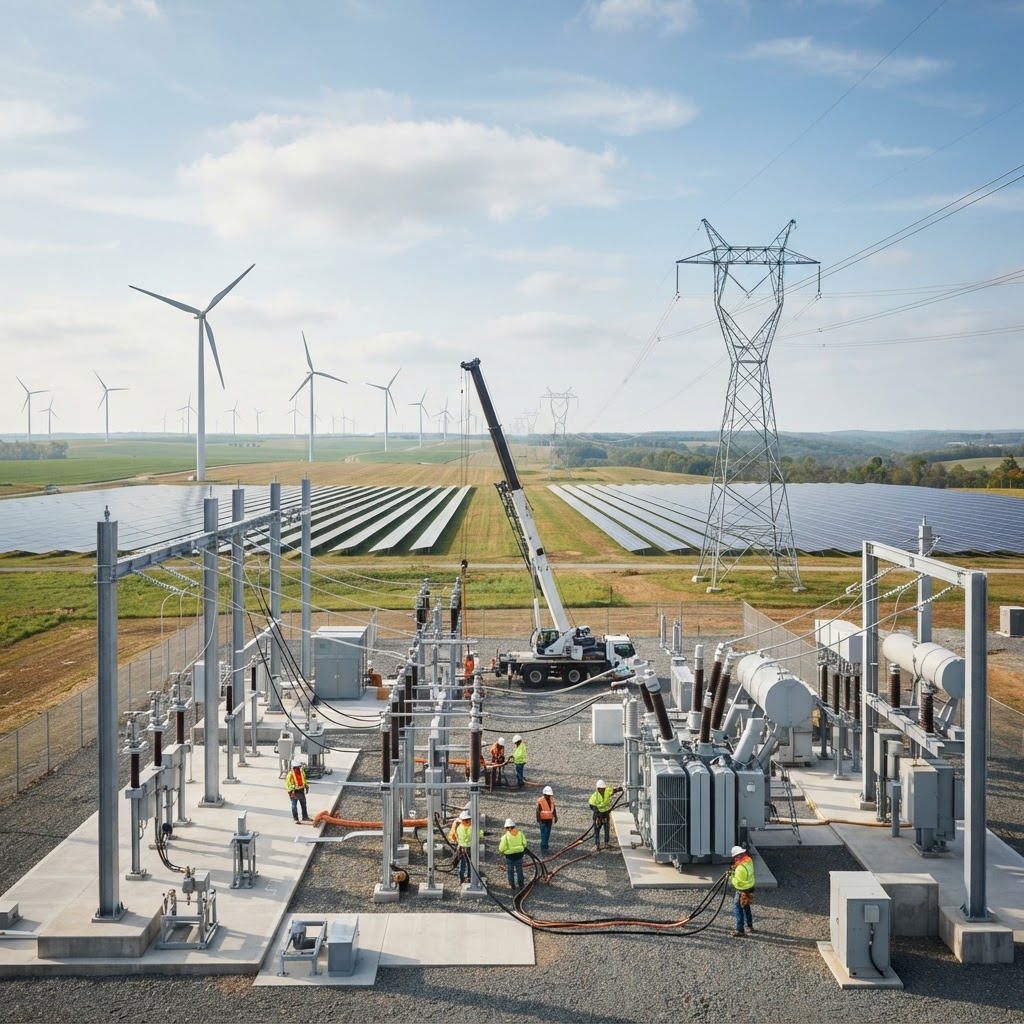
The U.S. Department of Energy has announced a $2.2 billion investment in eight high-impact grid projects across 18 states, marking a significant milestone in the Biden-Harris administration's effort to modernize the nation's aging electrical infrastructure. This funding, part of the Grid Resilience and Innovation Partnerships (GRIP) program, aims to add nearly 13 gigawatts of capacity while enhancing reliability against extreme weather events. By leveraging public-private partnerships, the initiative addresses the critical bottleneck in connecting new wind and solar assets to regional markets. Investors are viewing this deployment as a necessary catalyst for achieving decarbonization goals and stabilizing energy prices through improved transmission efficiency and inter-regional connectivity.
Key Findings
The GRIP program's latest allocation focuses on three primary pillars: grid resilience, smart technologies, and large-scale transmission. A standout project is the North Plains Connector, which will bridge the gap between the Eastern and Western Interconnections for the first time, significantly reducing the risk of blackouts during peak demand periods. This $700 million investment in Montana and North Dakota alone demonstrates the scale of the federal commitment to national energy security. Furthermore, the DOE is prioritizing Grid Enhancing Technologies (GETs) such as dynamic line rating and advanced power flow control. These software-driven solutions allow existing transmission lines to carry more electricity without the decade-long timelines associated with new physical builds. The inclusion of the Clean Energy Gateway project in California highlights the focus on tribal lands and rural communities, ensuring that the transition to a greener grid provides equitable economic benefits. Analysts note that these eight projects are expected to catalyze an additional $10 billion in private sector investment, multiplying the impact of the federal grants. By streamlining the interconnection queue, the DOE is directly addressing the primary hurdle currently facing independent power producers and utility-scale battery storage developers across the Midwest and Western regions.
Industry Response
Utility executives and industry trade groups have largely welcomed the announcement, characterizing it as a vital step toward modernizing a system built for a previous century. The Edison Electric Institute (EEI) noted that public-private collaboration is essential for building the grid of the future that can support increased electrification of transport and heating. Maria Pope, CEO of Portland General Electric, emphasized that these federal funds allow utilities to accelerate capital-intensive projects that might otherwise face regulatory delays or cost-recovery hurdles at the state level. Renewable energy developers, including NextEra Energy and Avangrid, signaled that improved inter-regional transmission will unlock thousands of megawatts of stranded wind and solar capacity. This is a vote of confidence for the long-term viability of the renewables market, stated one senior analyst at BloombergNEF. It reduces the basis risk for investors by ensuring that power generated in remote, resource-rich areas can actually reach load centers in major cities. However, some stakeholders have cautioned that while the funding is substantial, the regulatory environment must also evolve. The American Council on Renewable Energy (ACORE) highlighted that while this funding is a transformative down payment, sustained policy support for permitting reform is required to maximize the return on these investments.
What's Next
Following this $2.2 billion allocation, the DOE is expected to open the third round of GRIP funding by early 2025, with an estimated $3 billion still available from the Bipartisan Infrastructure Law. Projects selected in this round will now enter the environmental review and community engagement phases, with construction on several transmission upgrades slated to begin as early as late 2025. Market participants should monitor the progress of the Grain Belt Express and other major merchant transmission lines, which may receive further regulatory tailwinds from these federal initiatives. On the policy front, the Federal Energy Regulatory Commission (FERC) is likely to build on this momentum with new rules regarding regional transmission planning and cost allocation. These reforms will be critical in determining how the costs of large-scale, multi-state projects are shared among ratepayers. Furthermore, the integration of high-voltage direct current (HVDC) technology showcased in these projects will set a new technical standard for future grid expansions. As these projects reach financial close, the industry expects a surge in demand for domestic steel, conductors, and high-capacity transformers, potentially revitalizing the U.S. energy supply chain and creating thousands of high-skilled union jobs across the Heartland.