Canada's latest electricity strategy marks one of the country's most significant energy policy initiatives in decades, illustrating how governments are increasingly balancing decarbonization ambitions with energy security, industrial competitiveness, and rapidly growing electricity demand.
The federal government has outlined plans to substantially expand Canada's electricity generation and transmission network by mid-century, responding to structural shifts that are reshaping global energy markets. Electrification of transportation, industrial processes, artificial intelligence data centers, critical minerals processing, and broader economic growth are expected to require unprecedented additions to generating capacity over the coming decades.
Unlike earlier climate-focused policies that concentrated primarily on emissions reduction, the new strategy places equal emphasis on reliability, affordability, and economic competitiveness.
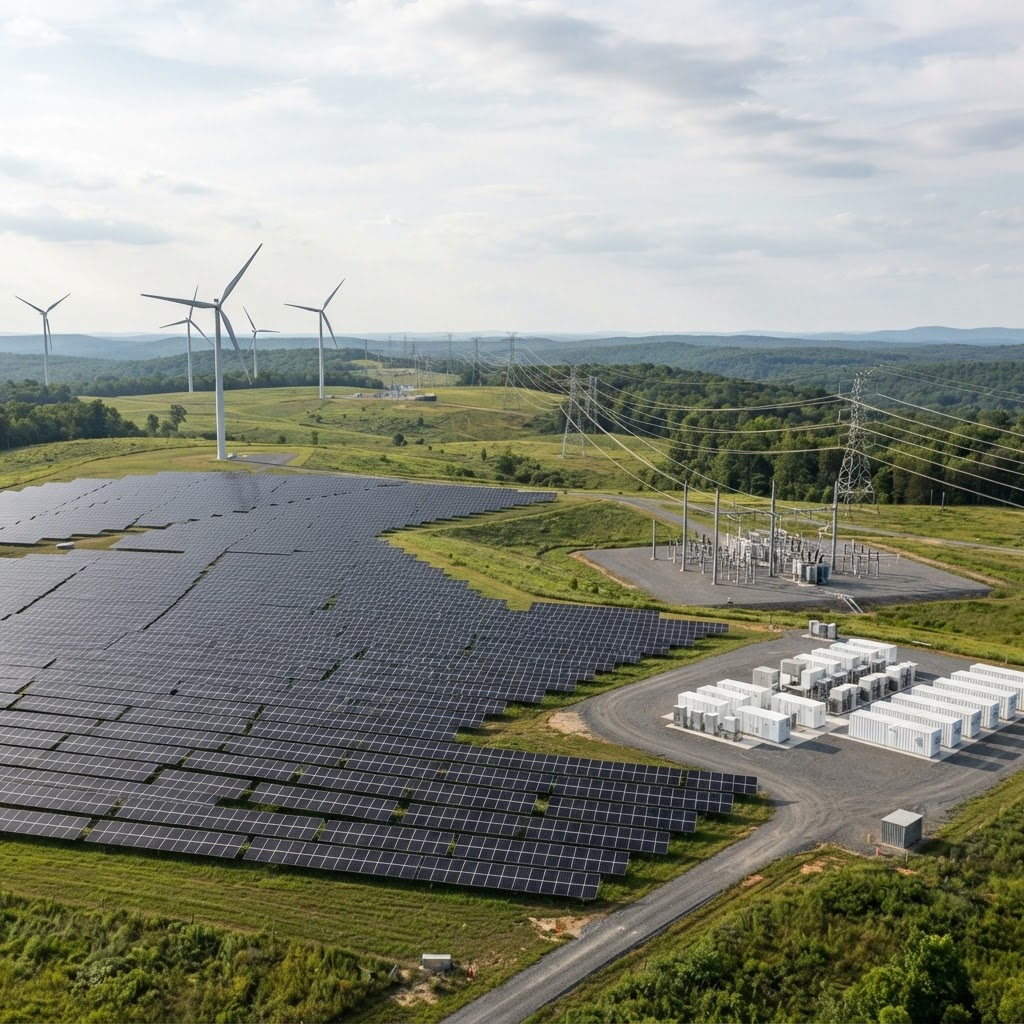
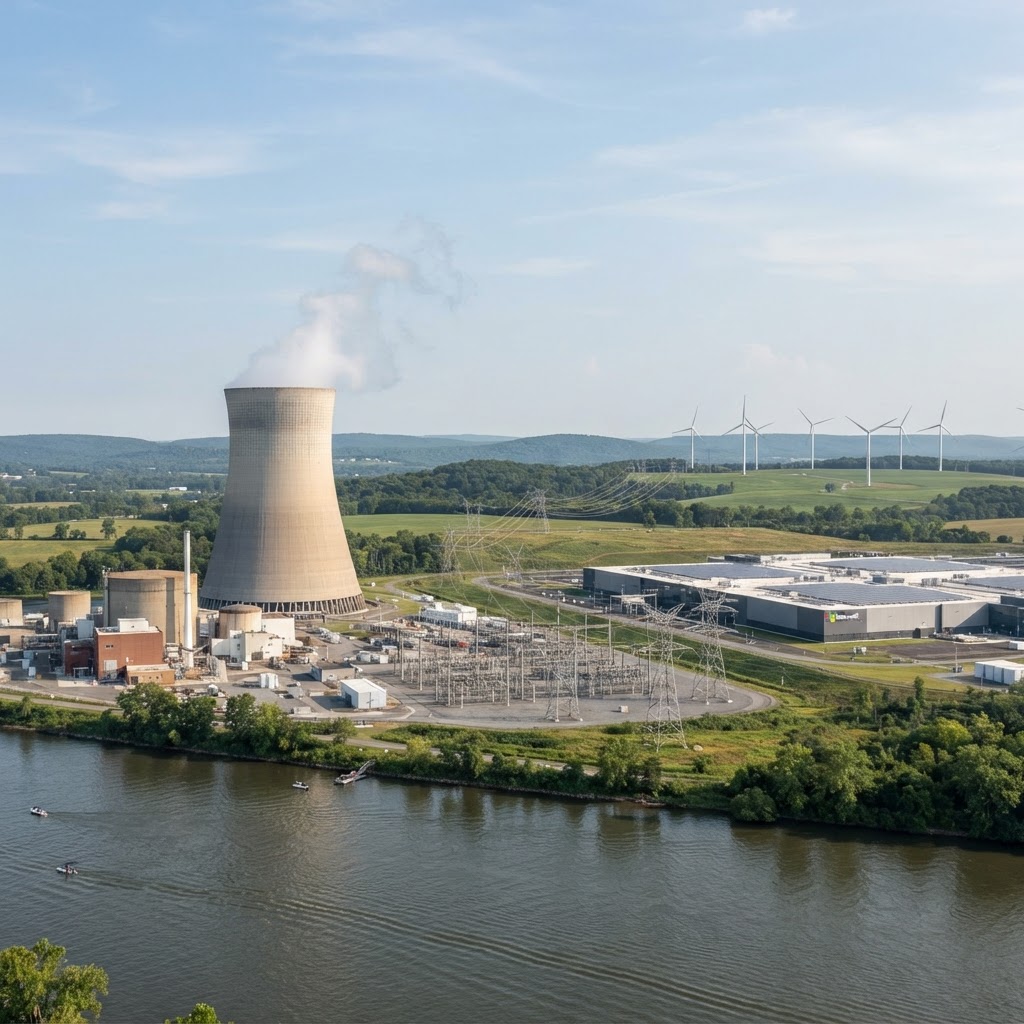
Canada already possesses one of the world's cleanest electricity systems, with approximately 80% of generation coming from non-emitting sources, largely hydroelectric power alongside nuclear, wind, and solar. Rather than replacing an emissions-intensive grid, policymakers are now focused on dramatically expanding an already low-carbon system while ensuring sufficient dispatchable generation remains available during periods of peak demand.
One notable aspect of the strategy is its recognition that natural gas will continue to play a supporting role during the transition.
While renewable energy, hydroelectric expansion, and nuclear generation remain central investment priorities, federal policymakers have acknowledged that gas-fired generation will continue providing flexibility and system stability as electricity demand accelerates. This represents a more pragmatic approach than previous proposals that envisioned a faster phase-down of conventional generation.
The policy shift reflects practical realities across several provinces, particularly Alberta and Saskatchewan, where natural gas remains a significant component of electricity supply and where industrial expansion—including artificial intelligence infrastructure—is driving additional demand for reliable baseload power.
Infrastructure development is expected to become one of the strategy's defining challenges.
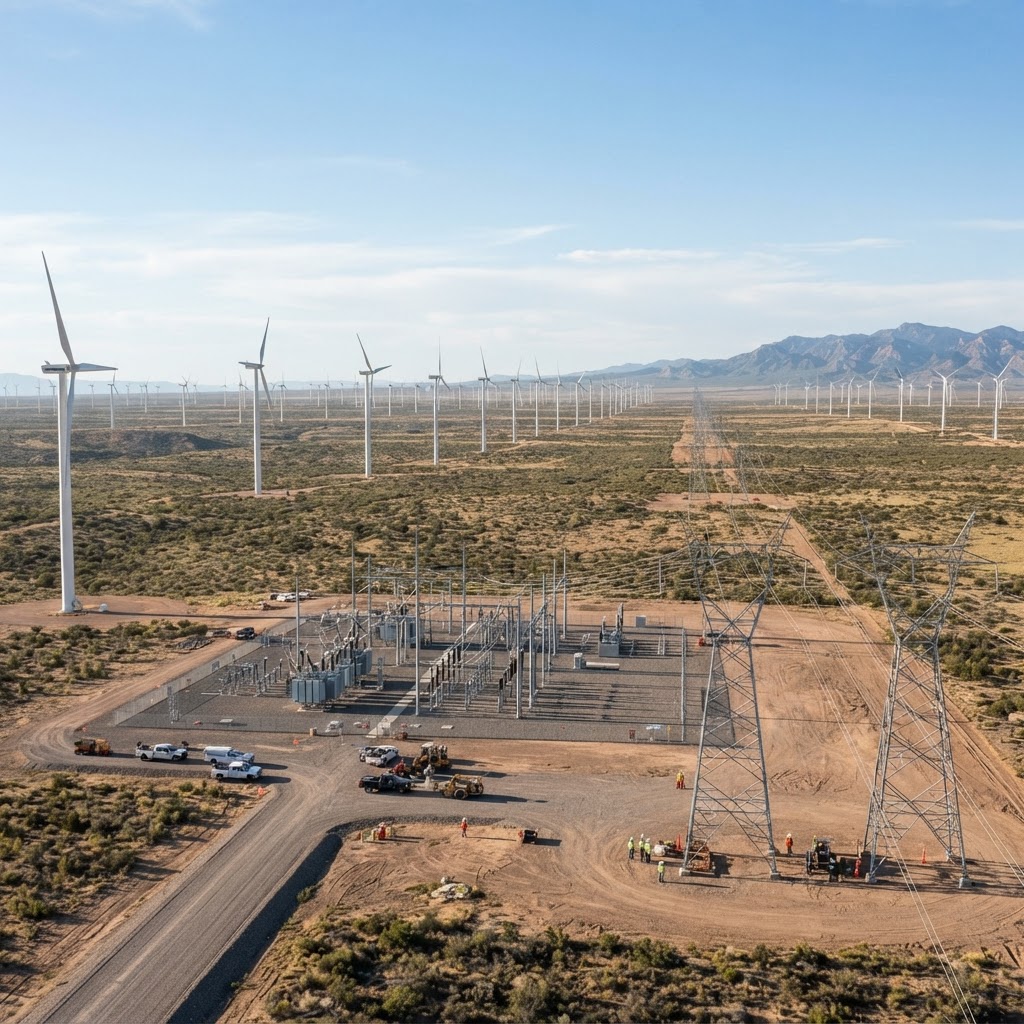
Expanding generation alone will not be sufficient. New high-voltage transmission corridors connecting provincial electricity markets will be required to improve grid resilience and optimize renewable resource deployment across Canada's vast geography. However, electricity regulation largely falls under provincial jurisdiction, making intergovernmental coordination essential for delivering major infrastructure projects.
Federal authorities have indicated that financing mechanisms, including the Canada Infrastructure Bank and investment tax incentives, will be used to accelerate project development while encouraging greater private-sector participation.
The strategy also carries important implications for Canada's broader industrial policy.
Growing global demand for critical minerals—including lithium, copper, nickel, cobalt, and rare earth elements—is increasing electricity consumption across mining and mineral processing operations. At the same time, domestic battery manufacturing, hydrogen production, and advanced manufacturing facilities all require reliable supplies of competitively priced electricity.
By expanding generation capacity, Canada aims to strengthen its attractiveness for long-term industrial investment while reinforcing its position within North America's clean energy supply chains.
Recent agreements between the federal government and provinces such as British Columbia further reinforce this direction, combining electricity infrastructure with transportation corridors, energy projects, and critical minerals development under broader economic competitiveness initiatives.
Investor confidence may also benefit from greater policy clarity.
Large-scale infrastructure projects—including hydroelectric facilities, nuclear reactors, transmission lines, and energy storage systems—require investment horizons measured in decades. Clear federal signals regarding long-term electricity demand provide greater certainty for utilities, institutional investors, engineering firms, and equipment manufacturers considering major capital commitments.
International investors are paying close attention.
Canada's abundant natural resources, political stability, skilled workforce, and relatively low-carbon electricity system have increasingly become competitive advantages as multinational companies seek locations for energy-intensive industries. Recent announcements involving artificial intelligence infrastructure and advanced manufacturing demonstrate how electricity availability is becoming a primary factor in corporate site selection.
Nevertheless, execution risks remain significant.
Building new transmission infrastructure often involves lengthy environmental assessments, Indigenous consultations, regulatory approvals, and provincial coordination. Cost inflation across construction materials and skilled labor shortages could also affect project timelines.
Maintaining affordability presents another challenge.
While expanding electricity infrastructure requires substantial capital investment, policymakers must balance system modernization against consumer electricity prices, particularly as households and businesses become increasingly dependent on electrified transportation and heating.
The strategy therefore represents more than an electricity policy—it reflects Canada's broader economic vision.
Energy security has become increasingly intertwined with national competitiveness, geopolitical resilience, and industrial strategy. Governments worldwide are recognizing that reliable electricity infrastructure is emerging as a strategic asset comparable to transportation networks or digital infrastructure.
For Canada, successfully executing this long-term expansion could strengthen its position as both a global supplier of clean energy and a preferred destination for industries supporting the energy transition. Failure to deliver infrastructure at the required pace, however, could constrain investment opportunities precisely as global demand for electricity-intensive industries accelerates.
As energy markets continue evolving, Canada's approach suggests that future electricity policy will increasingly prioritize not only emissions reduction, but also resilience, affordability, and economic growth—objectives that are becoming inseparable in the modern energy landscape.